
This post was originally published on this site.
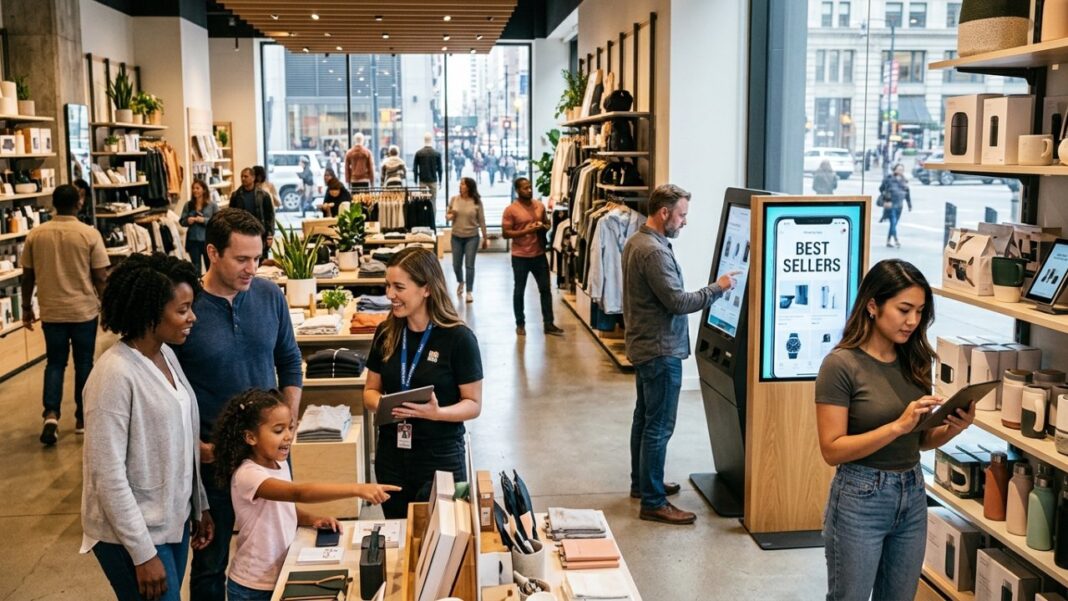
You need to stay ahead in today’s shopping landscape, where trends are rapidly changing. Focus on blending online and in-store experiences to meet customer expectations. Consider offering frictionless delivery options, like free shipping or same-day services, to enhance convenience. Utilize AI for personalized recommendations that cater to individual tastes. As you explore these strategies, you’ll discover how to effectively attract and retain shoppers in this evolving market. What’s next on your agenda?
Key Takeaways
- Hybrid shopping blends online and in-store experiences, catering to consumer preferences for both digital convenience and physical engagement.
- Frictionless delivery options, including free and same-day shipping, are essential for meeting the demands of online shoppers.
- AI-driven personalization enhances shopping experiences by providing tailored recommendations and targeted marketing strategies.
- Inspiration-led purchases, particularly among Gen Z, are driven by engaging content and visual storytelling on social platforms.
- Sustainable choices are increasingly important, with many consumers willing to pay more for eco-friendly products and seeking secondhand options.
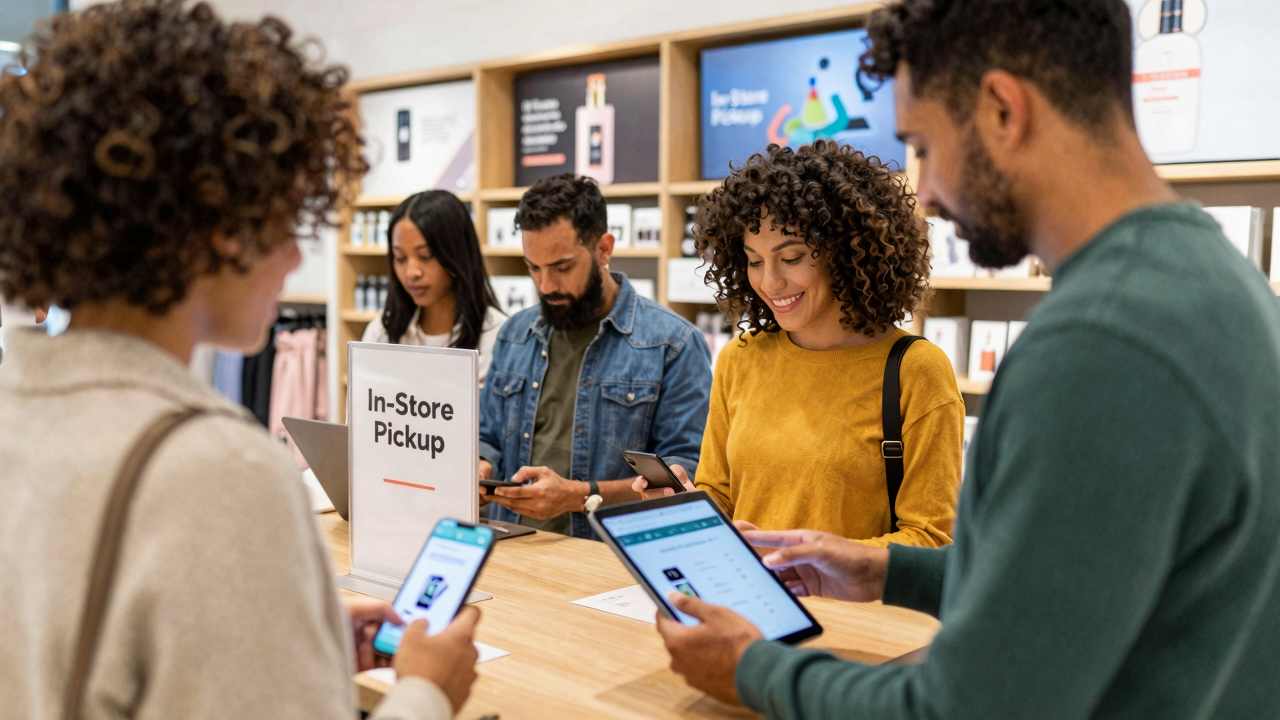
As you navigate the evolving landscape of retail, it’s crucial to understand how hybrid shopping combines the best of online and in-store experiences. This approach taps into grocery shopping trends, merging the convenience of online shopping with the tactile engagement that in-store experiences offer.
Since 59% of consumers prefer online options, while 41% still value physical visits, retailers must balance both channels effectively.
To enhance shopper satisfaction, consider incorporating immersive demos in your stores. These interactive experiences can draw in customers, particularly Gen Z, who increasingly favor in-store shopping.
Streamlining checkout processes can also make visits more efficient, bridging the gap between digital and physical platforms.
By focusing on a seamless integration of both worlds, you can attract a broader customer base and foster loyalty.
Embrace these grocery consumer trends to position your retail strategy for success and meet diverse shopper preferences.
Why Shoppers Love Frictionless Delivery Options?
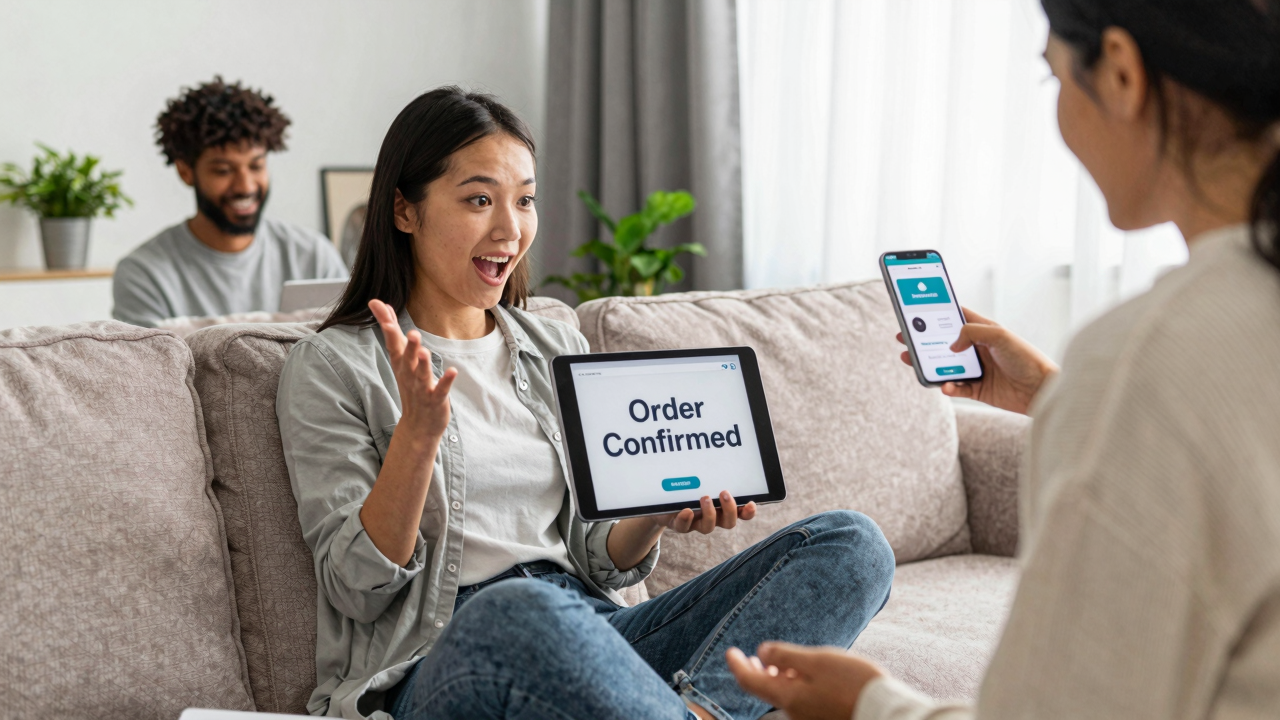
Today’s shoppers expect smooth, hassle-free delivery options that fit seamlessly into their busy lives. In the world of grocery trends, you’ll notice that 83% of online shoppers prioritize free shipping, making it crucial for most purchases. Since 2020, the demand for same-day delivery has surged by 62%, reflecting a clear desire for speed.
If you’re considering current trends, note that next-day delivery significance has increased by 25%, too. Additionally, 64% of online shoppers appreciate fuss-free returns, so adopting a seamless return policy can boost customer satisfaction.
Emphasizing real-time order tracking and proactive communication is essential; these features build trust and provide transparency. By embracing these frictionless delivery options, you align with popular topics in shopping trends, ensuring you meet the expectations of today’s grocery shoppers.
Prioritize these strategies, and you’ll enhance your overall shopping experience.
AI and Personalization: Tailoring the Shopper’s Journey
To enhance the shopping experience, leveraging AI for personalization can be a game changer for your business. Start by using data analytics to understand customer preferences, which is vital in today’s competitive market.
By analyzing shopping trends, you can deliver tailored recommendations that make your customers feel valued.
Implement targeted marketing strategies powered by AI to create personalized ads that resonate with each shopper. For instance, if a customer browses sneakers, show them relevant promotions or similar styles.
Additionally, consider adopting AI tools that streamline operations, like those used by brands such as Zara, to improve in-store efficiency and reduce wait times.
As 56% of Gen Z believe AI positively impacts shopping, embracing this technology can enhance customer experience and satisfaction.
Focus on these steps, and you’ll likely see improved conversion rates and loyalty from your customers.
Inspiration-Led Purchases: Driving Sales Through Ideas
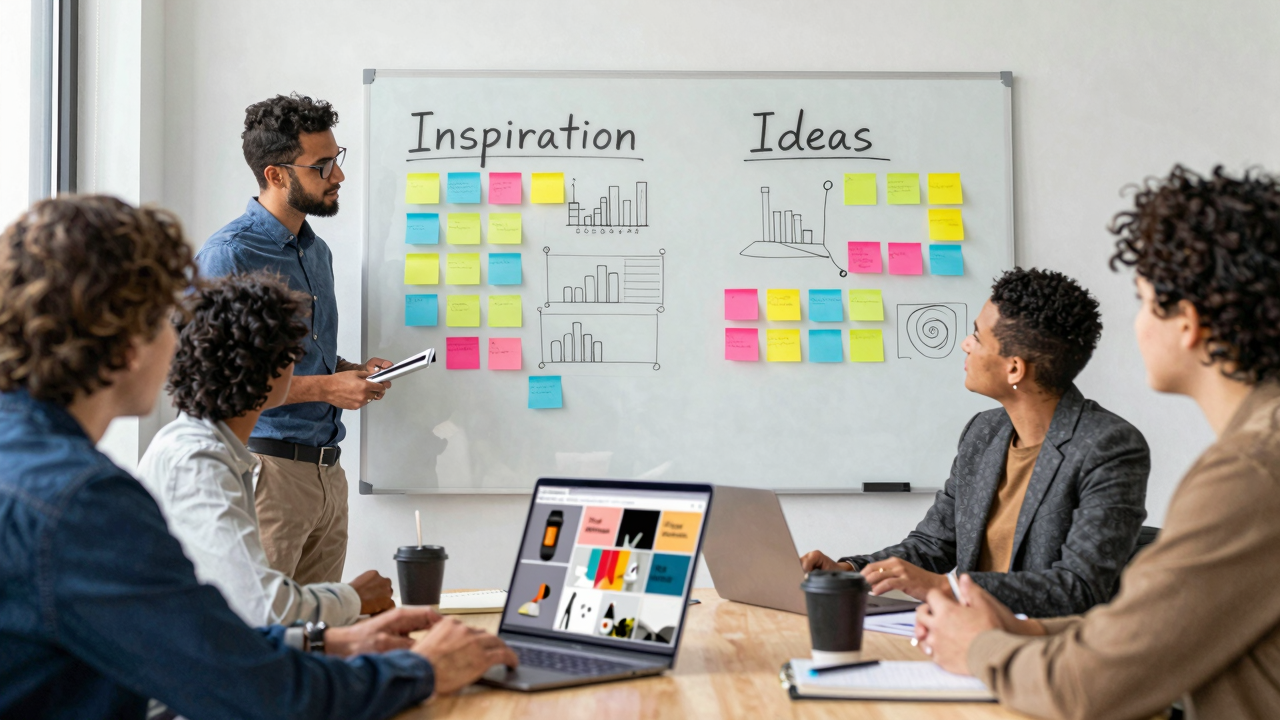
Inspiration-led purchases are reshaping how consumers shop, especially among younger generations. Over 51% of Gen Z turns to the internet for inspiration, making social media ads a powerful tool for discovering new products. To drive sales through ideas, retailers should focus on creating engaging content and immersive demos that resonate with customer desires.
Here’s how to effectively tap into inspiration-led purchases:
| Strategy | Action Steps | Expected Outcome |
|---|---|---|
| Optimize Social Ads | Target trending searches | Increase product discovery |
| Create Engaging Content | Use visuals and stories | Boost customer engagement |
| Leverage Demos | Offer immersive experiences | Enhance purchase likelihood |
Social Commerce: Turning Platforms Into Sales Powerhouses
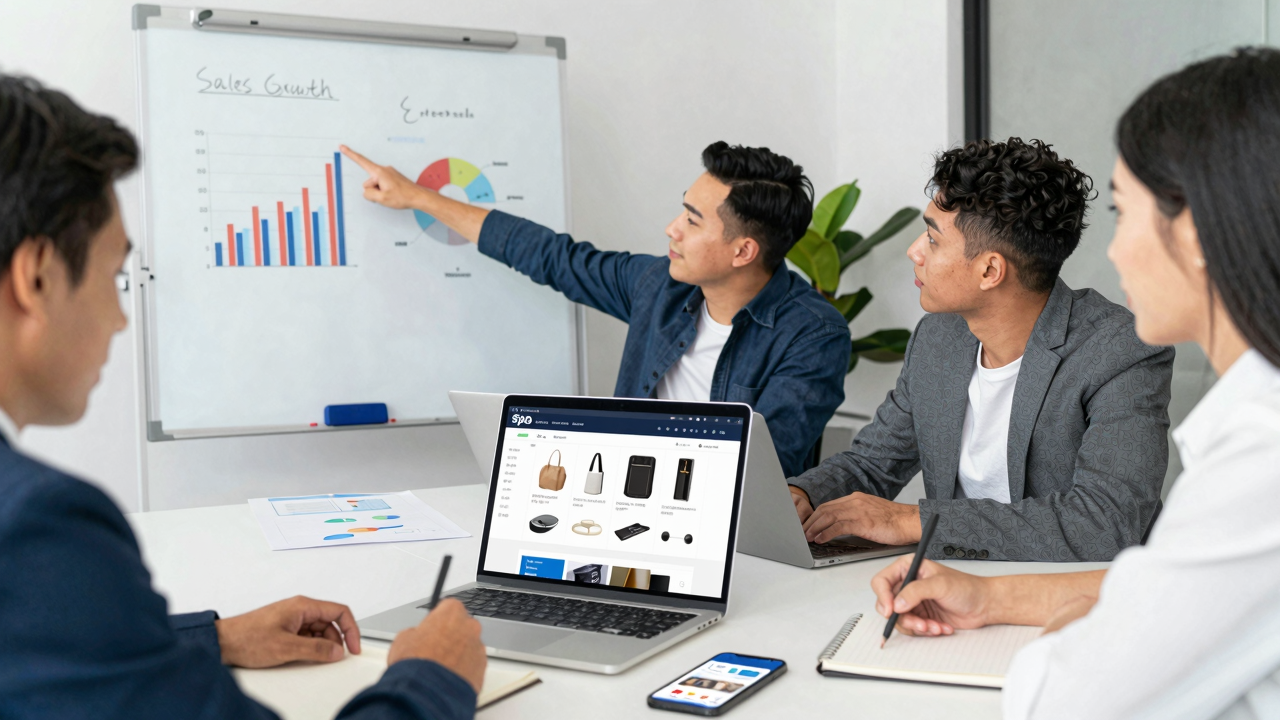
As social media continues to evolve, it’s essential to leverage these platforms as powerful sales tools.
Social commerce is transforming how you connect with customers, especially Gen Z, whose buying decisions are influenced by what they see online.
Here’s how you can optimize your strategy:
- Engage with social proof: Highlight products with numerous likes and positive comments to attract attention.
- Utilize interactive shopping sessions: Consider livestream shopping to combine entertainment with sales, driving engagement.
- Implement targeted advertising: Use social ads to inspire purchases; 51% of Gen Z rely on the internet for product ideas.
- Ensure seamless checkout: Make the buying process frictionless, allowing customers to move from discovery to purchase easily.
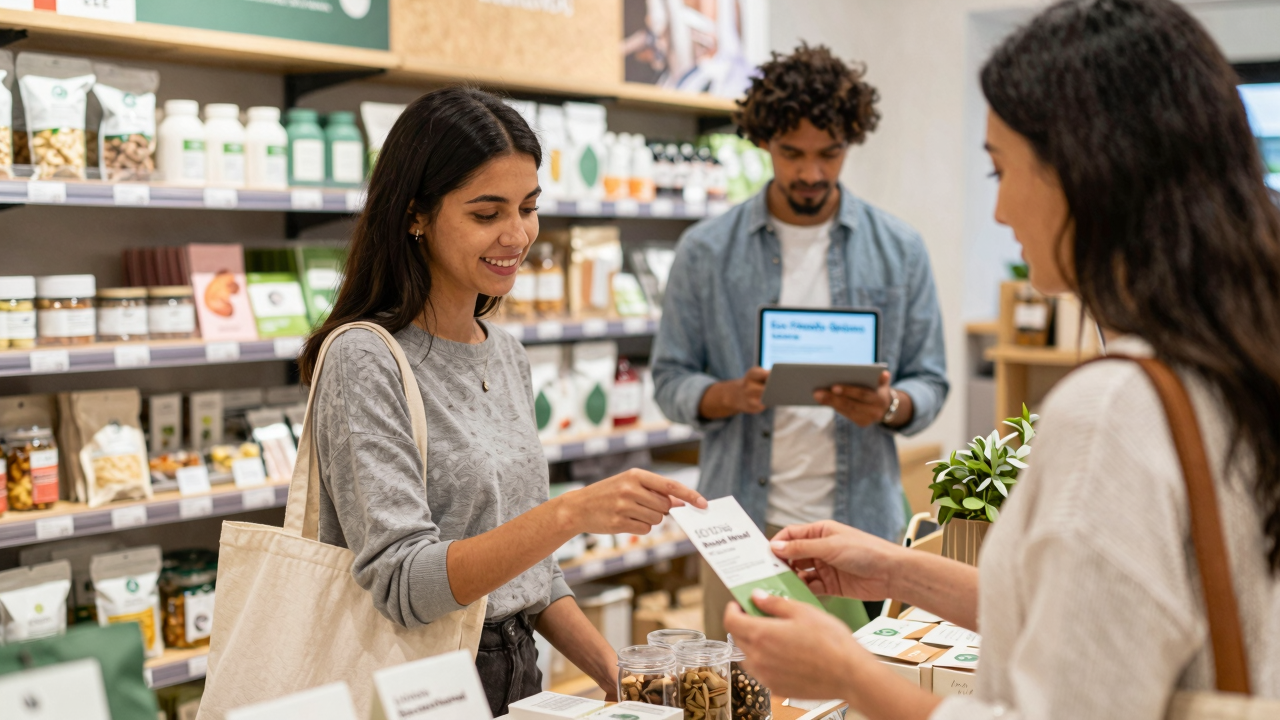
Consumers today are increasingly making shopping decisions with sustainability in mind, and this shift can greatly impact your business. To meet this demand, consider integrating eco-friendly products and promoting transparency in sourcing. By doing so, you can enhance consumer loyalty and attract a growing market of eco-conscious shoppers.
Here’s a quick look at consumer preferences:
| Sustainable Choices | Consumer Insights |
|---|---|
| Eco-friendly products | 58% willing to pay more |
| Transparency in sourcing | Key to building consumer trust |
| Secondhand clothing | 1 in 3 Gen Z buys secondhand |
| Resale market growth | Rising interest in pre-owned goods |
| Refurbished electronics | Increasing priority among shoppers |
Taking these steps can help you differentiate your brand, foster loyalty, and align with the values of today’s consumers. Embrace sustainability and watch your business thrive.
Second-Hand Luxury: The Allure of Pre-Owned Goods
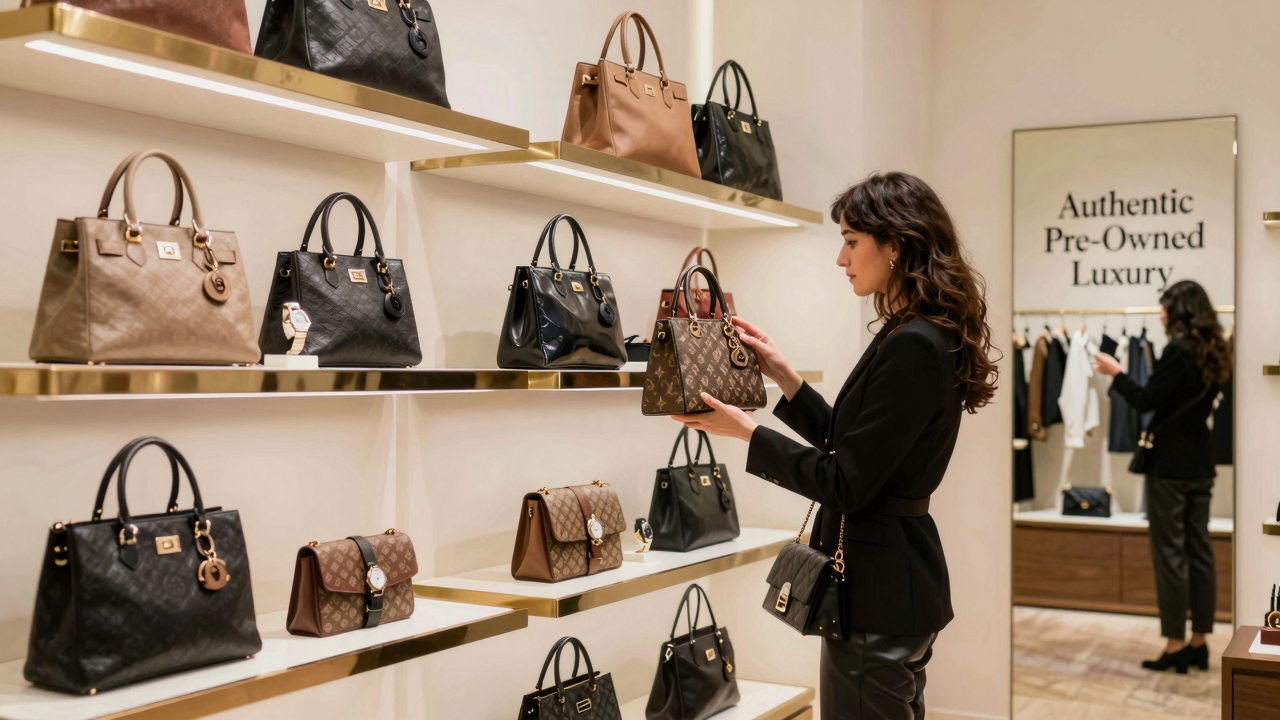
While many shoppers are drawn to new luxury items, a growing trend is pushing pre-owned goods into the spotlight. This shift is particularly appealing to Gen Z shoppers, with approximately 60% purchasing luxury brands last year.
You can embrace this trend by exploring:
- Second-hand luxury items that offer high quality and unique styles.
- Vintage items that reflect the ‘old money’ aesthetic, adding character to your wardrobe.
- High-quality dupes that provide stylish alternatives without breaking the bank.
- A commitment to the circular economy, which promotes sustainability through reusing luxury goods.
To get started, research reputable platforms that specialize in pre-owned luxury items.
Educate yourself about the value and quality of these goods. By choosing second-hand, you not only enhance your style but also contribute to a more sustainable fashion industry.
Embrace the allure of pre-owned goods and enjoy the benefits they bring.
Frequently Asked Questions

What Are the Latest Trends in Shopping?
The latest trends in shopping include a blend of online and in-store experiences, reflecting consumer preferences.
You should prioritize free shipping and same-day delivery options for convenience.
Consider leveraging AI tools for personalized recommendations, as they enhance customer satisfaction.
Social media plays an essential role, so use platforms to showcase popular products with positive feedback.
Finally, embracing sustainable practices can attract eco-conscious shoppers willing to pay more for green products.
[embedded content]
What Is the Gen Z Shopping Trend?
Gen Z shopping trends show you should focus on an omnichannel approach.
Combine online and in-store experiences for flexibility. Use social media to inspire purchases; items with positive engagement are more appealing.
Prioritize convenience by offering free shipping and same-day delivery.
Personalize your marketing to resonate with this generation, as tailored promotions work best.
Finally, consider featuring second-hand luxury items, since many Gen Z shoppers are open to pre-owned options.
What Are the Retail Trends for 2026?
In 2026, focus on sustainability, personalization, and technology in retail. Embrace eco-friendly products to attract conscious consumers.
Use data analytics to tailor shopping experiences, making them more relevant to individual preferences.
Explore live selling platforms to engage customers directly, enhancing the shopping experience.
Consider offering secondhand options, as resale markets grow.
Ultimately, incorporate wellness trends by providing products that promote relaxation and mental health, appealing to a broader audience.
What Is the Next Big Thing in Retail?
The next big thing in retail is live selling. You should explore platforms like Whatnot to connect with customers in real-time.
Use social media to create buzz and urgency around your products. Also, prioritize sustainability to attract eco-conscious shoppers.
Consider incorporating AI for personalized recommendations, enhancing the shopping experience.
Finally, leverage social proof; showcase customer reviews and interactions to build trust.
These steps can elevate your retail strategy and drive sales effectively.
Conclusion
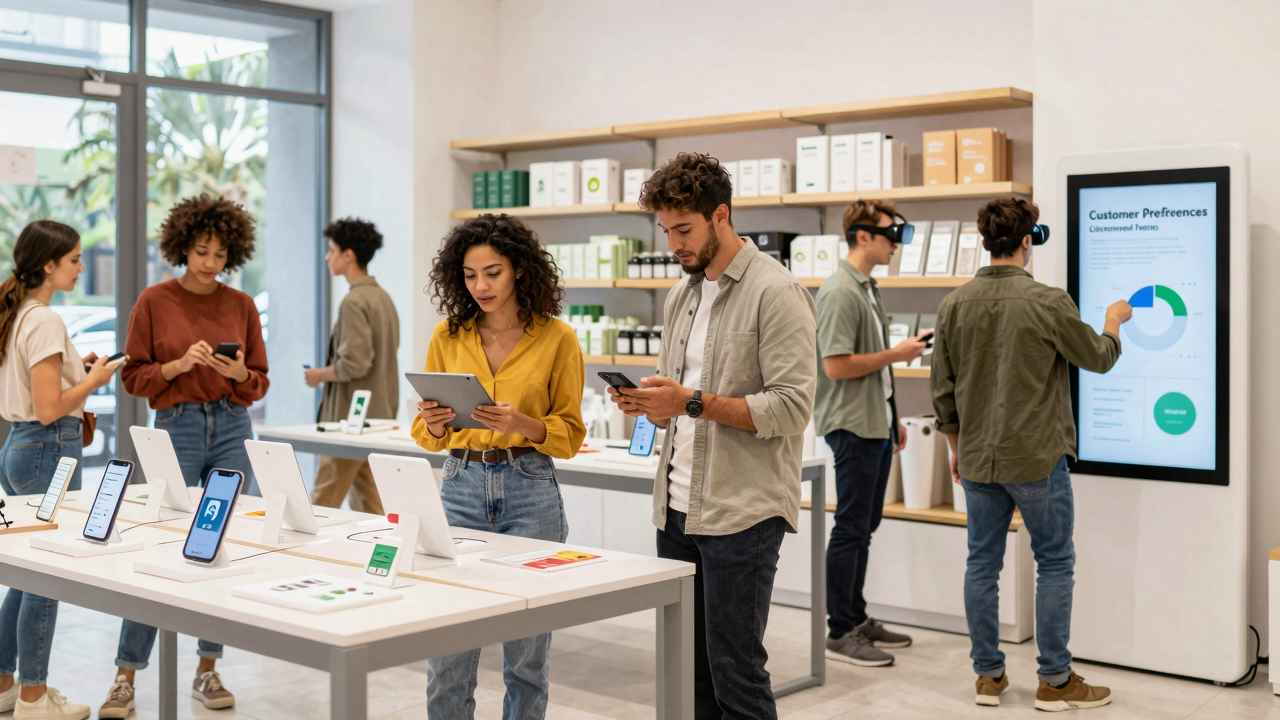
To stay ahead in the evolving shopping landscape, embrace hybrid experiences that combine online and in-store elements. Prioritize frictionless delivery options to meet customer expectations. Leverage AI for personalized recommendations that enhance the shopping journey. Encourage inspiration-led purchases by showcasing engaging content. Focus on sustainable choices and promote second-hand luxury goods to attract eco-conscious shoppers. By adopting these strategies, you’ll not only meet current trends but also foster lasting connections with your customers.
Image via Google Gemini and Small Business Trends