
A thin ribbon of tarmac winds its way through leafy villages that hug Belitung’s coast. Very occasionally, a scooter—piled high with passengers—hums past. It feels as if I have this Indonesian island almost to myself.
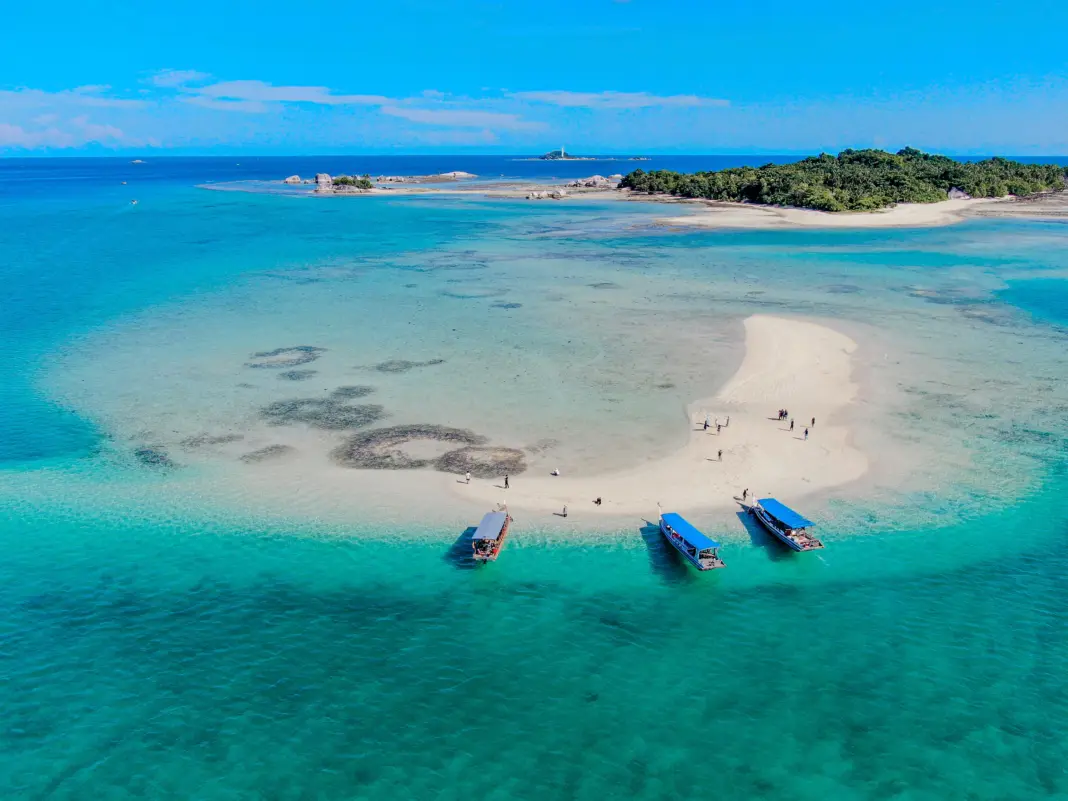
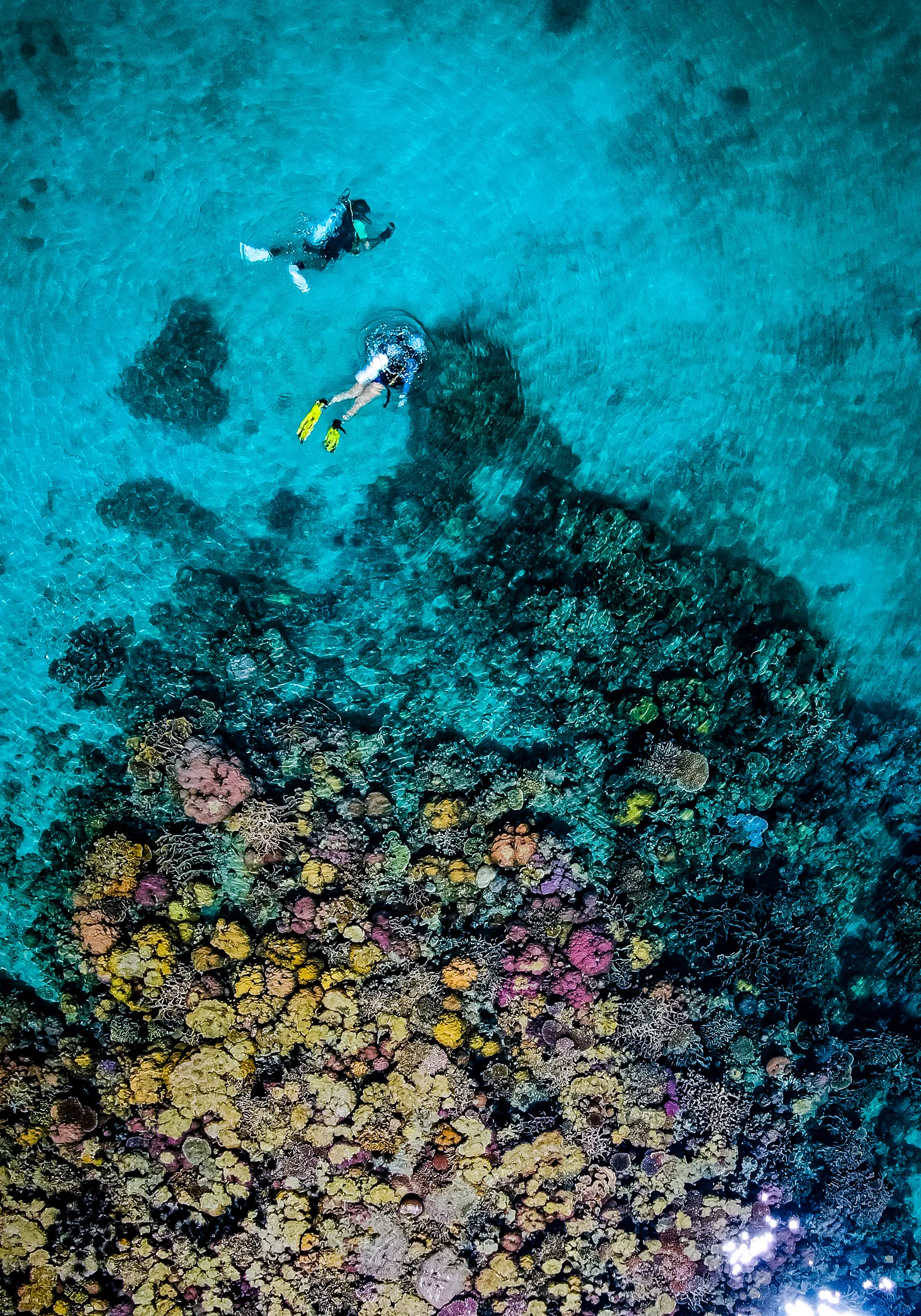
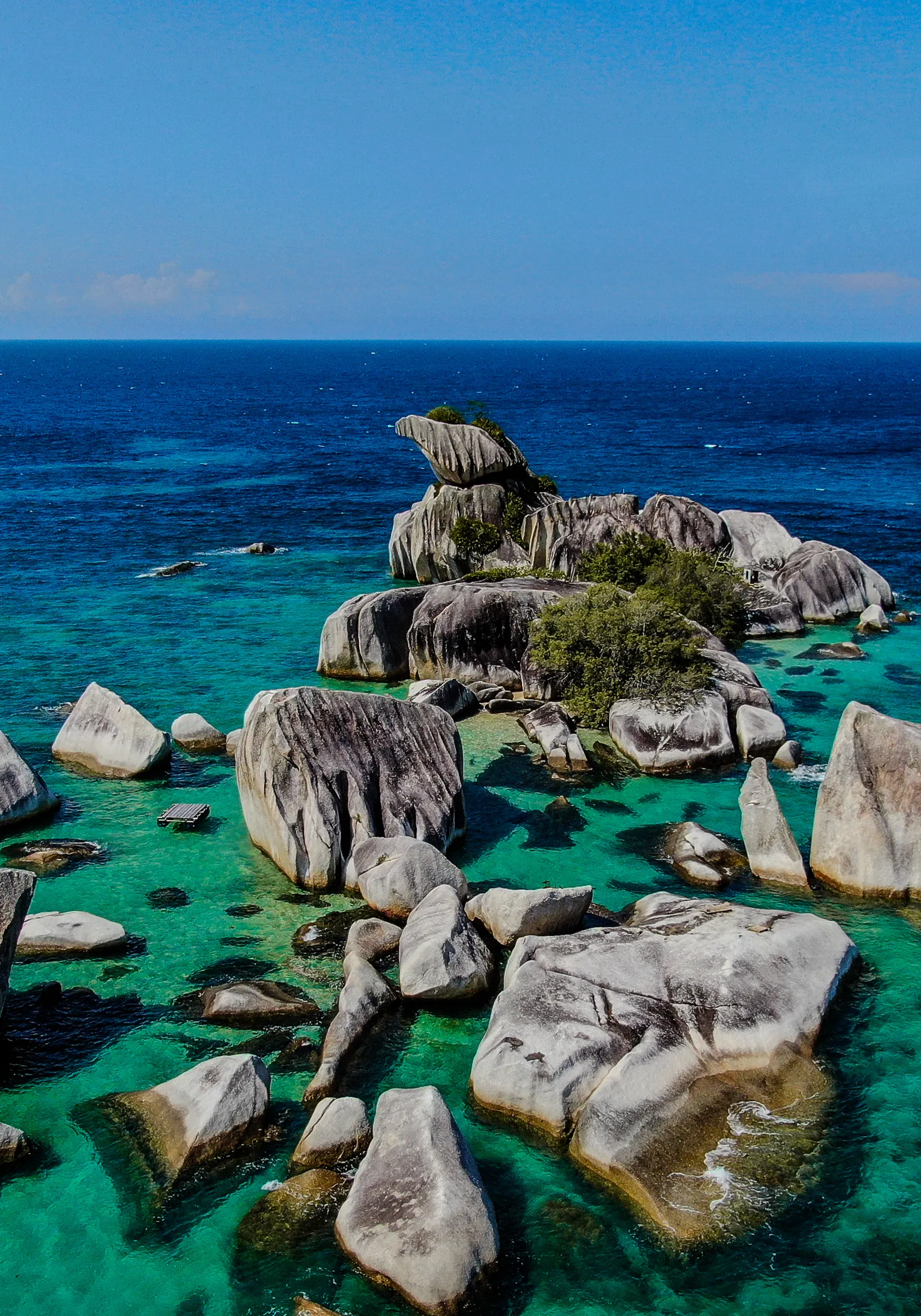
The boot-shaped island off the coast of Sumatra is often labeled the “Maldives of Indonesia” thanks to its pristine reefs, turquoise sea, Triassic granite formations, and last year’s confirmation of its UNESCO Global Geopark status, a designation that aims to protect the natural environment and to encourage holistic and sustainable development.
So far, Belitung remains off the tourist trail, but thanks to UNESCO’s recognition, a new direct flight from Singapore, and green-thinking hotels launching on its shores, it won’t be for long. As excited as they are to welcome new guests, locals are also determined to create a blueprint for sustainable tourism.
There are 17 geosites dotted around the island. The first one I visit is Bukit Peramun, a park 30 minutes’ drive inland from the coast. Local guide Jimie Afrian leads me through a forest of ironwood and wild fig trees, aiming to reach the summit at sunset. As he guides me along the leaf-strewn trail, he points out the ginseng roots turned into herbal medicine and the Batu Kember (Twin Rocks), which were once used to confirm whether a person was ready for marriage. In times gone by, teenagers from the surrounding five villages would hike through the forest and stand between the oversized granite rocks, arms outstretched. If they could touch the twin rocks with both hands, it was deemed that they had reached adulthood.
There was a time when visitors could wander these trails alone; now everyone needs a guide to accompany them through this community-managed forest, which is home to pangolins, hornbills, and mousedeer. As we stand on a wooden viewing platform overlooking a patchwork landscape dotted with farms, palm-oil plantations, and forest, Afrian seems acutely aware of his responsibility. “It may only be 60 hectares, but we will protect it,” he says, looking into the distance.
The sun is about to set, so we push on to the highest point in the park, where locals have created a pop-up restaurant. Here, visitors enjoy the panoramic views of the countryside while sipping cups of tea and dipping strips of fresh cassava into local honey.
The sky over the park puts any smartphone filter to shame. It turns shades of ochre and lilac as the sun lowers behind the hills on the horizon. It’s a wonder, but the sunset isn’t the main event. For that, we needed to return to the forest.