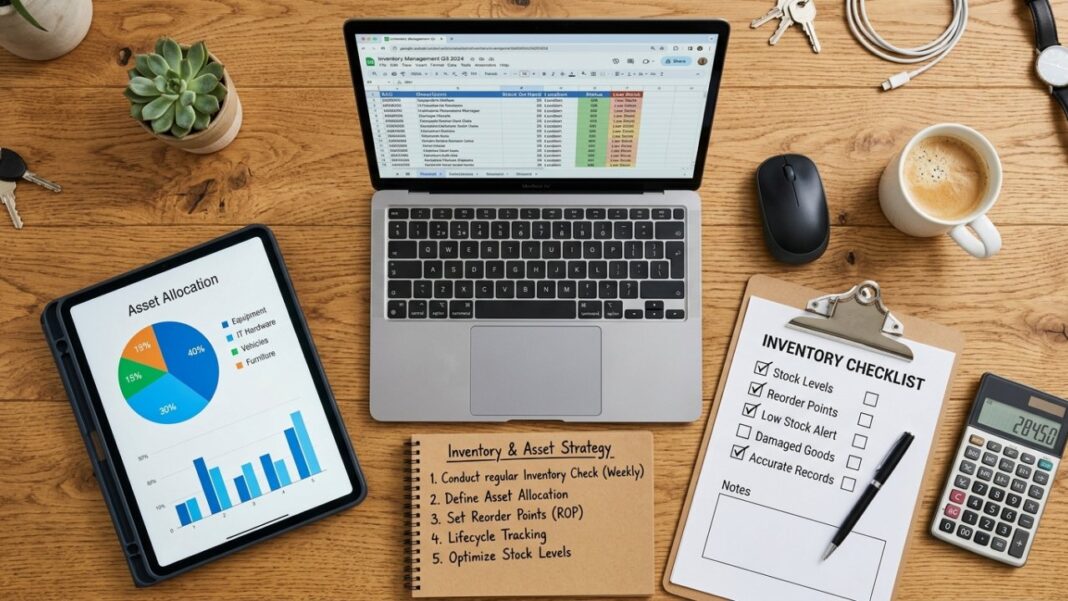

Managing inventory and assets effectively is essential for your business’s success. Start by categorizing your inventory into A, B, and C groups to prioritize your focus. Next, conduct regular audits to keep your records accurate. Use technology to track inventory in real-time, and build strong relationships with your suppliers for better pricing. By analyzing sales trends, you can restock wisely. Ready to explore these strategies in more detail? Let’s get started on optimizing your inventory management.
Key Takeaways
- Implement regular audits to ensure inventory accuracy and identify discrepancies promptly for effective corrective actions.
- Utilize advanced inventory management technologies like RFID and cloud-based software for real-time tracking and analytics.
- Categorize inventory into A, B, and C groups for tailored management strategies that align stock levels with customer demand.
- Foster strong supplier relationships through performance evaluations and collaborative planning to enhance forecasting accuracy and service quality.
- Conduct regular training sessions to empower employees in best practices, technology usage, and data analysis for improved inventory management.
Understand the Importance of Inventory Management

Inventory management is the backbone of a successful business, and understanding its importance can change how you operate. Effective inventory management helps you track items, ensuring product availability while maximizing profits through optimized stock levels.
Unlike asset management, which focuses broadly on all assets, inventory management zeroes in on products that directly impact your sales.
To improve your inventory management, start by implementing regular audits and accurate tracking systems. This reduces costs related to storage and waste, boosting customer satisfaction.
Consider advanced techniques like Just-in-Time (JIT) and Economic Order Quantity (EOQ) to streamline your operations and improve forecasting accuracy.
Analyze sales trends and supplier performance to make informed restocking decisions. By focusing on these areas, you’ll minimize discrepancies and losses, ensuring compliance with regulations and keeping customers happy.
Take these steps seriously, and watch your business thrive.
Categorize Inventory for Better Management
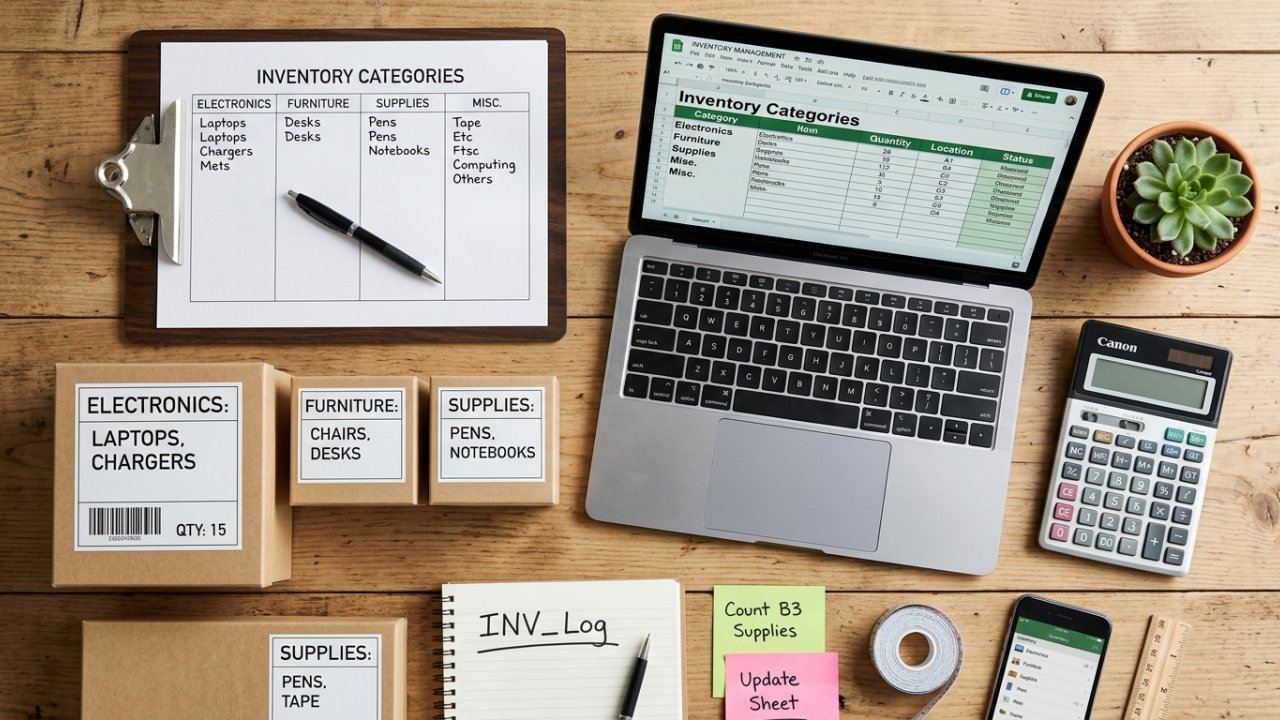
To effectively manage your stock, start by categorizing it into A, B, and C groups. A group items are your high-value assets, often with lower turnover rates. You should monitor these closely to avoid stockouts and maximize profitability.
B group items strike a balance between cost and turnover, so regular reviews are essential to optimize stock levels and guarantee timely replenishment.
For the C group, which consists of low-cost items with high turnover, adopt a streamlined approach to prevent excess stock and minimize holding costs.
Utilizing data from sales patterns and turnover rates will help you tailor your asset inventory management strategies. By focusing on these categories, you can enhance your operational efficiency, making sure that each group receives the attention it needs for successful management.
This structured approach not only simplifies decision-making but also supports your broader inventory goals.
Conduct Regular Audits to Ensure Inventory Accuracy

Regular audits play an important role in guaranteeing your inventory is accurate and up-to-date. By conducting these audits, whether annually or more frequently, you can align physical counts with recorded inventory, preventing discrepancies. Spot checks on key items monthly or weekly help identify issues promptly, allowing for timely corrective actions.
| Audit Frequency | Benefits | Compliance |
|---|---|---|
| Annual | Thorough overview | Supports regulations |
| Monthly | Quick issue identification | Enhances integrity |
| Weekly | Immediate corrective actions | Guarantees standards |
Discrepancies found during audits can uncover underlying problems like theft or spoilage, enabling effective resolution strategies. Consistent auditing practices also contribute to improved inventory turnover rates, ultimately maximizing profitability and reducing excess stock. Implement these regular audits as an important part of your inventory and asset management strategy.
Use Inventory Management Technology for Real-Time Insights

Utilizing inventory management technology can greatly enhance your ability to track stock levels in real time, making your operations more efficient. Implement systems like RFID and barcode scanning to reduce discrepancies and improve accuracy in your records.
Cloud-based inventory management software allows you to access data remotely, giving you up-to-date insights on inventory status from anywhere. Use real-time analytics tools to identify sales patterns, helping you adjust stock levels proactively and avoid stockouts or overstock situations.
Integrate your inventory management system with point-of-sale (POS) systems to guarantee instant updates on sales data, which will clarify inventory turnover and demand forecasting. Additionally, set up automated alerts for low stock levels to streamline your reordering process, ensuring timely restocking and maintaining customer satisfaction.
Enhance Supplier Relationships for Improved Inventory Control

Building strong supplier relationships is essential for improving your inventory control. Start by evaluating supplier performance metrics, such as delivery timeliness and order accuracy. This guarantees you identify reliable partners and address any issues quickly. Consider diversifying your suppliers; this not only mitigates risks but can also lead to better pricing and service.
Set clear expectations and collaborate with your suppliers on inventory management. Engaging them in planning discussions can enhance forecasting accuracy, reducing excess inventory by aligning demand more effectively.
Here’s a quick guide to key supplier performance metrics:
| Metric | Importance |
|---|---|
| Delivery Timeliness | Guarantees stock availability |
| Order Accuracy | Reduces errors and returns |
| Communication Frequency | Enhances issue resolution |
| Responsiveness | Improves inventory adjustments |
| Cost Competitiveness | Supports budget management |
Implement Best Practices for Stock Replenishment
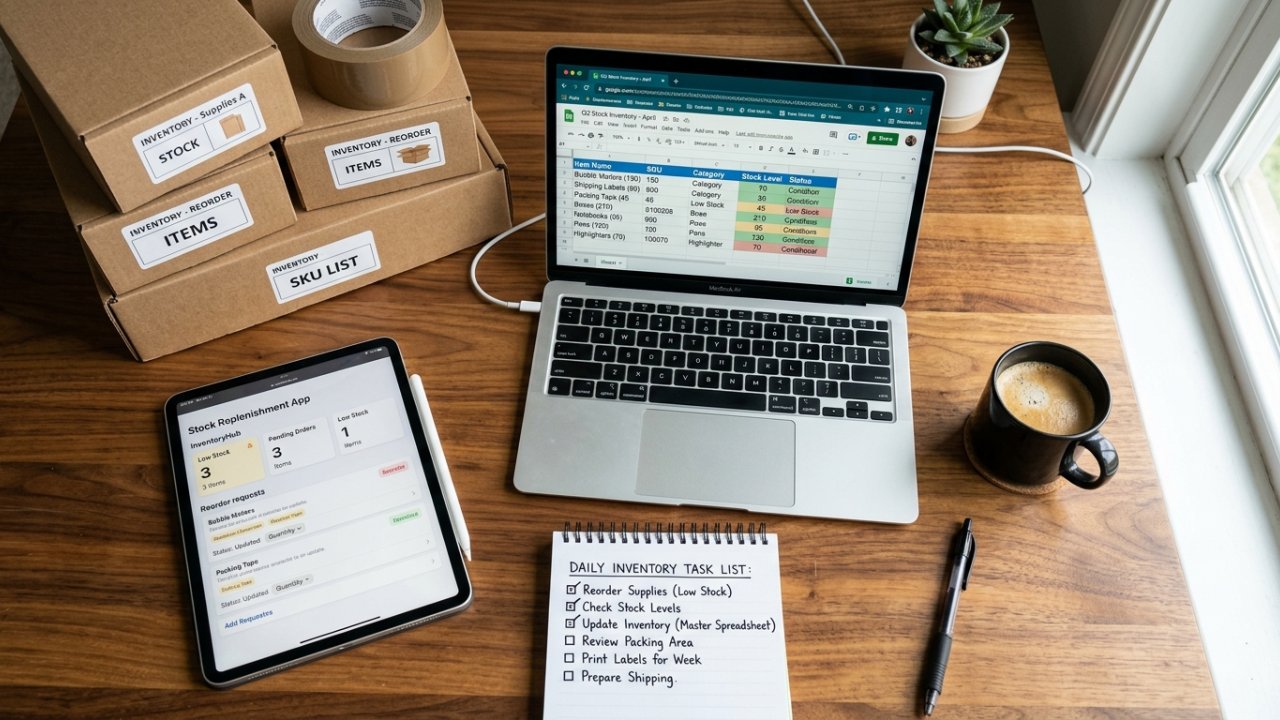
To effectively manage stock replenishment, you need to monitor stock levels regularly and optimize your order timing.
Using inventory management software can help you track stock in real time, making it easier to adjust orders based on demand.
Monitor Stock Levels Regularly
Monitoring stock levels regularly is essential for maintaining a smooth supply chain and meeting customer demand. Use real-time data tracking tools for effective asset tracking; they’ll help you prevent stockouts and overstock situations.
Implement a demand forecasting system to align your stock replenishment with customer purchasing patterns, potentially reducing excess inventory by up to 20%. Establish reorder points for each item based on historical sales data, which allows timely restocking and minimizes product availability disruptions.
Don’t forget to utilize automated inventory management software to streamline replenishment and reduce manual errors. Finally, conduct periodic audits on high-demand items to verify stock levels, adjusting your strategies based on current market trends for enhanced inventory efficiency.
2. Optimize Order Timing
Optimizing order timing is essential for effective inventory management, especially when you want to keep your shelves stocked without overcommitting resources.
Start by implementing a Just-In-Time (JIT) inventory system to align orders with production schedules, minimizing excess stock. Use demand forecasting tools to predict customer needs accurately, ensuring timely restocking and reducing stockout risks.
Establish reorder points based on historical sales data to replenish inventory before it hits critical low levels. Regularly review supplier lead times, adjusting your order timing to avoid disruptions.
Finally, consider using automated inventory management tools for real-time stock tracking. This proactive approach not only clarifies asset inventory meaning but also enhances operational efficiency and supports consistent product availability.
3. Utilize Inventory Management Software
While you might think managing inventory is just about keeping track of stock, utilizing inventory management software can transform how you handle stock replenishment. By implementing this software, you can achieve real-time tracking, reducing stockouts and overstock situations by up to 30%.
To improve order accuracy, set reorder points based on historical sales data and lead times. Automated alerts for low stock levels guarantee timely reordering, enhancing customer satisfaction.
Here’s a quick overview:
| Asset vs Inventory | Benefits of Software |
|---|---|
| Inventory | 30% reduction in stockouts |
| Assets | 25% improved order accuracy |
| 20% reduction in holding costs |
Incorporating these practices will optimize cash flow and keep your stock aligned with customer demand.
Encourage Continuous Improvement in Your Team
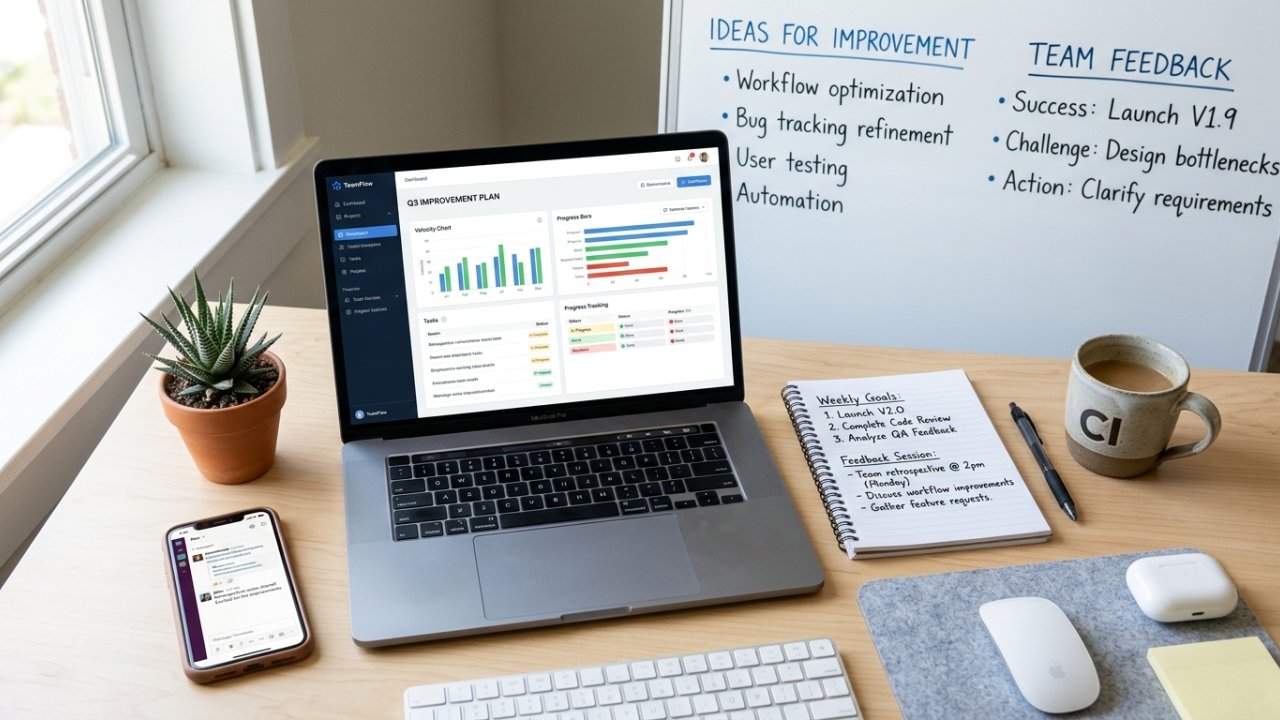
To foster continuous improvement in your team, start by promoting open communication.
Encourage team members to share their insights and suggestions about inventory processes, which helps everyone feel involved and valued.
Additionally, hold regular training sessions to keep your staff updated on best practices and new technologies, ensuring they’ve the skills needed to excel in their roles.
Foster Open Communication
Fostering open communication within your team is essential for improving inventory management. When everyone feels heard, it boosts collaboration and efficiency, especially in managing industrial asset inventory.
- Encourage regular feedback sessions for team members to share insights on challenges and successes.
- Implement a transparent inventory tracking system so all employees can access real-time data, promoting accountability.
- Recognize and reward contributions to inventory improvements to reinforce the value of team input.
These practices create a culture of continuous improvement, ensuring everyone is aligned and aware of inventory needs.
Implement Regular Training Sessions
Implementing regular training sessions is key to enhancing your team’s inventory management skills. These sessions empower employees with the latest best practices in asset tracking, improving accuracy and operational efficiency. Focus on real-time technology training, ensuring everyone knows how to use your inventory software effectively.
Encouraging participation in audits fosters accountability, highlighting the importance of accurate records. You could also analyze sales data trends during sessions, helping staff make informed stock decisions. Recognizing and rewarding team members for their contributions can motivate continuous improvement.
Here’s a simple table to guide your training focus:
| Training Focus | Benefits | Frequency |
|---|---|---|
| Technology Training | Improves software usage | Monthly |
| Audit Participation | Enhances accountability | Quarterly |
| Sales Data Analysis | Informs stock decisions | Bi-Weekly |
Frequently Asked Questions
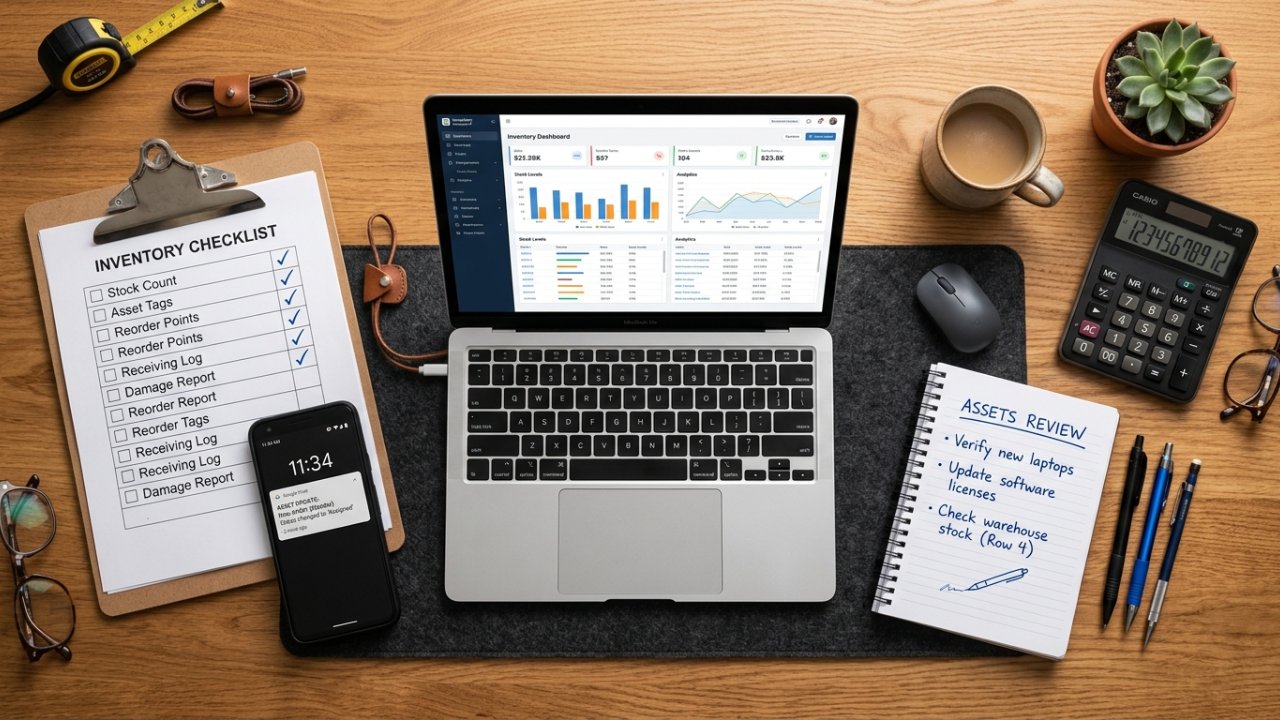
What Strategies Do You Use to Manage Inventory Effectively?
To manage inventory effectively, start by categorizing items using ABC analysis, focusing on high-value products.
Implement demand forecasting to align stock with customer needs, reducing stockouts.
Conduct regular physical audits to verify accuracy.
Invest in inventory management software for real-time tracking and analytics.
Train your employees on best practices to boost accountability.
These steps will streamline your operations, improve accuracy, and enhance overall inventory performance.
What Are the 5 Steps of Inventory Management?
To manage inventory effectively, start with these five steps:
First, assess your current stock levels and categorize items using ABC analysis.
Next, forecast demand by analyzing past sales data.
Third, implement an inventory management system for real-time tracking.
Fourth, set up a regular audit schedule to verify stock accuracy.
Finally, adjust your inventory strategies based on trends and audits, ensuring you maintain ideal stock levels without overstocking.
What Is the 80/20 Rule for Inventory?
The 80/20 Rule for inventory means that about 80% of your inventory value comes from just 20% of your items.
To apply this, identify which products generate the most profit and focus your efforts on them. Regularly analyze sales data to spot these key items, then streamline your stock by reducing less impactful products.
This approach helps you lower costs, improve turnover, and better meet customer demand.
Which Strategy Is Essential for Optimizing Inventory Management?
To optimize inventory management, focus on demand forecasting. Start by analyzing past sales data to predict future needs, which helps prevent stockouts and overstocking.
Implement ABC analysis to prioritize high-value items, ensuring resources are allocated effectively. Consider Just-in-Time (JIT) practices to reduce holding costs and waste.
Finally, regularly audit your inventory for accuracy and use inventory management technology for real-time tracking, enhancing efficiency and decision-making.
Conclusion
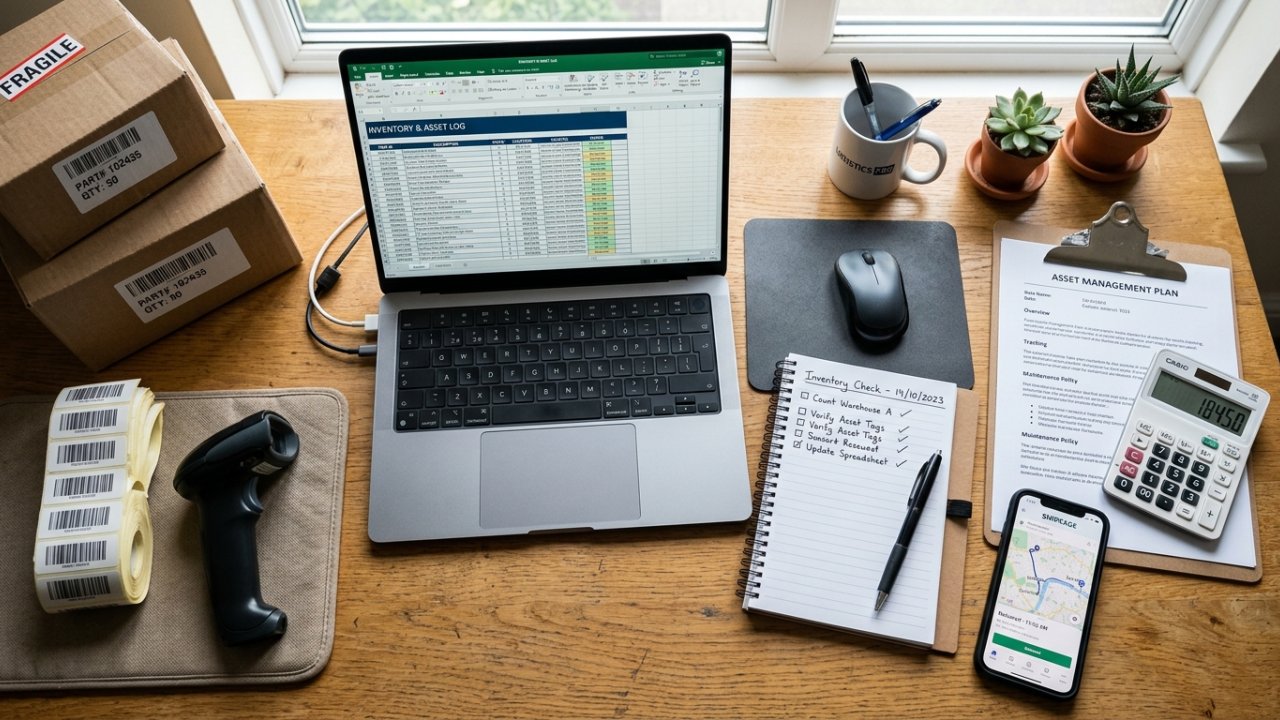
To succeed in inventory and asset management, focus on these seven strategies. Start by categorizing your inventory, then conduct regular audits to maintain accuracy. Invest in technology for real-time tracking, and build strong relationships with suppliers for better deals. Analyze sales trends for efficient restocking and empower your team through training. Ultimately, keep stock levels low to enhance cash flow. By implementing these steps, you’ll streamline operations and boost overall efficiency.
Image via Google Gemini