
New policies, election speculation: What to expect from Burnham’s first Labour conference as PM
-
Published
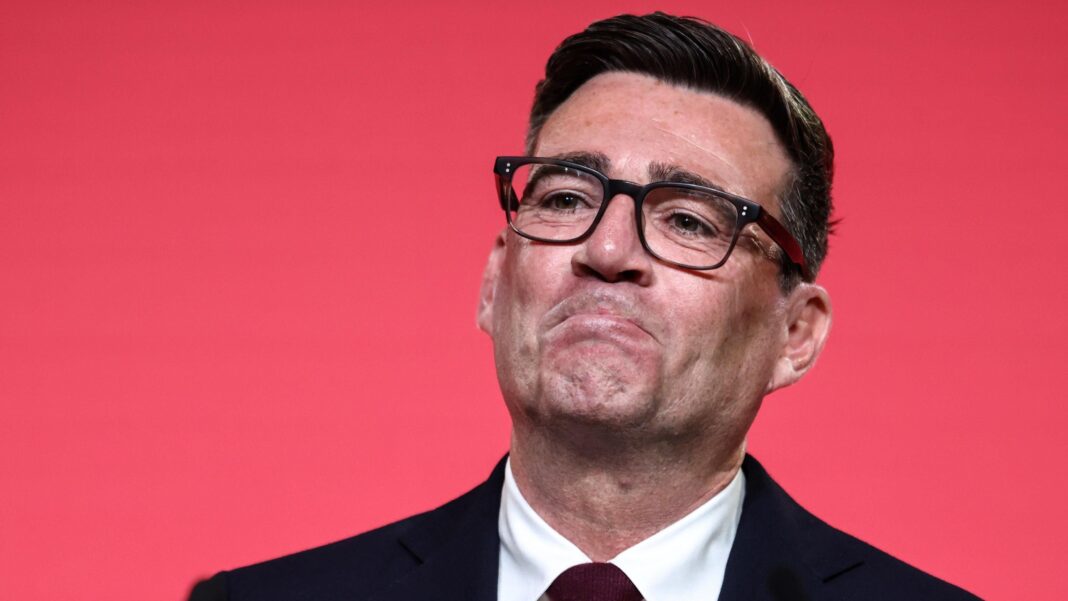
Andy Burnham had plenty to say about where the government – and the country – was going wrong at last year’s Labour conference in Liverpool.
But that was at a fringe meeting on the sidelines of the main event.
Now, as Labour leader and prime minister, he is the main event – and it is down to him to show party members and the wider public that he has some answers.
Earlier this week, he said his debut leader’s speech would leave nobody in any doubt about “what I’m trying to do in this role”.
“People are going to know the direction I want to take this country and I will set it down quite clearly,” he told reporters en route to the UN General Assembly in New York.
An internal No 10 note has set out the broad themes he will explore when he takes to the stage in Liverpool on Tuesday – including setting out long-term solutions to build a belief that the future can be brighter.
The slogan for this year’s conference is “Hope Again”.
So in his speech he is likely to point to his forthcoming 10 Year Plan for the UK – which, he says, will have “making life more affordable” at its core.
As for the specifics of what he will say, some of it will be very familiar to anyone who was listening to his conference fringe speech 12 months ago.
Potential crowd-pleaser
Back then, he declared then that the country had “lost control” of “the essentials” following the Thatcher-era sell off of utilities and that we were all “overpaying for water, housing energy, transport”.
He called for a renewed emphasis on technical education and wanted to see a decade of council house building on the scale of the post-war Labour government.
For a politician frequently denounced for “flip flopping” he has been remarkably consistent in recent times.
He is likely to re-alight on themes from his Labour leadership campaign – saying more about his commitment to greater “public control” – though not necessarily public ownership – of life’s necessities; building national resilience in an unstable world; and investing political capital in the reform of social care.
A potential crowd pleaser would be to tell Labour activists from the main stage what he told them as Greater Manchester mayor from the fringe last year – that he will set up a commission to examine electoral reform.
Such a move would be supported by about a quarter of his own MPs and would tie in with his leadership campaign promise of “a new politics”, focused on “problem solving” rather than “point scoring”.
We are also likely to hear more about getting young people into work or training, with the conclusions of the review by the former Labour cabinet minister Alan Milburn likely to be published soon.
And there is certain to be plenty about his efforts to devolve power away from Whitehall to England’s mayors and the new No 10 North.
The task for Burnham is to meld these snapshots into a compelling and coherent narrative, culminating in a vision of the Britain he wants to see a decade from now.
But there are already worries that this might become a fictional narrative unless he also focuses even more on the here and now.
After all, Sir Keir Starmer’s “decade of national renewal” was binned after just two bumpy years in office.
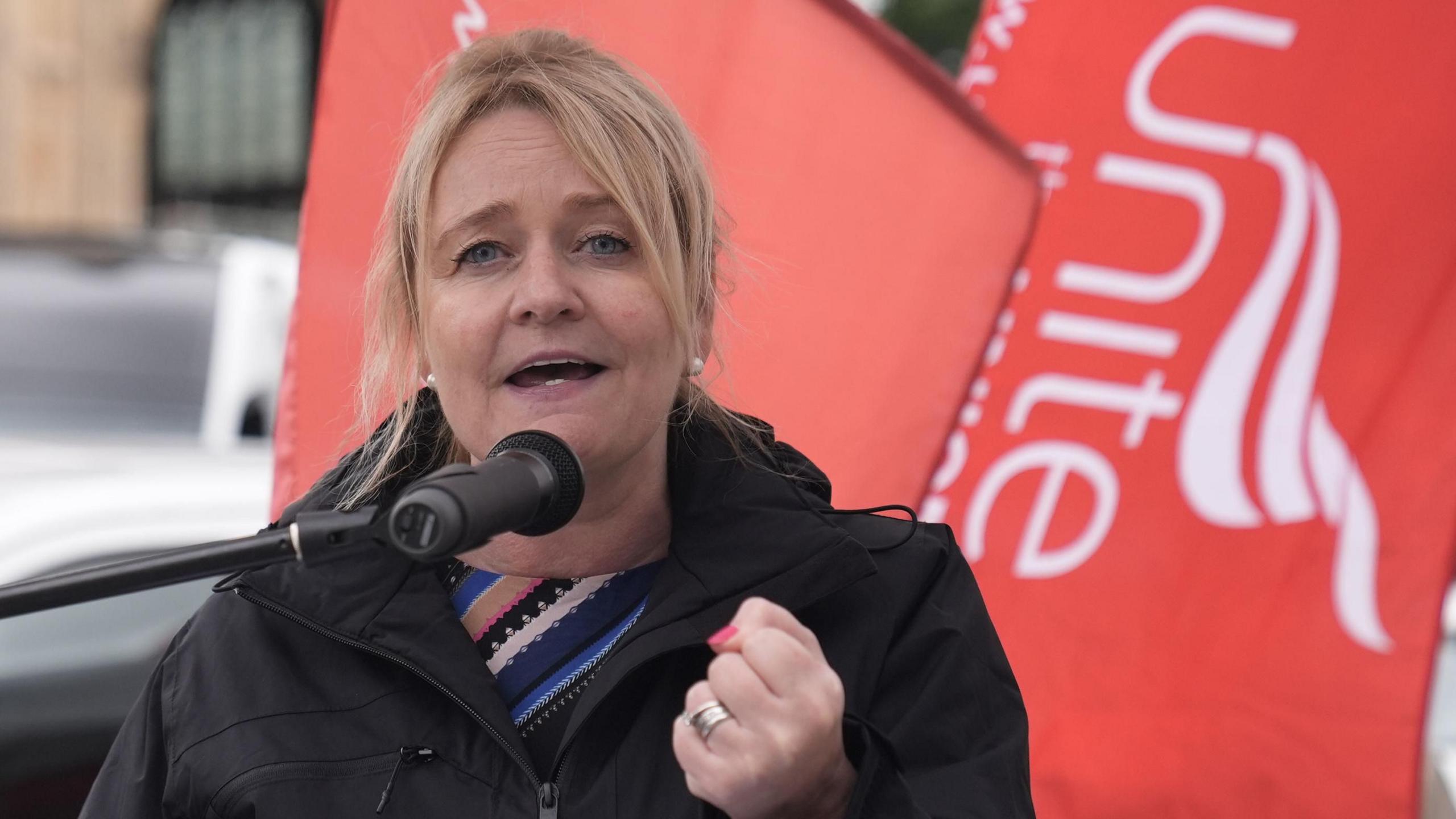 Image source, PA Media
We are told there will be policy announcements on each day of the conference – starting on Saturday.
Each announcement will have to fit in with the PM’s priorities – “putting power in people’s hands” – in other words more devolved powers; “growth in every postcode” – such as investment decisions around the country; and help with cost of living.
Windfall tax?
Party insiders say measures such as removing VAT from electricity bills are just the start of that assistance.
But Labour’s biggest union funder, Unite, wants to see much more robust action on living costs sooner rather than later. The union does not want the promise of jam tomorrow, but some instant sweeteners.
Its leader, Sharon Graham, has called for a “winter fuel in reverse” – a policy from Burnham next week which would be as popular as Starmer’s early removal of payments from many pensioners was unpopular.
The union has put forward a motion which gives the PM plenty of options such as a cap on energy prices and unfreezing tax thresholds – an issue Burnham himself said had come up on the doorsteps when he was campaigning to be the MP for Makerfield.
The union has said revenue can be raised through a windfall tax on banks. The umbrella body for unions, the TUC, has called for an increase in the bank surcharge to subsidise energy bills.
All eyes will be on John Healey’s first conference speech as chancellor on Monday.
With borrowing costs for last month soaring to their second highest level, his room for manoeuvre is limited and he will not scoop his own Budget next month by announcing what is in it.
But Labour activists will be keen to know from his language whether Healey’s Treasury will opt for continuity or will represent a break from the past two years under Rachel Reeves, not just in rhetoric but reality.
Early election?
Some in Labour’s ranks believe Burnham is planning for an early election, with party HQ recently launching “operation second term”, to beef up its campaigning and organising strength.
Burnham does not have to call an election until August 2029 – but going to the country early – perhaps as early as next spring – could deliver him a mandate of his own and free him from the constraints of Sir Keir Starmer’s 2024 manifesto.
Recent polling has suggested that a “Burnham bounce” is real, though not dramatic.
The party has moved from just under 20% in the polls at the end of the Starmer era to around the mid-twenties now.
Ipsos puts its standing as high as 28%, external, while YouGov registers a more modest 23%, external.
Labour strategists will be pleased that Reform UK’s share – 21% in YouGov – is the lowest since January 2025, and that Nigel Farage’s party is now neck-and-neck with Kemi Badenoch’s Conservatives.
One Labour insider told me that Burnham is happy to see a resilient Badenoch, as this blunts Reform support and could point to a split vote on the right at an election.
And new research from YouGov, external suggests that at the all important constituency level, 63-68% of Lib Dem and Green voters would tactically vote for Labour to stop Reform UK winning their seat.
Burnham of course also faces a challenge on the left.
How much of a threat Zack Polanski’s Greens can be in some traditional Labour seats will be tested in the Holborn and St Pancras by-election just a week after the Labour conference concludes.
Downing Street insists that an early election is not being planned.
To say anything else, though, would be to repeat the uncertainty of Gordon Brown’s early months in No 10 when election speculation wasn’t doused – and had become so rife that he was reputationally damaged when he decided not to go to the polls.
But some who have been in regular touch with No 10 tell me they have seen no serious signs that an early election is in the offing.
Burnham appears determined to give his government enough time in office to present tangible achievements to a sceptical electorate.
And with Labour still well below the 34% vote share it captured in 2024, many Labour MPs will be pushing the PM not to cut and run.
So don’t expect the centre point of Burnham’s conference speech to be a message to his MPs to go back to their constituencies and prepare for a loss of some of their seats.
But equally don’t expect election speculation to subside at this conference.
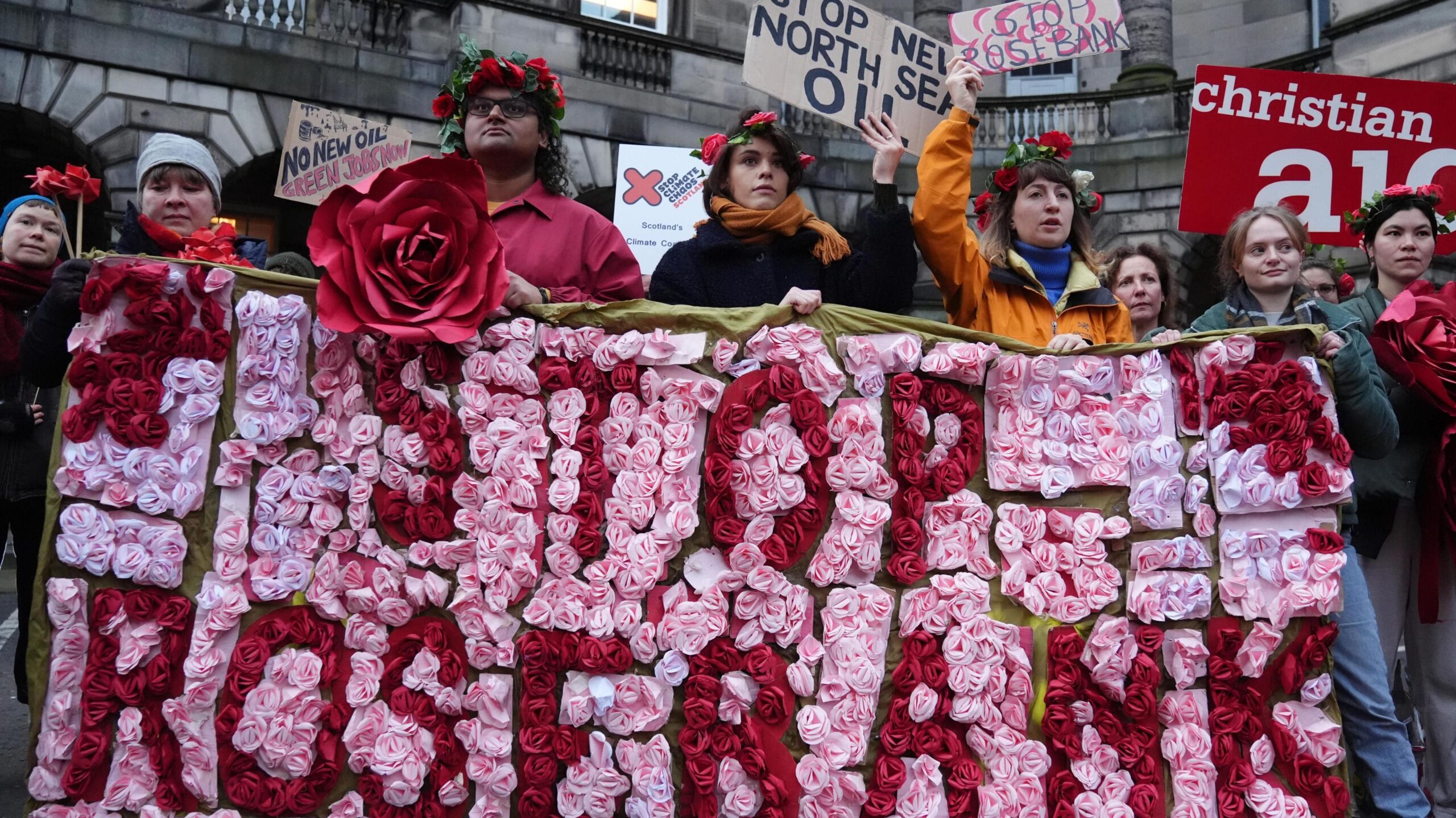 Image source, PA Media
‘Breathing space’
The Labour Party has tried and trusted methods of managing dissent at party conferences, when it comes to votes on party policy.
But the coming week could see a concerted effort by some on the left to push for a complete ban on arms sales to Israel and for Israel’s actions in Gaza to be described by Labour as a genocide.
Those close to Burnham believe he has gained considerable credit by sanctioning the illegal Israeli settlements on the West Bank and won’t need to go further.
There is also some frustration that his government has not yet revised proposals to make migrants wait much longer to gain permanent residency rights, and there are genuine differences over whether the Rosebank and Jackdaw oil and gas fields should go ahead.
But while Burnham is facing some difficult calls, this is not a leader facing a restless party in revolt.
He has offered to give the hard-pressed public “breathing space” amid a cost of living crisis.
And his own party is so far giving him breathing space as leader – largely sighing with relief that it is not Sir Keir Starmer who will be delivering the main address this year.
Senior Labour officials have hailed the forthcoming conference as an opportunity to “show voters a party that is boldly, confidently, and authentically Labour”.
But not too far below the political radar, there are already demands from some in the wider Labour movement to prove it.
-
No ‘switch’ to stop small boats, Lucy Powell tells BBC
-
Published12 hours ago
-

Sign up for our Politics Essential newsletter to keep up with the inner workings of Westminster and beyond.