

Last week, I spent two days at eCommerce Expo at ExCeL London, my first time in the city (and hopefully not the last).
eCommerce Expo brings together retailers, brands, and ecommerce teams to talk about everything from finding customers to getting orders out the door. The expo shared the floor with Technology for Marketing, so it felt like two events at once.
With that much going on, it’s easy to leave with a bag of swag and a blur of buzzwords. With the holiday rush coming up fast, one panel felt especially relevant: Preparing for Peak Shopping Seasons: How to Win Christmas with Chris Hutchins (Audiense), Ellie Bradford (Clearer.io), Naomi Boonin (WPP Media), and James White (Klaviyo).
The idea is simple: Start preparing now for the peak shopping season, so you can serve your holiday shoppers better and give them a reason to come back long after December.
The problem with “set it and forget it”
Peak season isn’t a great time to put your store on autopilot. What people search for, which products are selling, where shoppers hesitate, and what they complain about can all change quickly.
The speakers discussed a habit many of us know: you set something up for the holidays, let it run, and don’t really watch it. The campaign goes live, the site stays as it is, and you check back in January.
Their alternative starts with something you already have: last year’s data.
Your customers have already left you clues
The speakers pointed to two useful places to start: onsite search data and customer reviews. These show what customers are looking for in their own words.
Here are three signals to look for:
- Top searches: What people wanted most. Make sure those products are easy to find, in stock, and front and center.
- Zero-result searches: What people looked for and didn’t find. Every one is a lost sale and a clue about a missing product or a naming mismatch.
- Review data: What customers said after they bought. If “shipping took forever” came up again and again last December, you know what to address this year: put clear cut-off dates and delivery expectations on your site before anyone has to ask.
Nothing here needs a new tool. Start with the data you already have, and follow the clues: the unexpected search term, the product someone couldn’t find, the review you wish you hadn’t received.
Don’t bring a sledgehammer to Q4
Q4 is loud. Every brand is in every inbox and every feed. Keep filling their inbox with more of the same, and the next click may be “unsubscribe.”
The speakers’ advice was to be selective: prioritize the channels where your customers actually are, and make the message personal. Blasting everywhere might win a sale, but it rarely wins loyalty.
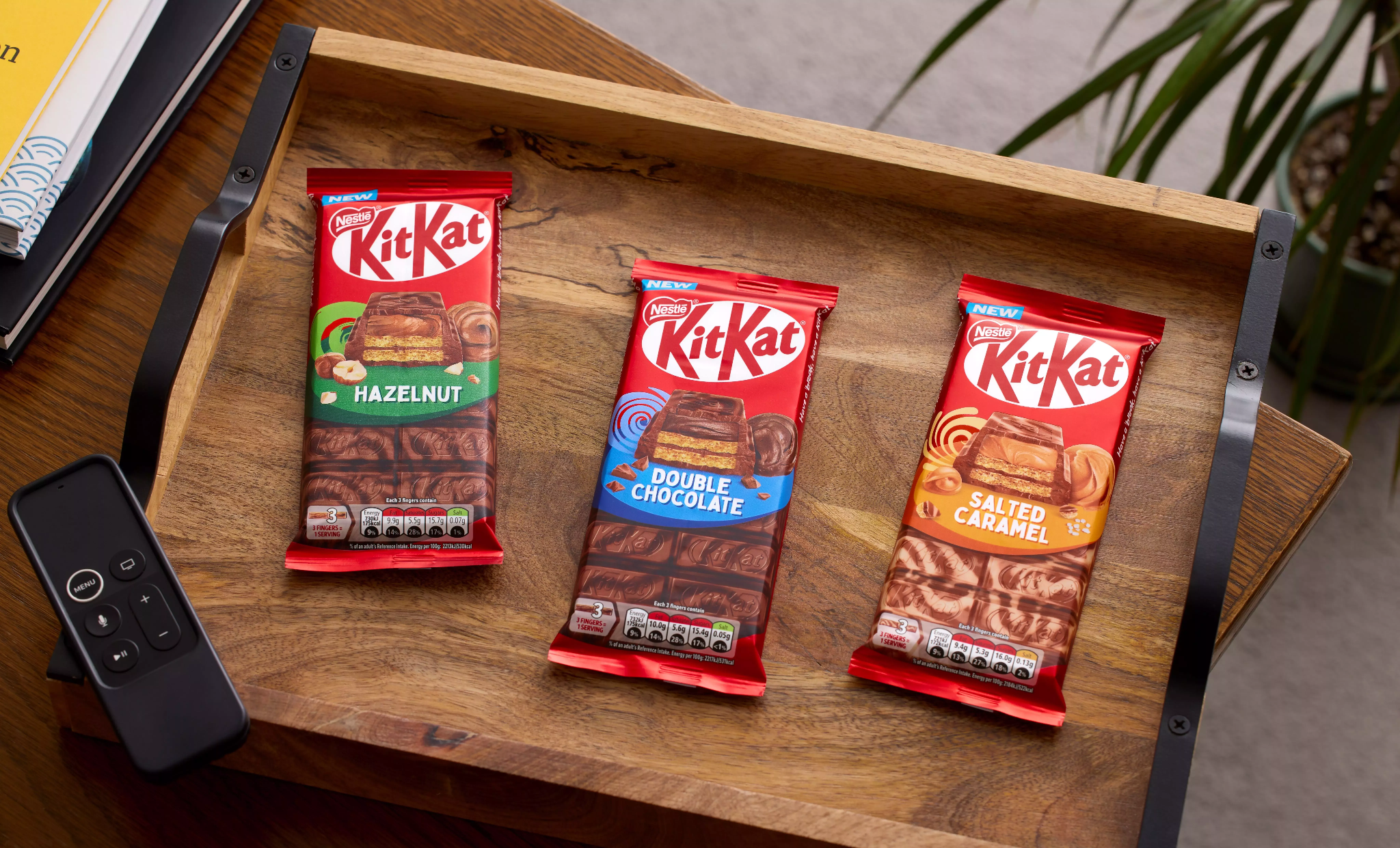
To show what that looks like, they used KitKat’s sharing bar launch as an example. Nestlé built it around one clear, human idea – shared moments with friends and family – and the whole team pulled in the same direction. It was focused, playful, and memorable.
The holiday shopper is a different shopper
Your holiday visitor may not be your regular customer. They’re probably buying for someone else; they may not know your brand, and they’re short on time.
This part landed hardest for me – just how little context a gift buyer may have. They might not know your brand, the product category, the right words to search, or even exactly what the person they’re buying for would choose.
Our panel provided an example of shopping for a coffee-loving relative. You know you want to buy them something they’ll love, but you may not know the name of a particular coffee press. That’s when clear gift collections, categories, and filters really matter.
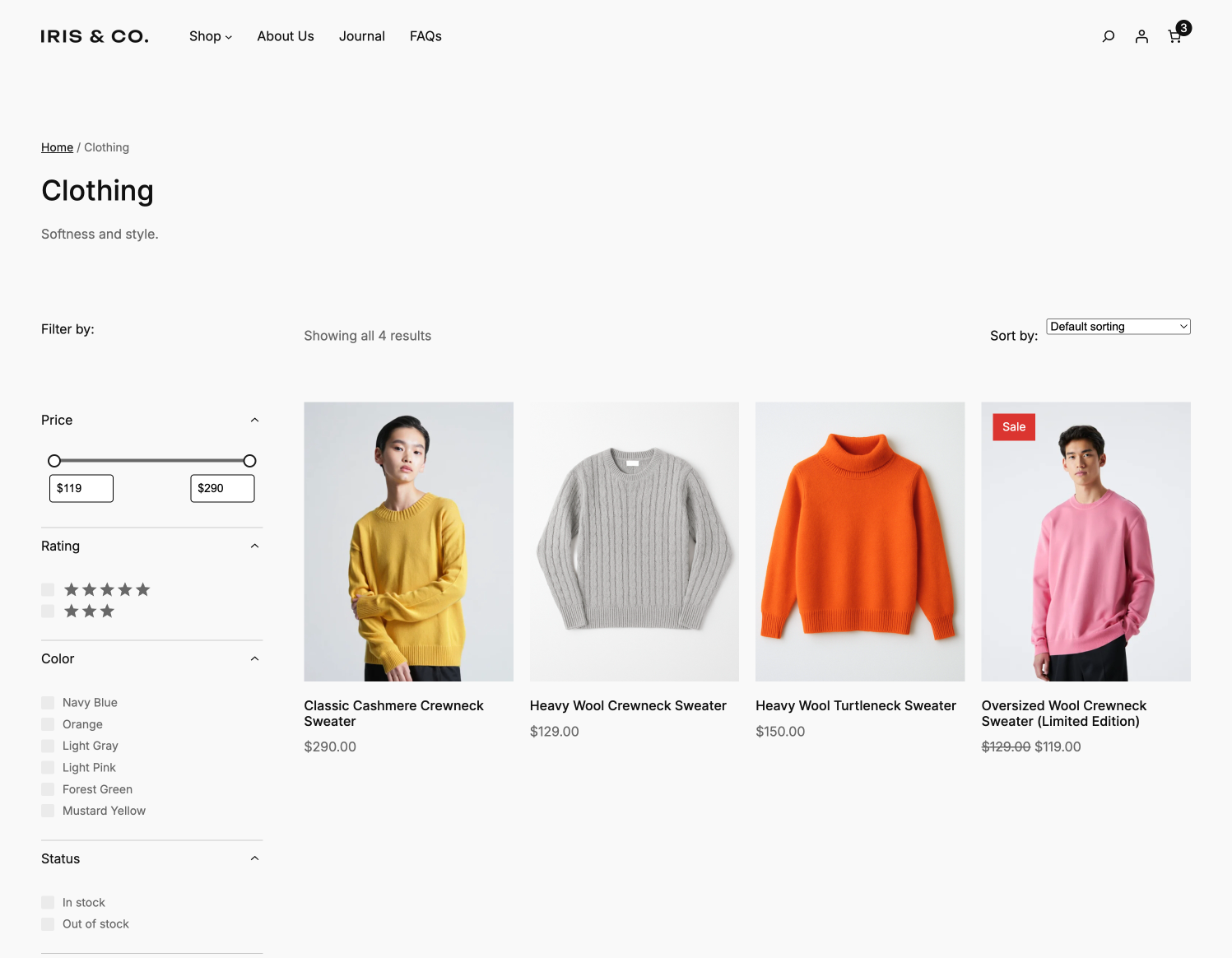
So design for them. A gifting collection filtered by price (“gifts under $25,” “under $50”) gets them straight to what they came for. On a WooCommerce store, product collections and filters make this quick to set up.
A fast, easy on-site experience during the busiest shopping weeks of the year might be what turns a one-time gift buyer into a repeat customer.
Get curious before you get busy
The theme running through the whole session was curiosity: What drives your shopper? What are they worried about? What would make their day easier?
Curiosity helps both sides: customers find what they need, and merchants earn trust that lasts past the holidays. The speakers also reminded us that small human touches, like a handwritten note in the box, still matter a lot.
London was a beautiful, easy city to love, and I’m already planning my return. But the thing I brought home was a notebook full of ideas and one question for every merchant I talk to this season: what is your data already telling you?
If you’re getting ready for Black Friday, start with your search bar and your reviews and choose one thing to improve.