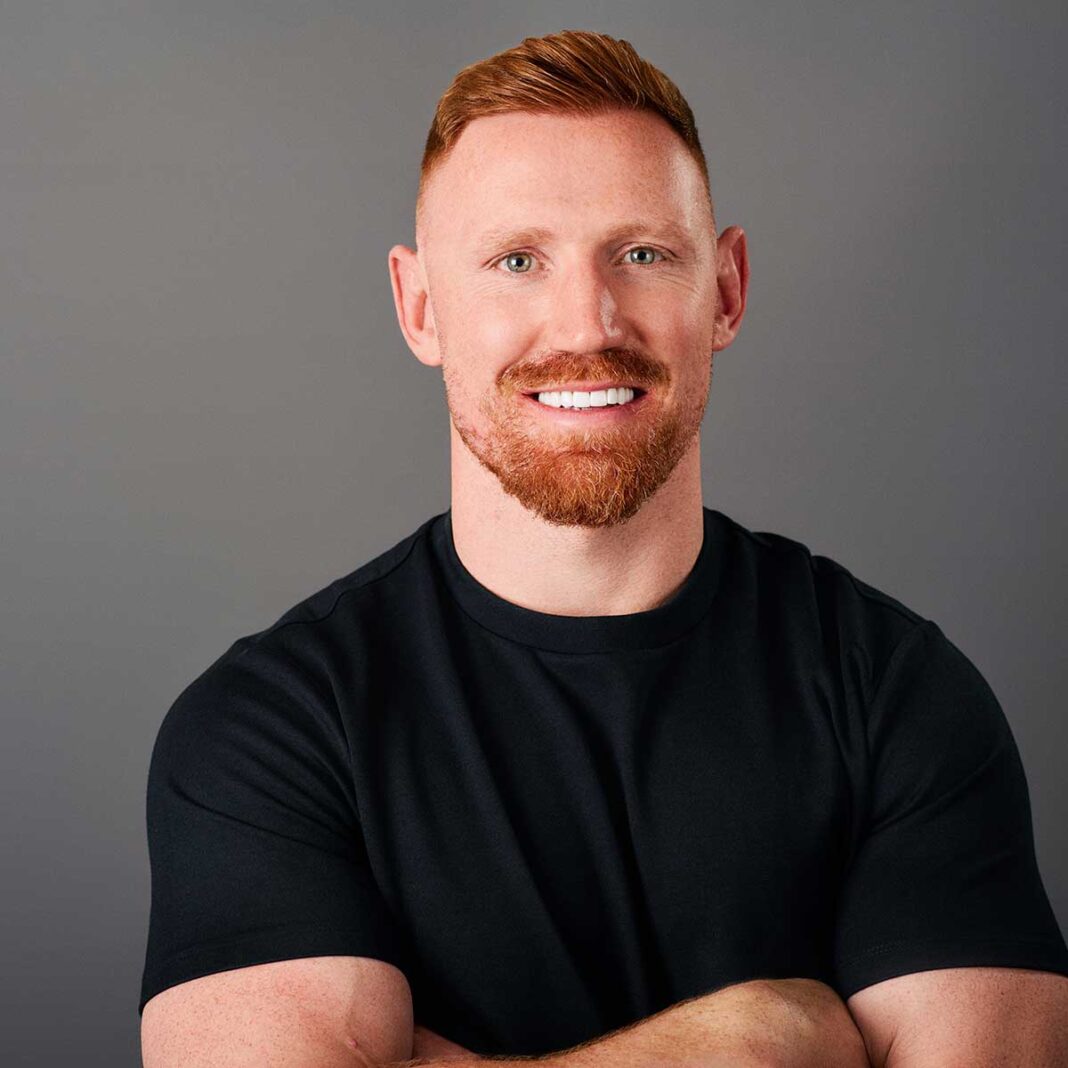

James Laithwaite is co-founder and chief operating officer of FuelHub, the high-protein meal prep company he started in 2019 with Michelle Laithwaite after injury ended his rugby league career as a Warrington Wolves second-row.
In June 2026 the business was ranked seventh in the North West in The Sunday Times 100 list of Britain’s fastest-growing private companies, with three-year sales growth of 98.69 per cent, and in September it launched FuelHub JNR, a range for children aged four to 11. Every meal is made, packed and dispatched from its site in Warrington.
He tells Business Matters why growth is the easy part to talk about, and the hard part to get right every week.
What do you currently do at FuelHub?
As co-founder and COO, I am responsible for overseeing FuelHub’s operational and budgetary supervision for the commercial kitchen, implementing process improvement strategies, dealing with suppliers and managing orders.
We run a fully vertically integrated model, so every meal we sell is made, packed and dispatched from our headquarters in Warrington. That gives us control, but it also means there is nowhere to hide.
We now produce 30,000 meals a week, so most of my time goes into making sure growth does not come at the expense of quality. Scaling is easy to talk about. Doing it well every single week is the actual job.
What was the inspiration behind your business?
The idea came from a simple frustration. Eating well took more time than most people had. Michelle and I could see plenty of people who cared about their health and training but were too busy to plan, shop and cook around it. Shakes and supplements filled part of the gap, but they never replaced a proper meal.
We started FuelHub in 2019, when I was forced to retire from professional rugby, with £20,000 in savings and an £800 website, cooking meals built around specific nutritional goals that did not taste like a compromise.
Elite athletes were our first customers. Over time, we realised the same need exists for everyday high performers: anyone balancing work, training and family. Good food should not depend on having spare hours.
Who do you admire?
Michelle, first and foremost. Running a business with your partner is not always straightforward, and she has carried more than most people will ever see. She launched FuelHub during one of the busiest periods of our lives, even going into labour the day we launched the business, and her standards still set the tone for the whole company.
Beyond that, I admire the athletes and teams we work with. Spend time around elite sport and you notice that performance rarely comes from big moments. It comes from repeating the basics well, day after day.
I also have a lot of respect for the Northern producers we partner with, like Ribble Farm. They have built their businesses on consistency rather than noise.
Looking back, is there anything you would have done differently?
I would have invested in senior people earlier. In the early years, Michelle and I tried to do almost everything ourselves, partly out of necessity and partly because it is hard to let go of something you have built. That works for a while, but eventually it slows you down.
Over the last 12 months, we have brought in experienced hires across commercial, technical and product, and the difference has been noticeable. Decisions happen faster and the business relies less on the two of us.
If I am honest, we could have made some of those calls sooner. You do not need a big team early on, but you do need the right one.
What defines your way of doing business?
Control and accountability. Because we make, pack and deliver everything in-house, we own the outcome from ingredient to doorstep. If something goes wrong, it is on us, and that shapes how every team works.
We run a zero-waste food model and use recyclable, biodegradable packaging, because growth that creates more waste is not the kind we want.
We are also proud to be a Northern manufacturer. The region gives us a deep pool of talent and exceptional suppliers, and it reflects the resilience we try to build into the business. None of it is glamorous. It is just doing the right things, repeatedly.
What advice would you give to someone starting out?
Start smaller than you think you need to and get closer to your customers than feels comfortable. We launched on a tight budget, which forced us to listen carefully and spend only on what made a difference. That discipline has stayed with us through the kind of growth we could not have imagined when we started.
Growth brings its own pressure, though. The decisions get bigger, and the cost of getting the basics wrong rises with them. Protect your energy, build systems early and ask for help before you need it.
Nobody gets this right straight away. The founders who last are the ones who keep adjusting.