
Gruffalo illustrator considering legal action against AI firms
-
Published
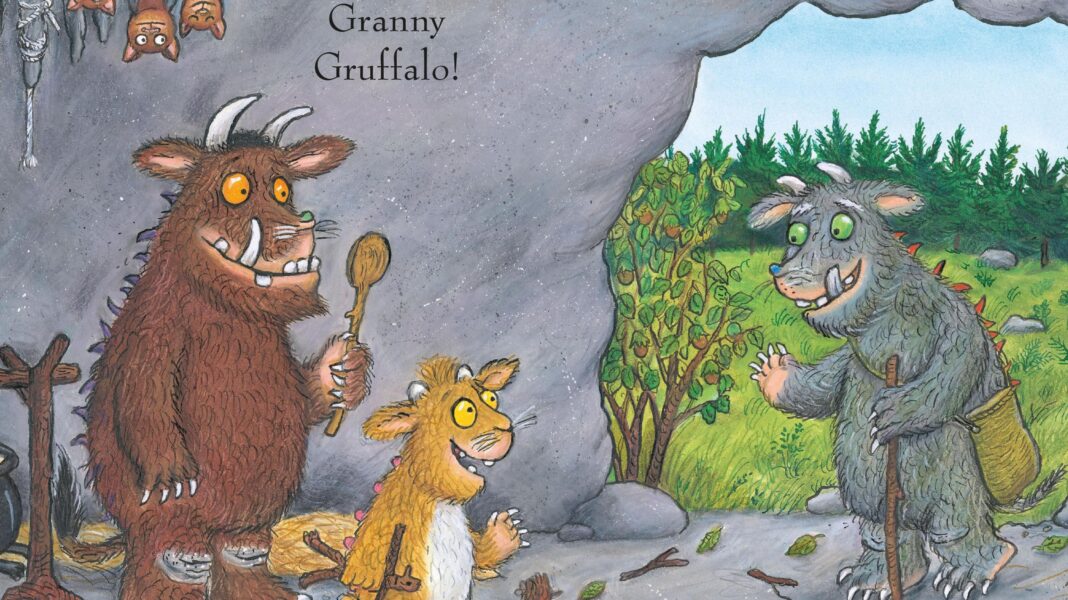
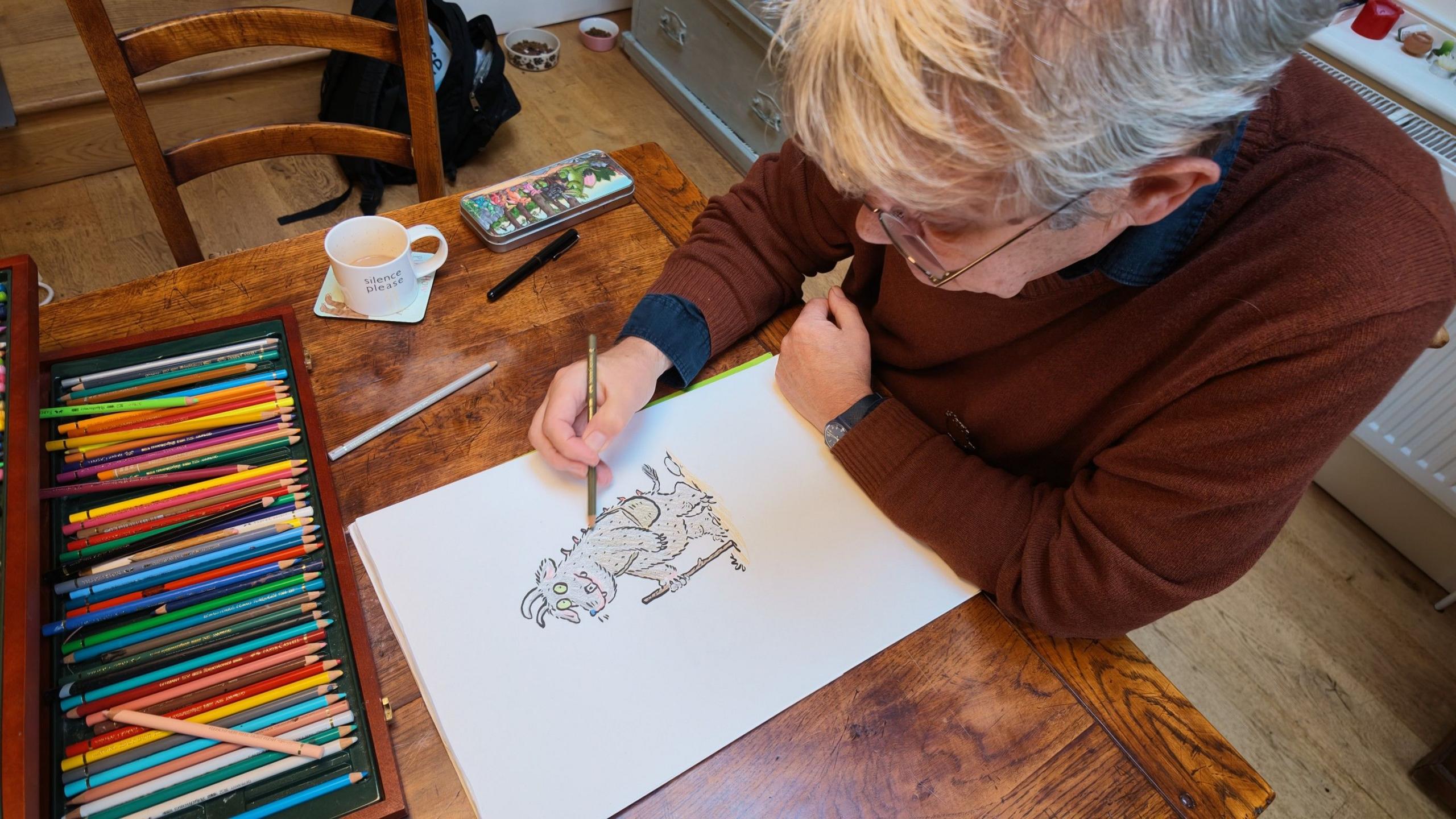
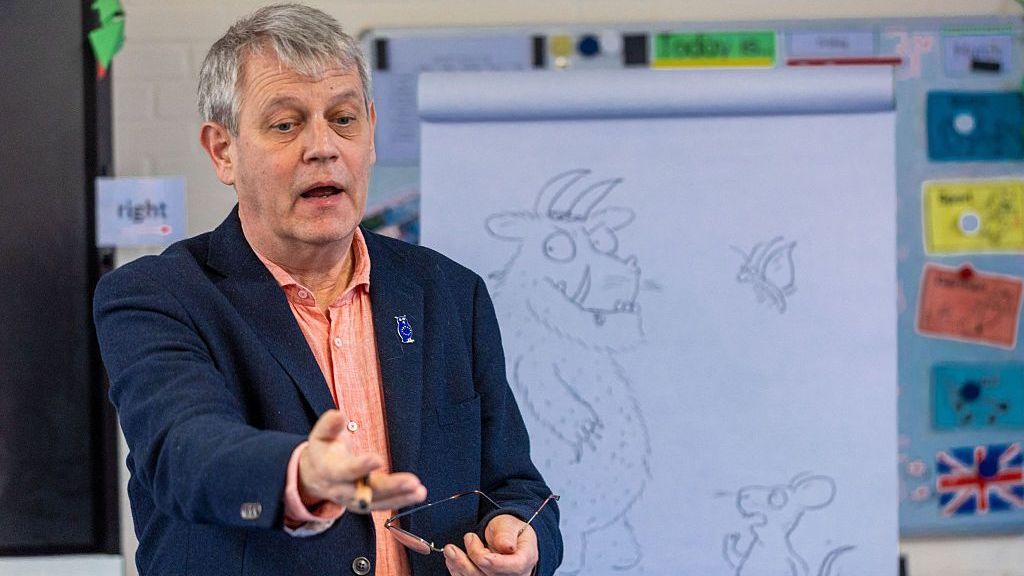
The illustrator behind the popular children’s book The Gruffalo has told BBC London he is “seriously considering” launching legal action against artificial intelligence (AI) firms he says breach copyright in reproducing his work.
Axel Scheffler, whose illustrations have captivated children since 1999, said he wanted AI companies to stop using artists’ work without permission.
The Gruffalo, written by London-born children’s author Julia Donaldson, tells the story of a mouse who outsmarts a beast.
“I’ve been in touch with a lawyer in Germany,” Scheffler said.
“There have been illustrators taking legal action against AI companies and I’m seriously considering it. I just want them to stop.”
The south London-based artist did not name a company his legal team would consider pursuing.
AI firms have previously argued that using copyrighted material to train their models does not necessarily constitute copyright infringement.
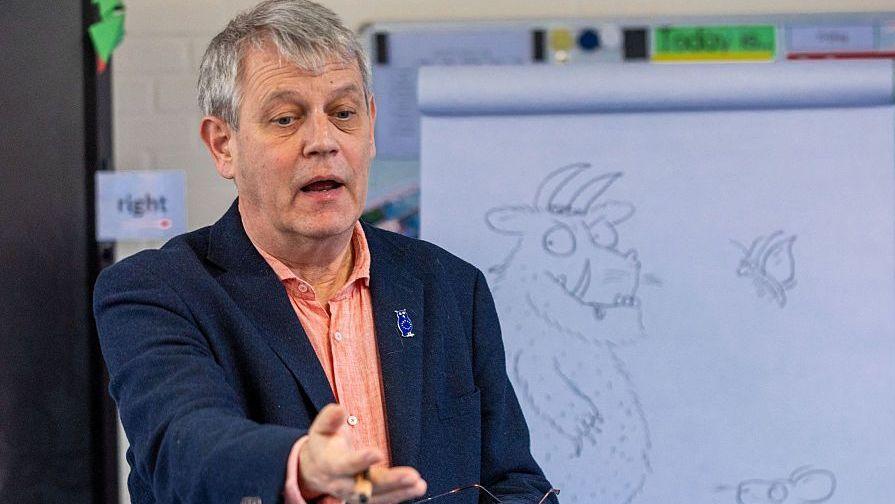 Image source, Getty Images
Scheffler, who does not own a smartphone, said he tried to ignore AI until someone showed him how his most famous creations had been digitally recreated in locations such as Silicon Valley and Oktoberfest.
“I was quite shocked. It’s clearly my mouse, my Gruffalo, as close as they can do it, but the rest of the image is completely created – it’s a clear theft of copyright,” he told the BBC.
Scheffler is considering launching the legal action in Germany because he believes the European Union is more creator-friendly.
Nick Buckland, an intellectual property lawyer at London firm Lewis Silkin, agreed that Germany could offer a route for creators seeking to protect their work.
“There have been two cases in Germany where music collecting societies have been able to win against AI companies by showing that those AI companies have copied lyrics of songs verbatim and have presented them,” he told the BBC.
But proving copyright infringement could be difficult, he said.
While having a distinctive character such as the Gruffalo could help Scheffler’s case, he would need to establish that his copyright had been infringed.
“Generative AI doesn’t copy, it trains,” Buckland explained.
“This is what AI companies say means that they’re not infringing someone’s copyright.
“For example, if someone wants a picture of a dog, what the AI machine does is it scans everything it’s trained on, millions of pictures of dogs, and then one gets presented to the user.”
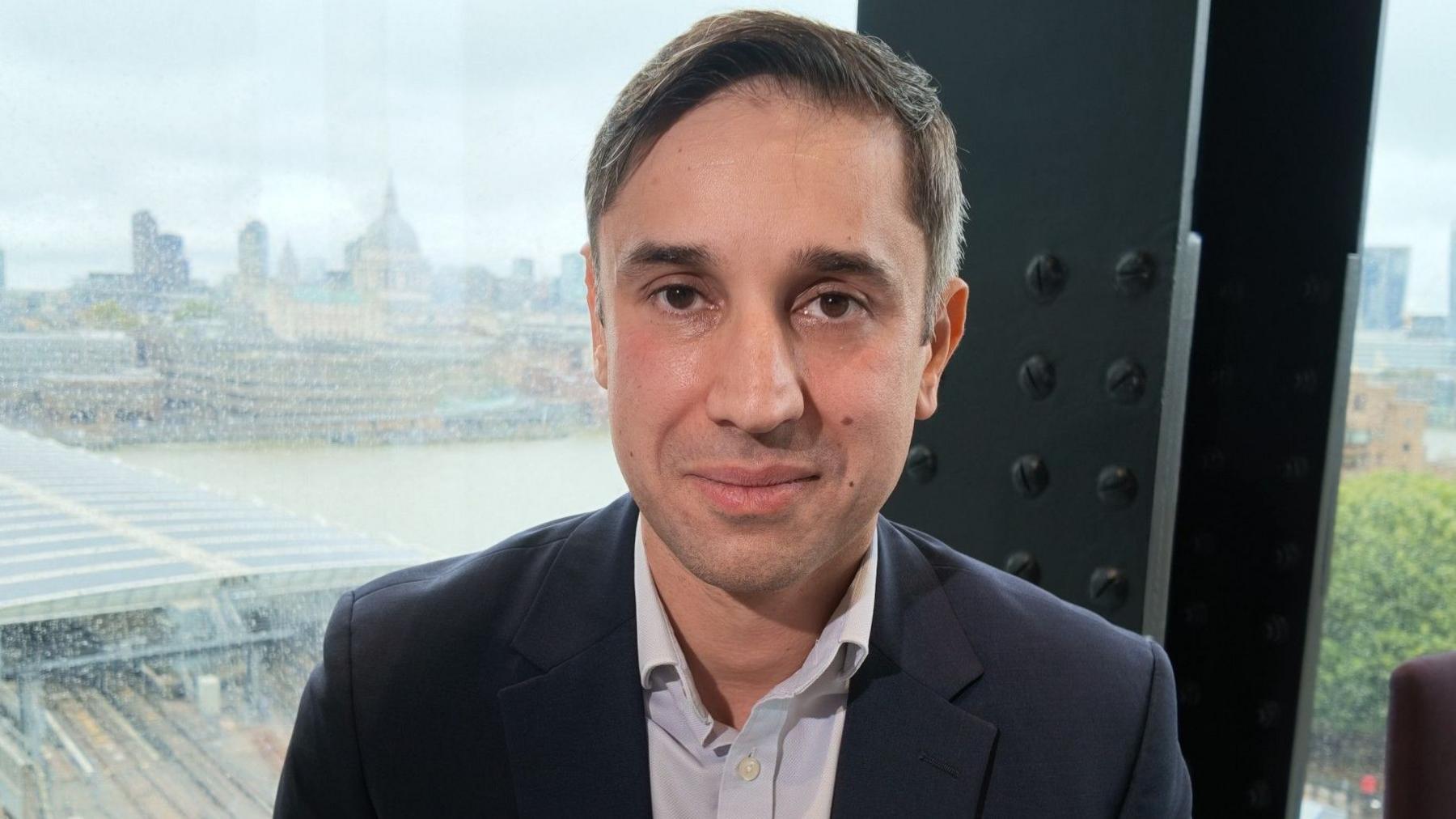
OpenAI, the company behind ChatGPT, is already being sued by German publishing group Penguin Random House, together with author and illustrator Ingo Siegner.
The allegation is that OpenAI copied the children’s book character The Little Dragon Coconut (Der kleine Drache Kokosnuss)
Whether the AI company has breached copyright law will be decided by the Munich Regional Court in spring 2027.
Carina Mathern, children’s and young adult books publisher and member of the management board of Penguin Random House publishing group, said: “Through this lawsuit, we… want to help ensure that copyright remains effectively protected in the age of artificial intelligence and that fair conditions are secured for creative professionals.”
An OpenAI spokesperson said: “We’re having productive conversations with rightsholders around the world about supporting creativity, including fan art, while protecting intellectual property and taking appropriate action in response to copyright complaints.”
The California-based firm said its models were trained in various sources and that copyright holders could submit disputes directly with them.
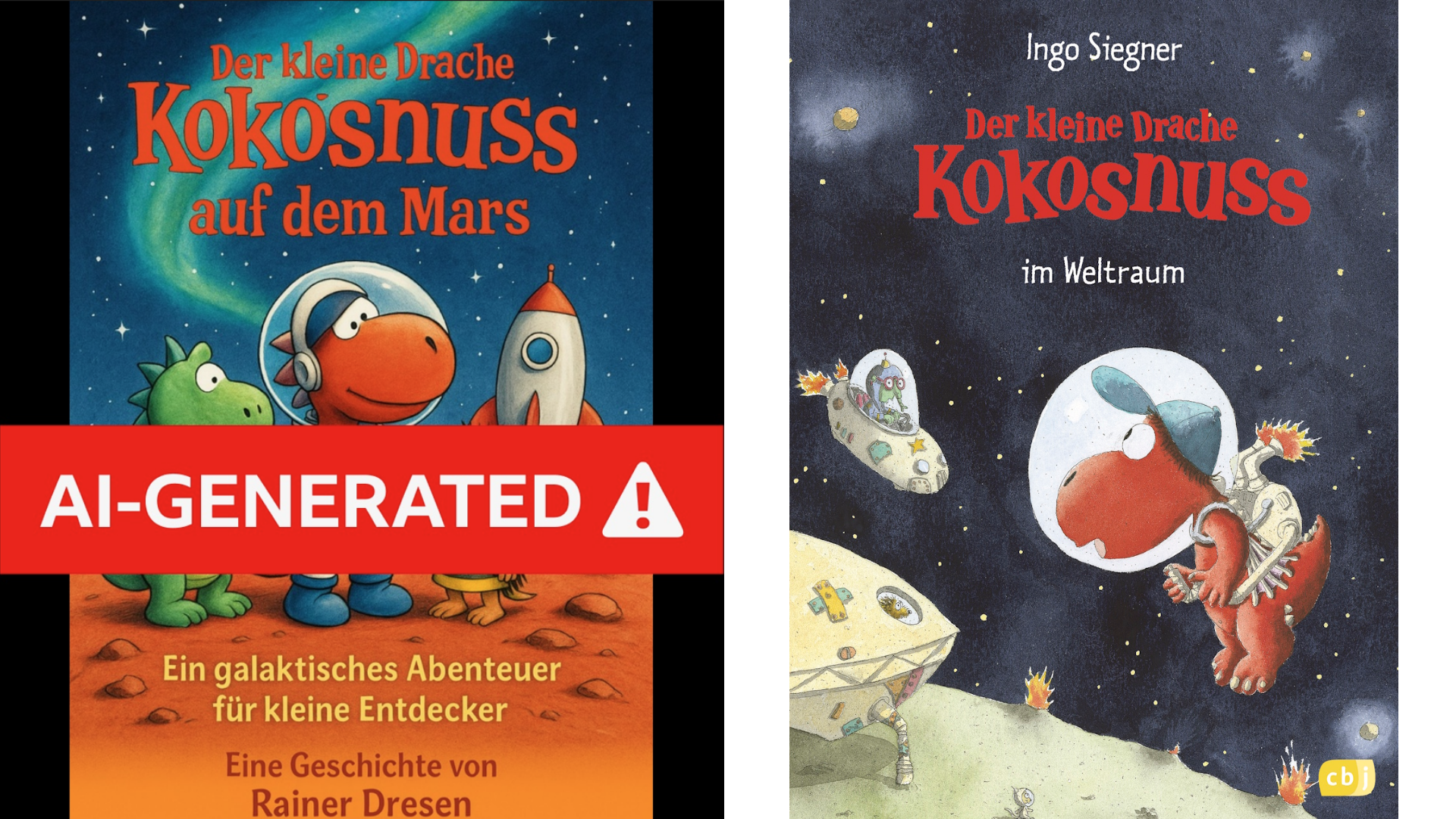 Image source, Coconut the Little Dragon/Ingo Siegner/Penguin Random House Verlagsgruppe
For Scheffler, the issue goes beyond the work of an established illustrator whose Gruffalo books have sold more than 18 million copies worldwide.
He said any legal action would not be about compensation, but about protecting creators now and in the future.
Other artists also fear the possible impact of AI on their livelihoods.
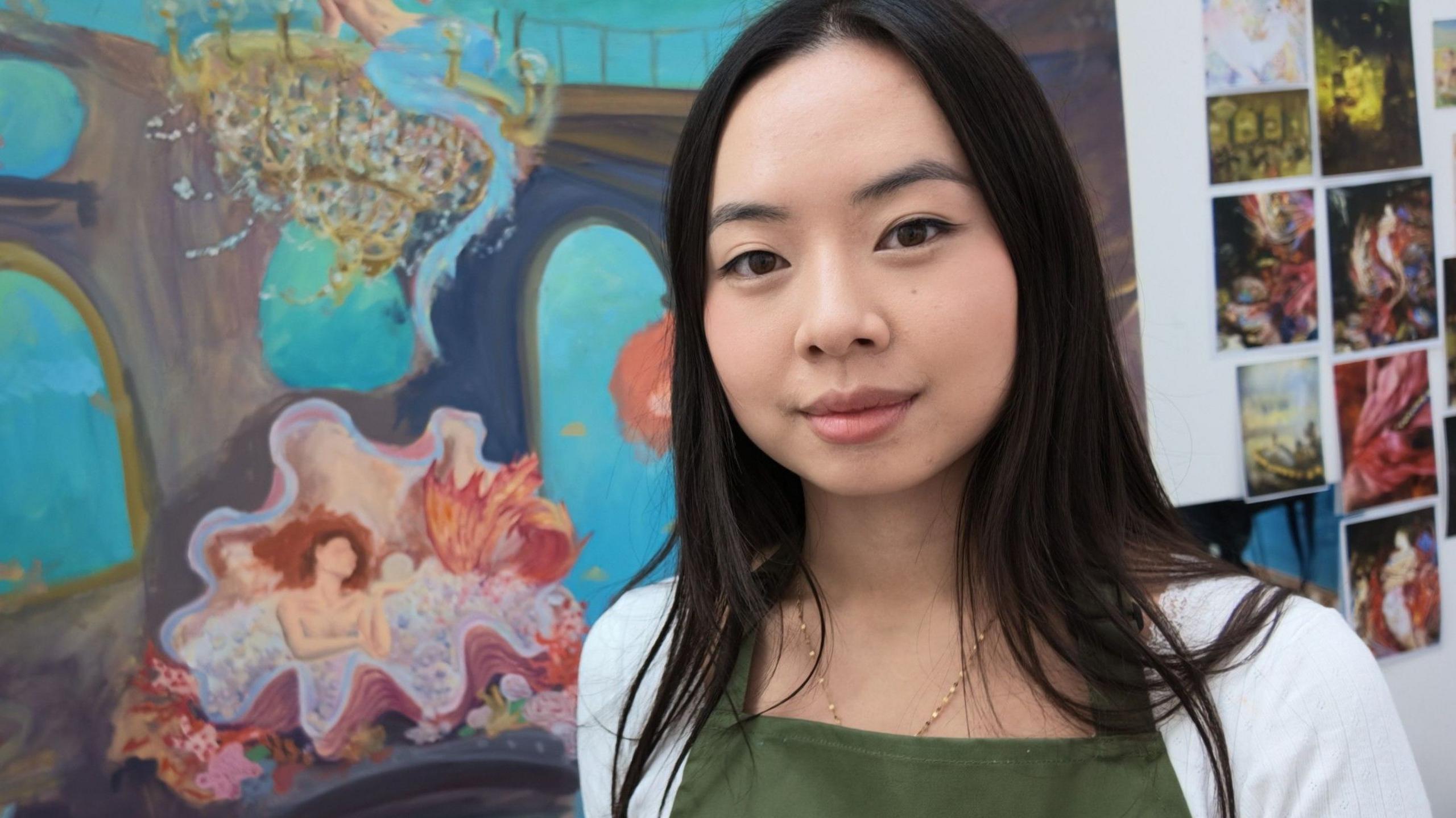
Ivy Deng, who is doing a master’s degree in painting at the Royal College of Art, said: “In terms of regulations, I don’t feel protected about the fair use of my art.”
“In terms of the art industry and the people who support art, I have faith that they understand that there is a difference between the process and the perspiration behind developing an art practice and creating something by hand and replicating something in one moment,” she added.
Prof James Coupe, head of the college’s Artificial Intelligence programme, welcomed Scheffler’s contribution to the debate.
“We tend to frame this debate as a choice between embracing AI and rejecting it, but that misses the more important question of who gets to shape these technologies and whose interests they serve,” he said.
“Art has a vital role here, not because artists should become technology developers, but because artistic practice should challenge the assumptions, values and forms of power that technology often asks us to take for granted.”
Last June, the UK government announced £2bn of investment in AI by 2030 “to harness the transformative potential”.
Buckland said the government needed to strike a balance between protecting creative industries and allowing AI to develop.
“It seems pretty clear that in order for the AI investment to be maximised, you need to open those floodgates,” he said.
“The government has a difficult choice to make. It’s trying to find a middle ground.”
The government said it did not accept that backing the creative industries and supporting the AI sector were mutually exclusive.
A Department for Culture, Media and Sport spokesperson said: “We have engaged extensively with creatives, AI firms, industry bodies, unions, academics and AI adopters.
“Copyright laws must protect the UK’s position as a creative powerhouse while unlocking the extraordinary potential of AI-driven innovation to grow the economy and improve British lives.”
Even so, Scheffler and his publishers are still discussing the possibility of legal action in his native Germany.
For the illustrator, the value of the work itself remains central to the debate.
“AI can never replace the hand-drawn image,” he said.
“There’s always something lacking. I recommend drawing by hand and being old-fashioned, and hopefully that will be more appreciated when AI takes over.”
Listen to the best of BBC Radio London on Sounds and follow BBC London on Facebook, external, X, external and Instagram, external. Send your story ideas to hello.bbclondon@bbc.co.uk, external
-
-
Published11 October
-
-
-
Published21 October
-
-
-
Published12 March
-