
‘Dad dragged me out of bed by my hair to work’ – rural abuse victims want more support
-
Published
Warning: This story contains content that some readers might find distressing
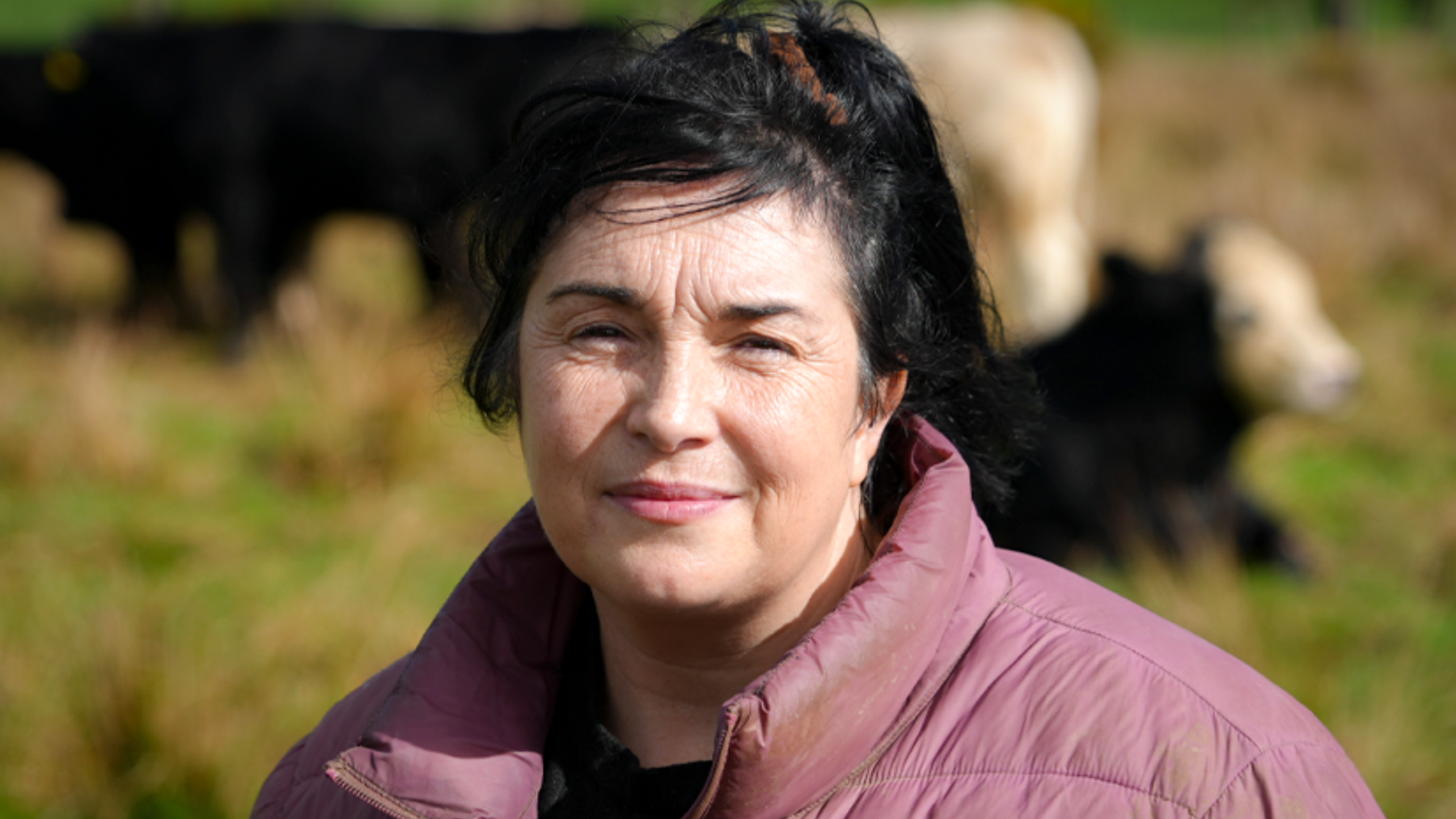
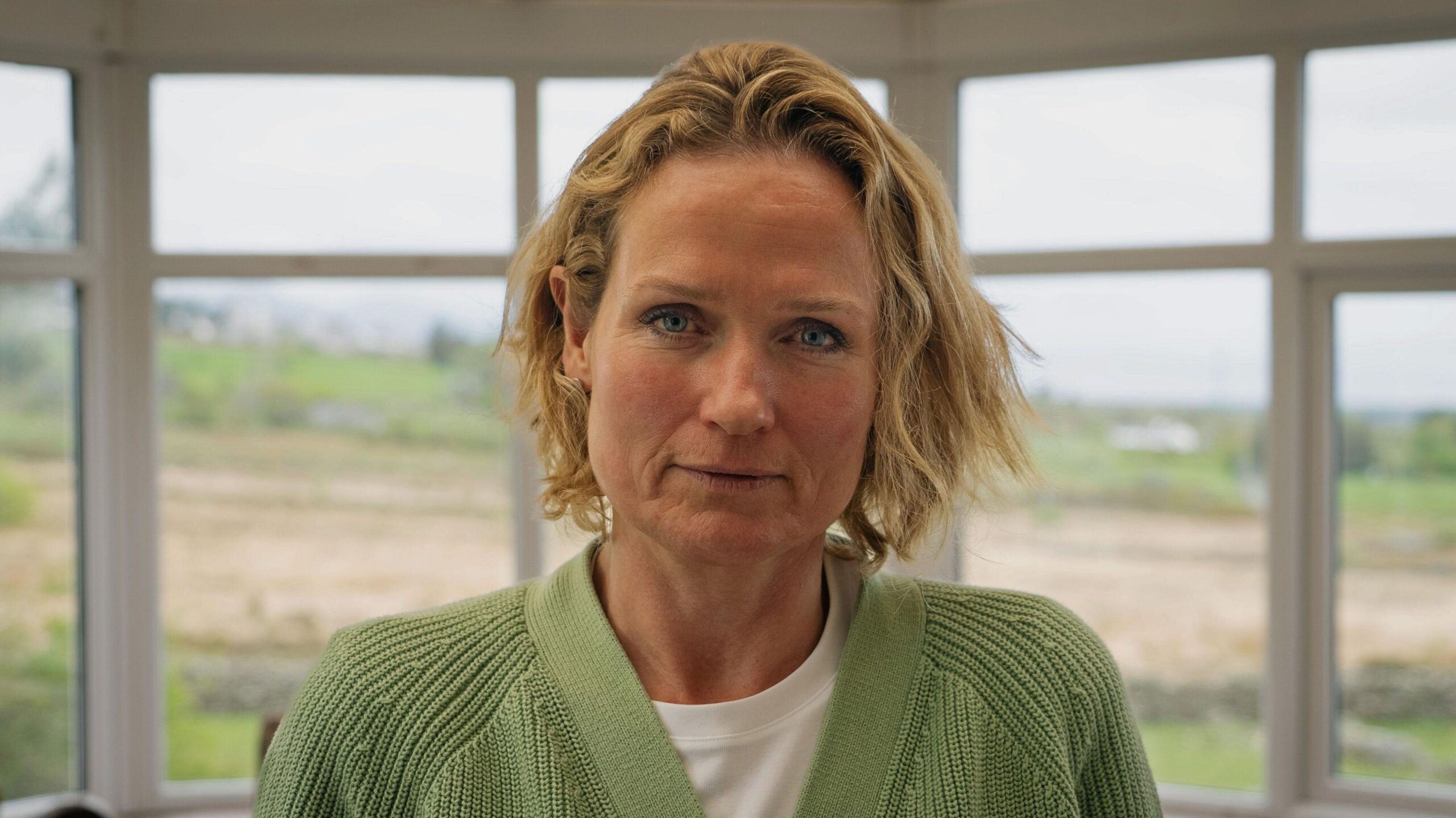
Growing up on a farm, Tracy Lewis loved being around its animals but said the physical and emotional abuse from her farmer father was “torture”.
When she was eight, she recalled her dad pulling her out of bed by her hair to go lambing as her mum told her “you have to get the lamb out or we’re both going to die”.
Tracy, now 48 and a farmer herself, and other domestic abuse survivors are calling on governments to better support victims in rural areas.
The UK government said it was working to address disparities while the Welsh government said challenges will be considered in its next national strategy.
Tracy’s family have given their permission to the BBC for her to share her story.
“I remember my father pulled me out of bed by my hair to go and lamb a ewe,” she recalled of her childhood in mid Wales.
“I walked past the bathroom and my mum’s face had blood all over it and her nose was squashed, she’d been crying. She said to me, you have to get the lamb out or we’re both going to die.”
To play this video you need to enable JavaScript in your browser.
This video can not be played
Tracy said the animals would sometimes be used as a form of control or a catalyst for abuse.
“I was getting beaten up when something died, my mum was getting hurt when an animal was poorly,” she recalled. “It felt like slavery, we loved the animals and farming but we were isolated and stuck.”
Tracy, who was raised at the farm in Llanbister in Powys, was often so petrified she considered calling Childline.
“The farming world is the best place to be, neighbours will always help you out but abuse can be hidden very easily,” said the mum-of-three.
“Everyone knows everybody, but what goes on behind closed doors will stay behind closed doors.
“For me it was terror and horror, my mum got the worst of it and she tried her best to protect us. But she was totally isolated, the farm was her life.”
She said farmers often had generational businesses and relied on markets and trade with others, and that raising abuse could affect livelihoods.
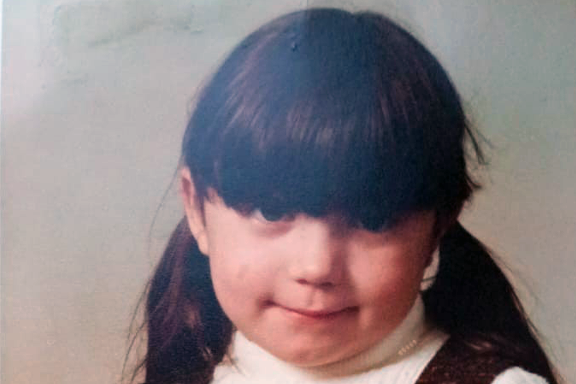 Image source, Tracy Lewis
Tracy said her father, now dead, financially abused her, stating that the farm would be passed down to her.
She said she had worked on it for 20 years and had paid rent to him.
After finding out it was not left to her in his will, she said she had to “fight” to retain ownership of it.
Tracy is one of about 11 million people living in rural areas – more than 15% of the UK population.
The National Rural Crime Network says the true picture of rural abuse is often hidden, with survivors often having more barriers to reach support.
I Was Held Hostage at Gunpoint
After leaving an abusive relationship, Rhianon spent eight hours bargaining for her life while her ex-partner held her hostage at gunpoint. Captive in her own home, in a remote part of north Wales, this is the story of one woman’s survival.
One smallholding owner said her rurality enabled an ex-partner to hold her at gunpoint for eight hours with no-one to hear her screams.
Rhianon Bragg said she had screamed when ex-partner Gareth Wyn Jones ambushed her with a gun in north Wales in 2019 but knew that no-one would hear her because she lived rurally.
“There were several moments that night when I thought I wouldn’t see my children again,” she recalled.
Rhianon has spoken in-depth about her experience at her smallholding in Gwynedd as part of a new BBC iPlayer series It Happened To Me.
She has since worked with the police to try to address domestic abuse and stalking in rural areas.
“Domestic abuse changed our home from a place of peaceful seclusion to a place of vulnerable isolation and what I experienced was the additional barriers that living rurally created,” said Rhianon.
To play this video you need to enable JavaScript in your browser.
This video can not be played
She said all UK and Welsh government domestic abuse policies should be “rural-proofed” and highlighted issues such as internet connectivity and distance from police stations.
“There is so much that should be addressed for people to be treated evenly, and at the moment, if you live rurally you’re on the back foot,” said Rhianon.
Tracy urged victims to speak up, and a policy overhaul.
“Tell someone, a friend, a neighbour, once you start telling people, things will move,” she said.
A report by the UK’s first working group focused on rural inequality and domestic abuse said victims were being failed.
As part of a 12-point plan, the report published in May by Rural Initiatives Tackling Abuse (Rita) recommended the UK government establish a parliamentary commission on rural domestic abuse and “rural-proof” government strategies.
The Domestic Abuse Commissioner for England and Wales welcomed the report and said the realities of rural life for victims could be “frequently weaponised by their perpetrators”.
Dame Nicole Jacobs said: “If we’re serious about tackling domestic abuse and addressing inequalities across society, services and support must be designed with rural victims in mind.
“That means making sure rural communities are not overlooked and ensuring specialist services have the funding and resources they need to reach every victim, wherever they live.”
The report follows a 2019 National Rural Crime Network’s Captive and Controlled, external report that suggested domestic abuse lasts 25% longer on average in the most rural areas compared with urban areas.
“In rural Wales, distance is not just geography – it has a real impact on whether someone can access safety and support,” said Hayley Heard, of Montgomeryshire Family Crisis Centre.
“Domestic abuse thrives on isolation,” added Hayley. “In a rural community… there may be no transport, nowhere private to go and sometimes a fear that everyone will know if you ask for help.”
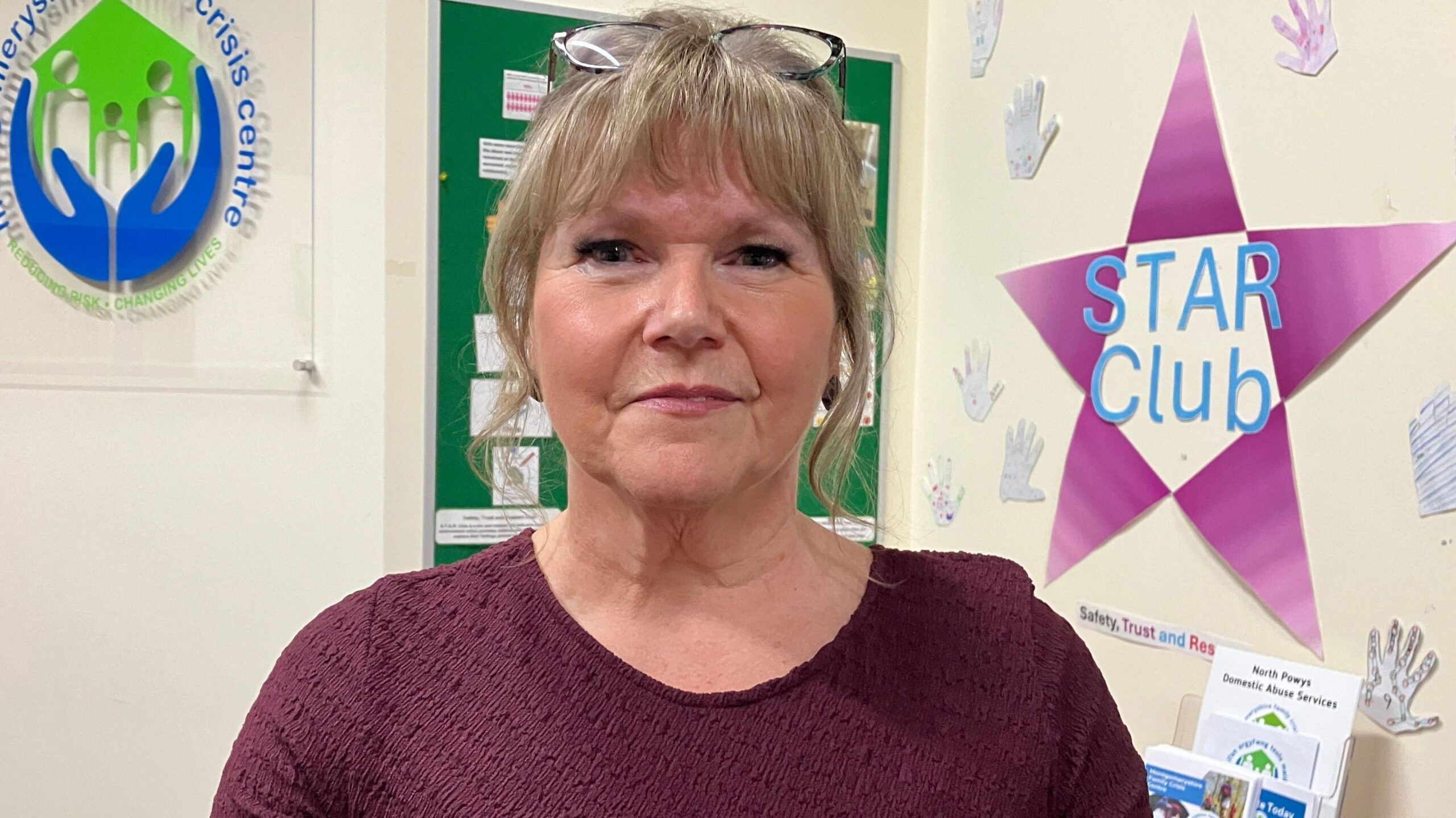
The centre said it supported 296 women, 88 men and 231 children in the last financial year and felt “there is a huge gap between rural and urban domestic abuse”.
Hayley said covering an area like north Powys – 839sq miles (2,173sq km) and can be four hours to travel from one end to the other – came with extra costs, such as fuel.
The charity has lost about £102,000 in funding, which Hayley said was “catastrophic”.
“That was to maintain our children’s and young persons project who do a lot of work within schools,” she said.
Tracy said that school was her “saviour” as a child.
“If we can explain to children what abuse is and what it looks like, that would be a really good place to start,” she added.
The UK government said it was “working to address disparities in provision” and had pledged more than £1bn over the next three years to improve support to rural victims.
“Close collaboration with charities and community organisations is helping us better understand the barriers facing rural communities,” it said in a statement.
“No victim of domestic abuse should be denied support because of where they live.”
More than three-quarters of Wales is rural, and the Welsh government said it “recognised victims and survivors in rural communities can face more barriers to accessing help”.
“These challenges will be considered in our next national strategy to help ensure services are able to meet the needs of people across all parts of Wales,” it said.
“No-one should ever be made to feel unsafe, scared or at risk of abuse in their homes and communities.”
If you or someone you know has been affected by the issues raised in this story, information about available help and support can be found via BBC Action Line.
More top stories
-
-
Published3 days ago
-
-
-
Published4 hours ago
-
-
-
Published15 minutes ago
-