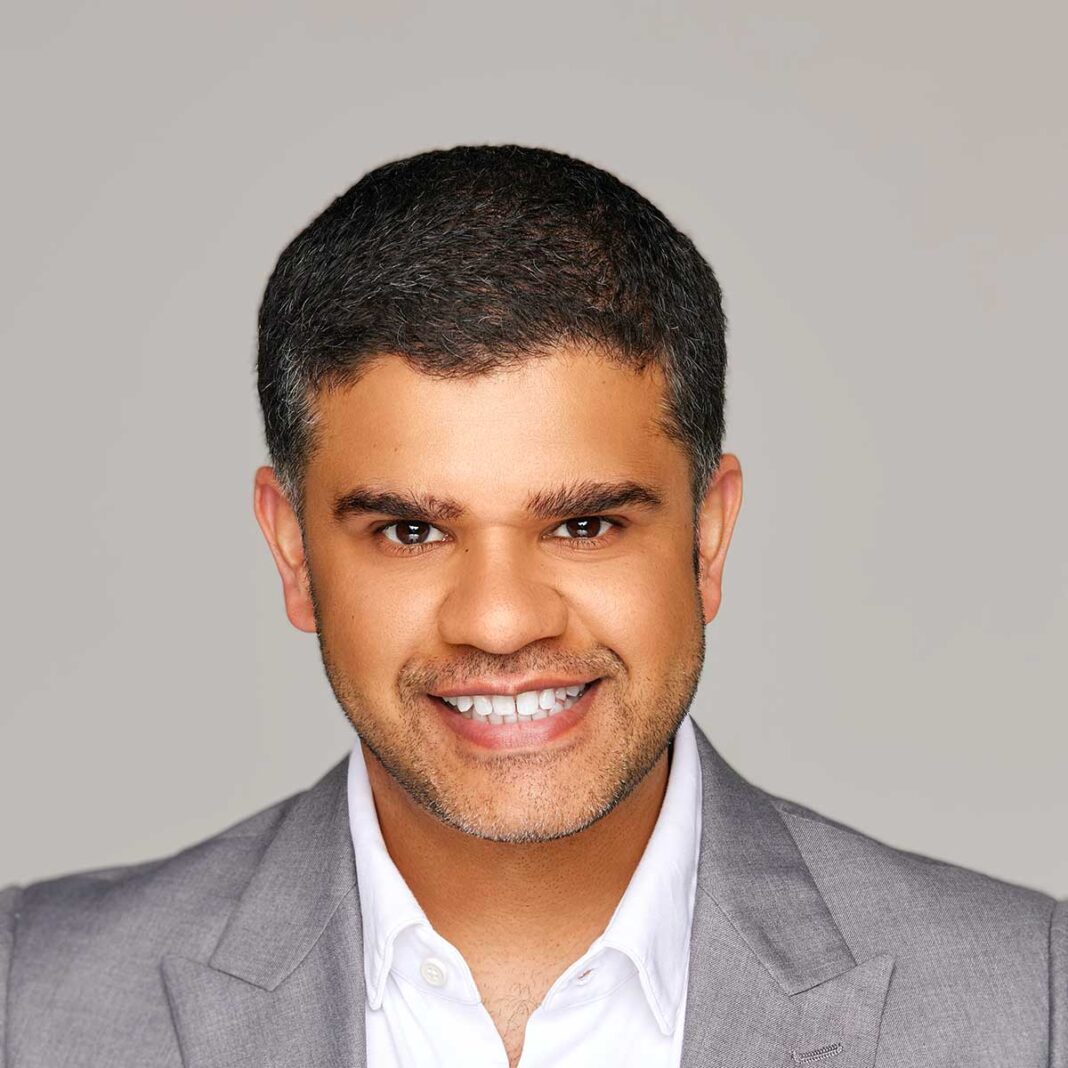

Dr Nilesh R. Parmar is clinical director of Parmar Dental, the Essex dental group that the company says was founded in 1977 and where he followed his father, Dr Ramesh C. Parmar, into practice.
An implant surgeon who still treats patients every week, he was voted Young Dentist of the Year at the Dental Awards in 2014 and holds an MBA from Imperial College London alongside two Master’s degrees.
He divides his time between Essex and London, and between surgery, lecturing and the race track. He tells Business Matters why he has never stepped away from the dental chair, why reputation compounds and what motorsport has taught him about improvement.
What do you currently do at Parmar Dental?
I am the clinical director of Parmar Dental, a group of dental practices in Essex. My role is deliberately quite varied. I still spend a significant amount of my week treating patients, particularly in implant and cosmetic dentistry, but alongside that I oversee the clinical direction of the practices, our team, investment, growth and the overall patient experience.
It has always been important to me to remain a practising dentist. As a business grows, there can be a temptation to move further and further away from the thing that originally made you successful. I never wanted that. Being in surgery keeps me connected to our patients and to the realities faced by the clinicians who work with me.
I have also always been interested in the business of healthcare. I completed an MBA at Imperial College London alongside my postgraduate dental education, and that has influenced the way I approach running the practices. Dentistry is obviously a clinical profession, but a dental practice is also a complex small business. You have people, property, technology, regulation, marketing, finance and customer service all operating simultaneously.
Outside the practices, I lecture, contribute to the media on dentistry and healthcare, and have become increasingly involved in the wider profession. I enjoy being able to move between clinical dentistry, business and communication rather than defining myself by just one of them.
What was the inspiration behind your business?
My biggest inspiration was my father, who is also a dentist. I grew up seeing first-hand what it meant to build a practice, look after patients over many years and become part of a community.
When I qualified, however, I wanted to build on that foundation in my own way. I became fascinated by implant and restorative dentistry and invested heavily in postgraduate education. Over the years I have completed two Master’s degrees, in prosthetic and implant dentistry, and eventually an MBA.
That combination of clinical education and business education changed the way I looked at dental practices. I wanted to create an environment where excellent clinical dentistry and a well-run business were not seen as competing objectives. In reality, I think they support each other. A successful practice can invest in its people, technology, facilities and training, and ultimately provide better care for its patients.
The business has evolved considerably since then, but the principle remains quite simple: treat patients properly, invest in good people and keep improving.
Who do you admire?
I admire people who have achieved success but remain curious and driven. I am particularly interested in people who have managed to perform at a very high level across different disciplines rather than allowing themselves to become comfortable after achieving success in one area.
In business, I admire entrepreneurs who are prepared to take calculated risks and who understand that failure and setbacks are part of the process. I am less interested in the image of entrepreneurship and much more interested in the resilience behind it.
I also have enormous admiration for my father. He built his career in a very different era of dentistry and taught me the importance of reputation, relationships and consistency. Technology changes, businesses change and marketing changes, but if people trust you and know that you will do what you say you are going to do, that remains incredibly valuable.
Motorsport is another significant part of my life, and racing has given me a different set of people to admire. The best racing drivers combine preparation, discipline and confidence with the ability to remain calm when operating very close to the limit. There are quite a few lessons from that which translate surprisingly well into both surgery and business.
Looking back, is there anything you would have done differently?
I would probably have learned to delegate earlier.
When you build a business around your own professional skills, it is very easy to believe that you need to control everything. In the early stages that can even be useful because you learn how every part of the business works. But eventually it becomes a limitation.
You cannot scale yourself.
Over time I have become much better at recognising that my job is not to be the best person at every task. It is to find excellent people, give them responsibility and create an environment in which they can perform.
I would also have worried less about occasional failures. Earlier in my career I wanted everything to work immediately. Experience teaches you that some investments will be wrong, some ideas will fail and occasionally you will make the wrong decision about a person or an opportunity. What matters is recognising it quickly, learning from it and moving forward.
What defines your way of doing business?
I would describe it as ambitious and disciplined, but pragmatic.
I like moving quickly and I am comfortable making decisions, but I also believe strongly in measuring outcomes. Whether we are investing in new technology, recruiting clinicians, introducing a new service or changing the way the practices operate, I want to know whether it is actually making things better.
I also believe that reputation compounds. In healthcare especially, short-term thinking is incredibly dangerous. A patient may remain with a dental practice for decades and recommend several generations of their family. The lifetime value of doing the right thing is far greater than whatever you might gain from maximising an individual transaction.
I am also competitive by nature. Motorsport is one of my passions outside dentistry, and I race cars as well as doing track events. Racing teaches you that improvement usually comes from hundreds of small changes rather than one enormous breakthrough. You analyse the data, work out where you are losing time, make an adjustment and go again.
That is essentially how I approach business. I am constantly asking what we can improve, even when things are already going well.
What advice would you give to someone starting out?
Become extremely good at something before worrying about being known for it.
We live in an era where it is possible to build a personal brand almost immediately, and there is nothing wrong with using social media or promoting yourself. I do both. But visibility should amplify substance rather than replace it.
Invest in your education and your skills. Understand the numbers in your business. Learn how to communicate. Surround yourself with people who are better than you in areas where you are weak.
I would also tell people not to confuse turnover with success. A business can look impressive from the outside while being financially fragile. Cash flow, margins and sensible investment matter enormously.
Take calculated risks, but make sure you can survive being wrong. Some of the best decisions I have made involved taking risks, but none required betting everything on one outcome.
Finally, enjoy the process. There will always be another target: another practice, another qualification, another financial milestone or another lap time. Ambition is useful, but if you postpone enjoying your life until you have achieved everything you want to achieve, you may discover that the finish line keeps moving.
For me, success is increasingly about having the freedom to pursue several things that genuinely interest me: treating patients, building businesses, communicating about healthcare and racing cars. I think the best businesses ultimately give you more choices, not fewer.