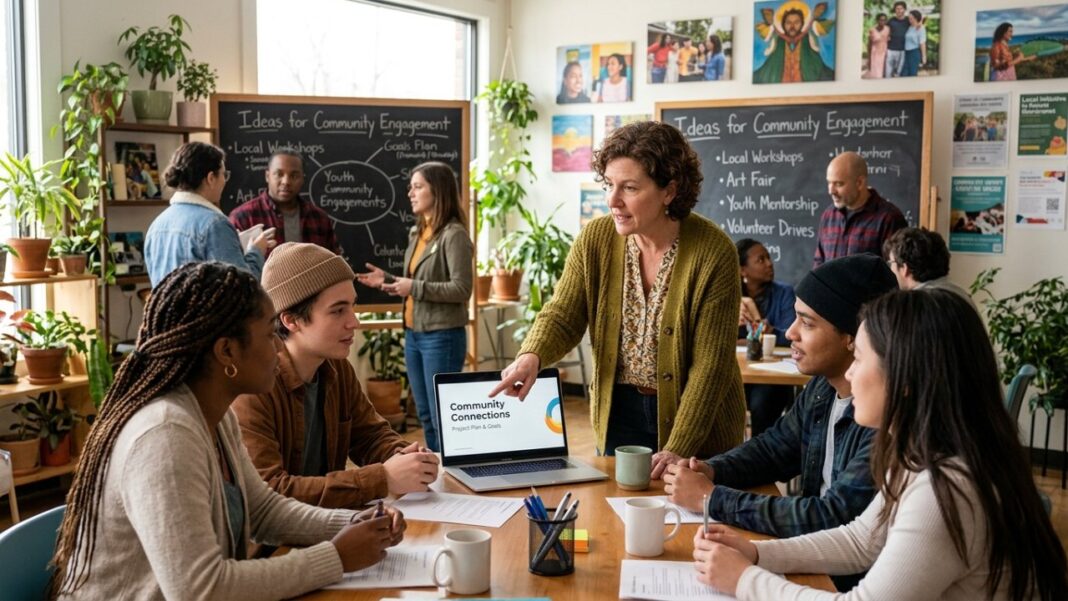

To build a strong community, start by identifying shared interests among members. Organize regular meetups, whether in-person or online, to encourage interaction. Create safe spaces where everyone feels comfortable sharing ideas and experiences. Foster trust by being open and supportive. Celebrate collective achievements, no matter how small, to strengthen connections. As you implement these steps, you’ll notice improvements in engagement. What’s next in enhancing these bonds?
Key Takeaways
- Community building fosters trust and collaboration, enhancing connections among individuals with shared interests and identities.
- Meaningful connections improve mental health by creating a sense of belonging and reducing feelings of anxiety and depression.
- Key elements include shared values, open communication, and active participation to strengthen community bonds.
- Promoting authenticity and vulnerability encourages deeper relationships and fosters a culture of trust among members.
- Regular engagement and feedback help refine community practices, ensuring continuous improvement and a sense of ownership among individuals.
What Is Community Building and Its Purpose?
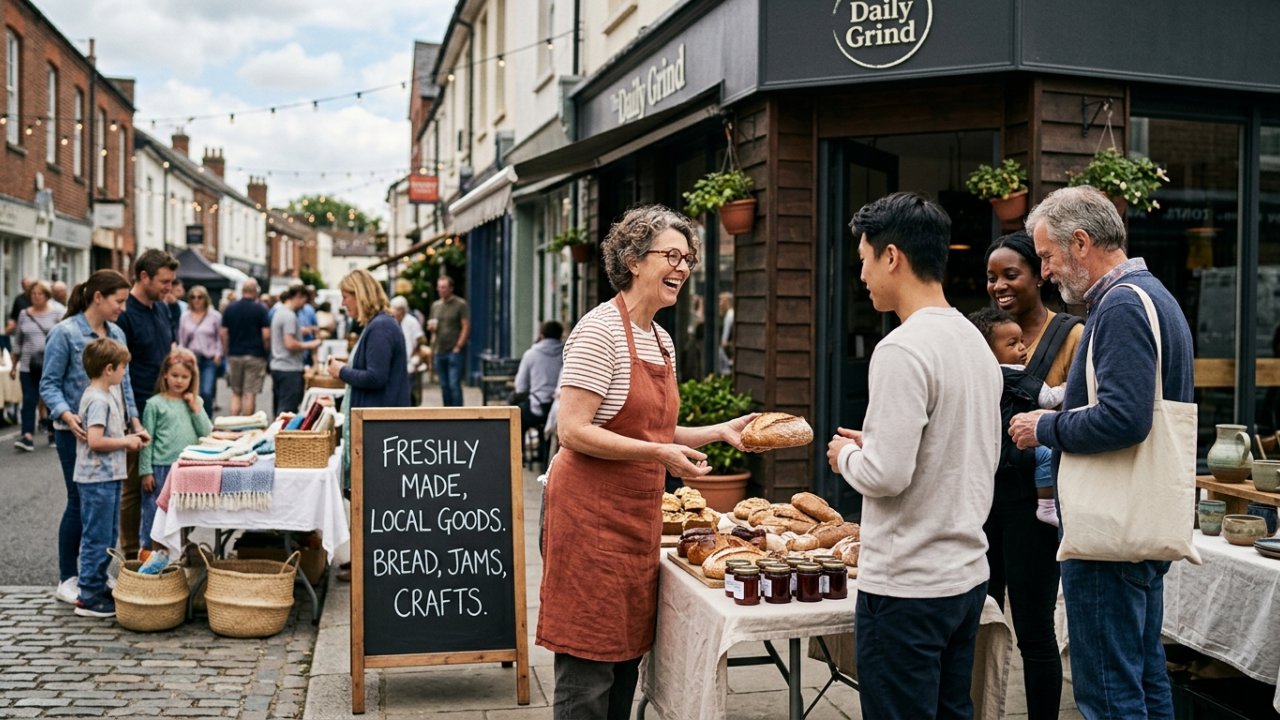
Community building is all about creating connections among people who share common interests or identities. To define community building, think of it as a series of practices that enhance these connections, fostering trust and collaboration.
Its purpose is to empower individuals by providing safe spaces for sharing experiences, which promotes personal growth and encourages authentic self-expression.
When you engage in community building, focus on shared values and interests. This approach helps you form deeper connections and encourages active participation among members.
Trust and accountability are essential; they create a supportive environment for collective action. Remember, effective community building prioritizes genuine relationships over transactional interactions.
Why Are Meaningful Connections Essential for Well-Being?
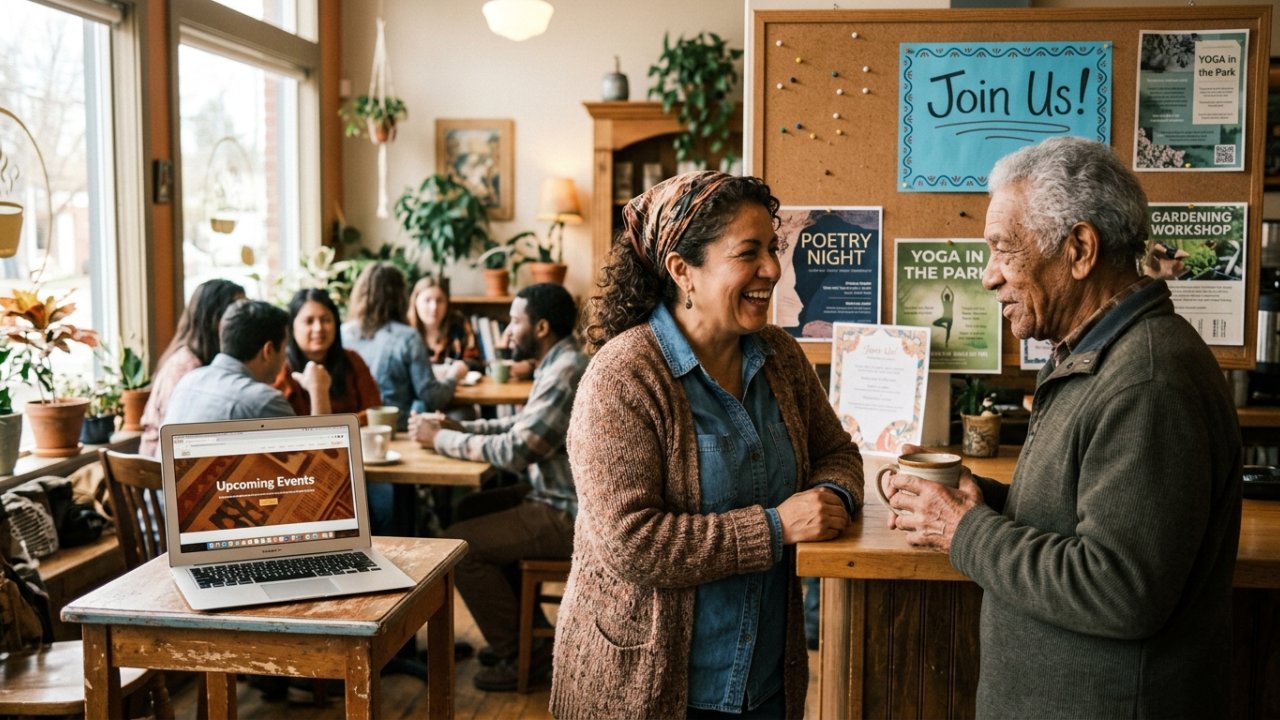
Building strong connections among people isn’t just beneficial for creating a community; it plays an essential role in your overall well-being. Meaningful relationships can enhance your emotional health and reduce feelings of anxiety and depression.
Here are three reasons why these connections matter:
- Sense of Belonging: Engaging with identity communities fosters trust and belonging, which can lift your spirits and improve mental health.
- Collaboration and Support: Shared interests lead to collaboration, giving you a sense of accomplishment and fulfilling your need for social interaction.
- Health and Safety: Knowing your neighbors can improve your health and safety, as connected neighborhoods often experience lower crime rates and better disaster preparedness.
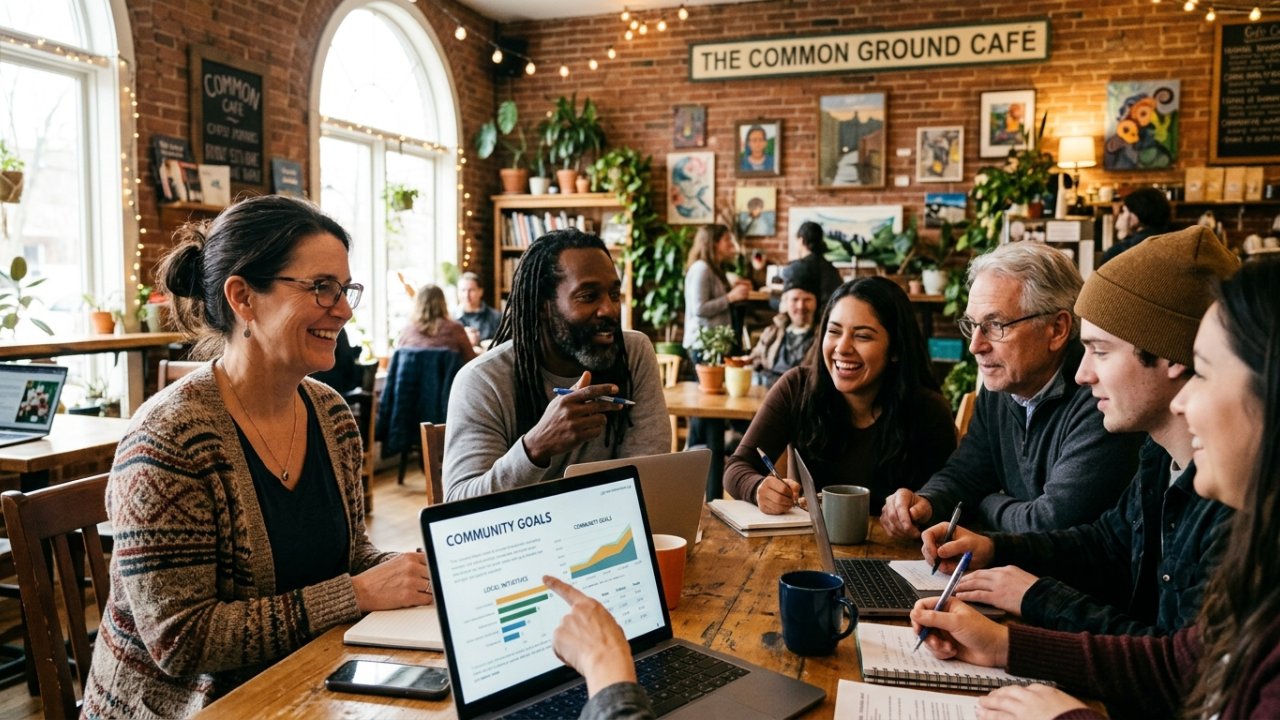
To build a thriving community, start by identifying shared values and goals that resonate with everyone involved.
Establish open communication channels where members can express their thoughts and ideas freely, fostering a culture of trust.
Encourage active participation by organizing events and activities that engage everyone, making it easier for connections to flourish.
Shared Values And Goals
When you align on shared values and goals, the groundwork for trust and collaboration becomes solid.
To build a thriving community, consider these steps:
- Define Common Values: Engage members in discussions to pinpoint what truly matters to everyone. This fosters a sense of belonging and accountability.
- Set Clear Goals: Work together to establish achievable objectives that everyone can support. This drives meaningful action and keeps members motivated.
- Encourage Participation: Create opportunities for everyone to contribute to community initiatives. Active involvement reduces isolation and strengthens connections.
Open Communication Channels
Shared values and goals lay the foundation for a strong community, but they need to be supported by open communication channels to truly flourish.
Start by establishing clear communication norms so everyone feels safe sharing their thoughts. Use diverse platforms like Facebook and Reddit to reach different members effectively.
Regular updates through newsletters or meetings keep everyone informed and engaged in ongoing projects. Encourage feedback to guarantee all voices are heard, fostering a sense of belonging.
This approach builds transparency and trust, leading to enhanced collaboration and accountability.
[embedded content]
Active Participation And Engagement
Active participation and engagement are essential for a thriving community, as they create an environment where trust and emotional safety can flourish.
To boost involvement, focus on these key actions:
- Host Regular Events: Organize workshops or local gatherings that cater to shared interests, fostering connections and encouraging participation.
- Create Accountability: Encourage members to take on responsibilities, like planning activities or leading discussions, which strengthens bonds and mutual support.
- Facilitate Open Dialogue: Establish safe spaces for conversations, allowing diverse perspectives to be shared, enriching discussions and enhancing belonging.
The Role of Trust and Vulnerability in Community

To build trust in your community, start by creating spaces where everyone feels safe to share their thoughts and feelings.
Embrace vulnerability by encouraging members to express their authentic selves, which can lead to stronger connections.
Engage actively in community activities, as these shared experiences not only validate contributions but also strengthen the bonds between members.
Building Trust Together
How can you build trust in your community? Start by creating an environment where everyone feels valued. Here are three practical steps:
- Encourage Open Communication: Host regular meetings or discussions where everyone can share ideas and concerns. This helps members feel heard and fosters transparency.
- Promote Accountability: Establish clear expectations for behavior and follow through on commitments. When people know they can rely on each other, trust naturally grows.
- Engage in Active Participation: Get involved in community activities, whether it’s volunteering or organizing events. When members contribute, they feel more invested in the group’s success.
Embracing Vulnerability Openly
Building trust within a community sets the stage for deeper connections, but embracing vulnerability openly takes those relationships to the next level.
Start by sharing your own experiences; this invites others to do the same. Create an environment of emotional safety where everyone feels validated and supported when they open up.
Use social cues, like eye contact and active listening, to encourage dialogue. Remember, trust builds gradually; engage in small acts of vulnerability regularly.
Share your struggles and fears; this can inspire collective action and strengthen bonds through shared purpose.
How Shared Interests Foster Stronger Bonds

When you engage in activities that interest you, you create a solid foundation for meaningful connections with others. Shared interests not only bring people together but also foster deeper relationships through shared experiences.
Here are three ways to strengthen your bonds:
- Join Activity-Based Groups: Participate in sports teams or hobby clubs. These settings boost feelings of accomplishment and belonging, making it easier to connect with others.
- Communicate Openly: Encourage discussions about your shared passions. Open communication builds trust, creating a safe emotional environment where members feel valued.
- Support Each Other: Engage actively in group activities. When you collaborate on projects or challenges, you develop accountability, which reinforces your social ties.
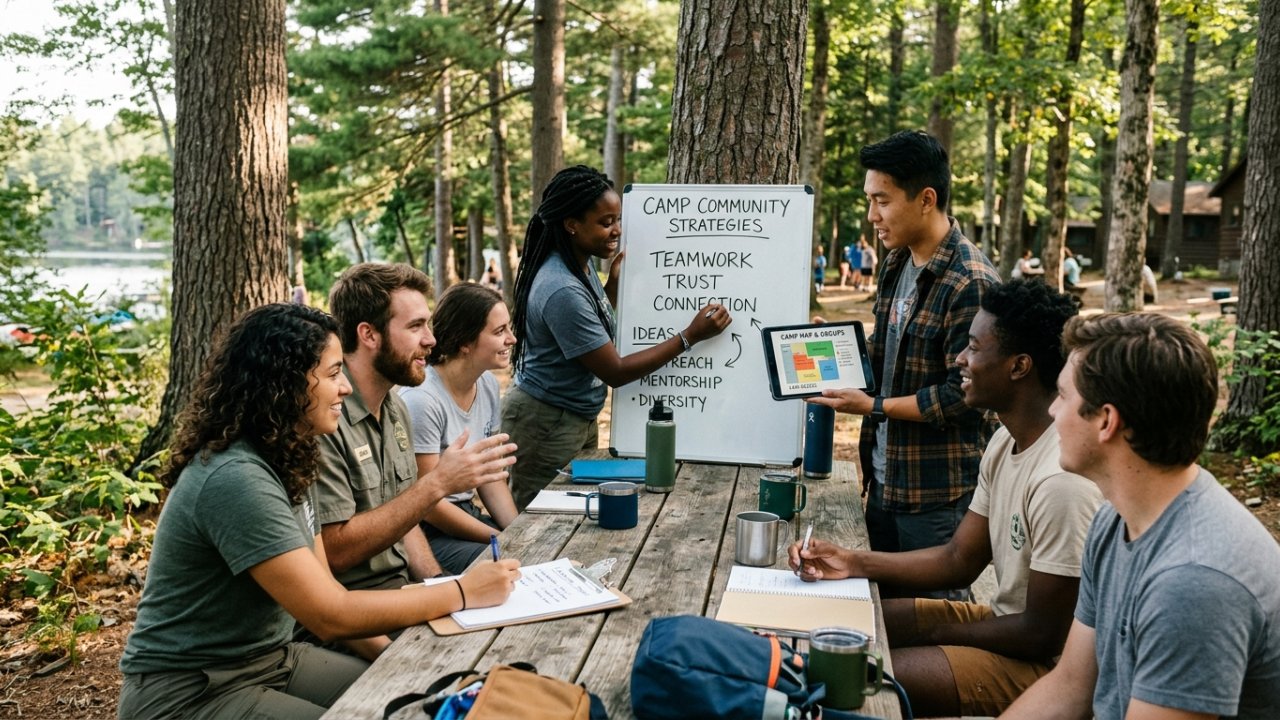
Creating a strong sense of community at camps is key to ensuring campers feel connected and engaged. Start by emphasizing small group interactions, allowing every camper to be known and supported.
Implement traditions like Color Wars to promote teamwork and excitement, which fosters lasting friendships through collaborative activities. Structure daily schedules with consistent meal times and varied evening activities, encouraging social interaction and a sense of belonging.
Incorporate regular check-ins and feedback sessions, providing opportunities for personal reflection and goal setting, which contribute to both individual growth and community cohesion.
Additionally, offer thematic programs, such as Technology and Global Discourse, to facilitate diverse learning experiences. These programs encourage campers to connect over shared interests and values.
Why Does Emotional Safety Matter in Groups?
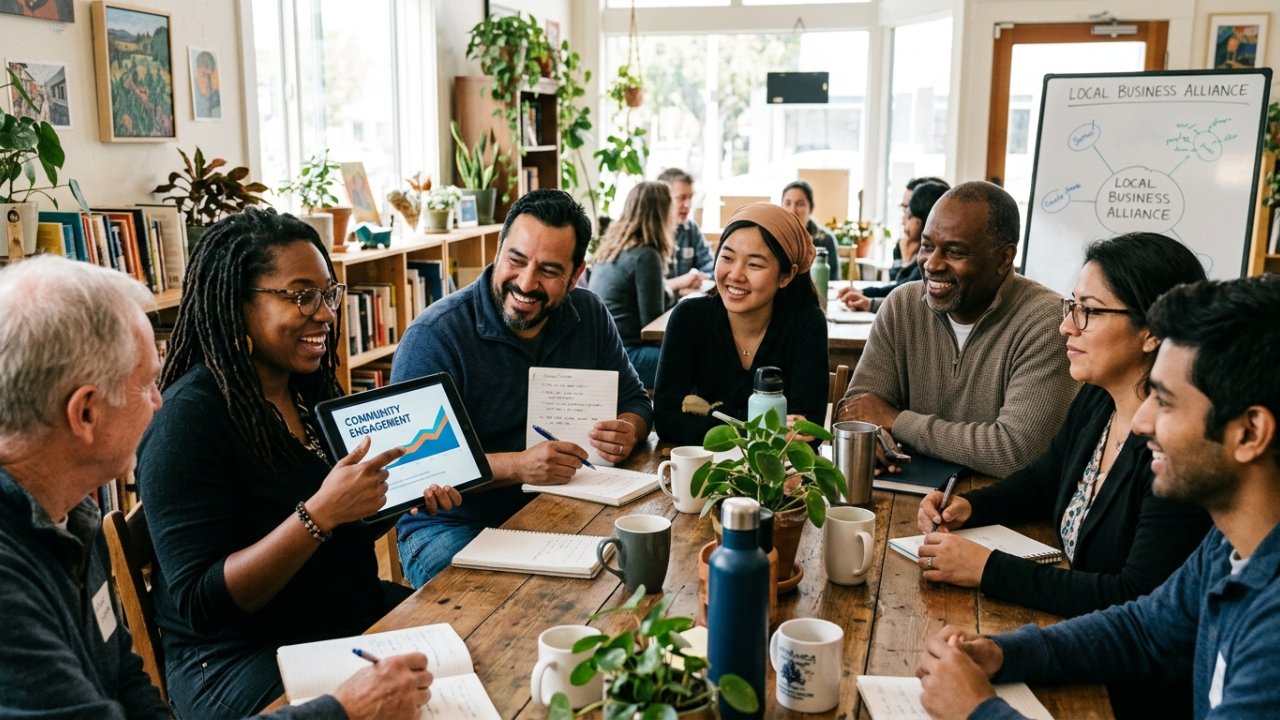
Emotional safety is essential in groups because it builds trust among members.
When you create open communication channels, people feel comfortable sharing their thoughts and experiences.
Encouraging vulnerability and authenticity not only strengthens relationships but also fosters a supportive environment where everyone can thrive together.
Trust Among Members
Trust among members is essential for any group aiming to thrive, as it creates an atmosphere where individuals can share their thoughts and feelings openly.
When you foster emotional safety, you enhance trust, leading to stronger connections. Here are three key benefits to focus on:
- Encourages Vulnerability: When people feel safe, they’re more likely to share personal experiences, fostering deeper relationships.
- Boosts Accountability: Trust creates a sense of responsibility among members, making them more committed to group goals and tasks.
- Facilitates Diverse Perspectives: An emotionally safe environment allows for varied viewpoints, improving problem-solving and community engagement.
Open Communication Channels
When you prioritize open communication channels within your group, you set the stage for emotional safety, which is essential for fostering genuine connections.
Start by encouraging active listening; make sure everyone feels heard by validating their opinions. Create a space where members can express thoughts without judgment, reducing fear of conflict.
Regular check-ins can help gauge comfort levels, allowing for adjustments as needed. Encourage sharing diverse perspectives to enrich discussions and strengthen group cohesion.
When members feel safe, they’re more likely to engage and invest in shared goals, leading to better outcomes.
Ultimately, establishing open channels not only builds trust but also cultivates a supportive environment where everyone thrives.
[embedded content]
Vulnerability and Authenticity
Creating an environment where everyone feels comfortable sharing their thoughts is essential for fostering vulnerability and authenticity in groups.
Here are three key steps you can take to promote emotional safety:
- Encourage Open Dialogue: Invite everyone to share their views and express their feelings. Confirm that all voices are heard and valued.
- Build Trust: Create a culture where individuals feel secure in their expressions. When members trust one another, deeper relationships can form, enhancing community.
- Celebrate Vulnerability: Acknowledge and appreciate moments when members share personal insights. This not only enriches discussions but also empowers everyone to take risks and explore new ideas.
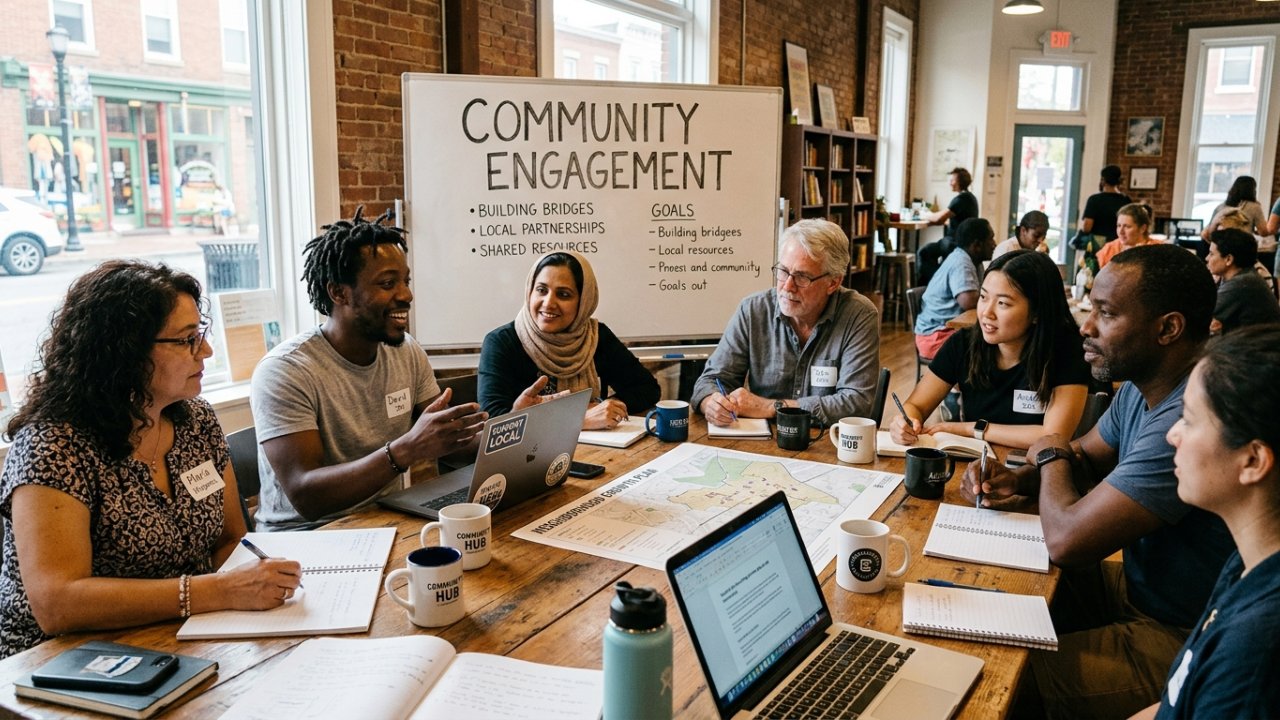
Engagement is the backbone of community growth, as it fosters emotional safety and trust among members. To enhance your community, start by encouraging participation in shared interests or identities. This helps create organic connections that boost commitment.
Organize events like block parties or local workshops; these gatherings improve neighborly interactions and build social capital.
Implement regular check-ins or online forums to maintain ongoing dialogue. This continuous engagement not only holds members accountable but also keeps the momentum going for collective action.
Create programs that focus on intentional connection strategies, such as team-building exercises or volunteer opportunities, to elevate involvement. The more you engage, the more your community thrives, as members feel valued and connected.
Effective Strategies for Collaboration and Co-Leadership
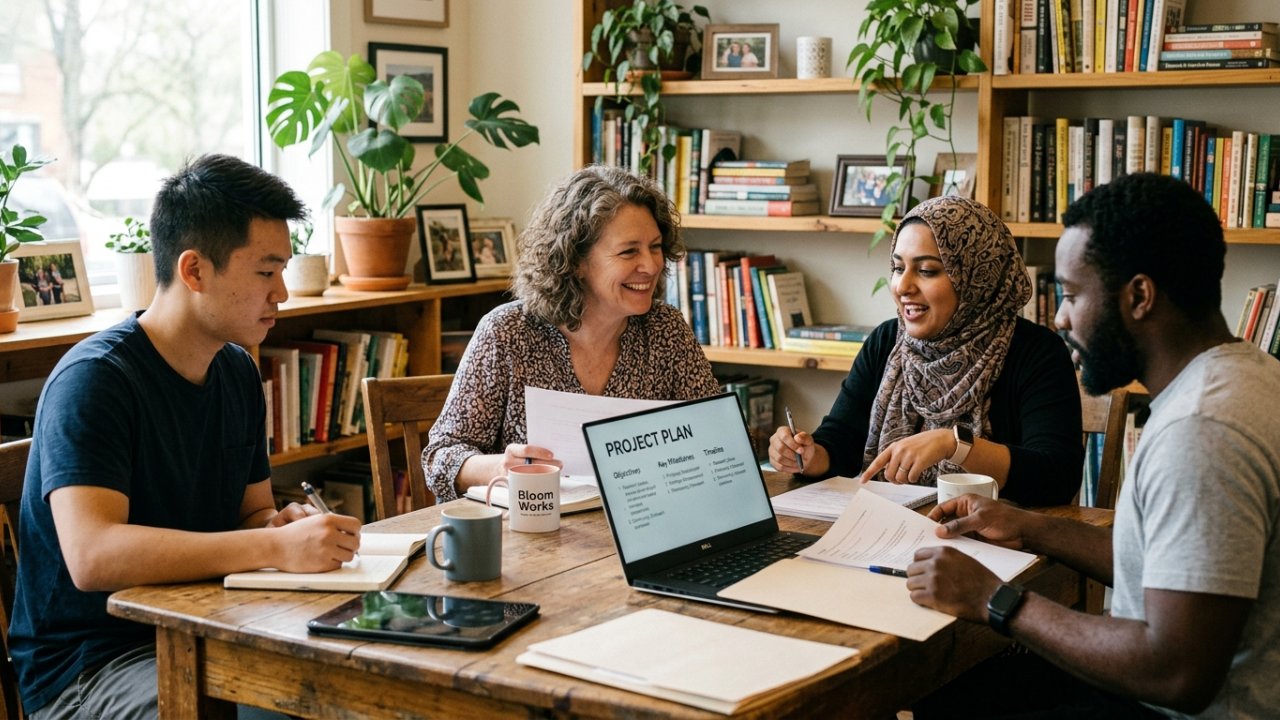
Collaboration thrives best in an environment where everyone feels valued, so start by establishing a co-leadership model that empowers members to take on shared responsibilities. This approach not only promotes accountability but also mitigates burnout.
To create a strong collaborative culture, consider these strategies:
- Build Trust: Foster emotional safety by encouraging open communication. Let members express their thoughts without fear of judgment, which strengthens relationships.
- Encourage Participation: Actively involve members in shaping community initiatives. When people feel included, they’re more likely to engage and contribute.
- Schedule Regular Check-ins: Hold consistent feedback sessions to guarantee all voices are heard. This practice helps maintain momentum and aligns everyone toward shared goals.
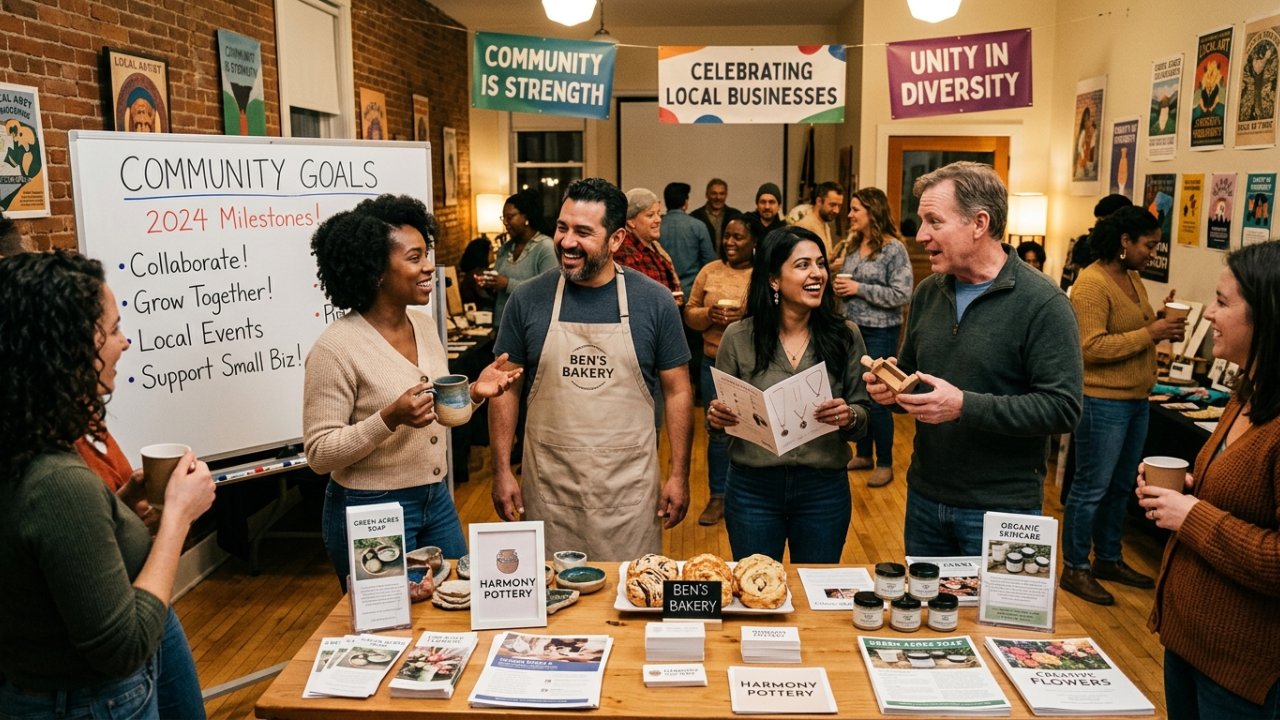
Recognizing and celebrating collective achievements energizes your community and strengthens the bonds among its members. When you come together for events like local festivals or award ceremonies, you not only highlight individual contributions but also cultivate a shared sense of pride. This recognition fosters belonging and encourages resilience, as members navigate challenges together.
Here’s how you can celebrate effectively:
| Action | Impact |
|---|---|
| Organize an awards ceremony | Boosts morale and visibility |
| Host a community art project | Represents shared goals |
| Plan regular recognition events | Inspires future participation |

Building a thriving community requires intentional steps that resonate with its members. To engage effectively, focus on these three actions:
- Identify passionate issues: Start conversations to discover what matters most to your members. This shared vision will foster deeper connections and encourage involvement.
- Define desired changes: Clearly outline the changes you want to see in your community. When members understand the goals, they’re more likely to participate and take action.
- Encourage open sharing: Create a safe space for members to express their thoughts and experiences. When you validate their opinions, you build trust and strengthen relationships.
Additionally, leverage platforms like Facebook Groups or Meetup to facilitate interactions.
Don’t forget to implement regular check-ins to assess community growth and engagement.
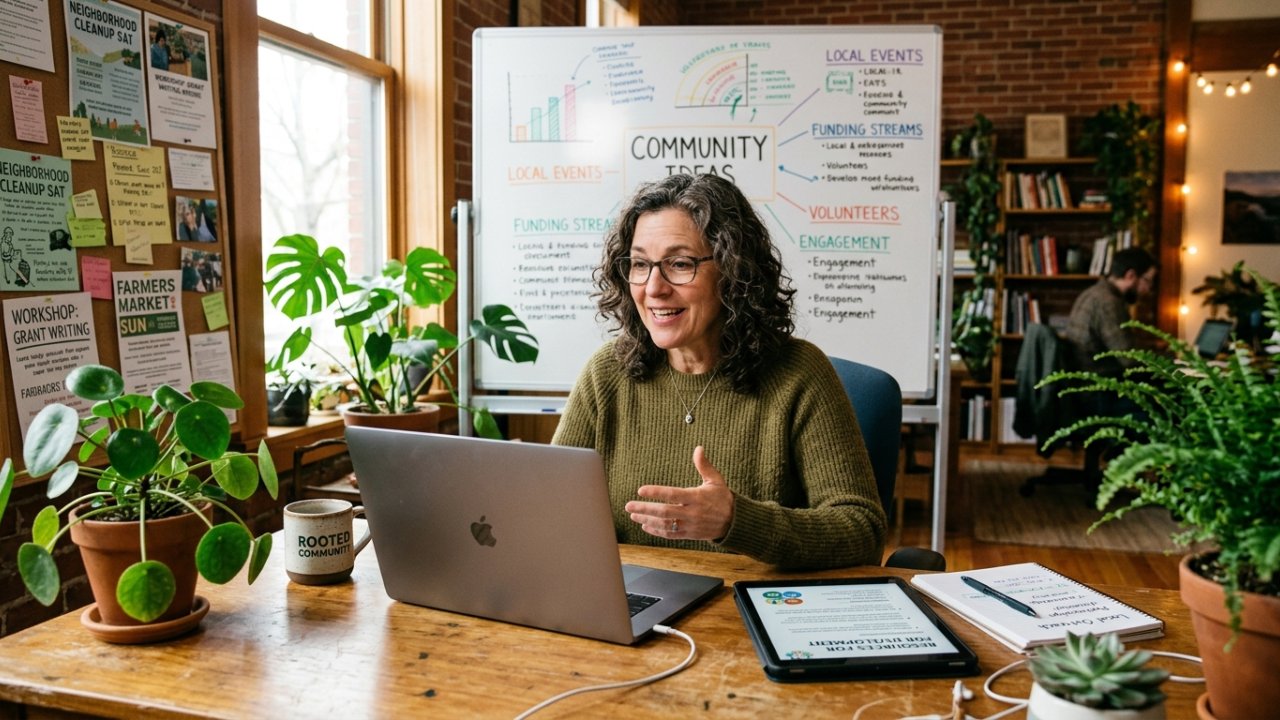
As you work on ongoing community development, it’s essential to leverage available resources that can enhance your efforts. Start by exploring CMX, which offers valuable models and articles on community engagement, emphasizing trust and emotional safety.
For emotional well-being, check out the Oregon Attorney Assistance Program, as strong connections can boost mental health.
Utilize platforms like Facebook groups, Slack, and Meetup to facilitate online and in-person interactions, making it easier to connect with others. Consider One Omaha for support in goal-setting and leadership development, which promotes accountability in your community.
Finally, refer to toolkits like the Community Engagement 101 guide by Visible Network Labs. These resources provide effective strategies for planning and facilitation.
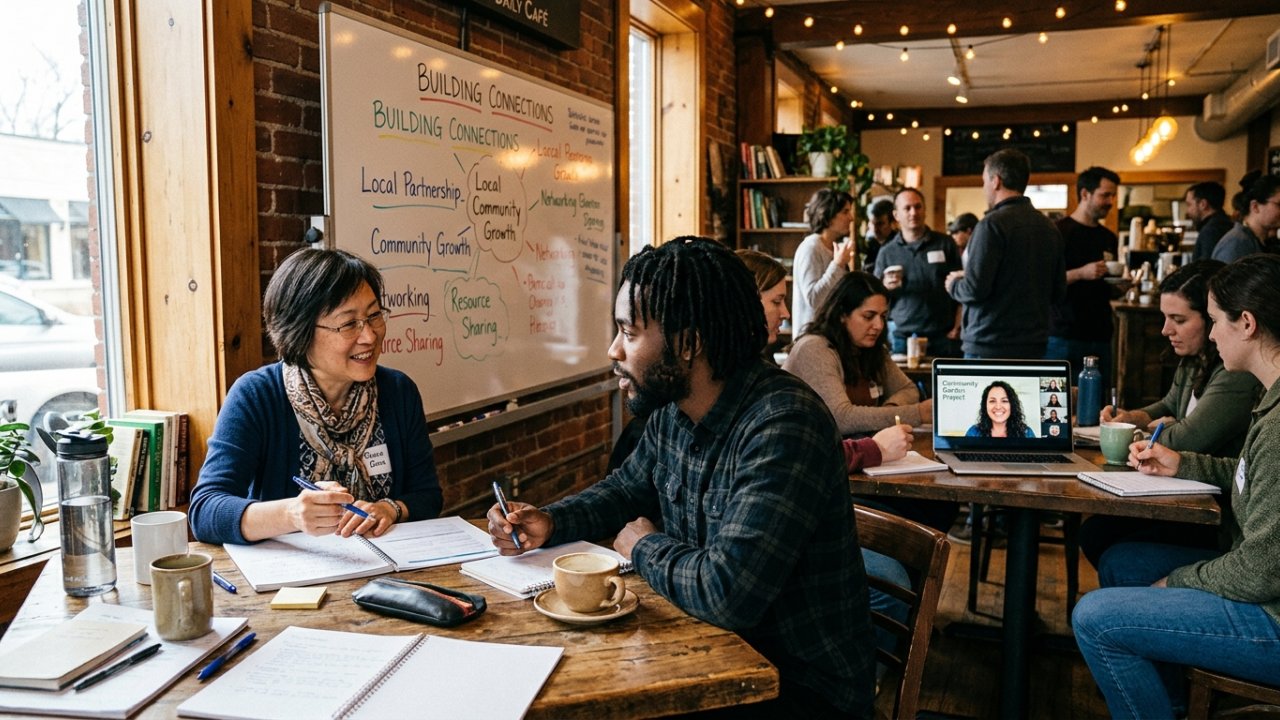
Creating lasting connections in your community starts with trust and emotional safety. To build this foundation, consider these actionable steps:
1. Engage Early: Involve community members in projects from the beginning. This not only fosters collaboration but guarantees your initiatives align with their needs.
2. Create Shared Spaces****: Organize activity-based groups or local events where people can gather over common interests.
These shared experiences cultivate a sense of belonging and accomplishment.
3. Facilitate Feedback: Implement regular check-ins and feedback sessions.
This helps individuals feel valued and accountable, while also allowing for continuous improvement in community engagement.
Frequently Asked Questions
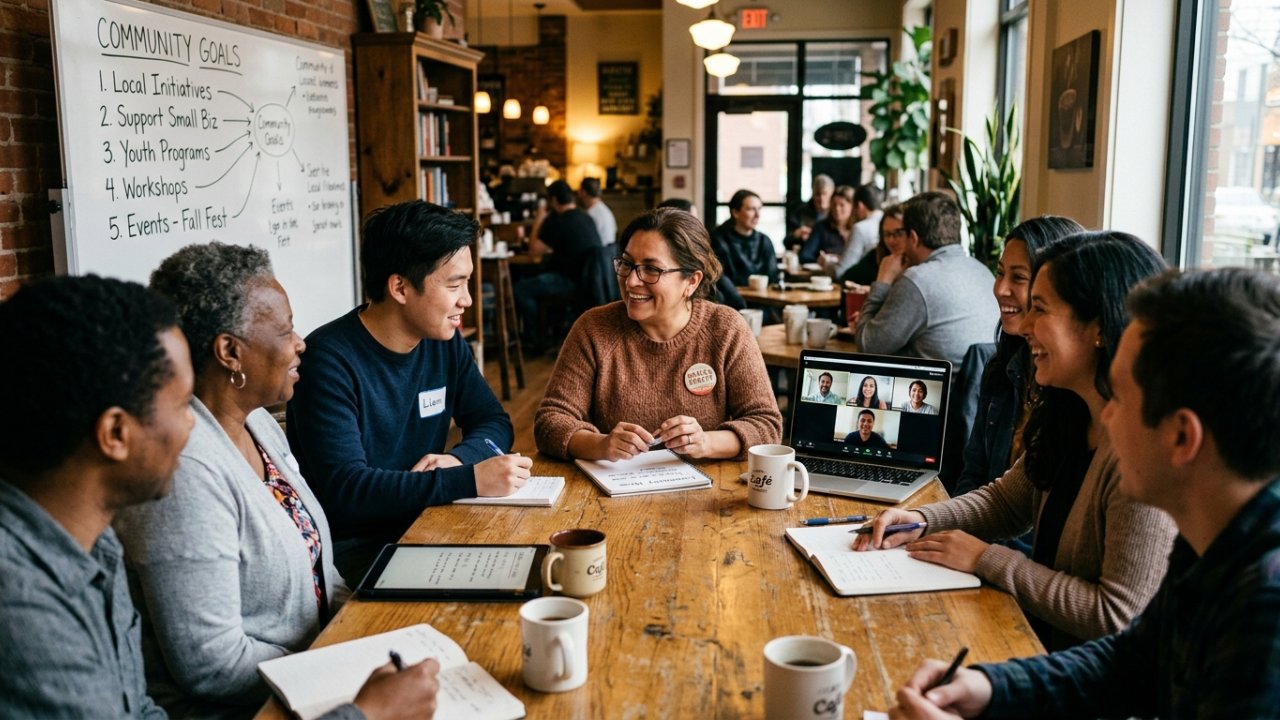
The five C’s of community are connection, collaboration, communication, commitment, and compassion.
First, build connections by engaging with others regularly.
Next, foster collaboration by inviting diverse ideas to tackle challenges.
Maintain clear communication to guarantee everyone feels heard.
Show commitment by participating in community activities consistently.
Finally, practice compassion, supporting each other’s needs and challenges.
The four stages of community building are forming, storming, norming, and performing.
In the forming stage, you establish trust and excitement.
During storming, address conflicts and clarify roles.
Move into norming by strengthening relationships and setting shared values.
Finally, in the performing stage, focus on collaboration towards common goals.
To succeed, actively engage in discussions, listen to others, and adapt as your community evolves through these stages.
[embedded content]
How Can We Cultivate Lasting and Meaningful Connection Within Our Community?
To cultivate lasting connections in your community, start by organizing local events like block parties or interest-based meetups.
Encourage open communication by creating safe spaces for sharing experiences.
Foster trust through inclusive programming that welcomes diverse backgrounds.
Engage actively with your neighbors, whether through volunteer projects or informal gatherings.
Finally, check in regularly to maintain relationships and adapt activities to meet everyone’s needs, ensuring everyone feels valued and connected.
The 80/20 rule in community building states that 80% of your results come from just 20% of your efforts.
To apply this, identify the key activities that drive engagement, like hosting targeted events or connecting with active members.
Focus your energy on these high-impact areas, and don’t waste time on less effective tasks.
Conclusion
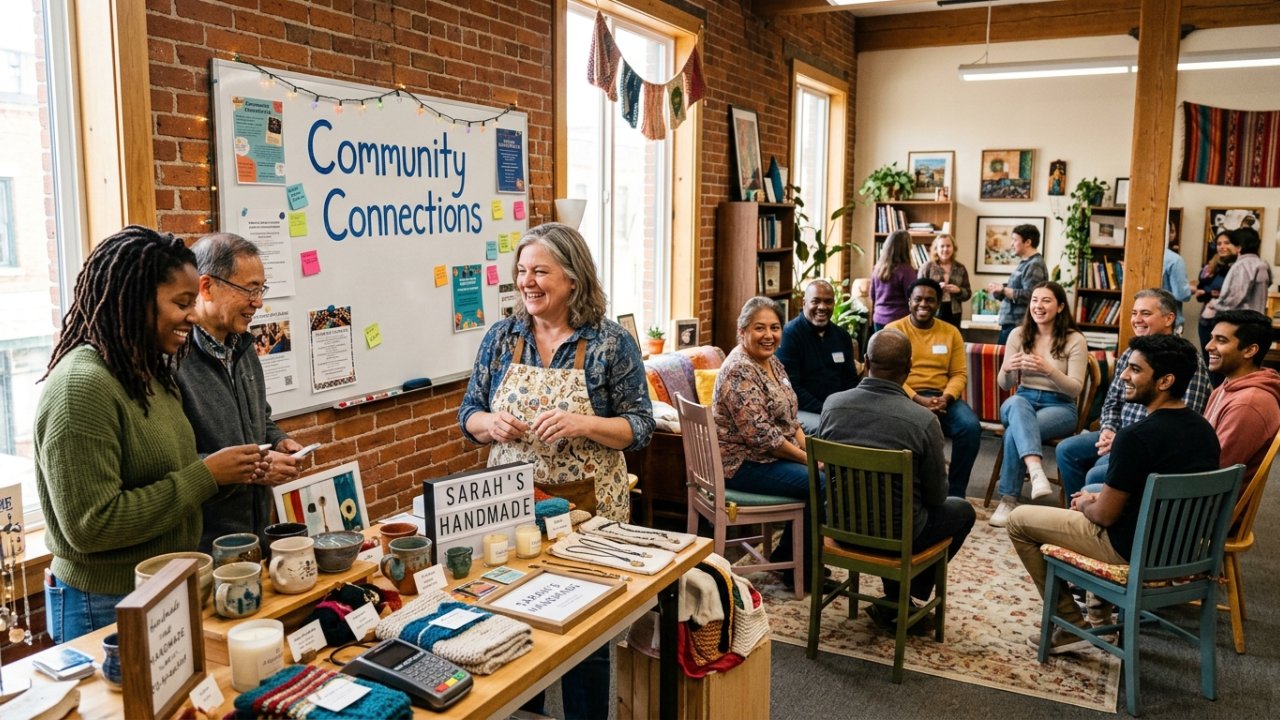
In building a strong community, focus on fostering trust and encouraging participation. Start by hosting regular meet-ups or activities that align with shared interests. Create safe spaces where everyone feels comfortable expressing themselves. Celebrate achievements together, big or small, to strengthen bonds. Finally, seek out resources like workshops or local organizations to support ongoing development. By taking these steps, you can cultivate lasting connections that enhance well-being and create a thriving community.
Image via Google Gemini