
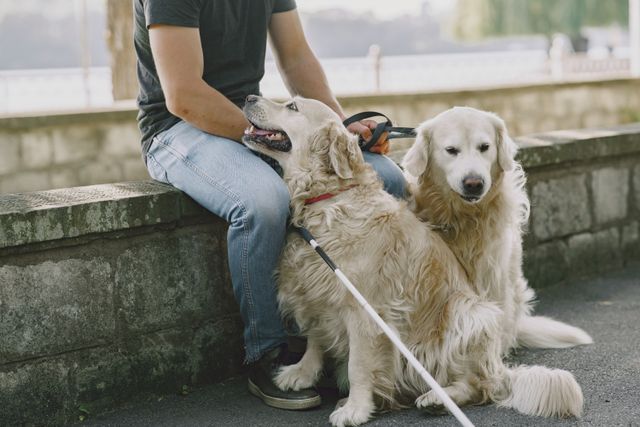

Dogs can make a real difference to how we feel. Plenty of people find that a calm, affectionate dog helps them feel less alone, more settled and more able to get out of the house. But emotional support and therapy dogs aren’t the same as assistance dogs, and in the UK the difference affects where your dog can go with you. Here’s what each one means.
Emotional Support Dogs
An emotional support dog provides comfort and companionship to its owner. It doesn’t need specialist task training, although a calm, steady temperament matters a lot. For someone living with anxiety, low mood or loneliness, the routine of caring for a dog, regular walks and simple company can all be part of a wider approach to looking after their wellbeing.
The key point is that emotional support dogs have no special legal status in the UK. They don’t have automatic access to shops, cafés or other businesses, and a business can usually refuse them. Some will consider requests case by case, but it’s their choice.
Therapy Dogs
A therapy dog provides comfort to lots of people, not just its owner. You’ll find them visiting care homes, hospitals, schools and hospices, often through volunteer organisations, where a friendly dog can brighten someone’s day or help children relax while they read.
Therapy dogs need a very particular temperament. They must be happy to be stroked by strangers, calm in unfamiliar places and unfazed by noise, equipment and sudden movements. Like emotional support dogs, they don’t have legal public access rights, so they go into settings by invitation.
Assistance Dogs
Assistance dogs are trained to carry out specific tasks for a disabled person. Guide dogs and hearing dogs are the best known, but assistance dogs also support people with a range of other conditions, for example by alerting their owner to a medical episode or helping with everyday tasks. An assistance dog doesn’t have to be trained by a charity, wear a jacket or carry an ID book to count, and some are trained by their owners.
These are the only dogs with legal access rights. In England, Scotland and Wales, the Equality and Human Rights Commission says it’s unlawful for a business to refuse a disabled person because they’re accompanied by an assistance dog, except in rare circumstances. Northern Ireland has its own disability discrimination law, so the rules there are set separately.
Choosing A Dog For Emotional Support
If you’re thinking about a dog for emotional support, temperament matters more than anything. Look for a dog that’s calm, affectionate and predictable, and that enjoys being close to people. Many people choose breeds known for a gentle nature, such as Golden Retrievers and Labradors, but the individual dog matters more than the breed.
Some families opt for an adult dog that’s already been selected for temperament and trained, rather than starting with a puppy. That way you can see the dog’s personality before you commit, and it arrives with good manners already in place.
Be realistic about the commitment too. A dog needs daily exercise, attention and care for many years, which can be part of the benefit, but it also needs to fit your life on the difficult days.
A Dog Alongside Other Support
A dog can be a wonderful companion, but it isn’t a replacement for professional help. If you’re struggling with your mental health, speak to your GP or a mental health professional, and think of a dog as one part of looking after yourself rather than the whole answer.

