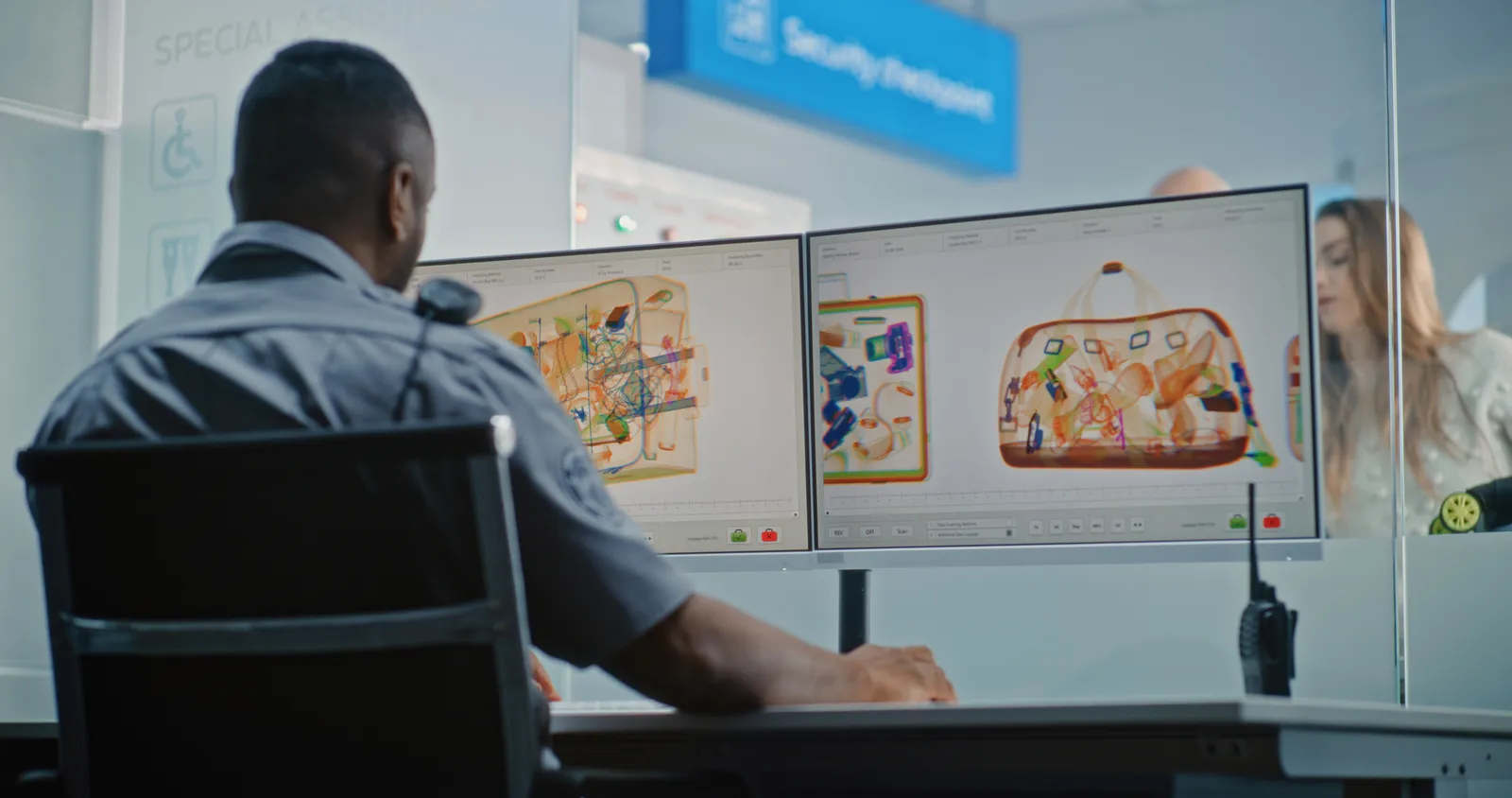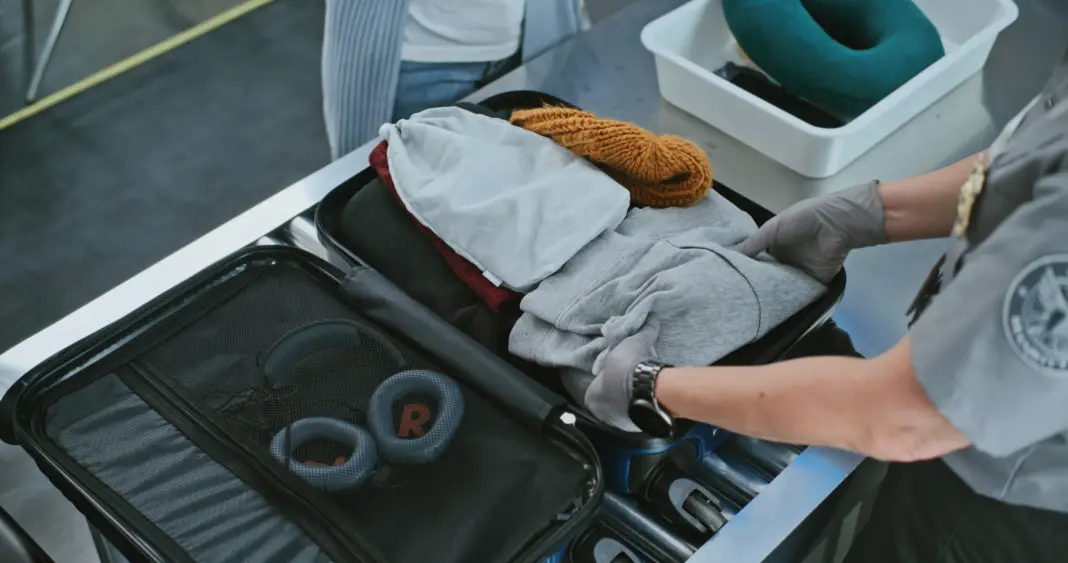

For years, travelers have become accustomed to meticulously packing liquids ranging from shampoo to sunscreen in their carry-on bags in order to meet the TSA liquid limit—and avoid getting that expensive perfume confiscated.
Internationally, this rule is known as “3-1-1.” Liquids, gels, and creams packed in a carry-on must be in containers no larger than 3.4 ounces (100 mL). All containers must fit in a single, clear, quart-sized bag. (Larger liquids can still be brought along on your travels but must be packed in checked luggage.)
While commonly referred to as “liquids,” these regulated substances are technically known as LAGs, an abbreviation for liquids, aerosols, and gels. This category also encompasses creams or pastes—essentially anything that can be cut through or spread with a butter knife—from common travel necessities like shampoo, face wash, and sunscreen, to toothpaste, hairspray, and even peanut butter.
The Transportation Security Administration (TSA) first introduced the rule in August 2006, after British police foiled a terrorist plot to detonate explosive liquid in soda cans on flights from London to the US and Canada—prompting countries around the world to adopt the new airport security measure.
Today, most countries abide by the rule, though it has loosened in recent years, as more airports install advanced CT scanners with the capability to identify hazardous liquids. Some UK airports, including London Heathrow (LHR), now allow liquids of up to 2 liters (about 67.6 ounces).
In the US, a TSA spokesperson tells Condé Nast Traveler they “anticipate the limit on liquids will be lifted in the coming years.” However, with the roll-out of the new scanners varying by terminal, the limit still remains in effect nationwide.
In this transitional period, the decisions are ultimately up to the individual officers, but it turns out there are certain exceptions to the 3-1-1 rule. The TSA currently allows travelers to take 10 common full-size liquids through airport security in the US.
To bring approved oversized liquids through security, travelers need to declare these items to a security officer prior to screening and place them in a separate bin. Anything that triggers the alarm while going through security is subject to further inspection. Here’s what you need to know.
This story has been updated with new information since its original publication date.