
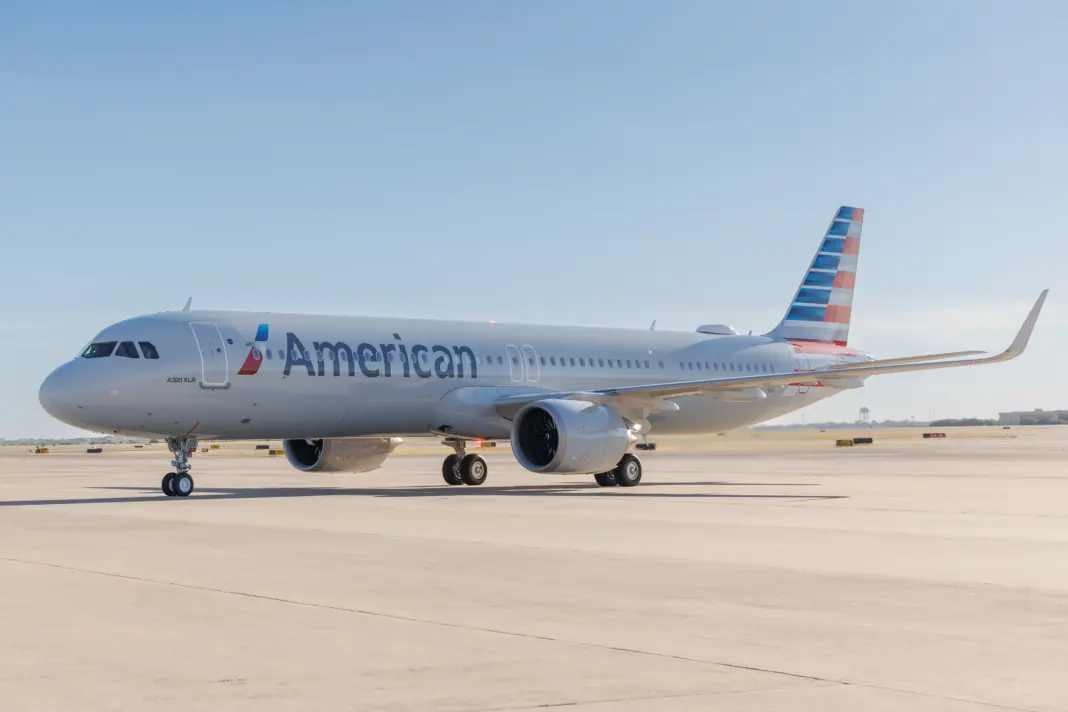

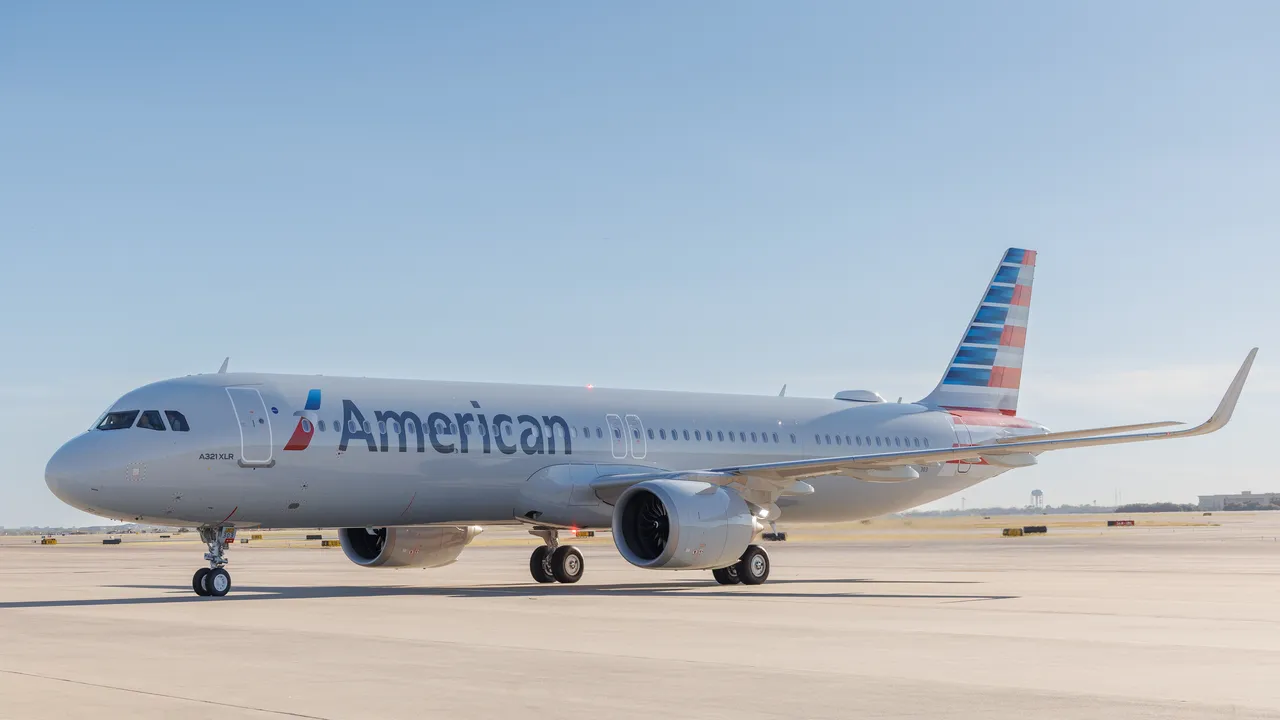
But new aircraft deliveries and technological advancements are changing that. One plane in particular is reshaping how Znotins sees his route network: the Airbus A321XLR.
American was the first US carrier to take delivery of the A321XLR late last year, with 50 of them on the way. This single-aisle Airbus features the airline’s new Flagship Suites, along with a premium economy and economy cabin.
More importantly, however, the plane is capable of flying between continental Europe and the US East Coast. With only 155 seats, the A321XLR is a significantly smaller aircraft than what’s traditionally been used to cross the Atlantic.
“Vienna and Porto are prime examples of what we can do with this aircraft that we couldn’t before,” Znotins says. “We’re competitive to smaller, thinner destinations where a wide-body would be too big.”
In August, American announced new long-haul routes for 2027; among them are New York to Nice and Amsterdam, along with Philadelphia to Porto and Vienna. These four routes will be operated exclusively by the A321XLR jet.
Seasonal shifts
Having another type of aircraft also changes how American thinks about seasonal shifts in demand. Historically, European travel spiked in summer before falling off sharply in fall and winter. However, that’s changing, as travelers continue to visit in milder months with fewer crowds.
“Something that we’ve seen in the last few years has been the seasonal creep,” Znotins explains. “We’ve got a tremendous opportunity to tap into those demand streams.”
Therefore, a seasonal route like New York to Barcelona, which is flown by a larger wide-body plane, can now switch to the A321XLR in the winter months. More importantly, American can maintain service year-round.
Reacting in real-time
External forces, like geopolitics and fuel prices, factor into network planning, too. Znotins says that if it weren’t for outside influences, an airline could simply set its network and let it run on autopilot.
Instead, a conflict that closes airspace or a spike in fuel costs may force his team to react. Airlines also don’t want planes to sit idle, so they have to be shifted to wherever they can be flown most efficiently.
Companies that have a corporate contract with American can influence schedules. For instance, a second daily daytime flight between New York and London Heathrow starts in the spring, because business travelers had specifically requested it.
“This flight schedule is really popular with our corporate clients who can get a full night’s rest before their business meetings without burning another day away from home,” Znotins says.
A hundred years of new routes
A century ago, a small biplane carried mail from Chicago to St. Louis, becoming the origin story for American. The carrier later pioneered nonstop service between New York and Los Angeles in the 1950s, with a Douglas DC-7.
“American has, along with the industry, expanded its horizons as new aircraft and new technologies become available,” Znotins notes.
Now, the airline operates more than 6,000 flights a day in more than 60 countries. As for what other routes might be on the horizon, Znotins wouldn’t reveal specifics, but pointed to “opportunities to fly to secondary destinations in Europe, North Africa, and South America.”


