

This post was originally published on this site.
How to see July’s full Buck Moon as it rises in the night sky
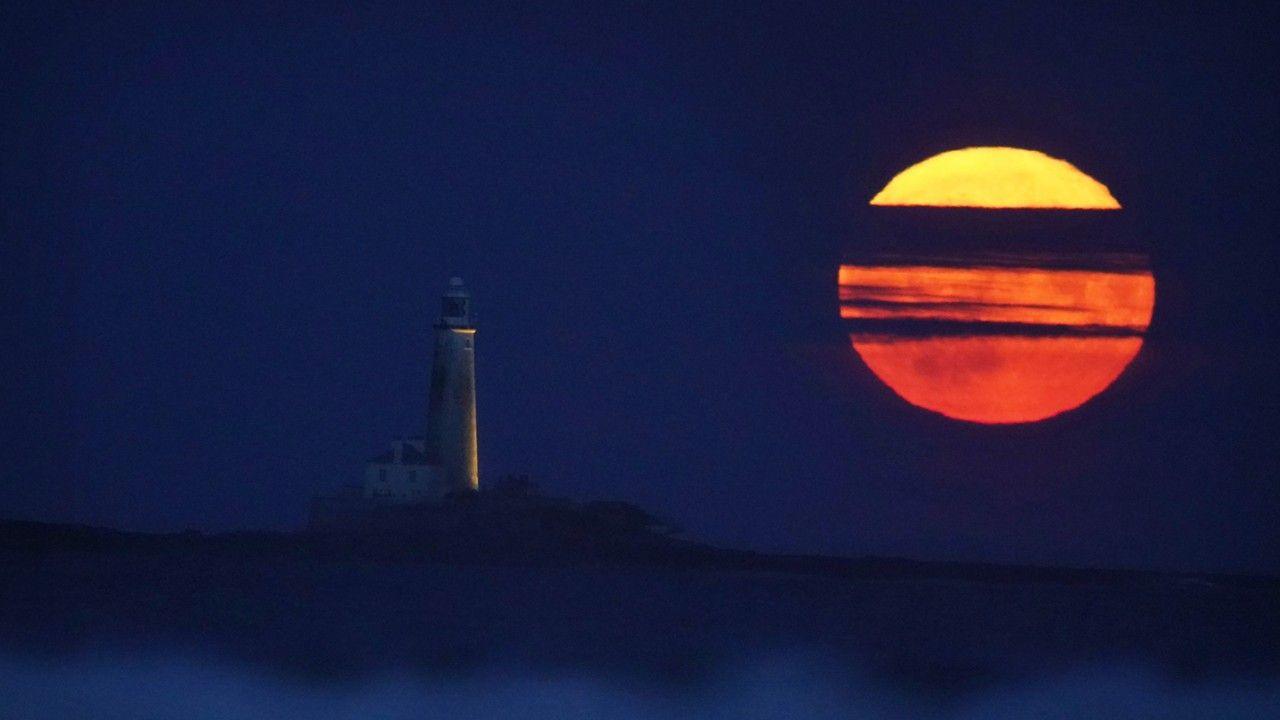 Image source, PA
-
Published
The July full Moon, also known as the Buck Moon, will light up the night sky across the UK in the coming week.
The second of three full Moons this summer, it is set to peak at 15:36 BST on 29 July.
The exact moment of its maximum fullness will be missed across the UK as the Moon will be just below the horizon.
However, skygazers won’t miss out; it will still appear as-full to the naked eye overnight on Tuesday and Wednesday.
Why is it called the Buck Moon?
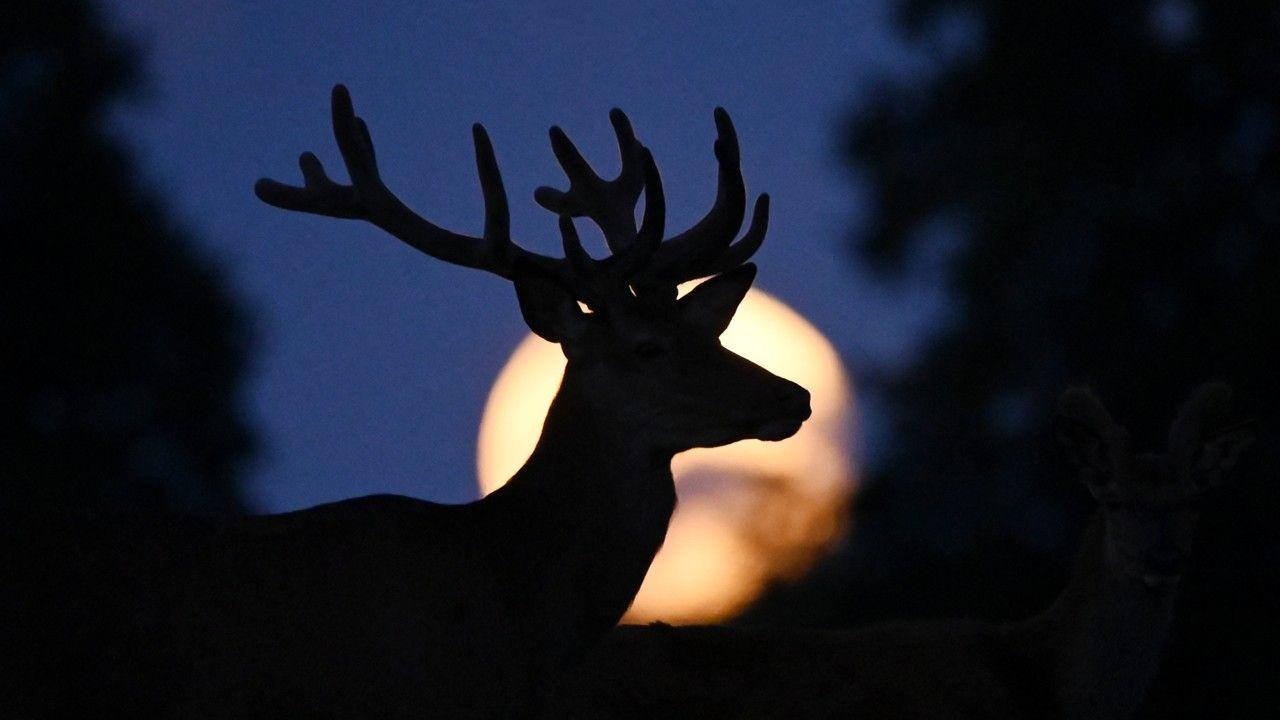 Image source, Anadolu via Getty Images
As with the other full Moons across the year, it gets its name from events happening in nature around the same time.
Full Moons were given nicknames around the world as people used them to help keep track of time and monitor the changing seasons.
The July full Moon gets its name from the time of year when male deer, or bucks, rapidly grow a new set of antlers.
The Royal Observatory in Greenwich also refers to this Moon as the Thunder Moon, due to the summer storms that often happen in this month.
Other names include the Hay Moon, after the July hay harvest, external.
Will I be able to see it?
Based on current forecast models, there is a good chance of seeing the Buck Moon across much of the UK on the night of 29 July – particularly in central, southern and eastern areas where skies are expected to remain largely clear.
Northern and western parts of the UK may see a little more cloud at times, but widespread cloud or prolonged rain doesn’t look likely.
Across England, the weather will remain settled with largely clear skies after dark.
It will remain very mild overnight with light winds and only a little patchy cloud, so viewing conditions should be favourable.
For Scotland, Wales and Northern Ireland, the weather is expected to be a little more mixed, with variable cloud, the odd shower and some clear spells.
Scotland is likely to see the largest amount of cloud, especially in western areas. Eastern and northern districts will have better luck with clear spells between any showers.
What else is happening in the summer sky?
The Buck Moon is just one of a number of celestial sights to look for this summer.
The Perseid meteor shower is also active throughout the rest of July and much of August.
The peak takes place overnight on 12 August into the predawn hours of 13 August.
The shower will also coincide with a spectacular solar eclipse, external.
The 12 August eclipse will be the first total solar eclipse visible over mainland Europe since 1999, with Spain and northern Portugal being the only places to see totality.
In the UK, we will be able to see a partial eclipse when the Moon will cover around 90% of the Sun at its peak.
A partial lunar eclipse will then follow in the early hours of 28 August.
-
-
Published2 days ago
-
-
-
Published3 days ago
-