
This post was originally published on this site.
Primark’s new ‘supermarket tactic’ to woo customers in online price war
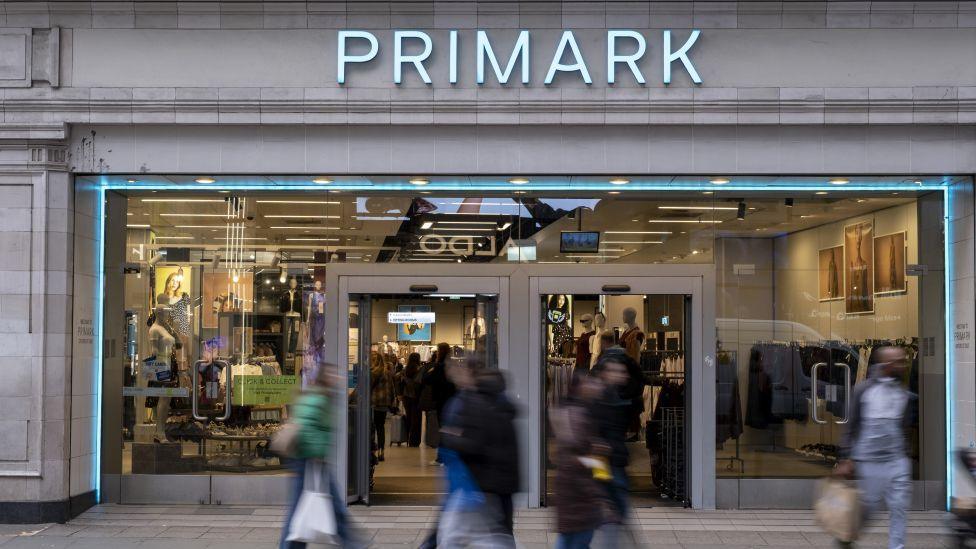 Image source, Mike Kemp/In Pictures via Getty Images
-
Published
“Primark isn’t as cheap any more.”
It is something I keep hearing shoppers say when I ask them whether they shop at the fast-fashion giant.
“It’s definitely got more expensive,” says 19-year-old student Eshal Malik as she browses the jewellery at Primark with a friend.
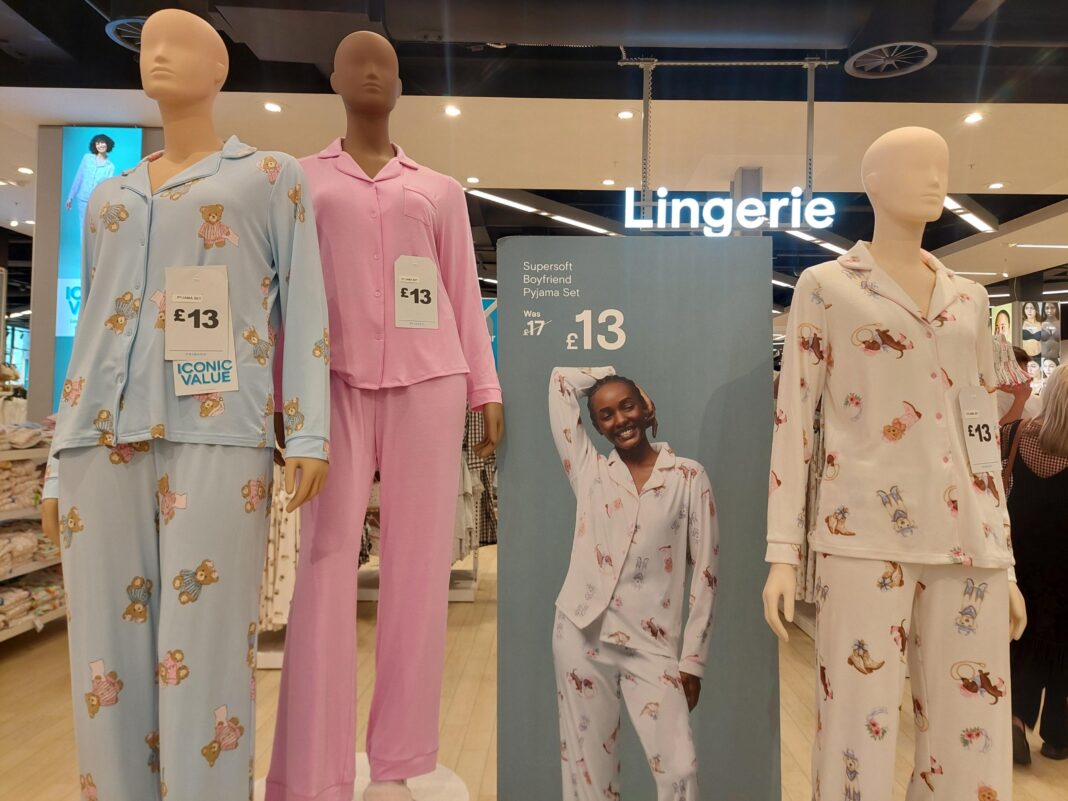
But that might be about to change. Primark said on Monday that it was lowering prices on hundreds of clothing items, including jeans, jumpers and socks.
“It’s the kind of headline you’d expect from M&S or Next,” says retail analyst Natalie Berg, explaining that price cuts like this from such a low-cost retailer are surprising.
“You don’t want to join a race to the bottom,” she says. “But when Shein is selling dresses for £3, you’ve got to respond, right?”
Primark, which has more than 190 UK stores, has been experiencing a drop in like-for-like sales, a key measure in the retail industry.
Increases to the price of fabric, minimum wages, shipping and energy costs and a focus on higher standards overall has contributed to the rising price of clothes for the likes of Primark in recent years.
The announcement of price cuts comes ahead of parent company Associated British Foods’ plan to spin off the business onto the London stock market next year.
The level of competition among fashion retailers has “evolved dramatically” over the past few years, and Chinese online marketplaces Shein and Temu are now competing for Primark’s customers, says Berg.
But there is also competition from other online retailers like TikTok Shop and Vinted, she says.
By slashing prices on some core items, Primark is likely hoping to woo shoppers with low-cost staples, in the same way that supermarkets attract customers with cheap milk and bananas, Berg says.
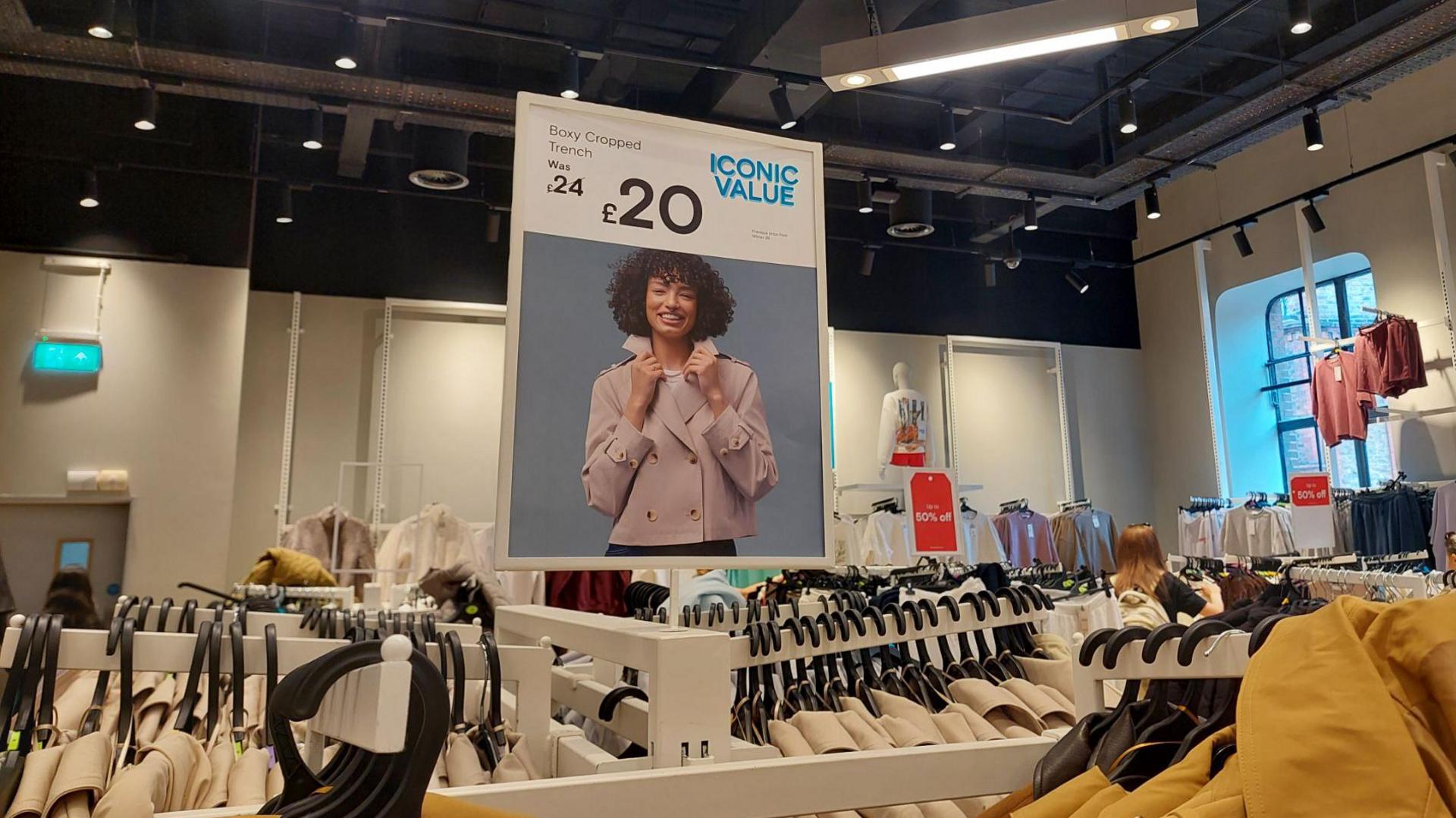
When Tasneem Jafar wants to buy new clothes, the first place she looks is Primark.
The 32-year-old from Salford has been shopping at the fashion retailer since she was 16, picking up jeans, T-shirts and beauty products.
But for the past few years, Tasneem has also been buying clothes from Temu.
Roughly every six weeks, she orders three or four new pieces of clothing from the retailer, she says.
For student Eshal, part of the reason Primark feels more expensive is because she knows how low prices are at Shein. She says she buys going-out tops for less than £10.
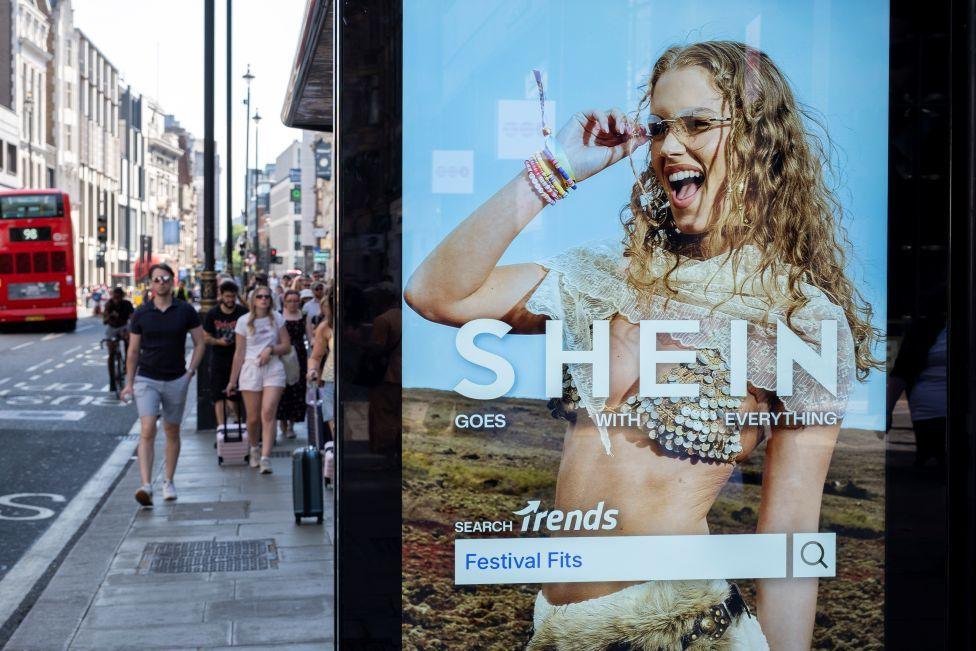 Image source, Mike Kemp/In Pictures via Getty Images
Temu and Shein have been able to undercut traditional retailers like Primark because they do not pay for physical locations, most of their packages are exempt from import duties – though this exemption is set to end in October 2028, external – and they have an efficient operating model that leaves them with little unsold stock, says Berg.
Currently low Shein prices are seen as the new baseline, Berg says. And they are luring in younger shoppers.
According to Mintel research from July 2025, 32% of women aged 16-34 who buy clothes online said they had shopped at Shein during the previous year.
Low prices, abundant discount codes and seemingly endless pages of products all feed into its attraction.
Primark, in contrast, has a click and collect service but does not offer delivery – a decision it has previously said was a “deliberate choice to streamline operations and pass the savings directly to customers”.
Fast fashion is a term coined to describe the rapid turnover of fashion trends with cheap, mass-produced clothing. The practice has an environmental impact, using a lot of natural resources and creating greenhouse gases which are responsible for climate change.
Overall, the fashion industry is responsible for around 8% of global emissions, according to the United Nations, external, which is more than aviation and shipping combined.
Critics of Shein have called for a boycott of the global behemoth over the environmental impact of fast fashion, working conditions in its Chinese factories, and the sale of childlike sex dolls on its website.
Allegations surrounding the sale of the dolls first came to light from France’s anti-fraud office in November 2025. Shein at the time promised to co-operate fully.
Some shoppers think better value for money can be found elsewhere on the High Street.
Isobel Guffick, 30, from Staffordshire, feels Sainsbury’s Tu range has greater quality clothes for similar prices. It is “really good for basics”, she says.
To save money, she also buys clothes secondhand where possible, from charity shops, car boot sales and sites like Vinted.
She visits charity shops every week and loves the “treasure hunt” feel of finding a bargain.
 Image source, Isobel Guffick
As well as lowering prices, Primark says it is making improvements to the quality, fit and style of clothes.
The cost-of-living crisis is also affecting how much people spend on clothes, says Mintel analyst Bridget McCusker.
About a third of clothing shoppers say they have bought clothes less frequently compared with the previous 12 months, according to a Mintel survey.
Shoppers are more focused on getting value from their purchases, such as thinking about cost per wear, McCusker says. In Primark’s latest trading update, it referred to a “challenging consumer environment”.
Getting a couple of pounds off a jumper or a pair of jeans might not seem like a lot to a customer, but for a shop with tight margins like Primark, how might this affect the business?
“Our business model and focus on buying at scale and keeping costs low helps us to offer the prices we do, but we don’t compromise on quality or ethics to do that,” a Primark spokesperson told BBC News.
In its latest annual report, it said that about 85% of its products are £10 or less.
Crucially, the new lower prices do not cover everything Primark sells. McCusker describes the price reductions as a marketing exercise designed to bring in more shoppers – and says that even if they are drawn in by the lower prices of jeans or jumpers, they’ll probably end up putting other items in their basket, too.
“Primark is known for that impulse nature,” she explains.
One big issue for some fashion retailers is having big piles of leftover stock that has to be discounted heavily so they can shift it. Primark will be expecting that the price changes “will help them shift stock, meaning they don’t have to discount too much any further,” says AJ Bell analyst Russ Mould.
Ultimately analysts think Primark’s new pricing is in response to a highly competitive retail environment.
“When it comes to staying relevant to customers today, you have to offer value for money,” Berg says.
“Especially if you are meant to be the value fashion retailer in the UK, you have to deliver on that promise.”
More weekend picks
-
-
Published12 January 2025
-
-
-
Published16 August 2025

-
-
-
Published17 August 2025
-