
This post was originally published on this site.
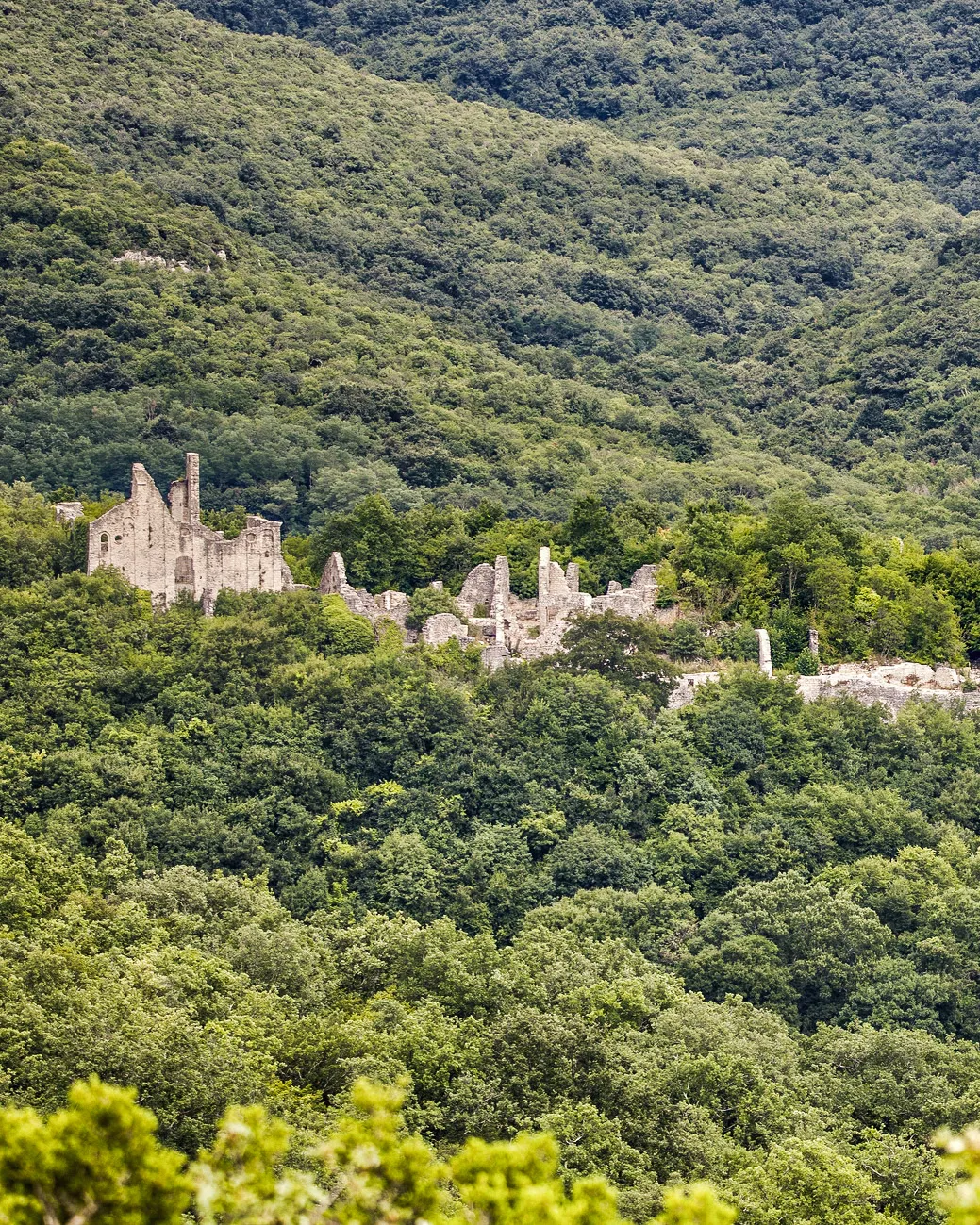
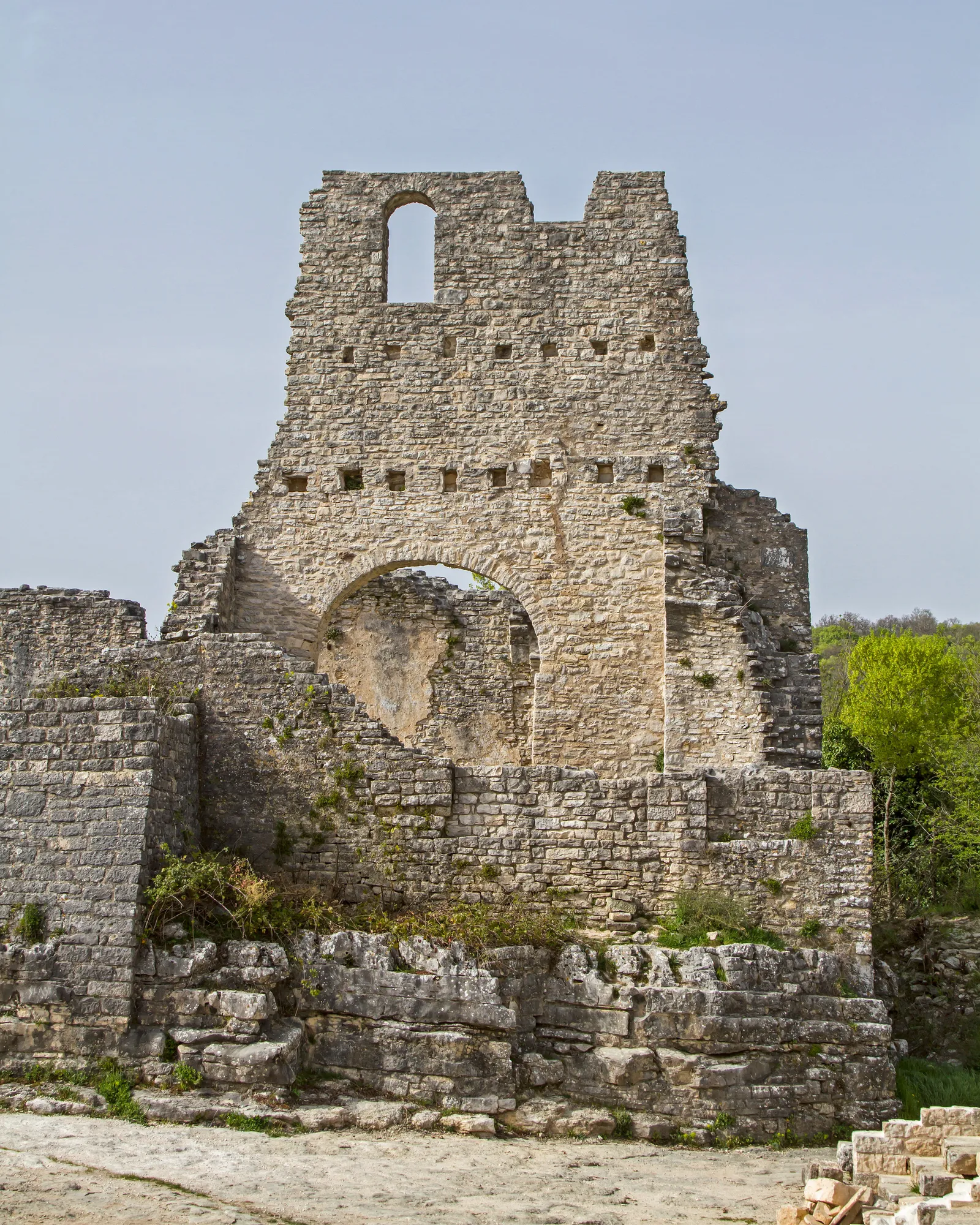
The first ghost towns I ever remember visiting were the abandoned hillside villages high above the Adriatic Sea. My grandparents had a house in a tiny town on the Dalmatian coast, halfway between Split and Dubrovnik, and every summer before the war we would climb the old sheep trails up through the dry yellow grass to the ruins. Along our stretch of coastline, almost every seaside town boasted an abandoned, hillside twin, a relic of times past, when life at higher elevations kept villagers close to the sheep they grazed, and safe from pirates and invading Venetians. Then, as borders were redrawn and enemies dwindled, earthquakes struck and maritime trade took hold, the people of those old villages followed new prospects down to the sea. In their absence, the stone houses fell silent. Hardy vines crept up the walls. Roofs caved in. By the time I was five years old, exploring them in the late 1980s, the villages were largely the province of stray cats. Once in a while, some solitary elder might nod from a porch chair at the sight of my grandfather and I passing.
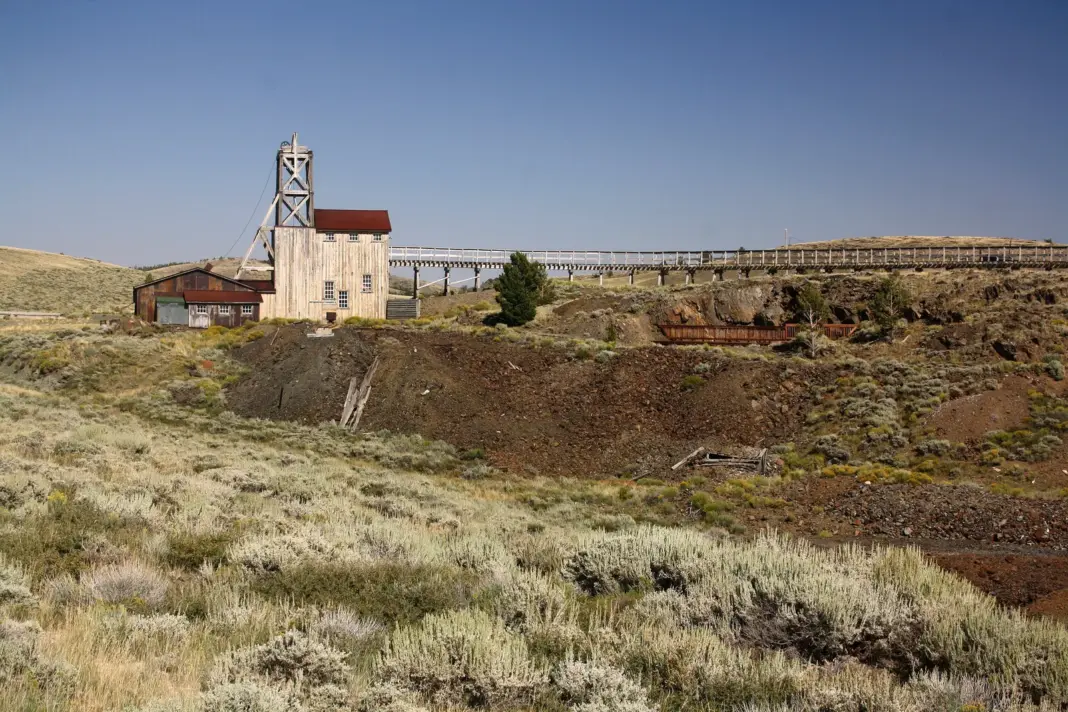
This early fascination with abandonment and decay is why I have found myself so drawn to ghost towns of the American West. For the past few years, I have lived in Wyoming, a state built from boom-and-bust history, and therefore a place rife with ghost towns. Some of them, like Kirwin—a former gold and silver boomtown deep in the Absaroka Mountains—are impossibly isolated, accessible only by ATV. Others hardly qualify as towns at all, just a smattering of buildings on some gravel road since displaced by a bigger, faster, more serviceable highway.
The most renowned of them, South Pass City, served as a touchstone for my latest novel, Sunrise. It sits in a high-country valley in Fremont County, which along with Miner’s Delight and the still-inhabited Atlantic City, comprises the historic Sweetwater Mining District,a gold-mining region with as Spaghetti Western-ish a moniker as one could imagine for a complex sitting at the threshold of Wyoming’s mighty Wind River range. The town is named for its proximity to South Pass, a route used by the Shoshone, Absaroka, and Cheyenne people for hundreds if not thousands of years, which, once revealed to fur trappers in 1812, accelerated the stream of American settlers on the Oregon and Mormon trails over the Continental Divide. It was always a profoundly isolated and rugged place, even after the 1867 discovery of gold transformed it into a boomtown overnight. The few people coming through South Pass City now—usually tourists heading for Yellowstone, or hikers testing their mettle on the Continental Divide Trail—would suspect that Mark Twain once stopped here on his way west and wrote effusively of being spellbound by the sight of “banks of snow in dead summer time.” Or that women’s suffrage in America was first secured here thanks to a bill introduced in 1869, back when it was called Wyoming Territory. Or that the nation’s first female justice of the peace, Esther Hobart Morris, served a term here when her predecessor resigned in protest over the passage of that very bill.