
This post was originally published on this site.
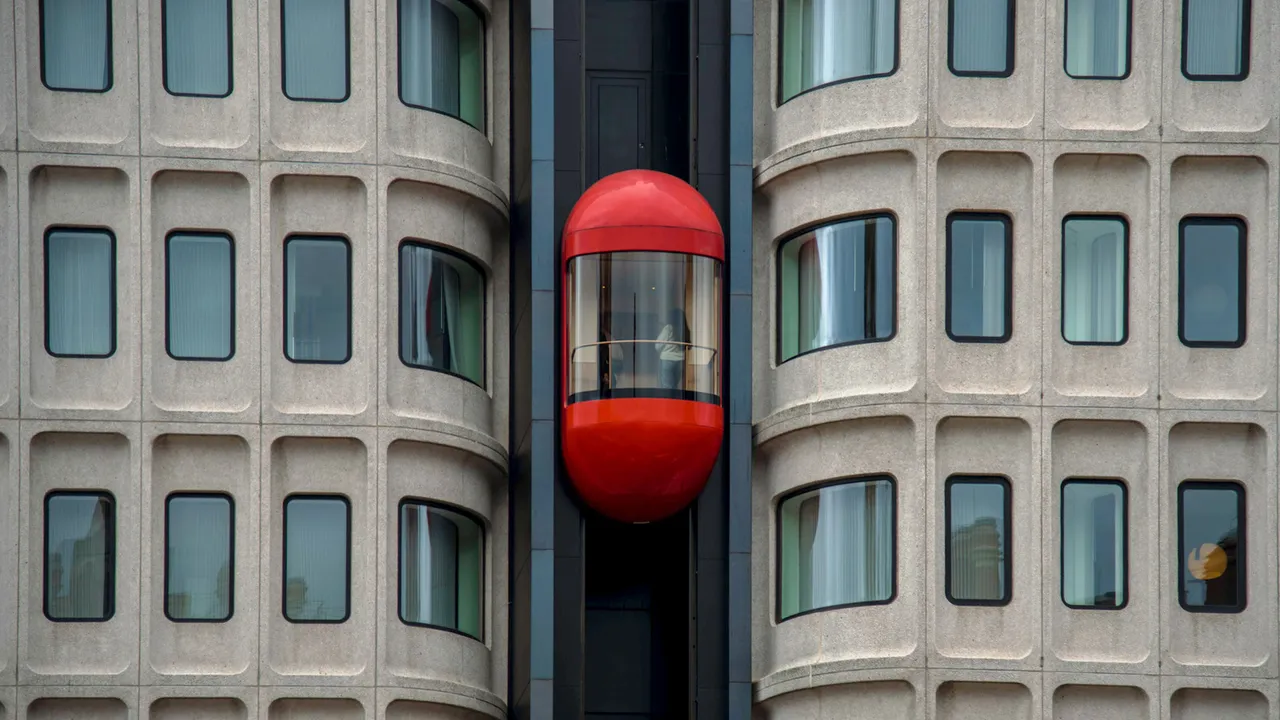
The mark of a great hotel can generally be boiled down to how frictionlessly it executes the floor routine between check-in and check-out. While tactful discretion is always appreciated, it’s the flourishes and the flair that guests write home about. Maybe it’s a welcome drink that comes right before your breaking point at the end of a weary travel day, or the heated tile in your bathroom that staves off the shivers through your post-shower routine. When a hotel gets all the little things right, it can make it all the more head-scratching to encounter what seems like a slip-up. Perhaps you’ve been here before: you’re going up to your hotel room in a high-rise, cast your eyes down for a quick glance at your floor, and notice something amiss. What starts as private doubt shifts into confirmatory eye contact across the elevator car, until it bubbles into the question on everyone’s lips upon taking a second look at the panel—why don’t hotels have a 13th floor?
After you notice it once, you may develop a keener eye for this odd Easter egg everywhere, from everyday residential buildings to soaring skyscrapers to even the booking platforms of airlines like Air France, KLM, Lufthansa, Ryanair, Singapore Airlines, and United Airlines. It’s fair to ask yourself, what in the Wayside School is going on here?
In a nutshell, superstition is the answer to the question: Why don’t hotels have a 13th floor? As Stevie Wonder’s eponymous 1972 hit suggests, there’s something specifically ominous about a 13-month-old baby that puts it in league with the bad juju of falling ladders and broken looking glasses. It’s possible Wonder might’ve thought “triskaidekaphobia,” the formal term for the fear of the number 13, a tough lyric to fit into the rhyme scheme, but he hit the nail on the unlucky number that gets so many people spooked.
In the States, we grow up with the same idiomatic caution around the number 13 that we have for stepping on cracks in the sidewalk, or encountering black cats, and there are several proposed etiologies for its supposed bad luck. You could view it as a vestige of the country’s Puritan beginnings—the number 13 is associated with the apostle Judas Iscariot, the 13th person at the Last Supper, who would go on to betray Jesus shortly after. But the association of messy dinner parties and the number 13 predates even Christianity by some thousands of years, with an early mention in Norse mythology. As the story goes, the trickster god Loki crashes a feast of 12 gods in Valhalla, with his hijinks leading to the death of the radiant god Balder. When it comes to the 78-card tarot deck often used for games, divination, and fortune-telling, the “death” card is also designated as the 13th Major Arcana card. While the card is meant to be interpreted as a token for transformation rather than its literal concept, the association has nonetheless added to the number’s infamy.
Whether you have a fear that’s informed by these specific historical citations, or you just pick up a general bad vibe from the number, the tides of the hospitality industry turn in your favor. Chairman of Marriott International John Willard “Bill” Marriott Jr. responded to the results of a 2007 USA Today/Gallup poll on how consumers felt about the loaded number by saying, “It was one of the first things I learned: Don’t go to 13.” Ironically, part of that survey’s findings showed that 13% of respondents said they’d be bothered by a 13th-floor room assignment. True to Marriott’s words to the wise about catering to one’s most superstitious tenants and guests, the Otis Elevator Company estimated that as many as 85% of their elevator panels are missing a 13th-floor button, according to Realty Times. Even Lufthansa more explicitly responded to a question posted about their missing row numbers with a 2017 X post that read, “Rows 13 and 17 are missing cause these are considered unlucky numbers 😉 #bettersafethansorry.”