
This post was originally published on this site.
Personally, I have never been good at quieting my mind. It has always raced with thoughts—even when I flow through sun salutations during yoga class. And when I finally arrive in savasana (resting pose) those thoughts become louder. It’s as if the stillness stimulates my brain. But something shifted while I was living in Maui throughout the COVID-19 pandemic. During those high-stress months, I found tranquility staring at the night sky.
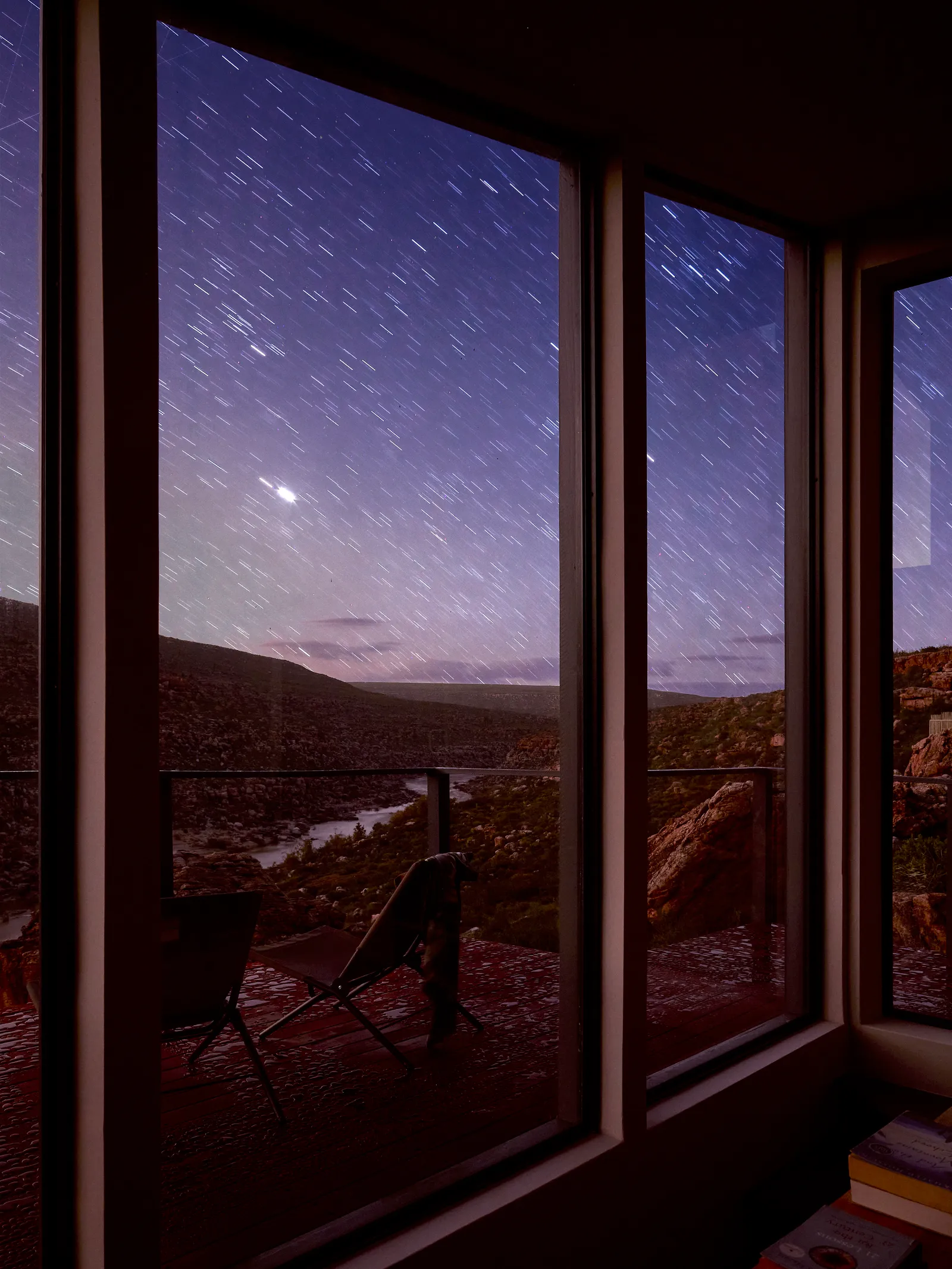
Each night, I’d retreat to the hammock strung between two palm trees in my backyard and watch the stars pop to life like silent fireworks in the heavens. Each evening provided a show far more entertaining than anything I could watch on television. Observing the constellations, the faint glow of distant planets, and the occasional shooting star left me with a sense of awe. And that awe did more than silence my racing thoughts—it felt as if it reset my entire nervous system.
A growing body of research confirms that what I felt wasn’t just some island reverie. We’ve long known that being in nature is good for us. However, most research has focused on daytime behavior; more recently, experts have started to look at nighttime behaviors. Inherently, the night is quieter and stiller than the day.
“It naturally encourages us to shift into a different mode of awareness,” says Mark Westmoquette, an astrophysicist and meditation teacher who runs mindful stargazing retreats across the UK and Europe. “When the light fades, our other senses are heightened, helping us awaken vividly to the present moment.”
Studies have shown that losing yourself in the night sky can help calm the nervous system and increase happiness. It also stimulates curiosity, and curiosity leads to wonder, says Westmoquette. “And wonder is the precursor to feeling awe,” he says. “Awe is well known to have a powerful positive effect on mental health.” Awe also produces a measurable ego reduction, says Heine Rasmussen, a Danish-born astrophysicist and co-owner of Bliss and Stars, a new retreat in Cederberg, South Africa. This psychological mechanism even has a name: the small self effect.
“Your problems, your self importance, your mental chatter all briefly contract when you stargaze,” he says.