
This post was originally published on this site.
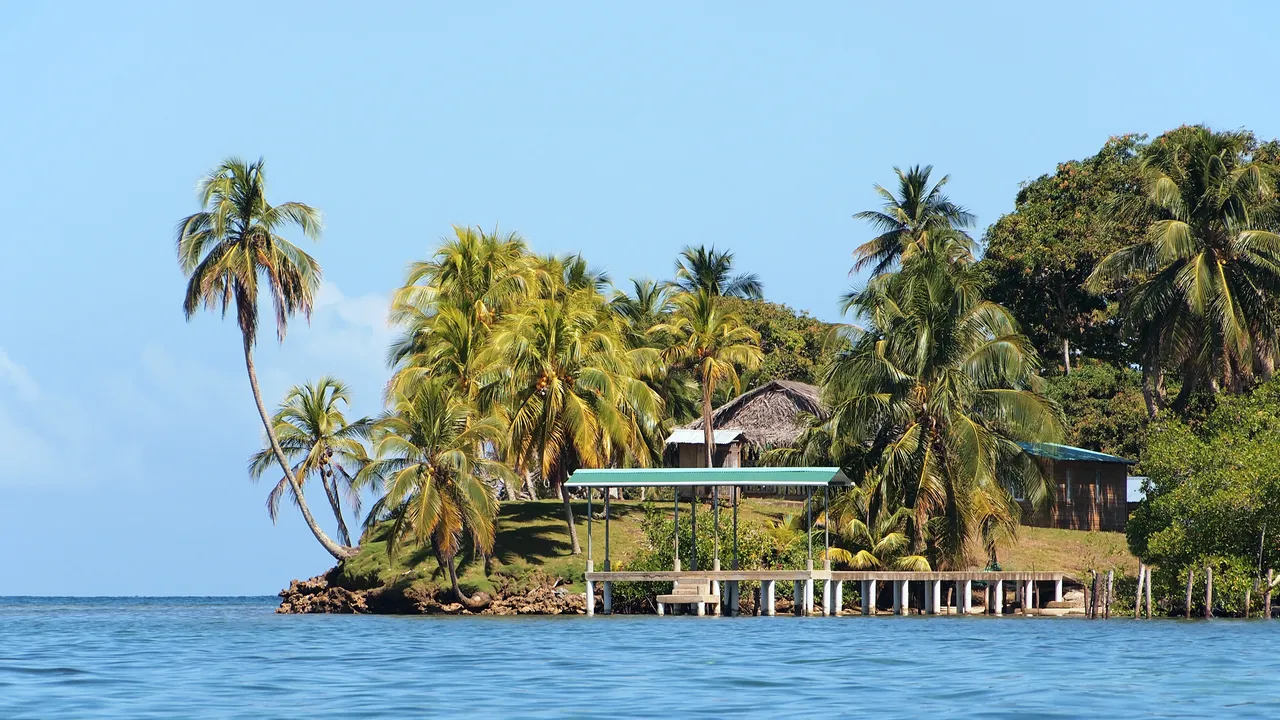
Forget Florida—what better place to spend your golden years than Panama’s storied Casco Viejo district or idyllic San Blas Islands? The Central American country has becoming increasingly popular amongst international travelers, consistently ranking as one of the best places to retire in the world.
Its wide appeal is thanks not only to the dizzying array of breezy beaches at travelers’ disposal along both the Pacific and Caribbean coasts—nor the famous canal that links the two. Instead, many Americans are opting to relocate to Panama because of its affordable retirement visa.
Established in 1987, Panama’s indefinite Pensionado Visa grants permanent residency to foreign nationals who can prove a lifetime monthly income or pension of at least $1,000 a month. However, this income cannot come from personal savings. Accepted sources include government or corporate pension plans, or Social Security payments of at least 1,000 Panamanian balboa (directly equivalent to $1,000, according to Panama’s public security ministry).
That threshold could be lowered to $750 per month if you purchase a local home that costs at least $100,000. But if you want to bring a dependent—such as a spouse or a child—you’ll have to pay an additional $250 per month and dependent.
It’s a great pick for those seeking a lower-cost alternative to post-career life in the US. Retirees can live comfortably in Panama’s largest metropolis, Panama City, for between $1,700 and $3,000 per month. Beyond a lower cost of living, Pensionado visa holders also qualify for a list of discounts, including 25% off local utilities, 50% off entertainment tickets (such as movies and sports), and 15% off personal loans, according to the Panamanian embassy in Washington, DC.
The cuts apply to healthcare, too: 10% off medication, 15% off dental and eye exams, 20% off doctor’s bills, and 15% off hospital treatment (if not covered by insurance)—great perks if you plan to live near the Johns Hopkins Medicine International-affiliated Hospital Punta Pacifica. Visa recipients also receive an exemption from the import tax on certain household goods—a benefit that also extends to new imported cars for personal use every two years.
Discounts aside, the financial prerequisite for Panama’s retirement visa is relatively affordable compared to other countries. The exception: Portugal’s D7 visa, which has a comparable monthly passive income requirement of 920 euros (about $1,055). However, next door, Spain’s Non-Lucrative Visa requires a minimum yearly passive income of 28,800 euros (about $32,860), while Italy’s Elective Residence Visa dictates an annual private income stream of about €31,000 (about $35,250).
To apply, Americans must authenticate the required documents through a Consulate of Panama in the US and hire a Panamanian lawyer to submit their application and required documents (such as health certificates and proof of lifetime funds) locally. According to the Panamanian embassy in Washington DC, applicants must be physically be in Panama when the visa is issued.