
This post was originally published on this site.
Justice secretary apologises to families affected by early release scheme
To play this video you need to enable JavaScript in your browser.
This video can not be played
-
Published
Justice Secretary Alex Norris has apologised to families affected by the early release scheme, saying they were “carrying the can from previous failures”.
Families, including a man whose pregnant partner died after being hit by a speeding driver, criticised the prisoner early release scheme, saying it comes “at the expense of victims”.
Andy Burnham announced that prisoners convicted of rape, grooming, and serious child sex offences will be excluded from the scheme in England and Wales. The prime minister said he wanted to exclude more, but prison overcrowding prevented this.
Calvin Buckley said he was “shocked and disappointed” the killer of his partner and unborn child could be released early.
The mother of PC Andrew Harper also said she was “devastated” to learn two men jailed after her son was killed will still be eligible.
The prime minister said making more prisoners exempt was not possible without the prison system collapsing and putting the public “at much greater risk”.
Justice Secretary Alex Norris also warned a prison capacity crisis would be likely if fewer prisoners were allowed early release.
Norris later said he spoke to the families as “it is really important to express that this shouldn’t be where it is”.
He also said he was confident the prisons would have adequate room now that about 1,000 extra prisoners will not be released early.
“We have modelled it very carefully,” he said.
PC Harper, 28, was killed in 2019 when he was dragged by a car down a country road as three teenagers fled the scene of a quad bike theft in Berkshire.
His family previously said they had received a letter from the Ministry of Justice confirming that two of the offenders could be included in the early release scheme.
While the driver of the vehicle, Henry Long, received a 16-year sentence and would not be eligible, Jessie Cole and Albert Bowers, who were passengers in the car and sentenced to 13 years for manslaughter could apply for early release after serving half of their sentences.
The Sentencing Act was amended in January, with the eligibility for early release based on the length of fixed sentence, rather than the type of offence.
The act already excluded some of the most serious and dangerous offenders, such as murderers serving life sentences or those on extended sentences.
But last month the prime minister promised to “review the policy” and paused the scheme after a backlash from survivors.
Announcing the changes on Monday, he said: “I fully understand the anger, anxiety and distress that’s been caused. I’ve heard that loud and clear.”
But PC Harper’s mother Debbie Adlam, told BBC Newsnight: “It feels like we’re letting Andrew down again” to hear his killers might still be eligible for release.
“We’ve been through the justice system, we thought we’d done as best as we could.
“Now we’re standing up to fight again… so I just feel really let down, for Andrew’s sake as well as ours.”
She added that Norris had called her to explain the situation and apologise.
Later, on BBC Breakfast, Adlam called for more support from the probation service, stressing: “I need to know at the very, very least if they are going to be released that we’re kept in mind of what’s happening and we are informed”.
Other families have also criticised the early release scheme.
Calvin Buckley’s partner Frankie Jules-Hough and unborn child died in May 2023.
“Our justice is being taken away, I understand there’s a crisis, I agree that it needs to be addressed, but not at the expense of victims,” he told BBC Breakfast.
To play this video you need to enable JavaScript in your browser.
This video can not be played
Claire Corkery, whose parents, Sue and Tom, were killed by a speeding driver in January 2024, said “it’s almost like a tiered system, treating what has happened to us as less serious”.
The justice secretary said 5,000 extra releases will take place in 10 batches from October.
But the Prison Governors’ Association (PGA) said it was “unclear” how many prisoners will have their sentences recalculated.
“We don’t know if it is tens, hundreds or thousands,” it said, adding that there will now be “huge pressure on prison and probation staff to get the work of identifying prisoners now excluded and recalculating their sentences done”.
The justice secretary told the Today programme approximately 1,000 prisoners will now not be released early following the revision to the scheme.
“If we drew it any wider we would have a prison capacity crisis,” Norris explained.
Prisoners released on licence, Norris stressed, will be subject to “very significant controls on their lives,” adding victims will be consulted about these.
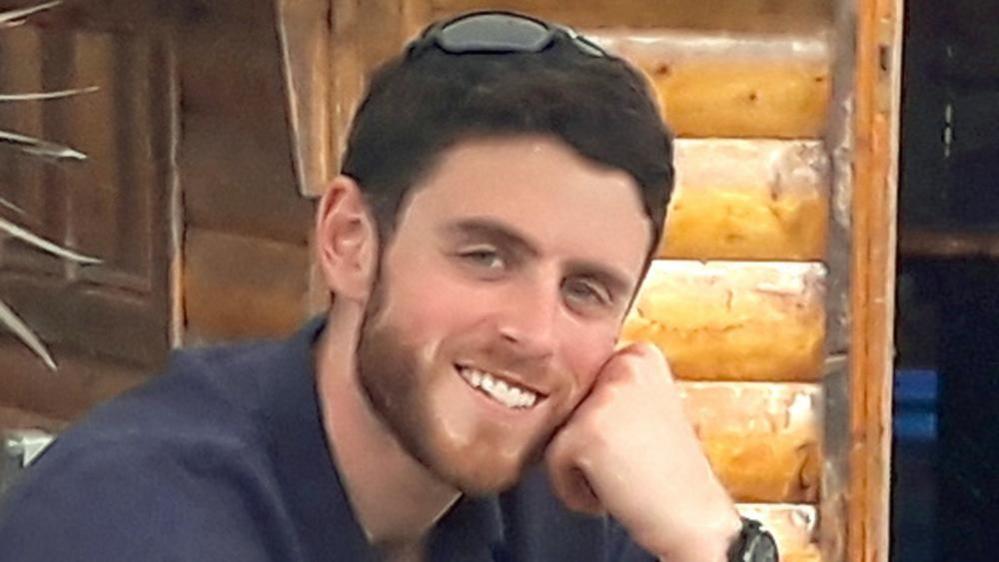 Image source, PA Media
Lissie Harper, PC Harper’s widow, said it was “disgusting” that his killers could be eligible for early release.
She said she was “beyond appalled and bristling with anger to hear that Andrew’s killers are soon to be free to roam the streets”.
And Thames Valley Police Chief Constable Jason Hogg said the decision not to exclude them was “demoralising for all police officers”.
Under the revised plans, rape and child sexual offences will now also be excluded from early release.
This move does not require changes to the existing legislation before October, the government said, but it may make amendments in the future to exclude certain offenders from being released.
Offenders of other crimes serving longer sentences of four years or more will be eligible for release halfway through their sentences rather than two-thirds as had previously been the case.
Those serving less serious sentences could be freed after a third of their time, rather than half.
The changes are due to be phased in, beginning with prisoners serving sentences of fewer than 575 days, going up to inmates jailed for 12 years or more being eligible for early release in June 2027.
The number of individuals released each time will depend on the prison population, which the government says will evolve between now and implementation.
Separately, those who serve the full sentence and are convicted of rape or serious child sex offences will face stronger surveillance after leaving prison, the government said.
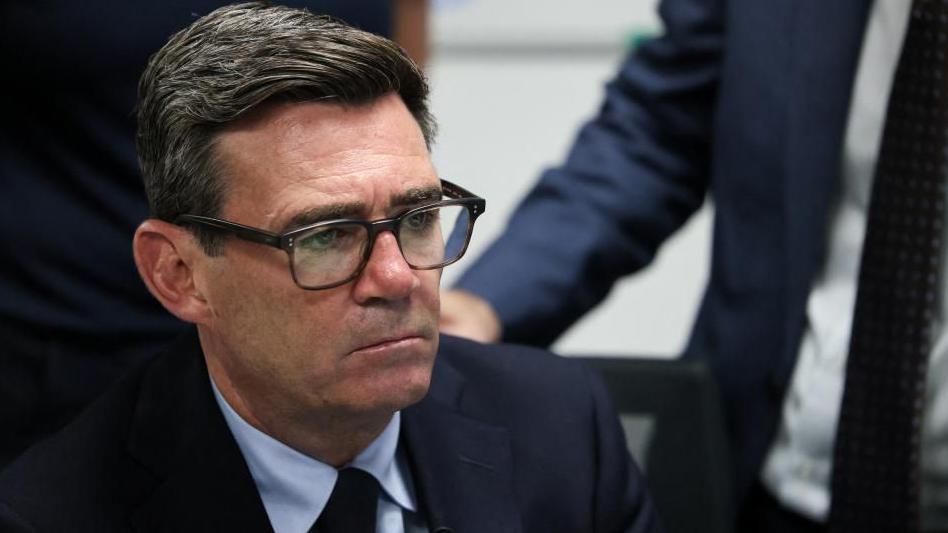 Image source, PA Media
The government also announced an extra £10m will go to front-line victim support services, including a new national helpline.
Burnham, who became PM on 20 July, made the announcement a day before going on holiday overseas.
He is taking a break from day-to-day duties, but staying in contact with officials, the BBC understands.
After the exemptions were announced, Conservative leader Kemi Badenoch wrote on social media: “Yet again victims are learning their fate from press releases” and warned “killers, violent offenders, men who have terrorised their partners and more” will still leave prison early.
Meanwhile, a prison officer told the BBC that “delaying the releases until October could mean we simply run out of space”.
The Victims’ Commissioner for England and Wales, Claire Waxman, accepted the exemptions will feel “like a real injustice” for PC Andrew Harper’s family.
She called on the prime minister to show “proper leadership,” adding “we seem to keep going from crisis to crisis and it’s always victims and bereaved families that pay the price”.
Chief executive of the Prison Reform Trust Pia Sinha told the Today programme there were “no happy solutions”, adding, “in 2029 we will have a mismatch between supply and demand.
“If we keep adding exceptions and exemptions to that, we will diminish the number of people that can be released and we will be back within months to another capacity crisis.”
Domestic Abuse Commissioner Dame Nicole Jacobs criticised the decision to not exclude domestic abuse perpetrators.
“It is critical that no abuser is released in October unless I am confident that victims’ safety is not being compromised,” she said.
-
-
Published2 hours ago
-
-
-
Published5 hours ago
-
-
-
Published5 days ago
-