
Legal bid to overturn Drumcree march ban fails
-
Published
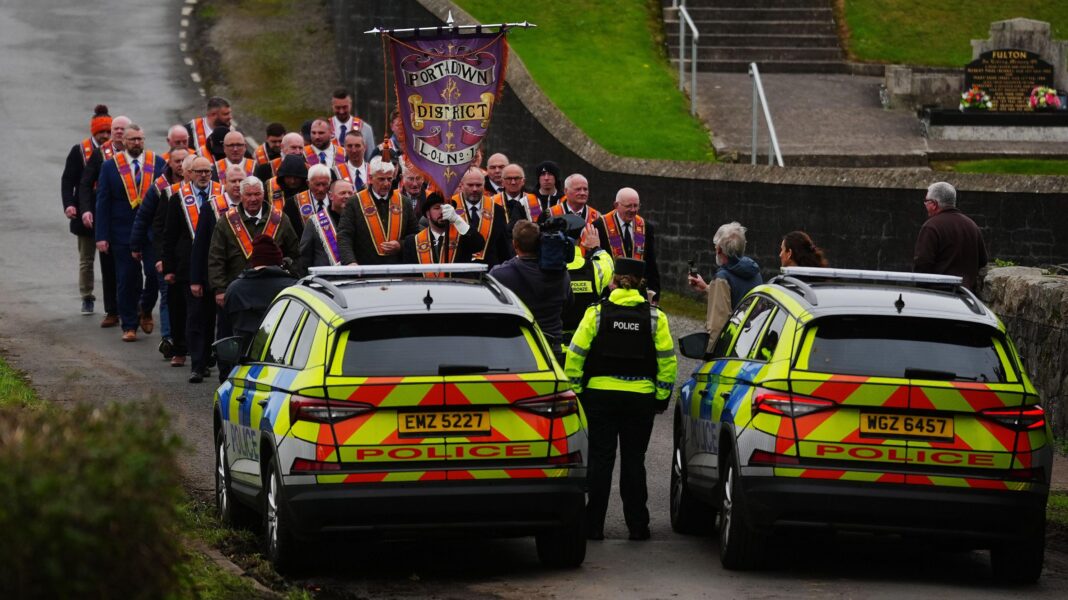
An attempt to overturn the Northern Ireland secretary’s decision to ban the Drumcree parade has failed.
The High Court in Belfast has ruled that Sir Chris Bryant’s decision made on 9 October was lawful.
The judicial review was brought by a Portadown Orangeman against Sir Chris and the Police Service of Northern Ireland (PSNI) Chief Constable Jon Boutcher.
The secretary of state’s intervention to stop the parade came after he received security advice from Boutcher.
A lawyer for the Orangeman told the court that an appeal of the judgment is “likely”.
The Drumcree dispute led to a stand-off between Orangemen and nationalist residents of the Garvaghy Road in Portadown lasting almost two weeks.
Mr Justice Scoffield said: “The secretary of state’s decision was lawful and within the margin of discretion properly afforded him, although it is highly regrettable that it was required in the circumstances which arose.”
He said those who opposed the march should “take no particular joy in the outcome of this case”.
The judge added that “the position which has now been reached has been brought about at very significant cost to the people of Northern Ireland – financially, through the diversion of police resources, and in terms of community relations”.
“Depressingly, the threat of serious and widespread disorder has loomed large,” he said.
He went on: “Significant concerns have now been expressed about respect for the rule of law in this jurisdiction.
“That includes among some elected representatives, by reason of their participation in the unnotified protest.”
-
Dissidents may have mounted gun attacks on Garvaghy Road, court hears
-
Published19 October
-
-
Orange Order add police chief to court challenge of Drumcree parade ban
-
Published12 October
-
-
What is the Garvaghy Road dispute all about?
-
Published29 September
-
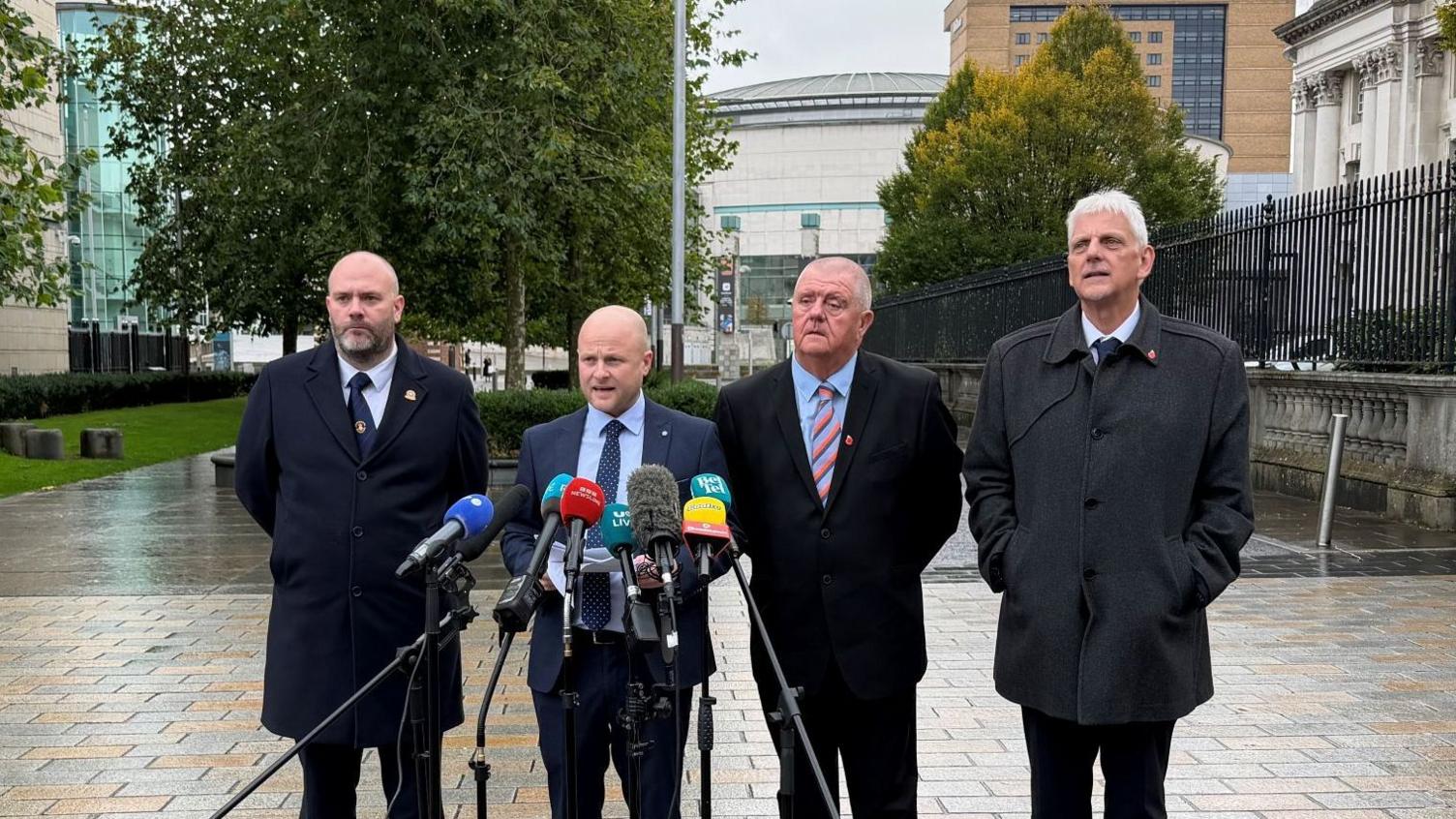
The Traditional Unionist Voice (TUV) leader Jim Allister maintained his position that “the legality of the right of Portadown District is not removed.
“Though, I note the severe criticisms of the protesters, this outcome carries the risk of more of the same.”
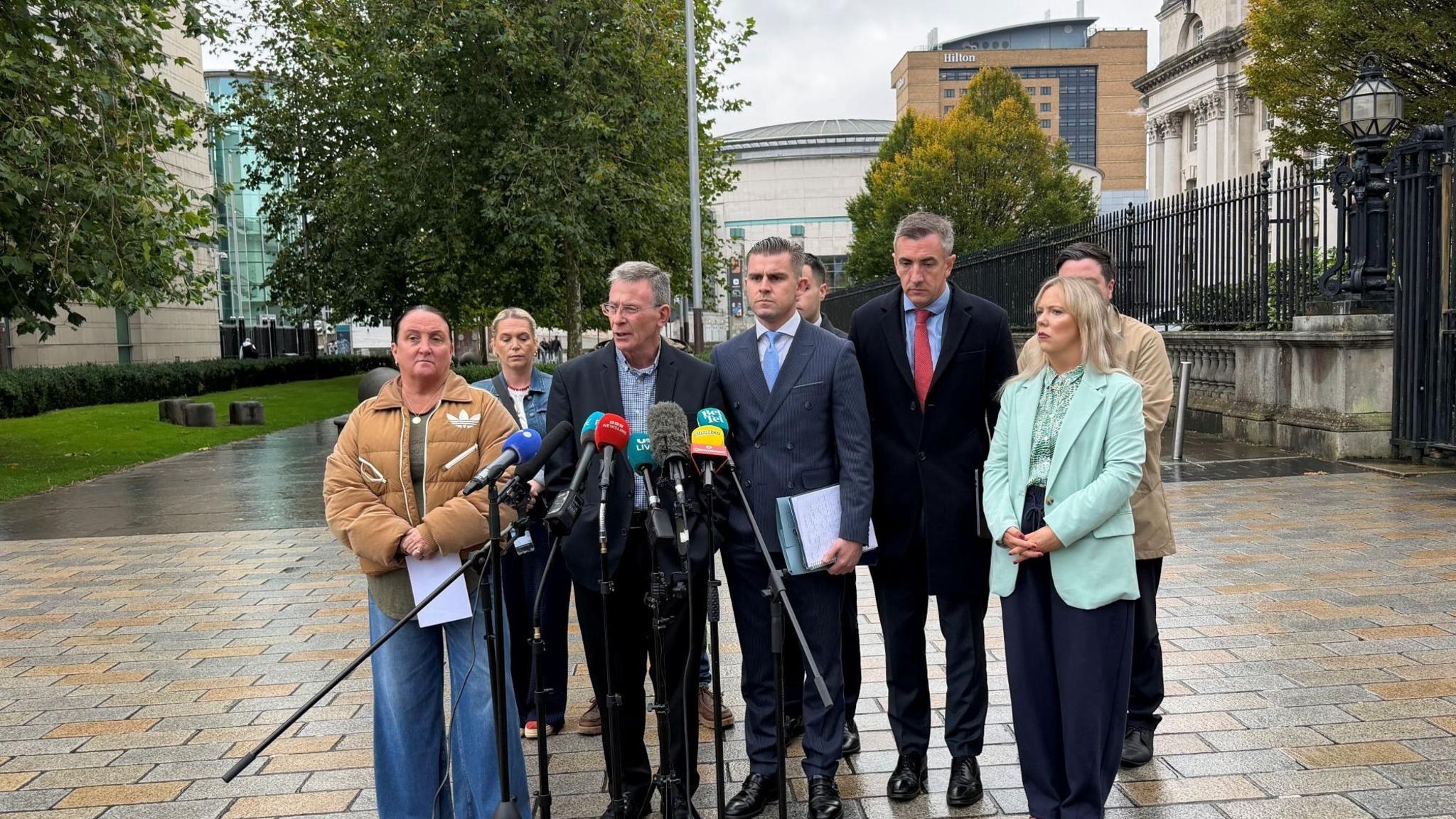
Speaking outside the courts Sinn Féin MLA Deirdre Hargey said that she believes defending the residents “was the right thing to do” and that they “make no apology for that”.
Hargey said that the recent events in Portadown have “set the work back” of community relations and said no one in “the community in Portadown or more widely, wants to go back to the days of 28 years ago”.
Before the parade was banned, the chief constable had written to Sir Chris stating: “The PSNI’s current assessment is that all available, lawful and proportionate options to facilitate completion of the procession have been exhausted.
“Any remaining options would require a substantial public order intervention and this is not assessed to be proportionate, and which would carry an unacceptable risk of serious injury, disorder and a wider contagion affect across Northern Ireland.”
Last week, the court heard PSNI intelligence information that dissidents may have mounted gun attacks on the police had officers cleared a path for the parade.
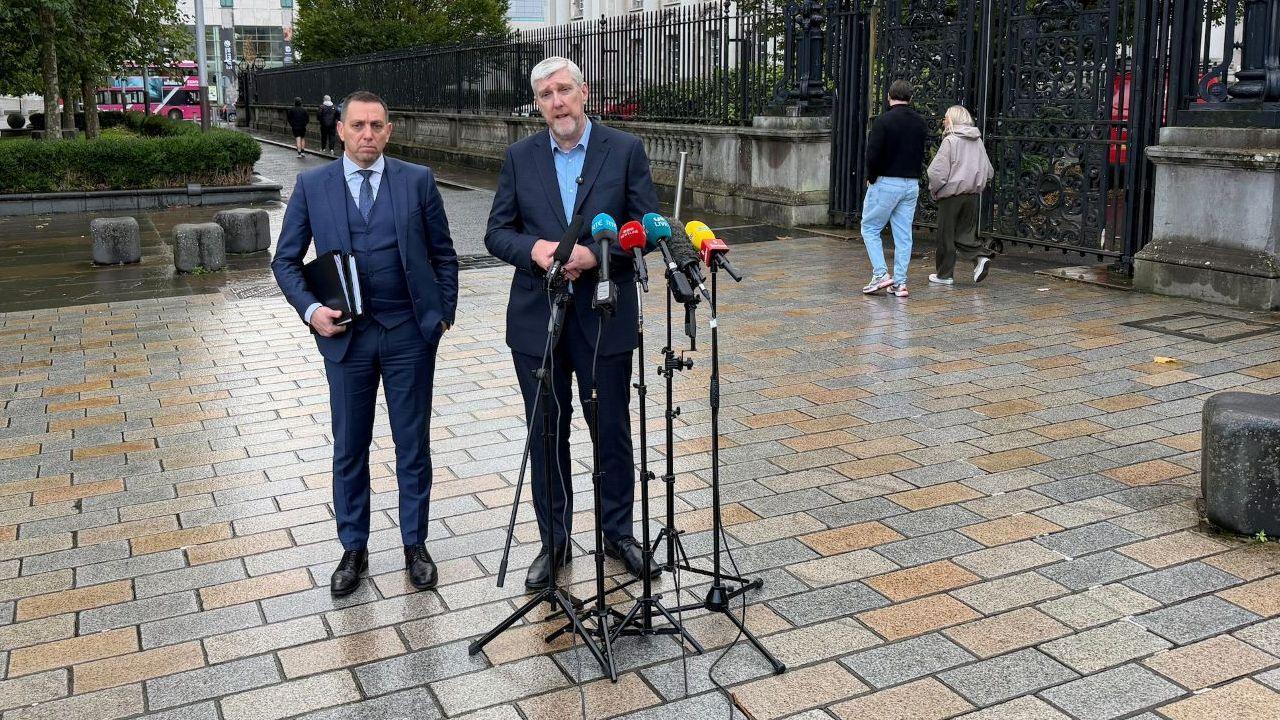
The Garvaghy Road residents’ case is that the Northern Ireland secretary’s decision was lawful.
Senior Sinn Féin politicians have attended police interviews over their roles in the protest. They have defended their attendance and said they “stood with the residents on the Garvaghy Road”.
On Wednesday morning, the Finance Minister, Sinn Féin MLA John O’Dowd said he had been “attending a police interview in regard to his attendance” at the protests on the Garvaghy Road.
What is the Drumcree dispute?
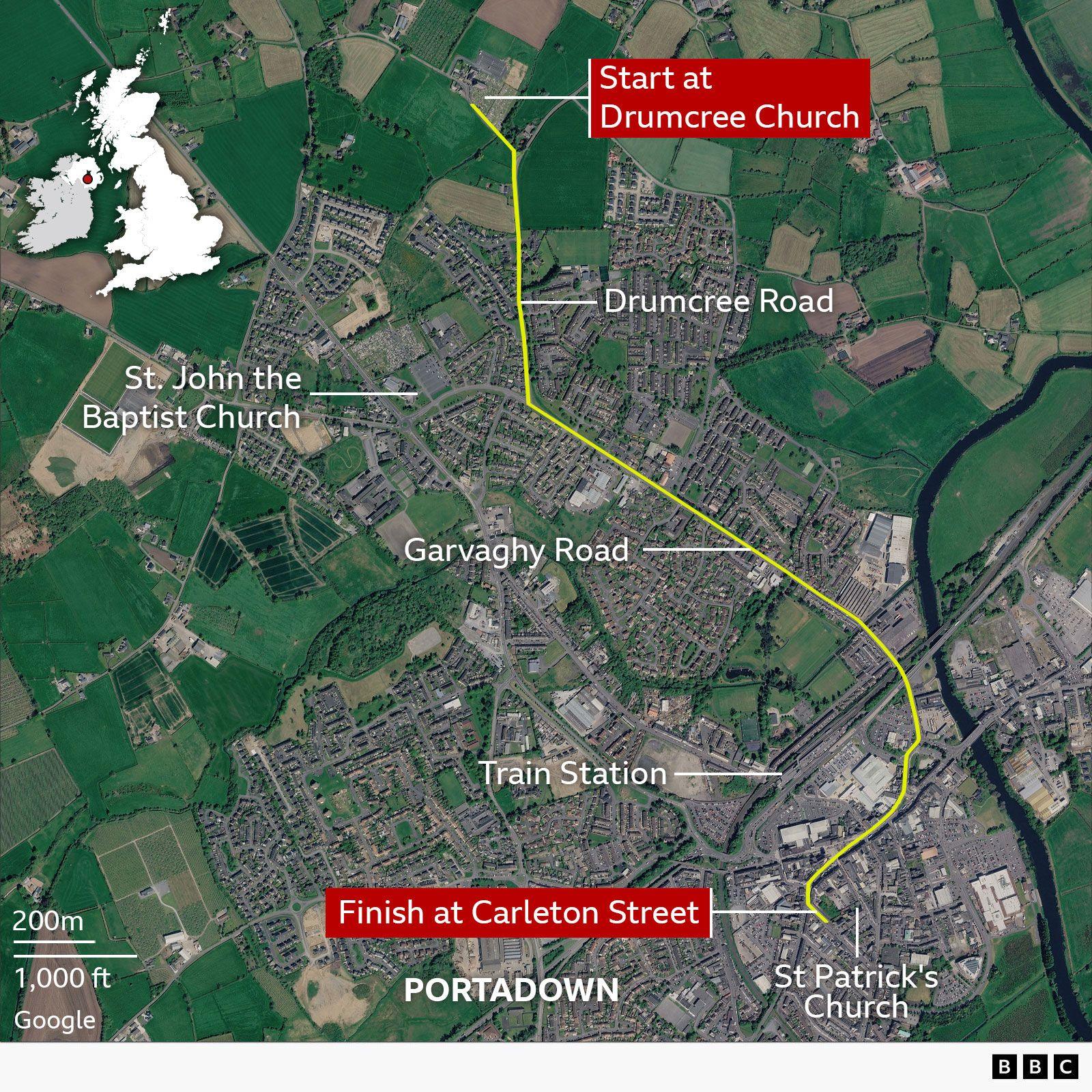
The latest flare-up of the Drumcree dispute has featured a number of legal challenges, involving the Parades Commission, Orange Order and Garvaghy Road residents.
The dispute first came to prominence in the mid-1990s and almost derailed the Northern Ireland peace process at the time.
When the Orange Order was prevented by police from walking down the route in July 1995 there was a tense stand-off. It was the same for the next three years.
The Parades Commission began operating in 1998 to regulate parades and try to defuse tension around marches.
Its decision not to allow a march down the Garvaghy Road that summer has been challenged by the order for the past three decades.
Last month the Parades Commission decided that the march could go ahead on 27 September with restrictions in place after its original decision to stop the march was overturned in court.
That morning, up to 1,000 people – including politicians such as First Minister Michelle O’Neill – blocked the road, preventing Orangemen marching from Drumcree Church a mile to the west.
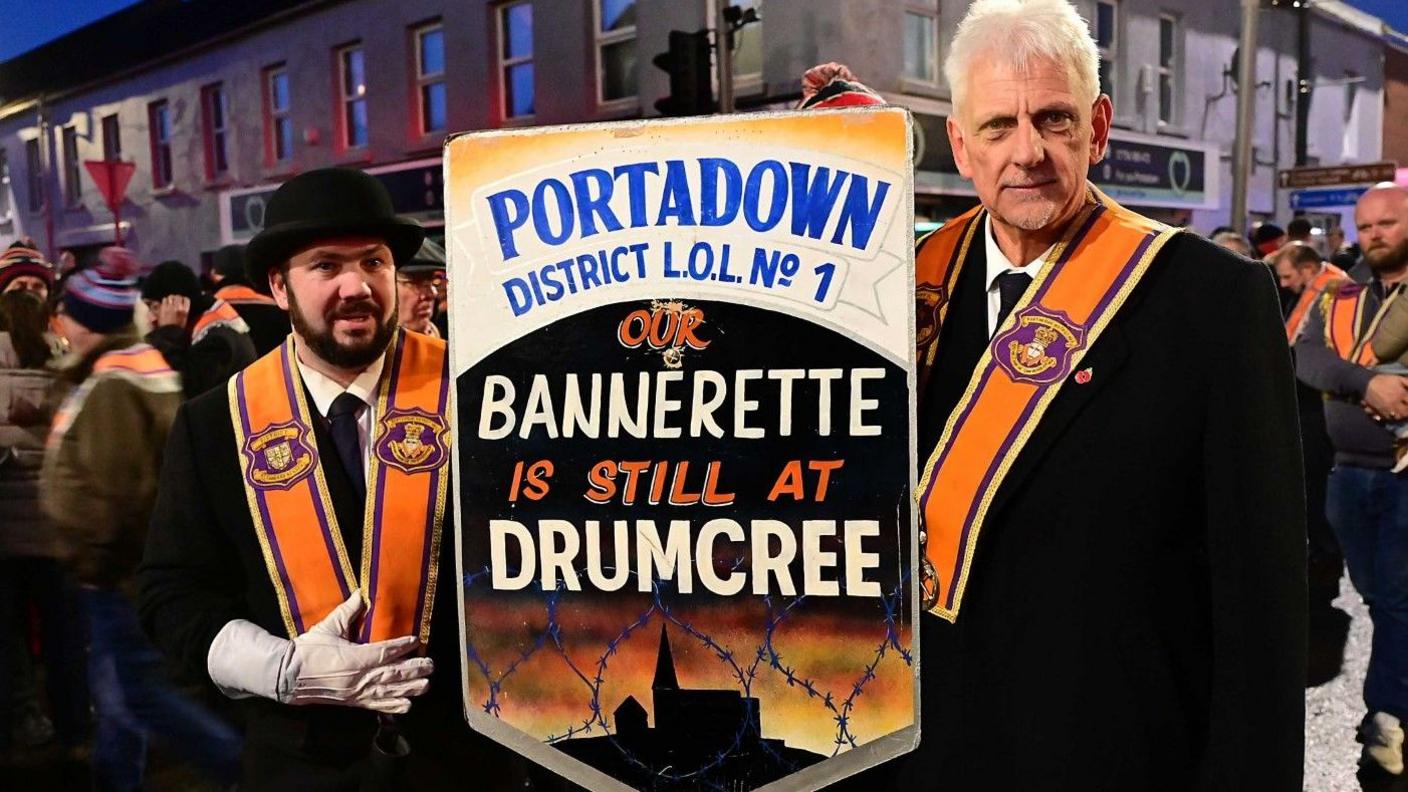
An almost two-week-long stand-off began between protesters on the Garvaghy Road and members of the Orange Order and their supporters.
Since Sir Chris’s decision to ban the parade almost three weeks ago, the daily protests have dissipated with the action mostly moving to the courtroom.
-
-
Published3 days ago
-