
This post was originally published on this site.
Maneuvering through commercial construction financing rates can be challenging, but comprehending the process is vital for securing the best terms for your project. Start by researching various lenders to compare their interest rates, which typically hover around 1% to 2% above standard mortgage rates. A solid business plan and a good credit score are fundamental for approval. In the following sections, we’ll break down the types of loans, key criteria for approval, and tips to strengthen your position with lenders.
Key Takeaways
- Understand that commercial construction loan rates typically range from 1% to 2% above standard mortgage rates, impacting overall financing costs.
- Compare offers from multiple lenders to find competitive rates and favorable terms for your construction project.
- Be aware of variable interest rates, which can start lower but may increase over time, affecting your budget.
- Maintain a strong credit score of 700 or higher to qualify for better interest rates and loan terms.
- Engage in thorough planning, including a detailed business proposal, to strengthen your position when negotiating rates with lenders.
Understanding Construction Loans

Grasping construction loans is essential for anyone looking to finance a commercial building project. These short-term financing options typically last one year or less and are particularly designed to cover costs associated with building or renovating properties.
Construction loan rates usually range from 1% to 2% above standard mortgage rates, reflecting the increased risk involved. You’ll likely need to provide a down payment of at least 20% to 25%, which is higher than what you’d find with conventional mortgages.
Funds come in phases, or “draws,” tied to particular project milestones, so regular inspections are necessary before additional money is released. To qualify, you must submit detailed project plans, budgets, and specifications, demonstrating your preparedness and reducing perceived risks for lenders.
Comprehending these factors will help you navigate the intricacies of construction loan interest rates and guarantee you’re well-equipped for your commercial project.
Types of Commercial Construction Loans
When exploring commercial construction loans, you’ll encounter several types, each customized to different project needs.
Construction-to-permanent loans convert into a traditional mortgage once your project is complete, whereas stand-alone construction loans need refinancing afterward.
Other options include renovation loans for upgrades, owner-builder loans for those acting as their own contractors, and specialized green construction loans that support eco-friendly initiatives.
Loan Types Overview
Several types of commercial construction loans are available, each designed to cater to different financing needs throughout the construction process. Comprehending these options can help you choose the right loan for your project.
Here’s a quick overview:
- Construction-to-Permanent Loans: Combine construction financing and long-term mortgage, simplifying changes.
- Stand-Alone Construction Loans: Short-term loans for construction only, requiring a separate mortgage afterward.
- Renovation Construction Loans: Customized for purchasing and remodeling existing properties, suitable for both residential and commercial projects.
- Owner-Builder Construction Loans: Allow you to be your own contractor but involve higher risks and require project management expertise.
Keep an eye on FHA construction loan APR rates today and builders loan rates to make informed decisions about commercial construction financing rates.
Key Features Explained
Comprehending the different types of commercial construction loans is vital for selecting the right financing option for your project.
Construction-to-Permanent Loans combine the construction phase with a long-term mortgage, simplifying your shift to permanent financing.
Conversely, Stand-Alone Construction Loans only cover the construction period, requiring a separate mortgage afterward, which adds complexity.
[embedded content]
If you’re looking to remodel, Renovation Construction Loans offer funds customized for existing properties.
For those wanting to manage the project themselves, Owner-Builder Construction Loans allow this but come with higher risks.
Finally, Green Construction Loans support eco-friendly projects and often feature favorable construction mortgage rates.
Grasping these options helps you find the best construction loans suited for your needs.
Key Criteria for Loan Approval
Securing loan approval for commercial construction financing involves several key criteria that you need to understand.
Focusing on these factors can help you navigate current building loan rates more effectively:
- Credit Score: Aim for a score of 700 or higher to secure favorable terms.
- Business Plan: Provide a thorough plan detailing construction specifics, timelines, and budgets.
- Down Payment: Be prepared to contribute 20% to 25% of the total project cost, as this mitigates lender risk.
- Loan-to-Value (LTV) Ratio: Keep your LTV ratio low, as lower ratios increase your chances of approval.
Additional Considerations for Approval
Though meeting the primary criteria for commercial construction loan approval is essential, several additional considerations can further improve your chances of securing financing.
First, lenders typically require a minimum credit score of 680; higher scores can lead to better interest rates and terms. A well-documented business plan, complete with detailed construction plans, timelines, and budget, shows your preparedness and boosts project viability.
Be ready to provide a down payment of at least 20% to 25% of the total project cost, which is higher than traditional mortgages, to reduce lender risk. Engaging a qualified builder with a proven track record can streamline the approval process and guarantee lenders of successful project execution.
Finally, maintaining a healthy debt-to-income (DTI) ratio, ideally below 43%, is critical, as lenders assess this to confirm your ability to manage additional debt responsibly.
Construction Timeline
Once you’ve addressed the additional considerations for loan approval, comprehending the construction timeline becomes fundamental for successful project execution.
Typically, commercial construction projects span 12 to 24 months, influenced by complexity and size. Key phases include:
- Pre-construction planning
- Actual construction
- Post-construction inspections
- Approvals
Delays can occur because of weather, permitting issues, or labor shortages, so it’s critical to anticipate potential setbacks.
Regular progress evaluations and adherence to a draw schedule guarantee that funding aligns with completed milestones. This not only helps maintain cash flow but likewise keeps the project on track.
Effective project management and clear communication with your contractors are imperative in keeping the timeline intact and avoiding cost overruns.
Builder’s Experience and Reputation

Builder experience and reputation greatly influence the financing environment for commercial construction projects.
Builders with extensive experience often develop established relationships with lenders, leading to more favorable financing rates and terms. A strong reputation improves a builder’s credibility, making lenders more inclined to offer lower interest rates, as they perceive reduced risk.
When builders demonstrate a successful track record of completing projects on time and within budget, they’re likely to receive better financing options, including lower loan rates. Lenders typically evaluate a builder’s portfolio and past performance; well-regarded builders can qualify for discounts on interest rates or reduced fees.
Furthermore, builders with solid reputations may gain access to exclusive loan products particularly customized to their expertise, further improving financing conditions.
Consequently, investing in a builder’s experience and reputation can markedly impact your commercial construction financing outcomes.
Interest Rates and Payment Structure

When considering commercial construction financing, you’ll notice that variable interest rates can greatly impact your overall costs.
During the construction phase, you’ll typically make interest-only payments, allowing you to manage your cash flow more effectively as you defer principal payments until the project is complete.
Comprehending these payment structures and their implications can help you make more informed financial decisions throughout your construction process.
Variable Interest Rate Impact
During the process of maneuvering through the intricacies of commercial construction financing, it’s important to understand how variable interest rates can impact both your payment structure and overall project costs.
These rates fluctuate based on market conditions, affecting your monthly payments throughout the loan term. Here are key points to reflect upon:
- Variable rates often start lower than fixed rates but can increase over time.
- Payments may change during the construction phase, impacting your budget.
- Lenders typically tie these rates to benchmarks like the prime rate or LIBOR.
- Unanticipated rate increases can create financial challenges, so effective cash flow management is essential.
Being aware of these factors can help you navigate the intricacies of financing your commercial project more effectively.
Interest-Only Payment Period
How can comprehending the interest-only payment period of your commercial construction loan benefit your financial planning? During this phase, you’ll make payments solely on the interest accrued, easing your cash flow as the project is underway.
Nevertheless, keep in mind that interest rates for these loans are often variable, which means they can fluctuate and may be higher than traditional mortgages because of the risks involved in construction projects.
The interest-only period typically lasts until construction is finished, after which the loan converts to a standard mortgage with principal and interest payments.
Although this arrangement lowers your immediate financial burden, it doesn’t reduce your principal balance, which must be repaid later.
Be cautious of potential rate increases that could raise your overall costs.
Loan Disbursement Process
Grasping the loan disbursement process is vital for anyone involved in commercial construction. Construction loans are typically disbursed in phases, called “draws,” linked to specific project milestones. This guarantees funds flow as construction progresses.
To keep everything on track, lenders conduct regular inspections to verify each phase’s completion before releasing the next draw.
Here are key points to take into account during this process:
- The draw schedule should be detailed in the loan agreement.
- Plan for potential delays because of unforeseen circumstances, like weather or labor shortages.
- Effective cash flow management is critical to maintain project momentum.
- Delays in fund access can lead to increased costs and hinder progress.
Risk Management Strategies
After grasping the loan disbursement process, it’s important to focus on risk management strategies that can safeguard your commercial construction project. Establishing a contingency fund of 10% to 15% of total project costs helps mitigate unforeseen expenses. Conduct regular risk assessments to identify potential issues early, allowing for proactive management. Implementing robust project management practices, including detailed planning and scheduling, can greatly reduce delays and their financial impacts.
Here’s a quick overview of effective risk management strategies:
| Strategy | Benefit |
|---|---|
| Contingency Fund | Mitigates unforeseen expenses |
| Regular Risk Assessments | Enables timely issue identification |
| Robust Project Management | Reduces delays and associated costs |
| Experienced Contractors | Guarantees compliance and minimizes mistakes |
Legal and Regulatory Compliance
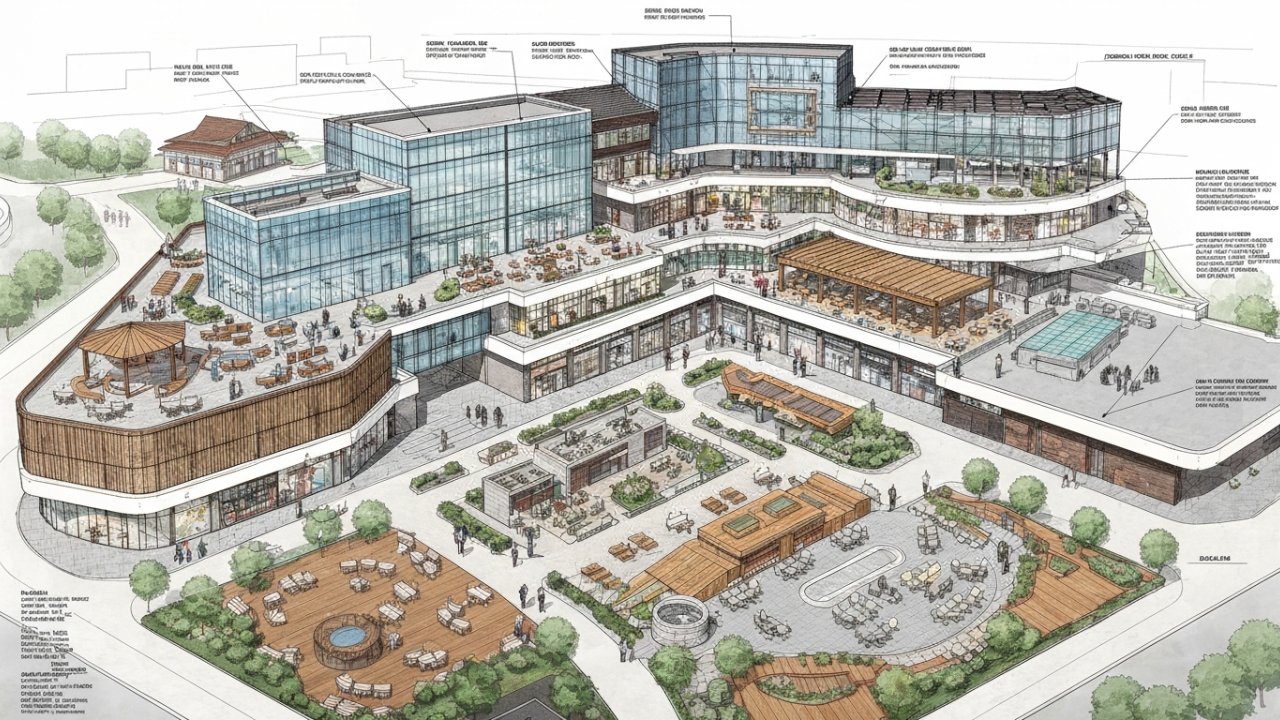
Comprehension of legal and regulatory compliance is crucial for the success of your commercial construction project, as failing to adhere to local zoning laws and building codes can lead to significant setbacks.
You need to understand that each municipality has unique requirements and obtaining the necessary permits is critical. Regular inspections by local authorities are often mandated, impacting your project’s timeline and financing.
Furthermore, keep in mind the following:
- Compliance with safety and building standards is mandatory to avoid fines.
- Environmental regulations may apply, requiring clearances for projects affecting ecosystems.
- Non-compliance can jeopardize loan terms and result in financial losses.
- Consulting legal experts in construction law is imperative for maneuvering these intricacies.
Staying informed and compliant will both help you avoid legal repercussions and guarantee your project runs smoothly and efficiently.
Tips for Securing the Best Construction Loan
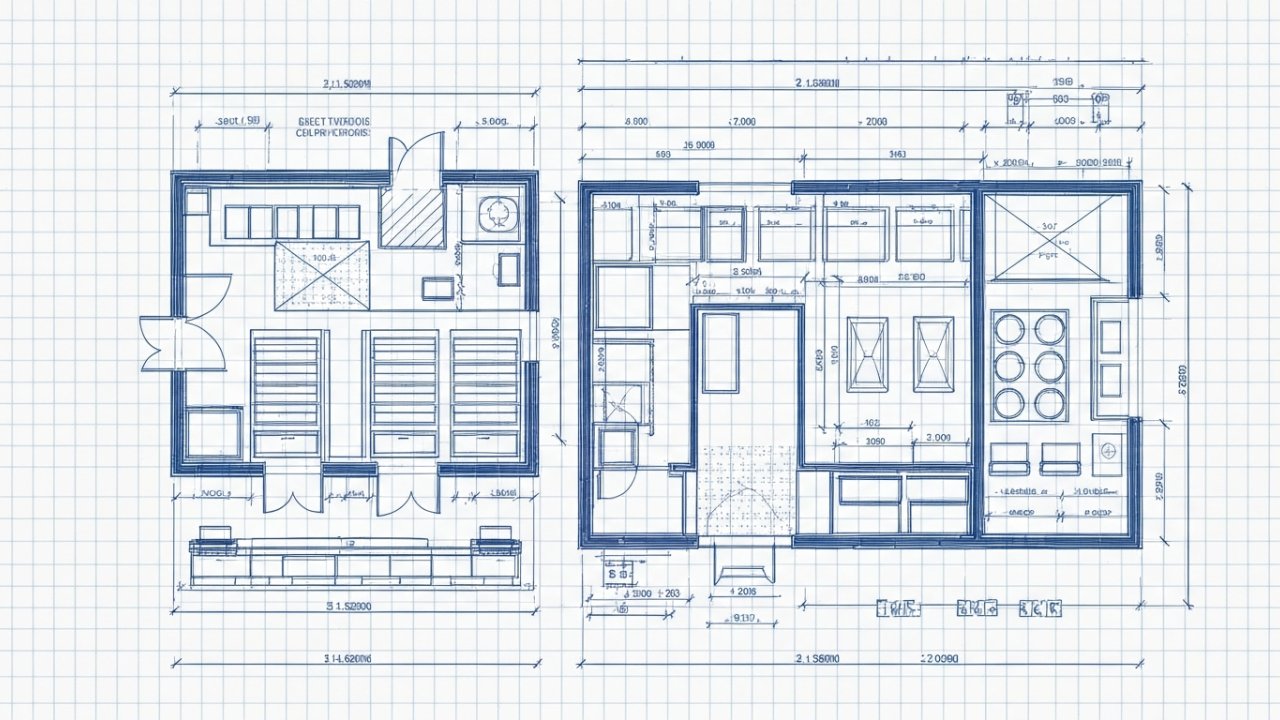
When you’re looking to secure the best construction loan, comparing offers from various lenders is essential, as each can present different rates and terms that greatly impact your overall costs.
Strengthening your project proposals with detailed plans and budgets not merely improves your credibility but likewise positions you for more favorable loan conditions.
Compare Lender Offers
Securing the best construction loan involves more than just comparing interest rates; it requires a thorough evaluation of various lender offers.
To get the most favorable terms, keep these key factors in mind:
- Interest rates: Although important, don’t overlook other costs.
- Associated fees: Look for origination, appraisal, and inspection fees that can add up.
- Loan-to-Value (LTV) ratio: A lower LTV, ideally 80% or lower, can lead to better rates.
- Loan structure: Understand if the loan is interest-only during construction or shifts to a fixed-rate mortgage, as this impacts your monthly payments.
Strengthen Project Proposals
A strong project proposal is essential for securing the best construction loan, and taking specific steps can markedly improve your chances of approval.
Start by preparing detailed project plans and specifications, including blueprints and cost estimates, to demonstrate thorough planning and reduce perceived risk to lenders.
Highlight your project’s strengths, such as location, market demand, and potential return on investment, to make a compelling case for funding.
Gather financial documents like tax returns and bank statements to showcase your income stability and creditworthiness.
Maintain open communication with potential lenders to build rapport and trust, which can lead to better loan terms.
Finally, consider involving experienced builders or contractors in your proposal to boost credibility and instill confidence in lenders.
Building Strong Relationships With Lenders

Building strong relationships with lenders is essential for anyone seeking commercial construction financing, as it can lead to more favorable loan terms and conditions.
To cultivate these connections, focus on the following key practices:
- Establish rapport: Get to know your lenders personally, which can improve trust and comprehension.
- Communicate openly: Keep lines of communication clear to facilitate quick resolutions for any issues that arise during the loan process.
- Present a solid vision: Share a well-prepared project proposal that clearly outlines your goals and instills confidence in your project.
- Address concerns proactively: Discuss any potential risks upfront; this shows lenders you’re thorough and responsible.
Frequently Asked Questions
What Are the 5 Cs of Commercial Lending?
The 5 Cs of commercial lending are crucial factors lenders assess when evaluating your creditworthiness.
First, character reflects your reputation and credit history.
Second, capacity measures your ability to repay the loan through financial analysis.
Third, capital indicates your investment in the project, requiring a significant down payment.
Fourth, collateral involves assets you pledge as security.
Finally, conditions refer to the economic environment and terms of the loan, influencing the lender’s decision.
What Are the 4 Cs of Commercial Lending?
The 4 Cs of commercial lending are essential for lenders evaluating your creditworthiness.
First, Character reflects your reputation and credit history.
Next, Capacity assesses your ability to generate cash flow for loan repayment.
[embedded content]
Then there’s Capital, which represents your personal investment in the project, typically requiring a 20% to 25% down payment.
Finally, Collateral is the asset you offer to secure the loan, providing lenders with reassurance against default.
[embedded content]
What Is a Typical Interest Rate on a Commercial Loan?
A typical interest rate on a commercial loan ranges from 4% to 10% as of late 2023. These rates vary based on factors like your creditworthiness and current market conditions.
Typically, construction loans carry higher rates than traditional mortgages, often 1% to 2% more. If you have a lower loan-to-value ratio, you might secure better rates.
Stay informed about economic trends, as they can greatly impact these rates over time.
How Does Commercial Construction Financing Work?
Commercial construction financing provides short-term loans that fund construction projects in phases, called “draws,” tied to specific milestones.
You’ll need to submit detailed project plans, budgets, and financial documentation, including proof of income and a solid credit score, to qualify.
As construction progresses, lenders release funds after inspections confirm completion of each phase.
Once the project is finished, you can either refinance into a permanent mortgage or use a construction-to-permanent loan.
Conclusion
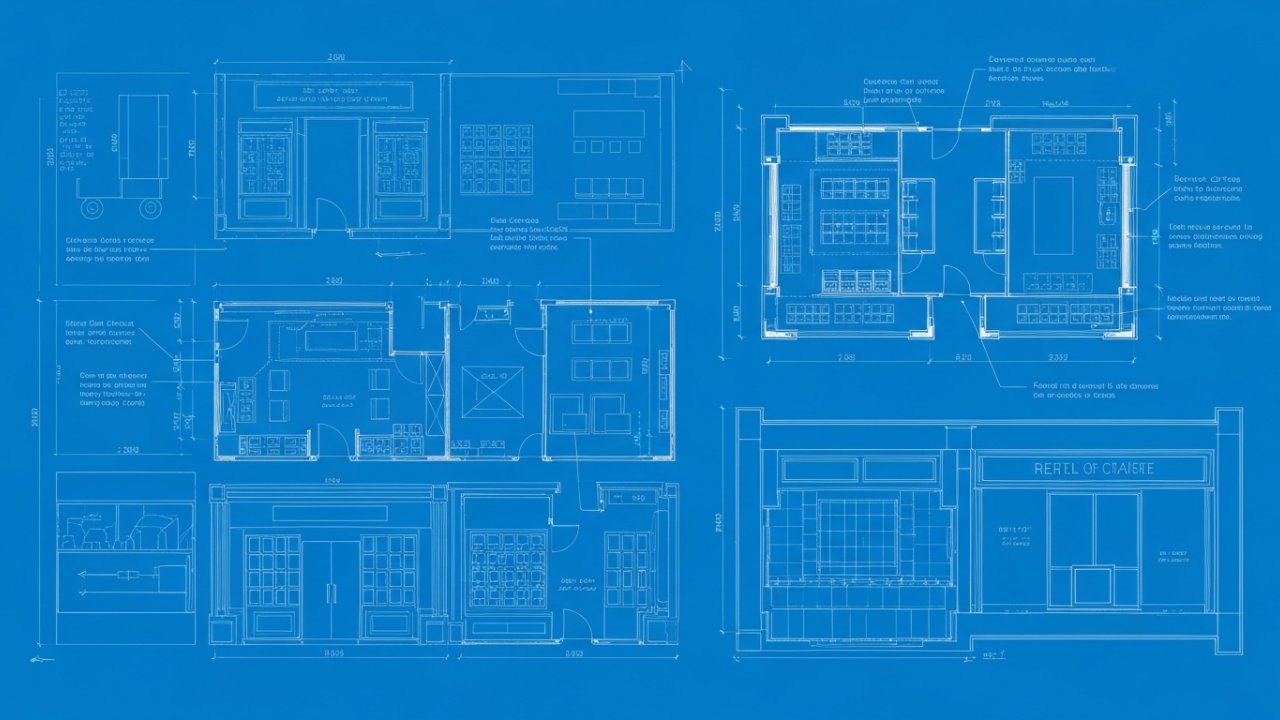
In summary, successfully managing commercial construction financing rates requires thorough research, preparation, and strong relationships with lenders. By comprehending the types of loans available, key criteria for approval, and effective risk management strategies, you can position yourself for ideal financing terms. Always keep your project timeline in mind and remain compliant with legal requirements. With careful planning and a detailed business plan, you can secure the financing needed to bring your construction project to life.
Image via Google Gemini