
New hope for breast cancer patients as life-extending drug now on NHS in England
To play this video you need to enable JavaScript in your browser.
This video can not be played
-
Published
Patients in England with a specific type of incurable breast cancer can now access a life-extending drug on the NHS, two years after it was deemed too expensive by a health body.
Enhertu can give patients almost seven extra months to live on average – with some living up to three years longer.
Women in Scotland have had access to the drug on the NHS since 2023, and it is available in 26 other European countries.
Charities and patients have campaigned for it to be more widely available since 2024, when the National Institute for Health and Care Excellence (NICE) said Enhertu was not good value for money.
From Thursday, doctors in England are now able to prescribe it, with Wales expected to follow shortly but the guidance doesn’t automatically apply to Northern Ireland.
Health Secretary Yvette Cooper said: “Enhertu can be life-changing, and this recommendation means NHS patients will finally be able to benefit from it.
“It is a tribute to the campaigners and charities who never stopped pressing for this.”
This decision will affect about 1,000 women a year with a specific type of breast cancer, HER2-low.
Charity Breast Cancer Now said that while campaigners’ “persistence paid off”, thousands of people have missed out on access to Enhertu and many have died.
The charity’s chief executive, Claire Rowney, said: “Today we can finally say we did it.” However, she adds that “we can’t celebrate this momentous decision without remembering the devastating cost of this delay”.
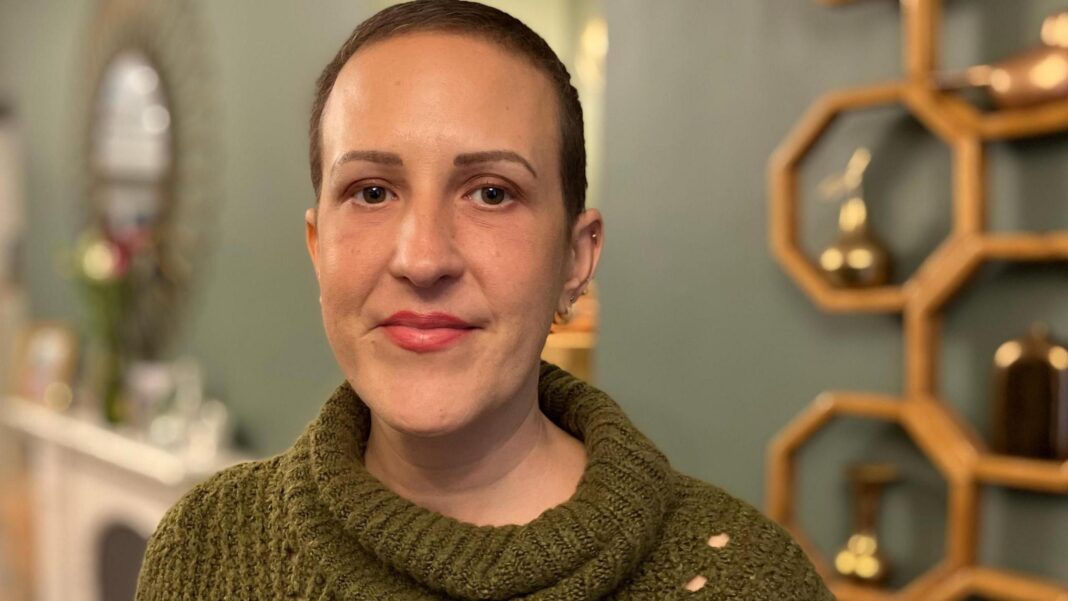
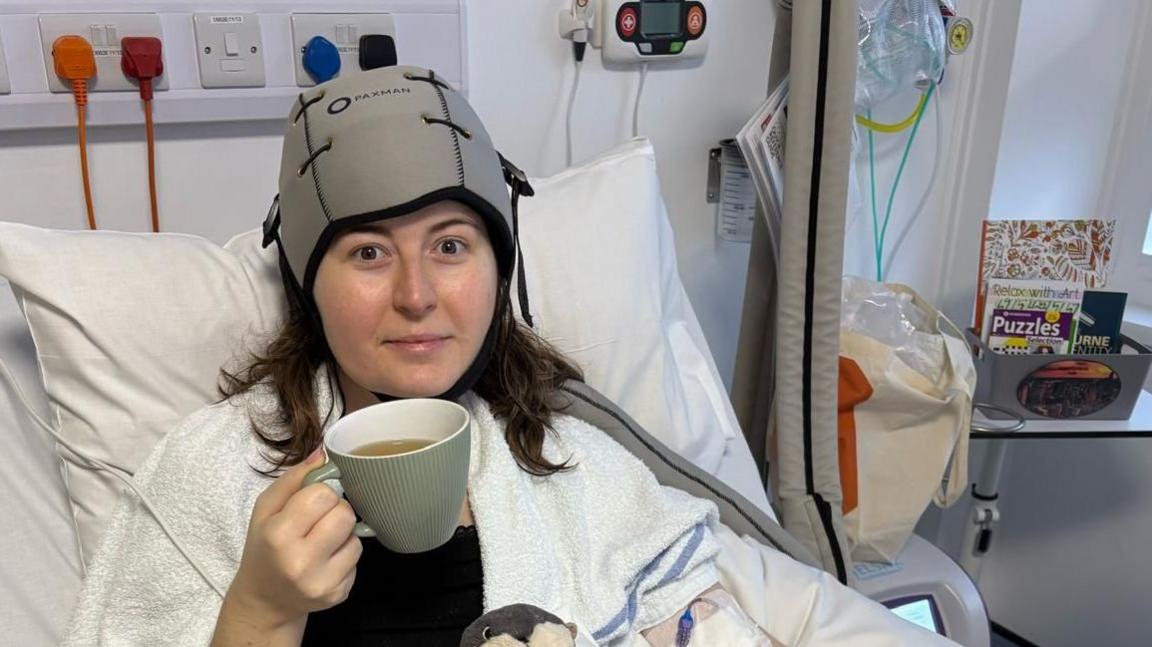
Kate Wills, 51, understands this mix of emotions. She has HER2-low metastatic breast cancer, which has spread to her bones and lungs. But nothing about her suggests that she is terminally ill.
She has a high-powered job and is a wife and mum. Her social media feed shows a full and happy life – only the occasional medical appointment hints all is not well.
Kate says it has been “incredibly painful” to know that Enhertu could keep her alive for longer but she couldn’t get it.
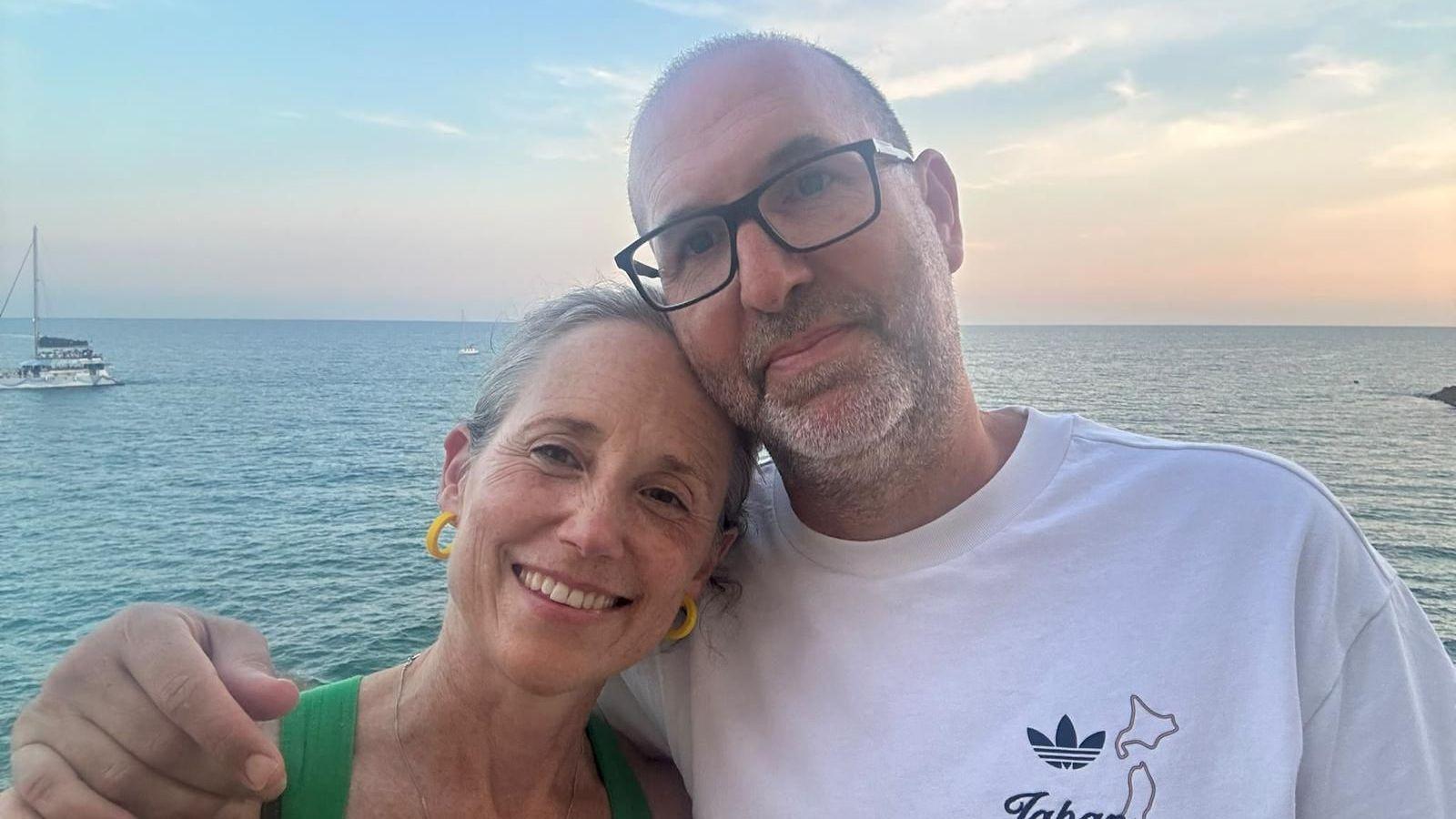 Image source, Kate Wills
When she hears it will be available on the NHS, she immediately starts crying. “I really can’t believe it. I’m so relieved, I’m overjoyed,” she says.
“It’s so hard keeping hope when you have stage four cancer. This gives me enormous hope.”
Her son and daughter are in their teens and early 20s. Kate has been aiming to stay alive long enough for her youngest to finish school.
She smiles through her tears as she says: “Now I’ve just dared to dream that I might be around to see them fall in love, to get married.”
For her, this is bittersweet. Her first thought is for “those women, my friends, who didn’t get this in time”.
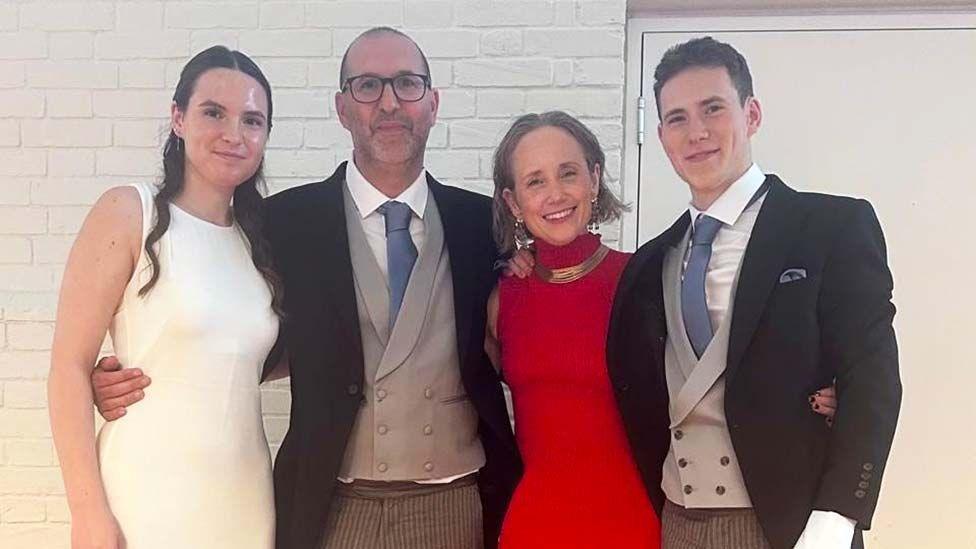 Image source, Kate Wills
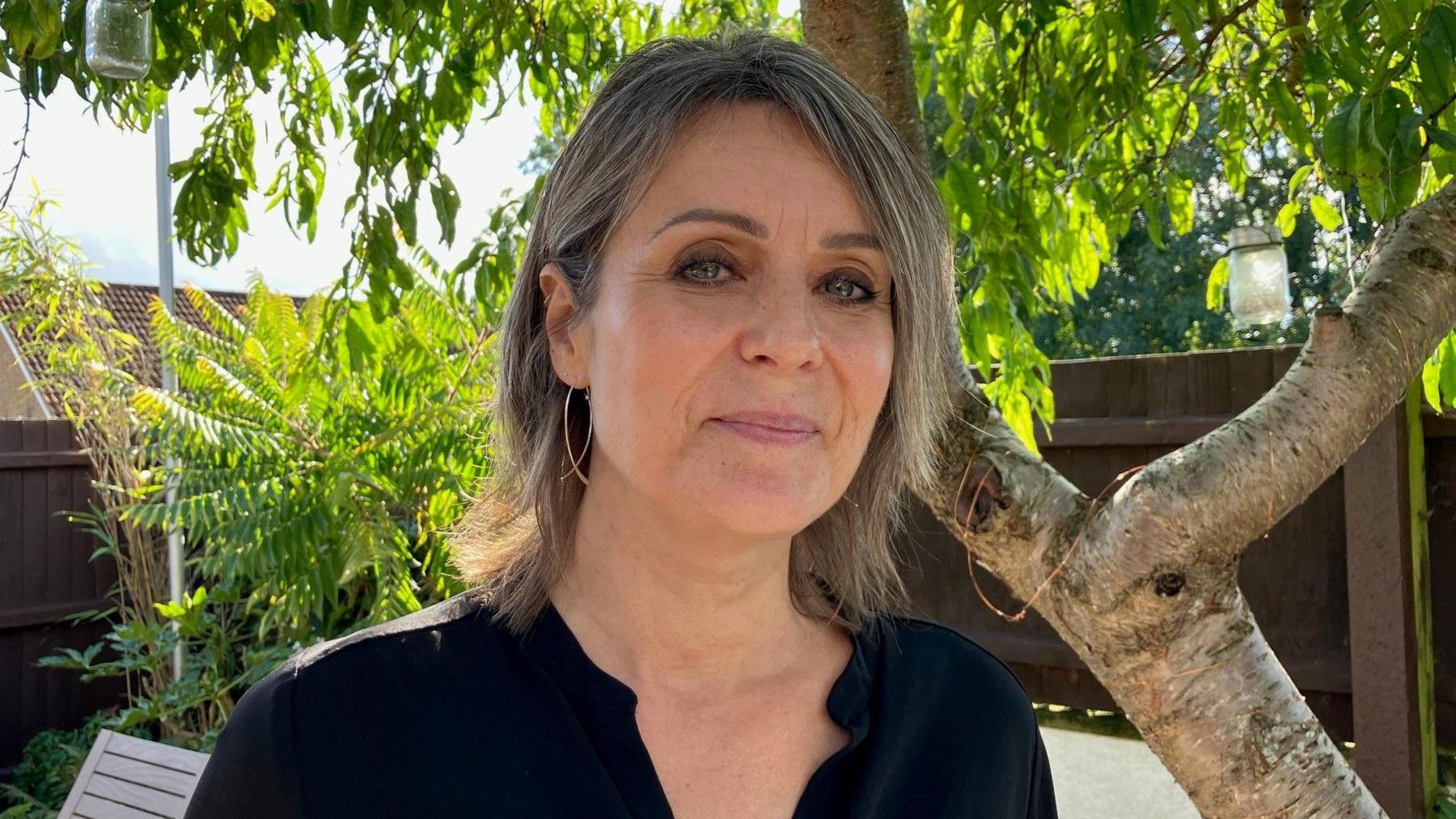
One of those was Jeannie Ambrose, who was full of life and fight when she spoke to BBC News two years ago aged 53.
She told us: “I’m not ready to die yet. I want to stay alive, I want to keep living. I should be concentrating on enjoying time with my family and friends. I should not be campaigning, using the time I’ve got left to fight.”
Jeannie died in January this year. Kate says her friend would would be “thrilled but also angry at how long it’s taken and how rejected we’ve felt”.
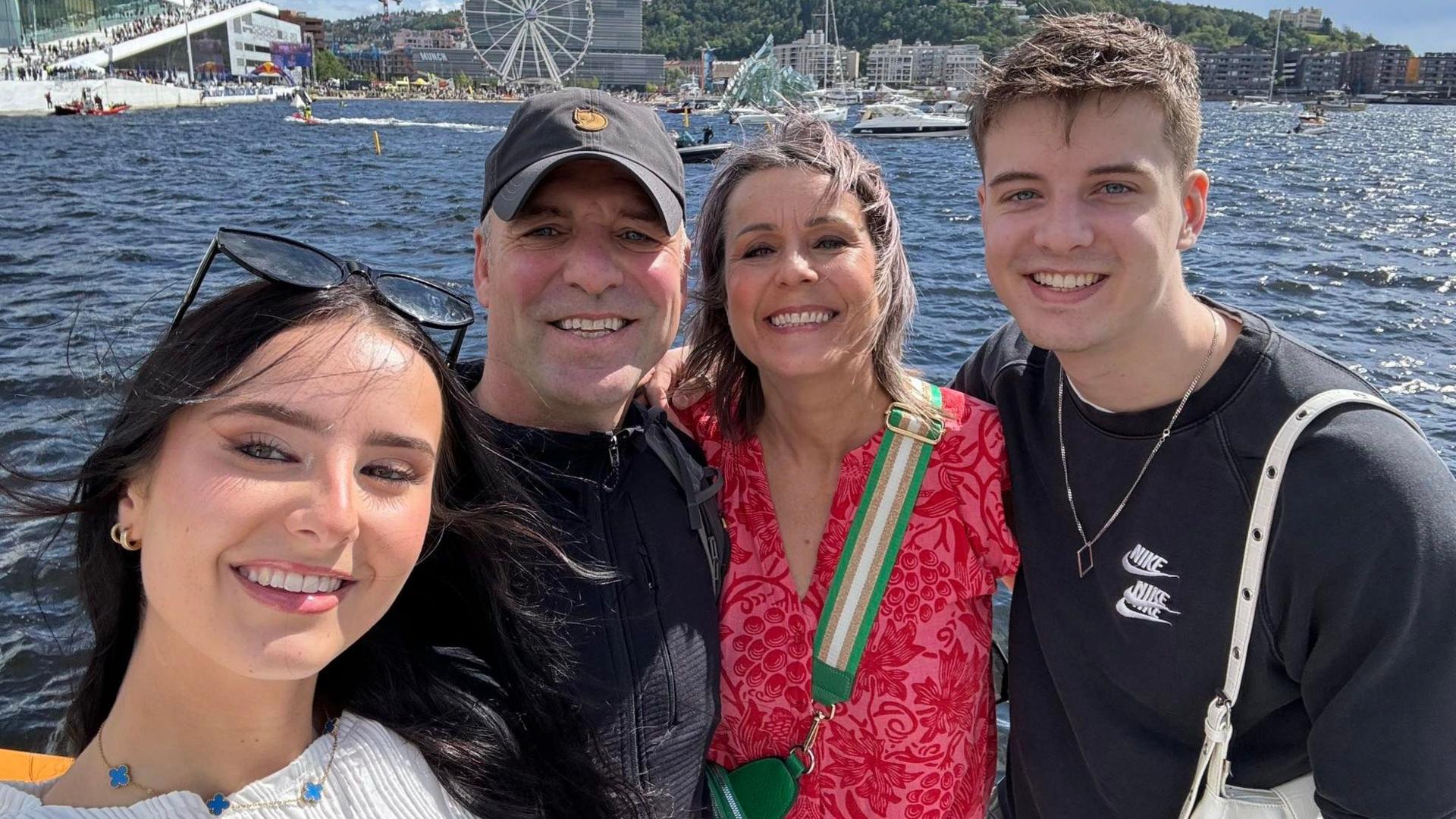 Image source, Jeannie Ambrose
The BBC understands that the drug companies Daiichi Sankyo and AstraZeneca have not substantially lowered their prices since the drug was first rejected.
The reason NICE has reversed its decision is largely because of a trade deal with the USA, where the UK government agreed to spend 25% more on medicines.
As part of this, NICE has increased how much the NHS will pay for every extra year of good quality life a medication can give.
This is known as a QALY (Quality-Adjusted Life Year) – and the upper threshold per QALY has gone from £30,000 to £35,000.
At the end of August, NICE also introduced a different, more nuanced, way of measuring a patient’s quality of life.
These two changes were enough to tip the balance.
It is thought that patient campaigns for Enhertu – and other drugs – have helped too.
Daiichi Sankyo and AstraZeneca welcome NICE’s decision, but the latter is calling for “strong collaboration” across the healthcare system to ensure “faster, more equitable patient access in the future”.
Breast Cancer Now’s Claire Rowney says: “We are calling on the government, NICE, NHS England and the pharmaceutical industry to work together to fix this broken system, so that people with incurable metastatic breast cancer are not forced to spend precious months and years campaigning for treatments that could give them more time.”
Helen Knight, director of medicines evaluation at NICE, says she is pleased a “commercial solution” means the treatment can be made available on the NHS in England but adds she knows the decision “comes too late for many families”.
“Our role is important in ensuring NHS spending on new medicines reflects the benefits they deliver while protecting valuable health resources for other essential patient services,” she says.
For Kate, the thought of dying before she had to, “when there was a drug that I just could almost reach but couldn’t get”, was “so incredibly painful”.
“To know that I can get it now is absolutely everything.”
-
-
Published8 September
-
-
-
Published12 December 2024
-
-
-
Published18 October 2024
-