
This post was originally published on this site.
While AI is the main investment theme in the markets at present, robotics is also increasingly in the spotlight. Almost every day we see a new headline about a robot running a marathon, breakdancing, or beating a human at table tennis. Most experts predict a vast jump in the number of droids within the next few years. But not every robotics stock is worth buying. Some companies produce ideas that just don’t work, face too much competition, or have shares that have become absurdly overpriced. That brings me to Serve Robotics (Nasdaq: SERV).
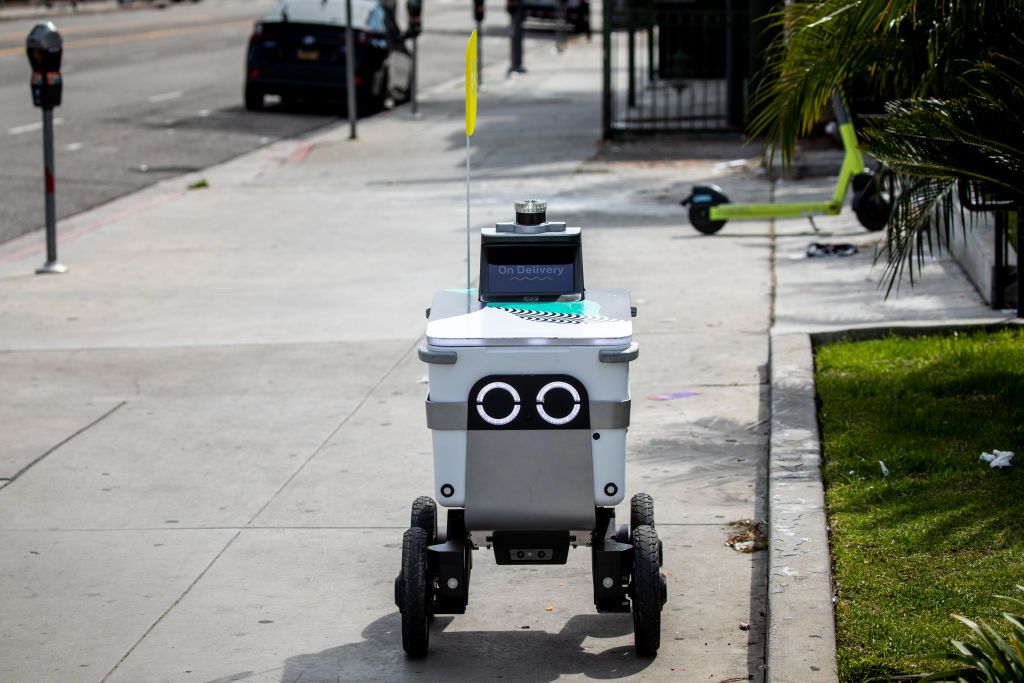
Serve Robotics’ business model appears plausible enough. Many people spend large amounts of money on takeaways delivered to their homes. This “last-mile” delivery takes time, costs money (either upfront or in tips) and causes pollution and congestion (if delivered by car). Occasionally, deliveries can get lost. In theory, Serve Robotics’ delivery robots, which look like a box on wheels, can cut out this cost by taking food from restaurants to customers, navigating roads and pavements. As of February 2026, the group had around 2,000 robots in operation.
Serve Robotics is facing an uphill struggle
However, there are several flaws in the business model. While the technology has greatly improved over the past few years, Serve’s robots still get stuck or lost, while there are also ongoing concerns about food theft. Serve Robotics also faces competition from a host of other providers, such as Coco Robotics and Starship Technologies, which are also pursuing similarly aggressive expansion plans. Many of the major food-delivery firms, moreover, are exploring other in-house solutions, such as self-driving cars or drones.
Sign up to Money Morning
Don’t miss the latest investment and personal finances news, market analysis, plus money-saving tips with our free twice-daily newsletter
Don’t miss the latest investment and personal finances news, market analysis, plus money-saving tips with our free twice-daily newsletter
An even bigger difficulty is that the robots are deeply unpopular with many people, at least in America. Part of this is due to genuine concerns that they are creating a hazard for pedestrians, especially the elderly and those with disabilities, and other road users. Some people just find the idea of robots roaming the streets unnerving, and vandalism has also been a problem.
There are widespread calls for them to be banned, while parts of San Franciso and Chicago have blocked, or severely restricted, their expansion. The robots aren’t popular with restaurants either. Research by short-seller Edwin Dorsey suggests that many restaurants have ditched them because they delivered few or no cost savings.
To cap it all, Serve is projected to keep losing money for the next few years, yet the shares are priced for perfection, trading at a whopping 20 time forward sales and 262 times current revenue – far more than the ratio of between seven and ten that most fast-growing technology firms can command.
The market seems to be taking a similarly negative view, with the stock down 50% from its 52-week peak and trading below its 50-day and 200-day moving averages. I therefore suggest you go short Serve Robotics at the current price of $9.40 at £100 per $1. I would put the stop-loss at $18.40, which gives you a total downside of £900.
This article was first published in MoneyWeek’s magazine. Enjoy exclusive early access to news, opinion and analysis from our team of financial experts with a MoneyWeek subscription.