
This post was originally published on this site.
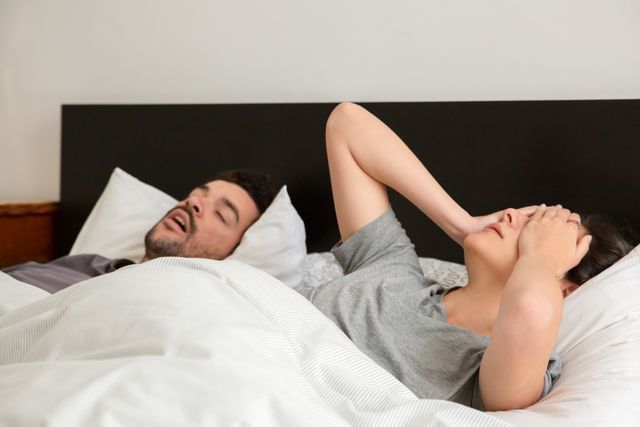
A persistent snore can disrupt more than just a good night’s sleep. It can strain relationships and leave both you and your partner feeling tired and frustrated. While often treated as a mere annoyance, snoring is a physical phenomenon that can sometimes signal underlying health issues. The good news is that for most people, finding a solution is achievable. Understanding the root cause of your snoring helps you explore a range of lifestyle adjustments, simple tools, and professional treatments to reclaim quiet, restful nights.
Understanding Why We Snore
Snoring happens when air can’t move freely through your nose and throat during sleep. As you breathe, the surrounding tissues vibrate and create that familiar rattling or grumbling noise. The intensity of the sound depends on how much the airway is blocked and how forcefully the air passes through. Several factors can contribute to this blockage, and identifying your specific triggers is the first step toward finding an effective solution.
Your own anatomy is one of the most common culprits. A long soft palate, an enlarged uvula (the tissue that hangs at the back of your throat), or large tonsils can narrow the airway. Similarly, chronic nasal congestion from allergies or a cold forces you to breathe through your mouth, which often leads to snoring. Your sleep position also plays a significant role. When you sleep on your back, gravity can cause your tongue and soft palate to collapse towards the back of your throat, partially blocking airflow.
Lifestyle factors also contribute significantly. Consuming alcohol or taking sedatives before bed can relax your throat muscles too much, causing them to interfere with the airway. Excess body weight, particularly around the neck, can put pressure on the throat and narrow the air passages. Even age is a factor. As we get older, our throat muscles naturally lose some tone, making them more likely to vibrate. Understanding the various causes and complications of snoring is crucial for pinpointing why it’s happening to you.
Lifestyle Changes For Quieter Nights
Before you explore specialized devices or medical treatments, simple changes to your daily habits can make a remarkable difference. These adjustments focus on minimizing the factors that contribute to airway obstruction and are often the most effective first-line defense against snoring.
If you usually sleep on your back, try switching to your side. This simple change uses gravity to your advantage and prevents your tongue and soft tissues from falling back and blocking your throat. You can use pillows propped against your back to help you maintain a side-sleeping position throughout the night. Some people even find success by sewing a small ball into the back of their pajama top to make sleeping on their back uncomfortable.
Extra tissue around the neck can narrow your internal airway. For individuals who are overweight, even a modest weight loss can reduce this fatty tissue, decrease the pressure on the throat, and significantly lessen or even eliminate snoring.
Alcohol is a potent muscle relaxant. When you drink close to bedtime, it reduces the natural muscle tone in the back of your throat, which makes it more likely to collapse and vibrate. Try to avoid alcohol for at least four hours before you go to sleep.
Dehydration can lead to stickier secretions in your nose and soft palate, which can contribute to snoring. Drinking plenty of water throughout the day helps keep these tissues moist and less likely to cause obstruction.
If your snoring starts in your nose, keep your nasal passages open. A hot shower before bed can help open them up, as can using a saline rinse or a neti pot. If allergies are the cause, talk to your doctor about appropriate antihistamines or nasal sprays. Making these adjustments can provide a solid foundation for many other snoring remedies.
Simple Tools For Snoring Relief
If lifestyle changes alone aren’t enough, several non-invasive tools can help keep your airways open while you sleep. These devices are designed to address the specific physical issues that cause snoring, from nasal congestion to mouth breathing. Many of these solutions are available over the counter and can provide immediate relief.
One common issue is mouth breathing during sleep. When you breathe through your mouth, the air hits the back of your throat directly and increases the vibration of your soft palate and uvula. Nasal breathing, on the other hand, is quieter and more efficient. For some people, using mouth tape for sleeping can encourage nasal breathing by gently keeping the lips closed during hibernation. However, it’s important to make sure you can breathe comfortably through your nose before trying it.
Other helpful tools include:
- External Nasal Strips: These are flexible, adhesive bands that you place on the outside of your nose. They gently pull the sides of your nose open, reducing airway resistance and making it easier to breathe through your nose.
- Internal Nasal Dilators: These small, soft devices are placed inside the nostrils to hold them open during sleep. They are particularly effective for people with a deviated septum or nasal valve collapse.
- Anti-Snoring Mouthpieces: Also known as oral appliances, these devices are worn in the mouth during sleep. Some work by moving your lower jaw slightly forward (mandibular advancement devices), while others hold the tongue in place (tongue-retaining devices). Both methods help to open up the airway in the back of the throat.
If your snoring is caused by dry air irritating the membranes in your nose and throat, a humidifier can help. Adding moisture to the air can soothe your airways and reduce congestion.
When To Seek Medical Advice
While most snoring is harmless, it can sometimes be a symptom of a more serious underlying condition called obstructive sleep apnea (OSA). With OSA, the throat tissues completely block the airway, causing you to stop breathing for short periods throughout the night. These pauses can last 10 seconds or longer and occur hundreds of times per night, disrupting your sleep and reducing blood oxygen levels.
It’s important to know the difference between simple snoring and OSA. You should consult a doctor if any of the following symptoms accompany your snoring:
- Pauses in breathing during sleep, often witnessed by a partner
- Loud gasping, choking, or snorting sounds during the night
- Excessive daytime sleepiness, even after a full night’s sleep
- Morning headaches
- Difficulty concentrating during the day
- Waking up with a dry mouth or sore throat
If you suspect you might have sleep apnea, your doctor will likely recommend a sleep study, either at home or in a specialized clinic. This study, called a polysomnography, monitors your brain waves, heart rate, breathing patterns, and blood oxygen levels while you sleep. The results will help your doctor determine if you have OSA and how severe it is. Depending on the findings, various diagnostic treatment options are available, including continuous positive airway pressure (CPAP) therapy, custom-fit oral appliances, or, in some cases, surgery.
Don’t ignore the warning signs and address sleep apnea immediately for your long-term health. Finding the right solution for your snoring often requires a bit of trial and error. By starting with simple lifestyle changes and exploring different tools, you and your partner can work towards achieving quieter, more restorative sleep.