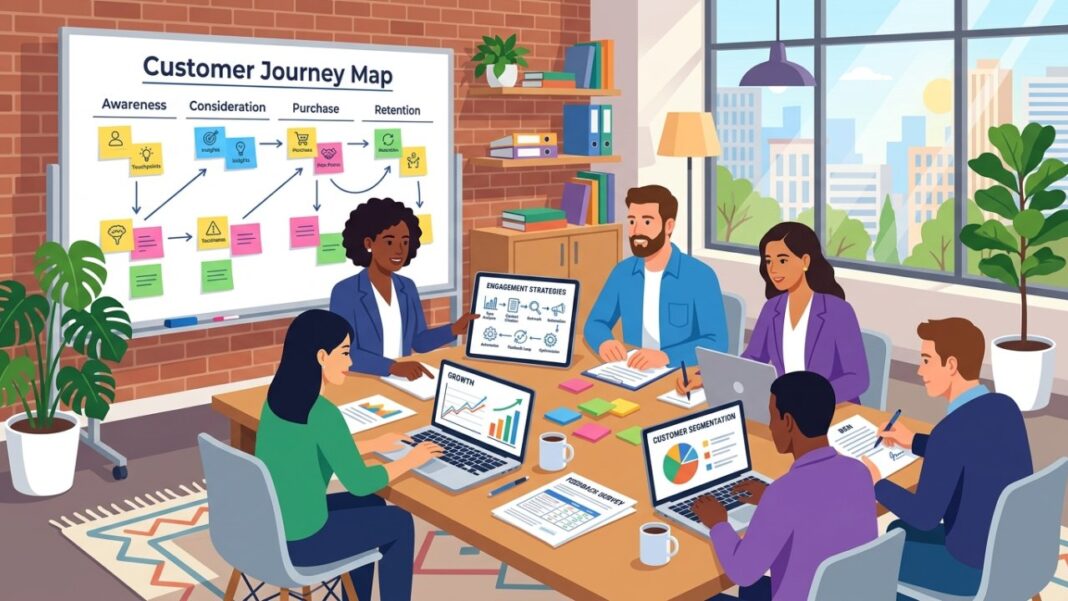

Creating a customer engagement plan starts with identifying your target audience. Analyze demographics and behaviors to tailor your approach. Next, develop a strong brand voice that resonates with them. Implement an onboarding process that welcomes new clients and sets clear expectations. Don’t forget to design loyalty programs that encourage repeat purchases. By tracking engagement data, you’ll gain insights to refine your strategies. Let’s explore each step in detail and see how you can enhance customer loyalty effectively.
Key Takeaways
- Define your target audience by analyzing demographics, preferences, and behaviors through surveys and analytics tools.
- Develop a brand voice and messaging that aligns with core values to foster trust and emotional connections.
- Create a personalized onboarding experience to quickly demonstrate value and enhance customer satisfaction.
- Design loyalty programs with clear rewards and personalized engagement strategies to encourage repeat purchases.
- Measure engagement success using metrics like retention rates, Customer Lifetime Value (CLV), and Net Promoter Score (NPS) for continuous improvement.
Why Customer Engagement Matters: Common Pitfalls and Solutions

Customer engagement matters because it directly impacts your brand’s success. A disengagement rate of 96% shows that customers abandon brands when resolving issues is too hard. To avoid this pitfall, start by developing a solid client engagement plan.
Use a client engagement strategy template to outline specific steps for interaction, feedback, and resolution. Personalization is key; brands that overlook this lose revenue opportunities, so tailor your communications to meet individual customer needs.
Consider how to create a customer engagement plan that leverages automation and AI tools. These technologies can streamline customer journeys, addressing issues faster and enhancing satisfaction.
Engaged customers spend 23% more, making strong engagement practices financially beneficial. Regularly evaluate your strategy, adjust based on feedback, and keep your engagement efforts fresh.
Define Your Target Audience for Engagement
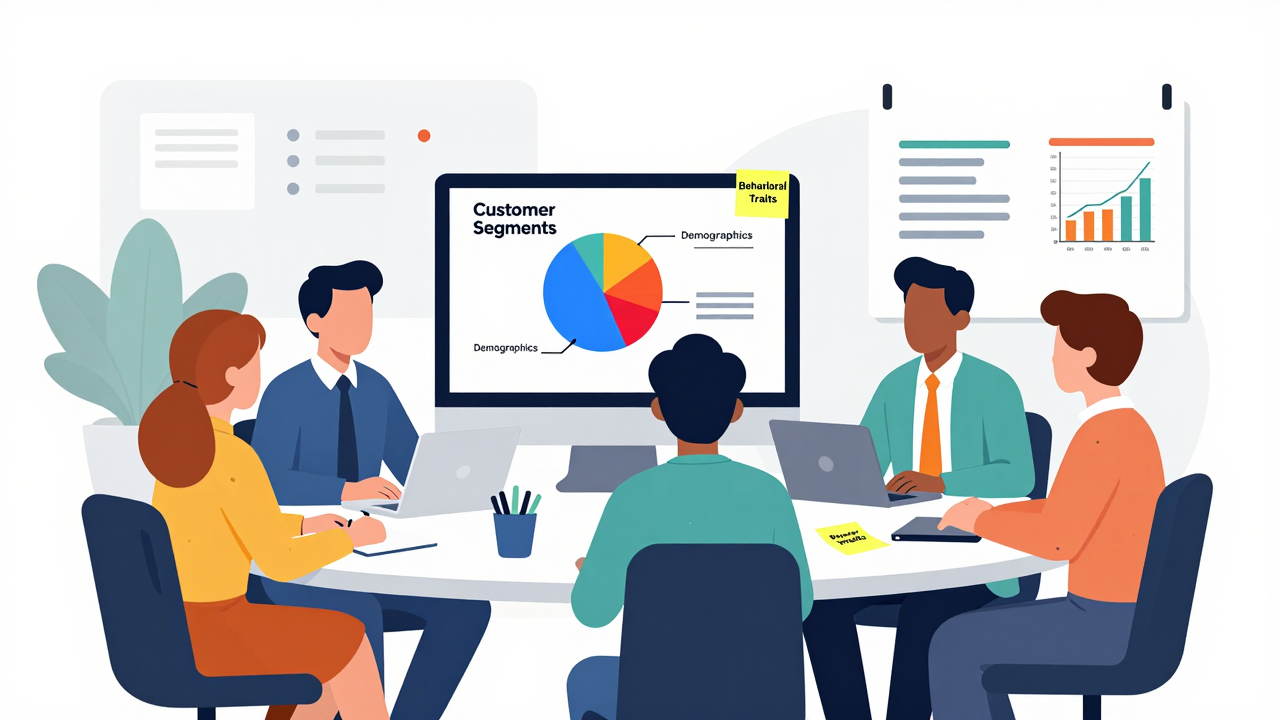
To effectively engage your customers, start by identifying key demographics like age, gender, location, and income level.
Next, analyze their behavior and preferences through tools like surveys and social media insights to grasp their needs and challenges.
Identify Key Demographics
Identifying key demographics is crucial for crafting effective engagement strategies. Start by analyzing factors like age, gender, income level, education, and location. This data helps you tailor your messaging.
Use customer analytics tools to gather insights about your audience, identifying preferences and trends that shape their needs. Segment your audience based on this demographic data; research shows this can boost engagement rates considerably.
Leverage social media insights to spot demographic trends, allowing you to adjust your content and outreach. Remember to regularly update your demographic information, as customer preferences can shift over time.
Understand Behavioral Patterns
Understanding behavioral patterns is essential for engaging your audience effectively. Start by segmenting your audience based on demographics, psychographics, and purchasing behaviors. This helps tailor your engagement strategies.
Analyze customer data to spot trends, like peak engagement times or preferred communication channels, which can guide your outreach efforts.
Use customer journey mapping to visualize touchpoints that shape perceptions and decisions. Implement feedback mechanisms, like surveys or focus groups, to gather insights into customer needs and preferences. This approach allows for personalized engagement.
Finally, leverage analytics platforms to track engagement metrics, helping you identify high-value segments and those at risk of disengagement for proactive intervention.
Conduct Customer Engagement Research for Deeper Insights
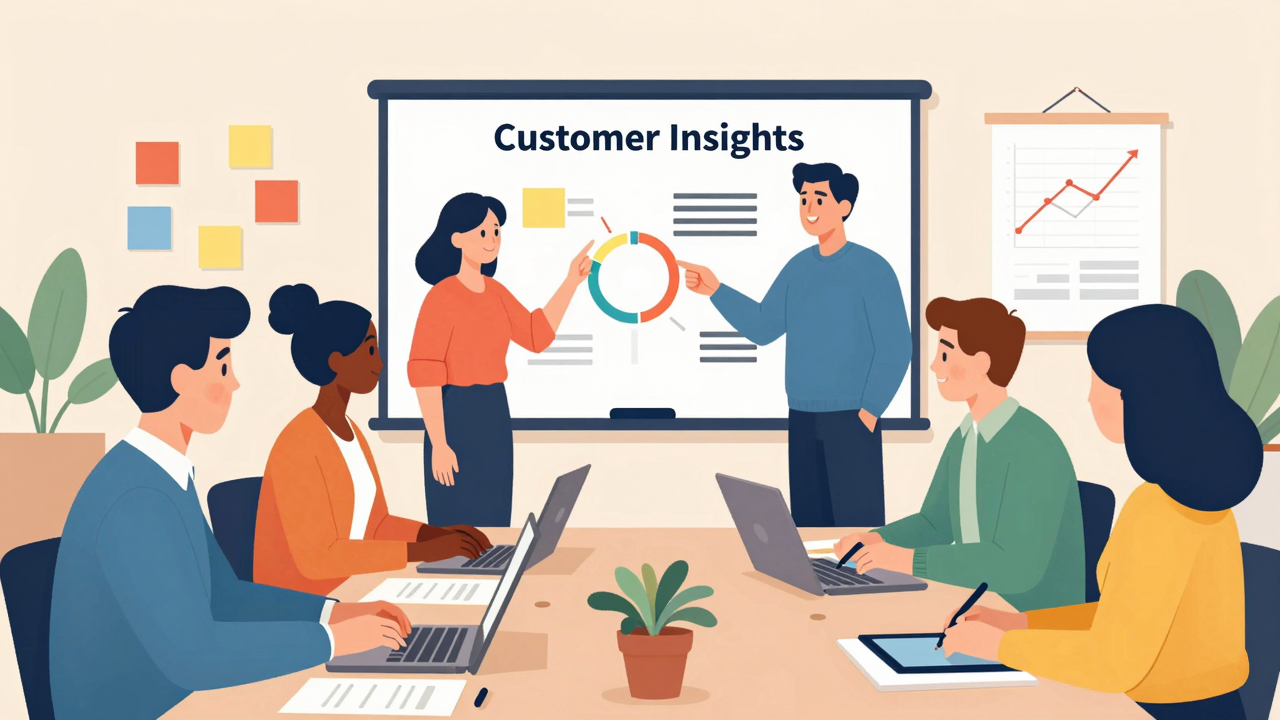
While many businesses overlook the power of customer engagement research, diving into this area can greatly enhance your understanding of consumer needs. Start by conducting customer surveys; 70% of consumers prefer brands that understand their preferences. Use data analytics tools to analyze customer behavior, identifying trends and addressing pain points, which can boost satisfaction by 20%. Consider organizing focus groups, as 60% of participants feel valued when their feedback is sought. Additionally, leverage social media listening tools to gauge sentiments, with 78% of consumers expecting brands to recognize their online opinions. Finally, engage with customer service interactions; 80% of customers show loyalty to brands that actively seek their input on service improvements.
| Research Method | Key Insight | Consumer Expectation |
|---|---|---|
| Customer Surveys | 70% prefer brands that understand them | Seeking targeted feedback |
| Data Analytics | 20% increase in satisfaction | Addressing pain points |
| Social Media Listening | 78% want brands to understand opinions | Active engagement with online sentiments |
Develop a Consistent Brand Voice and Messaging
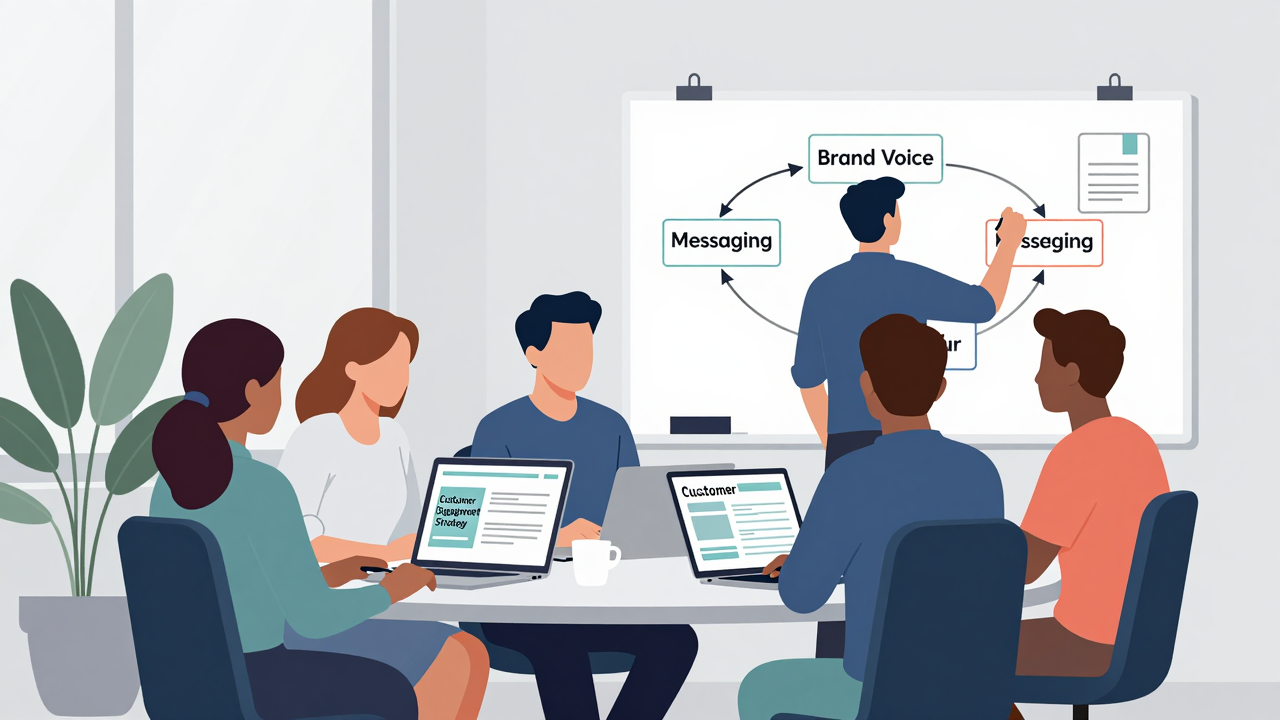
To develop a consistent brand voice and messaging, start by defining your core values; this sets the foundation for how you communicate.
Next, establish tone guidelines that outline the style and language you’ll use across all platforms, ensuring your messaging resonates with your audience.
Finally, make sure every piece of communication aligns with these elements, reinforcing trust and recognition with your customers.
Define Core Values
Core values serve as the backbone of your brand, guiding every message you share. To define your core values, start by reflecting on what truly matters to your business.
Consider values that resonate with your target audience, as 70% of consumers are more likely to purchase from brands that understand their needs. Make sure these values are clear and distinct, enhancing your brand voice; 60% of consumers prefer brands with a recognizable personality.
Regularly revisit and update these values to stay relevant in a changing market. Additionally, gather customer feedback to refine your messaging, as 78% of consumers appreciate brands that listen.
2. Establish Tone Guidelines
Establishing tone guidelines is essential for creating a consistent brand voice that resonates with your audience. Start by defining your brand’s personality—should it be friendly, professional, or casual? This clarity helps build trust, as 64% of consumers value shared values.
Next, develop specific guidelines that align with your brand identity, boosting recognition by 33%. Maintain coherence across all channels to improve engagement metrics by 23%.
Use relatable language to enhance emotional connections, as 70% of consumers prefer brands that feel accessible.
Finally, regularly review and update your tone based on customer feedback. This practice can increase overall satisfaction by 15%, ensuring your brand voice stays relevant and effective.
3. Ensure Consistent Messaging
Consistent messaging is essential for building trust and recognition with your audience. When you maintain a clear brand voice across all channels, you not only enhance customer loyalty but also reduce confusion. Use a style guide to guarantee that everyone on your team conveys your brand’s values uniformly.
| Action | Benefit | Example |
|---|---|---|
| Develop a style guide | Maintains uniformity | Guidelines for tone and style |
| Regularly review messaging | Refines communication | Adjust based on customer feedback |
| Train your team | Guarantees consistency | Workshops on brand voice |
| Monitor engagement metrics | Measures effectiveness | Track social media interactions |
| Align all touchpoints | Creates seamless experience | Consistent email and social posts |
Create an Effective Onboarding Process for New Clients
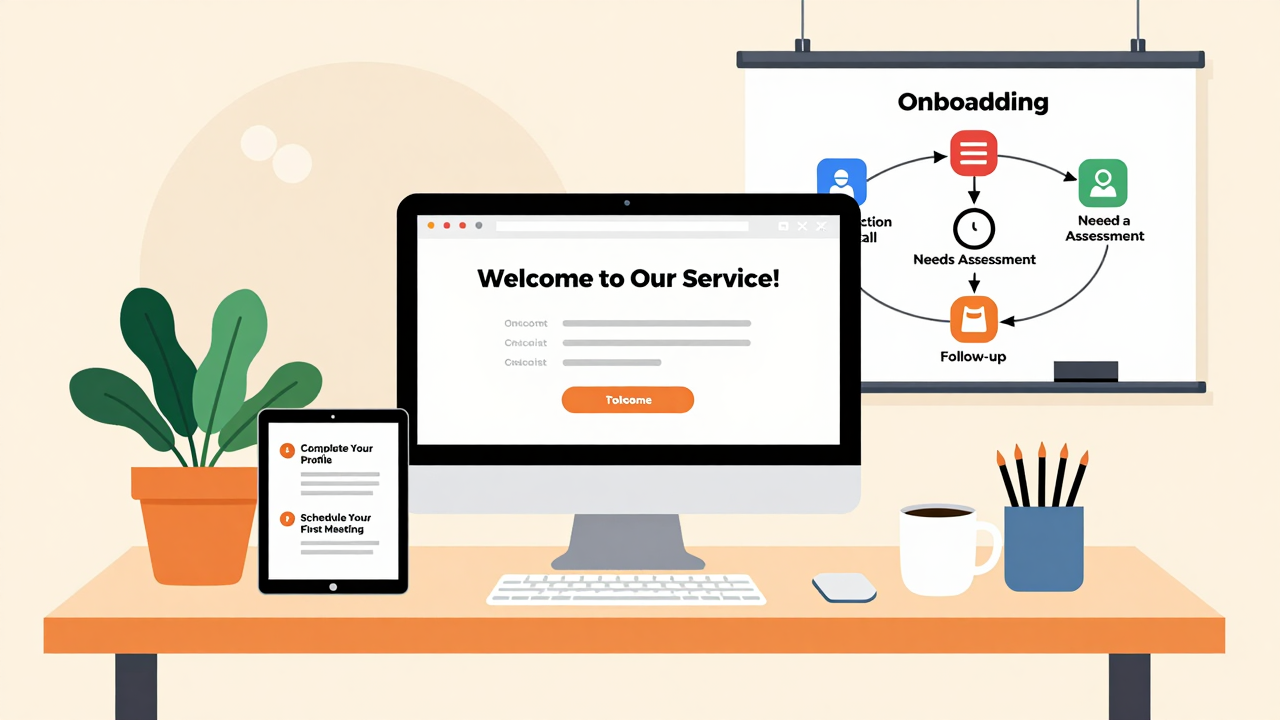
Creating an effective onboarding process for new clients is essential, as 86% of customers are willing to pay more for a better experience during this phase. Start by demonstrating value quickly; guarantee clients see benefits right away.
Personalize their experience based on their actions—this can boost retention by 25%. Incorporate educational resources like tutorials and FAQs, since 70% of users prefer self-service options, helping them feel more confident and engaged.
Establish clear communication channels. This can reduce customer support requests by up to 40%, making the process smoother.
Regularly implement feedback mechanisms to gather insights. Companies that actively seek feedback often see a 5-10% increase in customer satisfaction scores.
Design Effective Loyalty Programs to Enhance Customer Retention
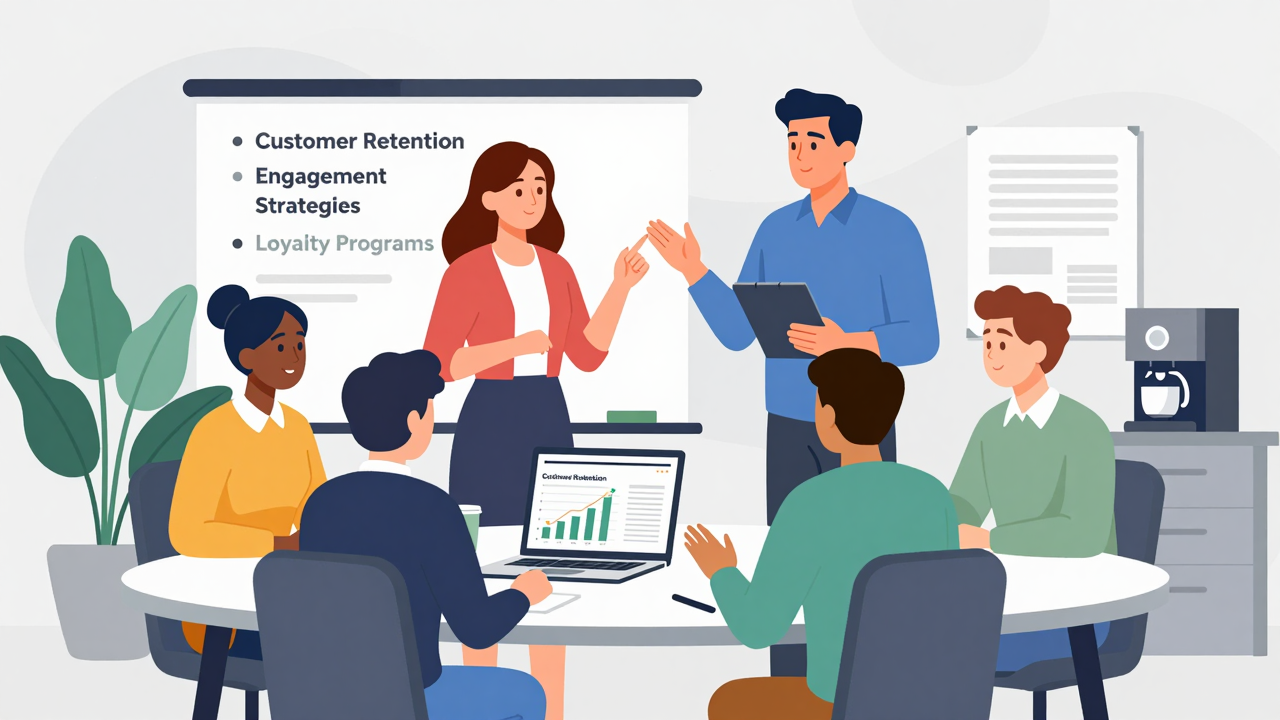
To design effective loyalty programs that boost customer retention, start by creating a clear reward structure that motivates repeat purchases.
Focus on personalized engagement strategies, as customers are more likely to connect with tailored experiences.
Finally, establish strong communication channels to keep your customers informed about program benefits, which can enhance their participation and loyalty.
Reward Structure Design
When designing an effective loyalty program, it’s essential to focus on what truly matters to your customers. Start by analyzing customer data to understand their preferences, since 79% of consumers engage more with personalized experiences.
Consider implementing a tiered reward structure to incentivize higher spending; studies show this can boost engagement by up to 30%. Allow flexibility in point redemption, offering various rewards like exclusive products—70% of consumers prefer diverse options.
Add gamification elements, such as challenges or badges, to increase participation by 34%. Finally, maintain regular communication to keep customers informed about their progress and new rewards, as this can lead to a 50% increase in engagement.
These steps will create a rewarding experience that drives loyalty.
2. Personalized Engagement Strategies
Building on the foundation of a well-structured reward system, personalized engagement strategies can greatly enhance customer retention. To get started, design loyalty programs that reward not just purchases but also behaviors like referrals and social sharing. Implement tiered structures, allowing customers to access more benefits as they engage more.
| Strategy | Benefit |
|---|---|
| Tiered Rewards | Encourages higher spending |
| Personalized Offers | Increases engagement by 50% |
| Referral Incentives | Boosts customer acquisition |
| Feedback Surveys | Refines program effectiveness |
Utilize data analytics to identify at-risk customers, offering targeted incentives to re-engage them. Regularly gather feedback to guarantee your loyalty program aligns with customer expectations, keeping it relevant and effective.
3. Program Communication Channels
Effective communication channels are essential for promoting your loyalty program and keeping customers engaged. Use multi-channel strategies like email, SMS, and mobile apps to reach customers where they prefer.
Make sure your messaging is consistent across all platforms to enhance loyalty awareness. Personalize communications based on customer behavior, as 80% of consumers respond better to tailored messages.
Clearly outline the tangible rewards of your program, since 70% of customers prefer brands with visible incentives. Implement feedback channels to gather insights, as engaged customers are more likely to share valuable information.
Finally, provide regular updates about program changes to maintain interest, as timely communication can boost participation by up to 30%.
Use Technology to Elevate Customer Support
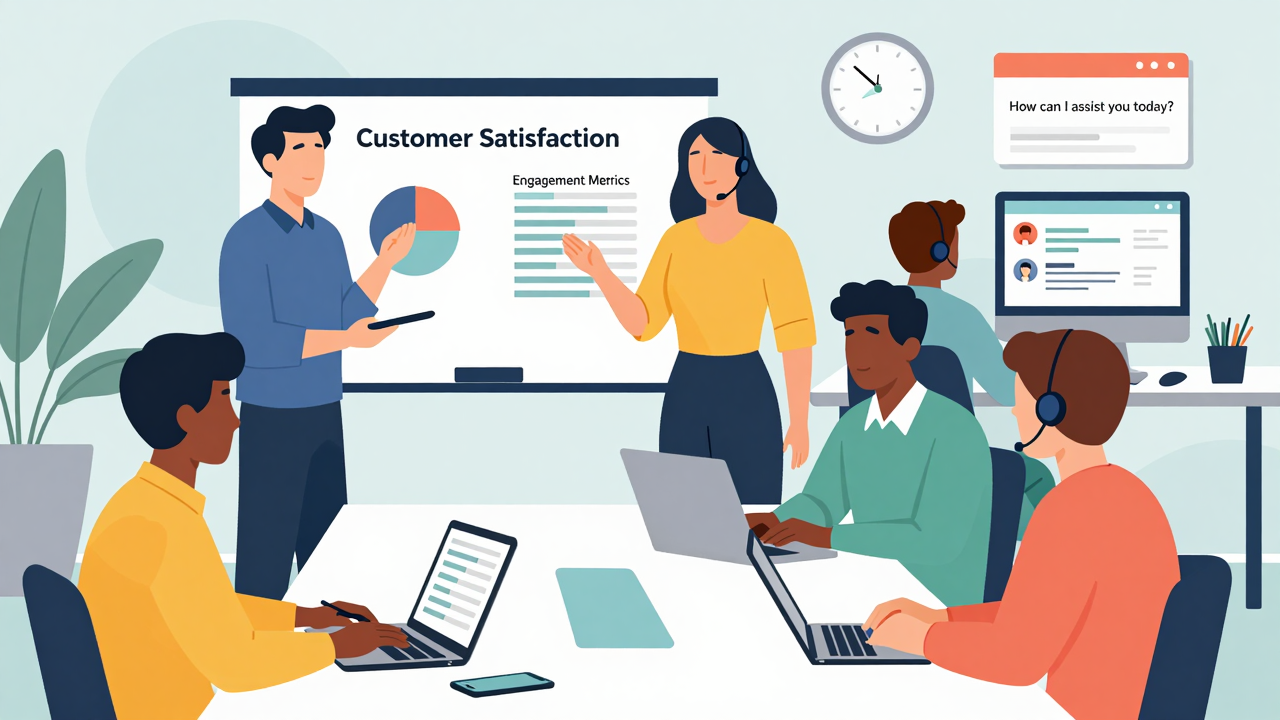
To elevate your customer support, start by integrating technology that streamlines processes and enhances interaction. Implement AI-driven chatbots to tackle up to 80% of routine inquiries, allowing your human agents to focus on complex issues. This can boost response times and increase customer satisfaction rates by up to 95%.
Next, utilize CRM systems like Salesforce or HubSpot to centralize customer data. This allows for personalized support and tracking interactions, potentially leading to a 30% increase in customer retention.
Don’t forget to leverage analytics tools to monitor engagement metrics and gather real-time feedback. This will help you adjust your support strategies for a better customer experience.
Incorporate omnichannel support systems to guarantee consistent communication across platforms, as 73% of customers prefer this. Finally, use automated feedback tools after interactions to gather insights and drive continuous improvement in service quality.
Identify Key Metrics to Measure Engagement Success
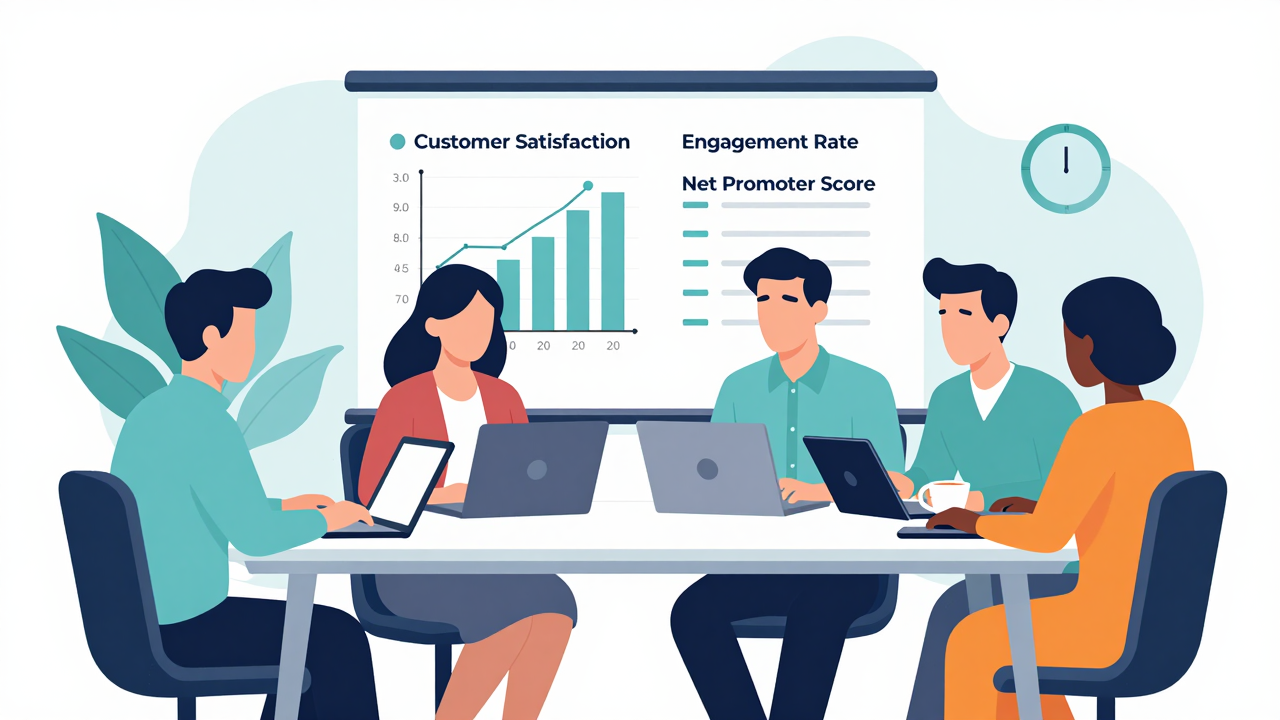
Measuring engagement success is essential for understanding how well your strategies resonate with customers. Start by tracking your retention rate, which shows the percentage of customers who continue engaging with your brand. A high retention rate indicates effective strategies.
Next, consider Customer Lifetime Value (CLV), as it helps you assess the long-term financial impact of your engagement efforts on a single customer.
Monthly Active Users (MAU) is another critical metric; it reveals how many unique users interact with your product each month, highlighting engagement frequency.
Additionally, the Net Promoter Score (NPS) gauges customer loyalty by measuring how likely customers are to recommend your brand.
Finally, monitor your conversion rate, which reflects the percentage of engaged customers who take desired actions, linking engagement directly to business outcomes.
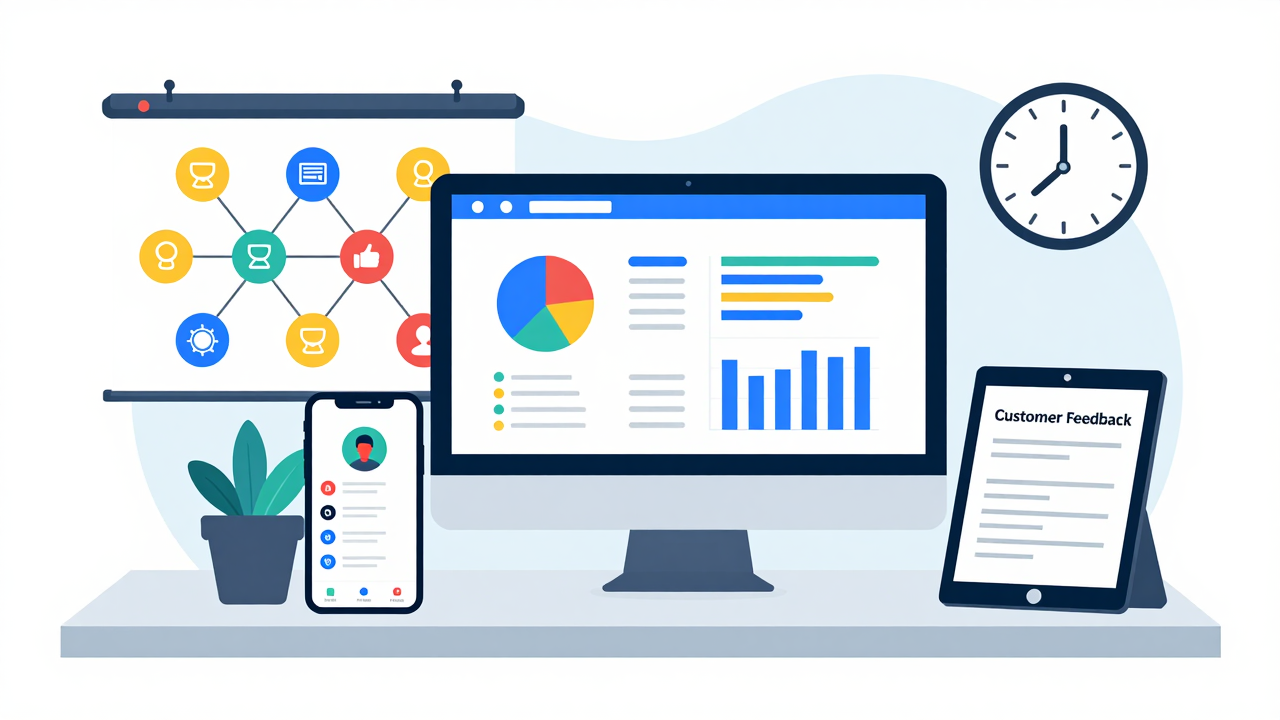
Setting up tools to track customer interactions is essential for gaining insights into how your audience engages with your brand. You need to implement various systems that will help you gather and analyze data effectively.
Here are some steps to get started:
- Utilize analytics platforms like Google Analytics or Mixpanel to monitor user interactions and identify behavior trends.
- Implement a CRM system, such as Salesforce or HubSpot, to centralize customer data and track communication history.
- Use tracking tools to measure engagement metrics like Net Promoter Score (NPS) and customer lifetime value (CLV).
- Set up automated feedback mechanisms, such as post-interaction surveys, to gather real-time insights on customer satisfaction.
- Integrate multi-channel tracking to capture interactions across email, social media, and your website for a thorough view of the customer journey.
Keep an Eye on Engagement Data for Better Insights
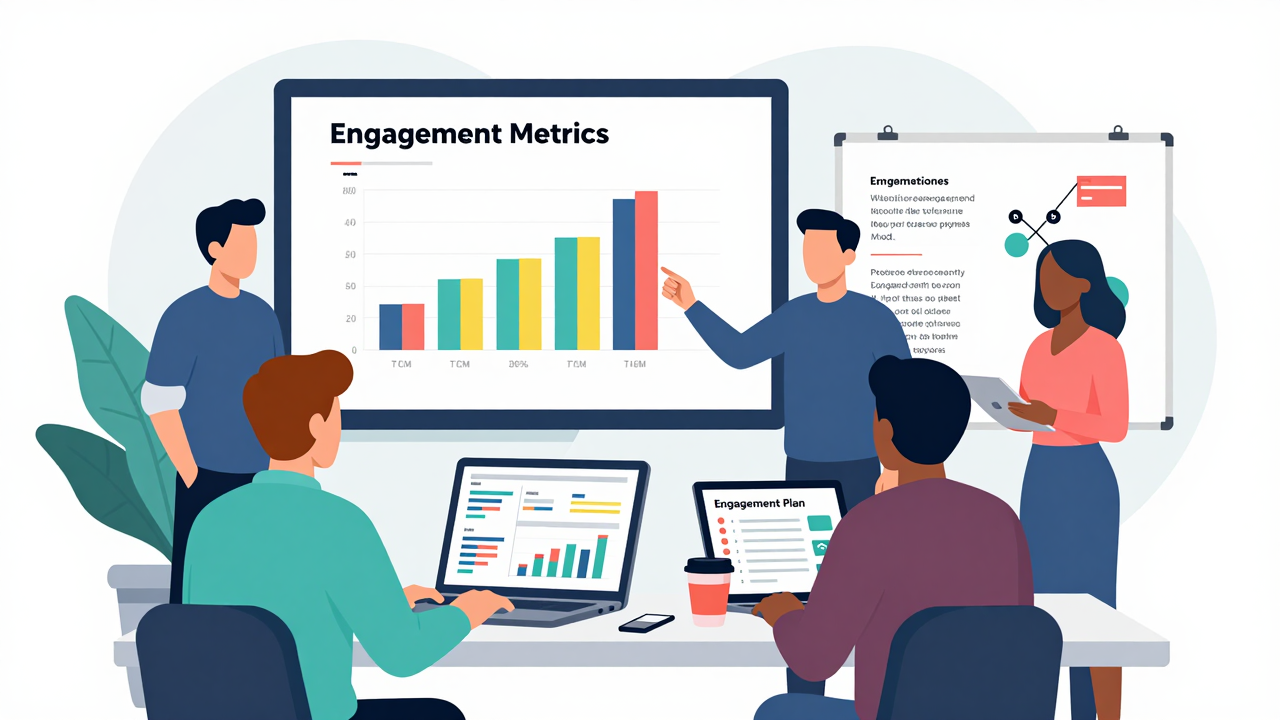
Tracking customer interactions sets the stage for understanding engagement data, which is where the real insights come into play. Start by regularly monitoring key metrics like retention rates, monthly active users, and customer lifetime value to evaluate your effectiveness.
These numbers reveal areas for improvement. Don’t skip qualitative data—gather feedback through surveys to pinpoint user experiences and pain points that metrics might overlook.
Utilize analytics tools, such as Google Analytics or Tableau, to visualize and analyze this data across different customer segments. Conduct cohort analyses to compare behaviors among various groups, helping you spot trends and patterns.
This approach enables you to tailor your engagement strategies more effectively. By focusing on these actionable steps, you can guarantee your engagement plan aligns with your customers’ evolving needs and preferences, ultimately driving better results and deeper connections.
Continuously Iterate and Optimize Your Engagement Strategies
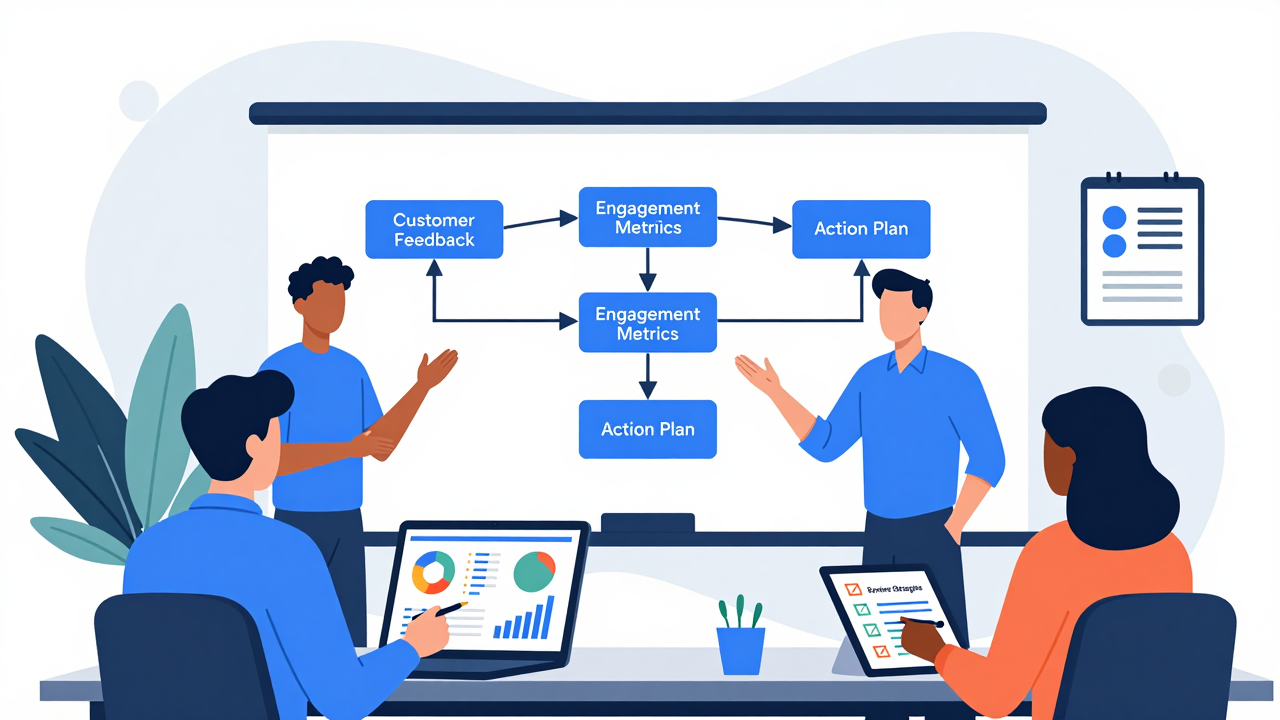
Revise your engagement strategies regularly to keep pace with changing customer needs and preferences.
To effectively optimize your approach, follow these actionable steps:
- Analyze metrics: Regularly assess retention rates and customer lifetime value to spot areas needing improvement.
- Implement A/B testing: Test different engagement tactics, using data to refine your outreach based on customer reactions.
- Gather feedback: Use surveys and focus groups to collect qualitative insights, ensuring you meet evolving preferences.
- Utilize analytics tools: Track engagement effectiveness across channels for a cohesive, responsive customer interaction strategy.
- Set measurable objectives: Define specific goals for your engagement initiatives and review them quarterly to gauge progress and adjust as needed.
How to Collaborate Across Departments for Better Engagement?

To enhance customer engagement, it’s essential to foster collaboration across departments. Start by establishing shared goals among marketing, sales, and customer success teams. This alignment guarantees everyone works toward common engagement objectives, improving the overall customer experience.
Next, hold regular cross-functional meetings to review engagement metrics, share insights, and discuss challenges. This promotes transparency and keeps everyone on the same page.
Utilize data-driven insights by gathering customer information from various departments, allowing you to tailor messaging based on real interactions.
Create a centralized communication platform, like Slack or Microsoft Teams, to facilitate real-time collaboration, enabling teams to respond quickly to customer needs.
Finally, document and share customer journeys collaboratively. Mapping these journeys helps identify key touchpoints, guaranteeing a seamless experience and promoting proactive engagement strategies that meet customer needs effectively.
Stay Ahead: Key Trends in Customer Engagement
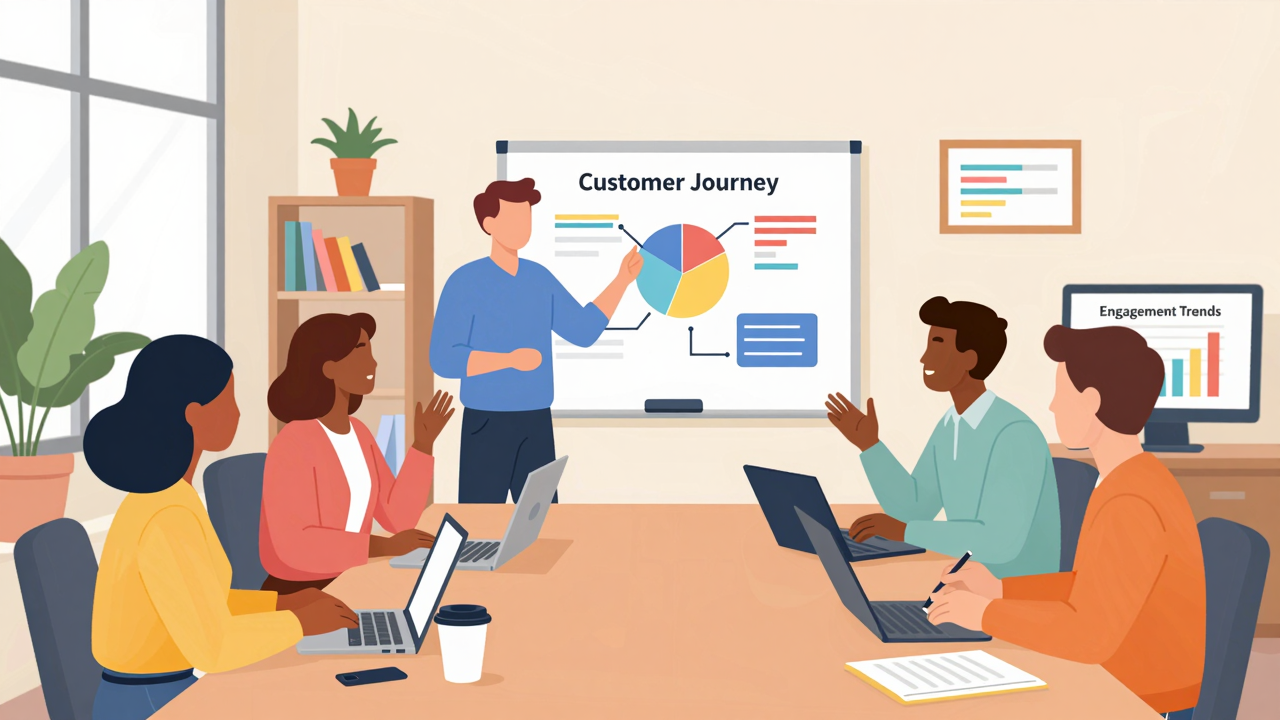
As customer expectations evolve, staying ahead of key trends in customer engagement is essential for your brand’s success.
To effectively connect with your audience, focus on these five trends:
- Personalized Interactions: Tailor your communication; 80% of consumers prefer brands that offer personalized experiences.
- Data-Driven Decisions: Utilize advanced analytics to boost engagement rates by 5-6 times compared to traditional methods.
- AI Integration: Implement AI tools for real-time insights, improving response times and increasing satisfaction by up to 95%.
- Omnichannel Engagement: Maintain consistency across multiple channels, as 73% of customers use various platforms during their shopping journeys.
- Continuous Testing: Regularly conduct A/B testing to optimize strategies, leading to a potential 30% increase in customer retention.
Frequently Asked Questions
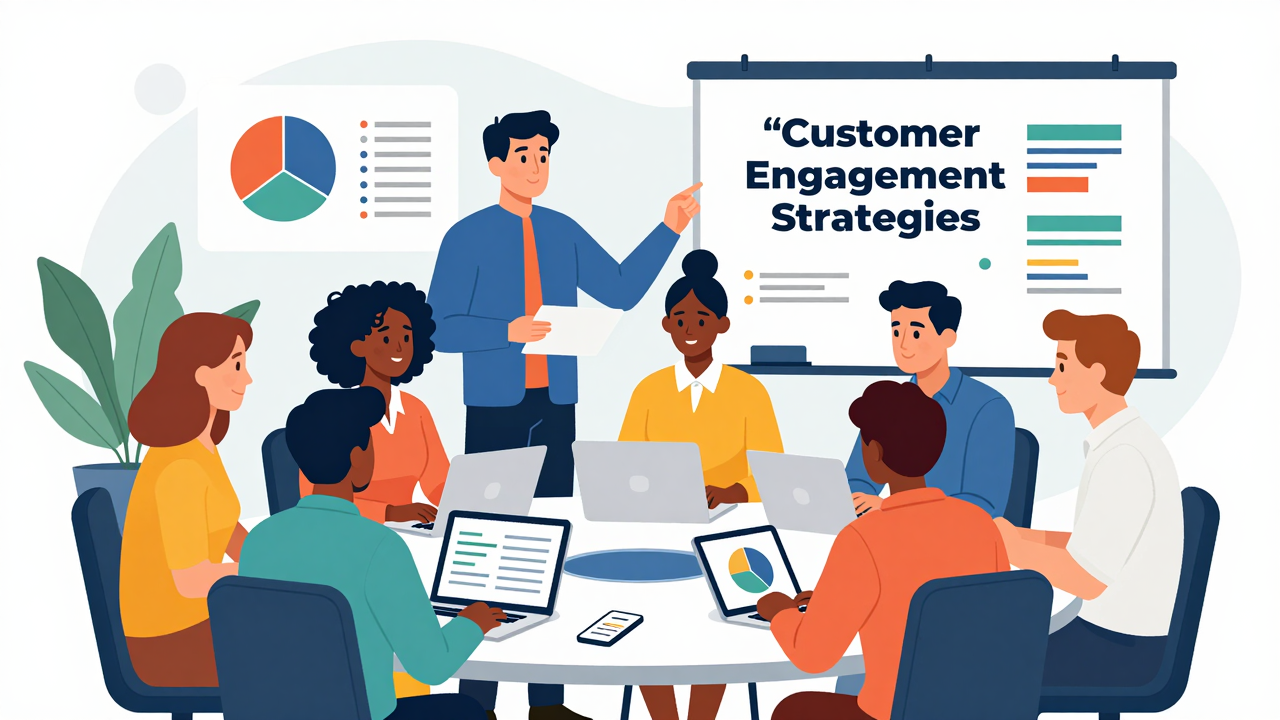
What Are the 4 P’s of Customer Engagement?
The 4 P’s of customer engagement are personalization, predictive engagement, proactive communication, and pervasive strategy.
First, tailor messages to individual preferences.
Next, analyze data to anticipate customer needs.
Then, reach out before issues arise, showing you care.
Finally, maintain consistent engagement across channels like email and social media.
Implementing these strategies can boost customer satisfaction, loyalty, and retention, helping you build stronger relationships with your audience over time.
What Are the 5 Stages of Engagement?
The five stages of engagement are Awareness, Interest, Consideration, Purchase, and Loyalty.
[embedded content]
Start by building awareness through targeted marketing.
Next, spark interest by encouraging website visits and social media interactions.
After that, help potential customers consider your offerings by showcasing features and reviews.
When they’re ready, guarantee a smooth purchase process.
Finally, nurture loyalty with follow-ups and personalized programs to keep customers coming back.
Each stage is essential for building lasting relationships.
[embedded content]
What Is the 10 5 3 Rule in Customer Service?
The 10-5-3 Rule in customer service helps you engage effectively.
When a customer is 10 feet away, make eye contact to show you’re approachable.
At 5 feet, greet them with a friendly smile or nod to create a welcoming atmosphere.
When they’re 3 feet away, connect personally by asking how you can assist them.
[embedded content]
How to Create an Engagement Plan?
To create an engagement plan, start by defining clear goals using the SMART criteria.
Next, analyze your clients to understand their needs and preferences.
Develop a structured communication plan that specifies channels, frequency, and content.
Implement metrics like customer satisfaction and engagement rates to measure success.
Finally, regularly review your plan, adjusting based on feedback and performance data.
This guarantees your strategies remain effective and your customer relationships improve over time.
Conclusion
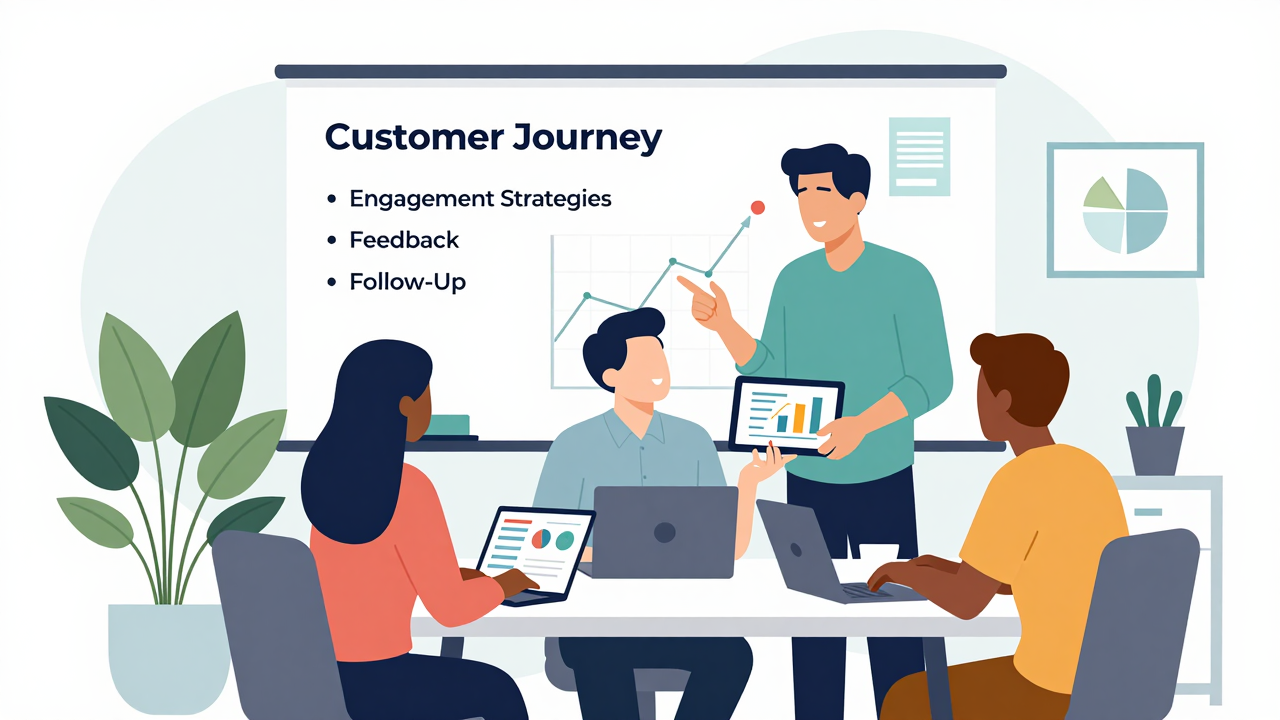
Creating a customer engagement plan is essential for building lasting relationships with your audience. Start by clearly defining who your customers are, then craft messaging that speaks directly to them. Implement effective onboarding and loyalty programs to keep them coming back. Regularly review your engagement data to identify areas for improvement. Collaborate across departments to guarantee a unified approach. Stay informed about trends in customer engagement, and be ready to adapt your strategies as needed for ongoing success.
Image via Google Gemini and Small Business Trends