
Fatal train crash could have been avoided if drain was built correctly – sheriff
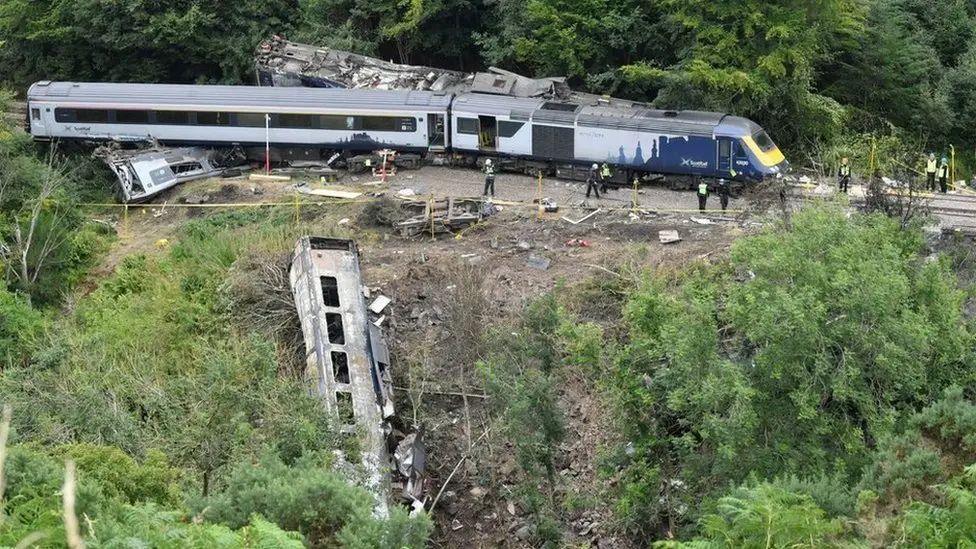 Image source, PA Media
-
Published
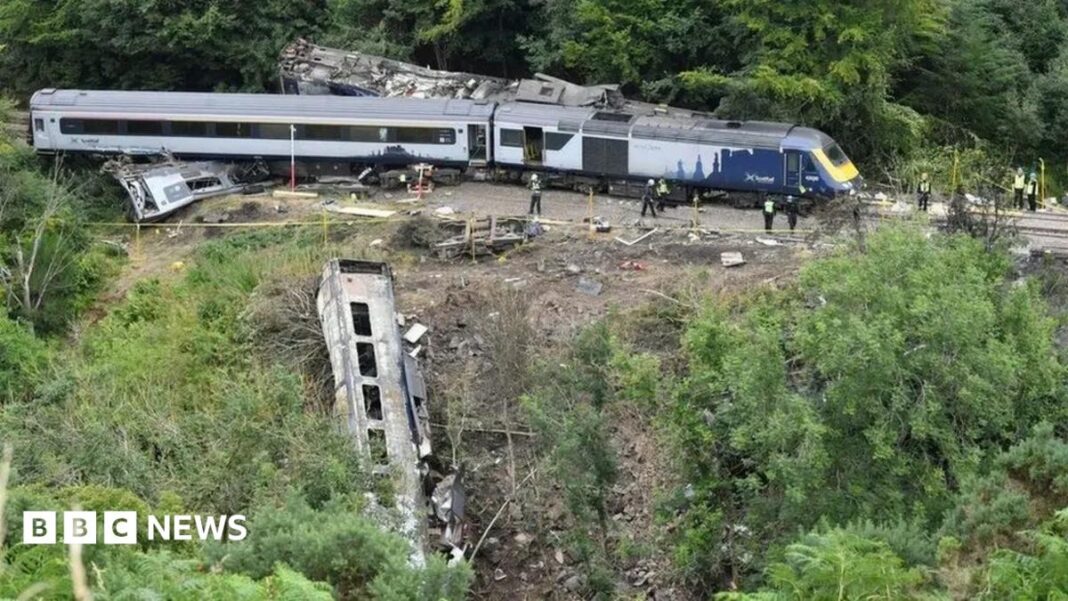
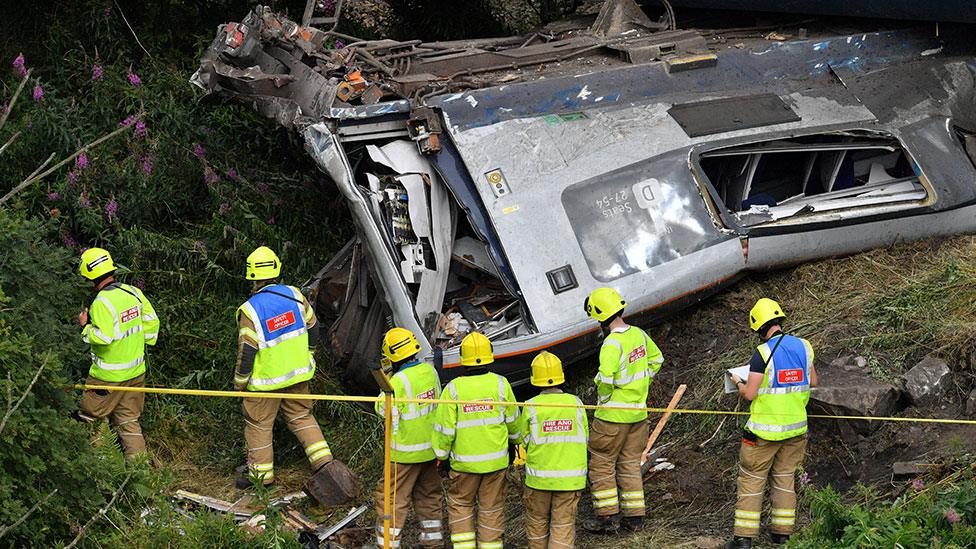
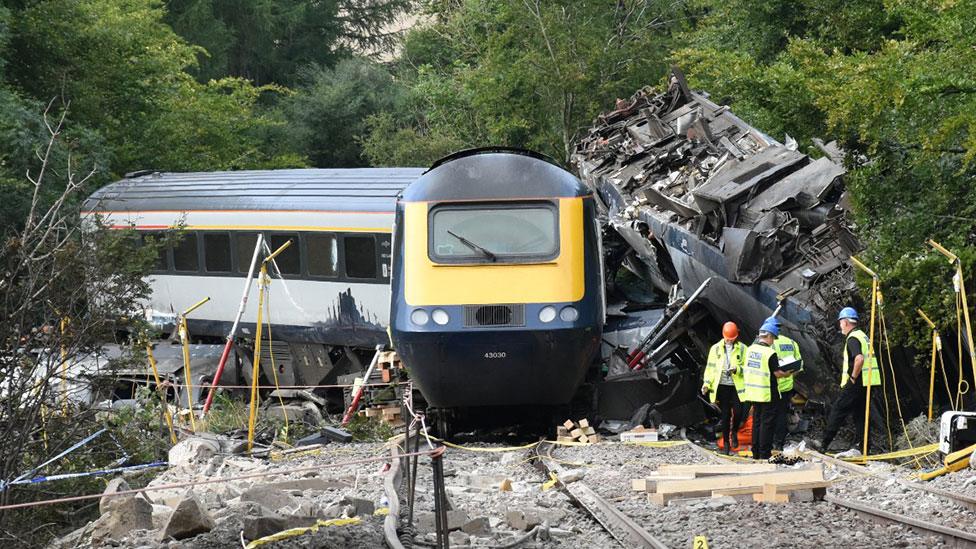
A train derailment which resulted in the deaths of three men could have been avoided if a drain had been built correctly, a sheriff has concluded.
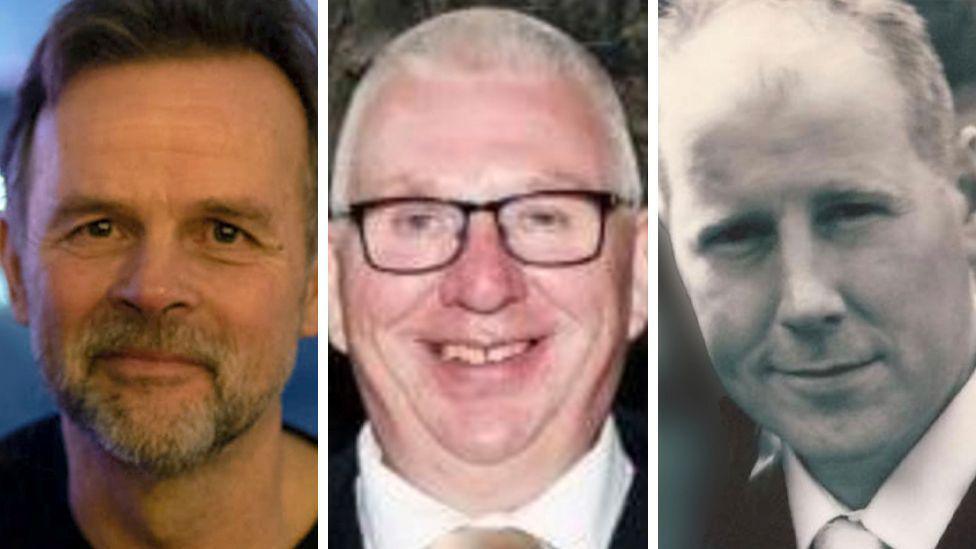
Driver Brett McCullough, 45, conductor Donald Dinnie, 58, and passenger Christopher Stuchbury, 62, died in the crash at Carmont, near Stonehaven in Aberdeenshire, in August 2020.
The train derailed after hitting debris which had washed from the drain following heavy rain.
After a fatal accident inquiry (FAI), Sheriff Lesley Johnston said it was not constructed and installed in accordance with its design, and found there were precautions which could have been taken which “might realistically have avoided the accident”.
It follows the Rail Accident Investigation Branch (RAIB) making 20 safety recommendations in its report back in 2022 into the crash.
That report had also highlighted the drainage system being incorrectly installed.
-
Crash inquiry hears rail network is better prepared for extreme weather
-
Published3 February
-
The tragedy happened after intense rainfall in the area over a short period of time.
The FAI, held in Aberdeen earlier this year, heard the rail network was now better prepared for the risks of extreme weather than when the train derailed.
During a court case in 2023, Network Rail was fined £6.7m for a series of failings in connection with the crash.
It admitted a number of maintenance and inspection failures before the crash, as well as failing to warn the driver that part of the track was unsafe, or tell him to reduce his speed.
What caused the Stonehaven train derailment?
The train hit a landslide near Stonehaven after heavy rain in an area where the drainage system had been wrongly installed.
The 06:38 service to Glasgow had been unable to complete its journey due to the conditions, and was returning to Aberdeen when the accident happened.
A recording of the driver showed he queried with a signaller if any reduced speed was needed to return north.
He was told everything was fine for normal speed.
The train was travelling at about 73mph when it struck debris on the track, derailed, and collided with a bridge parapet.
There were only nine people on the train due to Covid pandemic restrictions at the time. The six survivors were injured.
In her written determination, Sheriff Johnston said precautions could have included:
-
The drain built by construction firm Carillion being in accordance with the design
-
‘As built’ drawings of the new drain being prepared and provided to Network Rail
-
Network Rail complying with its own standards in place at the time of the end of the drain construction that required it to get such drawings.
Sheriff Johnston said: “On the basis of the evidence, I consider it can safely be concluded there was a defect in a system of work – namely, Network Rail’s oversight and management of the construction of the drain and the failure to ensure the drain was constructed properly and in accordance with the design drawings.”
She added: “It was clear from the evidence that following the accident there is a far greater focus on proper record-keeping throughout a construction project, including the preparation and retention of the health and safety file, and an understanding of why that record-keeping process is so important.”
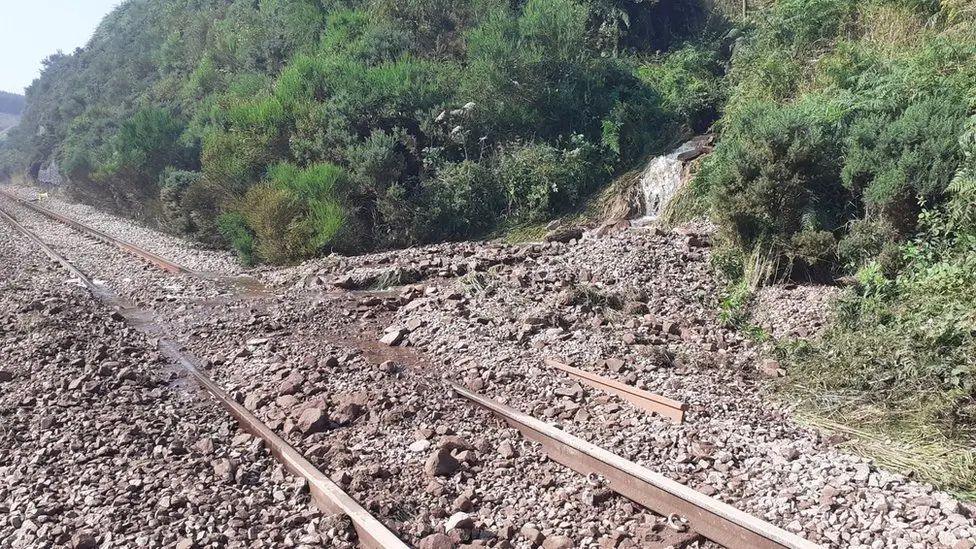 Image source, RAIB
She noted that, since the accident, Network Rail now made far greater use of aerial surveys carried out primarily by helicopter, but also by drones, to inspect the rail system.
She said: “There has been a significant cultural shift within Network Rail since this derailment in its understanding the impact of weather and in particular, viewing rainfall as a hazard to railway operations.”
Sheriff Johnston did not make any recommendations in her 199-page determination, external. She concluded that the RAIB had already carried out a thorough investigation, where recommendations were made to the railway industry.
The sheriff said those 20 recommendations were “comprehensive and wide-ranging”, addressing all the ways in which railway safety could be improved in response to what happened. Most of those recommendations have been implemented, with those remaining being progressed.
“The changes and improvements outlined have satisfied me that the issues identified in both the RAIB’s report and in this inquiry either have been or are being addressed by the rail industry,” she said.
“I do not consider there are any other reasonable precautions, improvements or other steps that could be taken which might realistically prevent other deaths in similar circumstances.”
‘Tragic and untimely loss’
The sheriff ended by saying that she wanted to join all the participants in the inquiry in expressing her “sincere condolences” to the families and friends of the men who died for their “tragic and untimely loss”.
Liam Sumpter, Network Rail Scotland managing director, said: “The tragedy at Carmont was a terrible day for our railway and our thoughts remain with the families and loved ones of Brett McCullough, Donald Dinnie, and Christopher Stuchbury, along with all those affected by the derailment.
“Since August 2020, we have been working hard to make our railway safer for our passengers and colleagues, to deliver on the RAIB recommendations and to fully support the FAI process to reach its conclusion.
“We have made significant changes to how we manage the risk of severe weather since the accident and to increase the resilience of Scotland’s railway.”
Laura Buchan, legal director with the Crown Office and Procurator Fiscal Service (COPFS), said the inquiry had provided a detailed public examination and that measures had addressed the identified safety issues.
The train drivers’ union Aslef said there had been a “staggering level of governance and corporate failure” and reiterated concerns about the crashworthiness of high-speed trains.
It called for these trains to be removed from the fleet, a move also backed by the RMT union.
West Aberdeenshire and Kincardine MP Andrew Bowie, who visited the crash site in 2020, said a sense of loss and grief had been “keenly felt” in the community.
Speaking about the victims’ families, he said: “Above all, I hope they can take some comfort from knowing that lessons have been learned and that their loved ones will not be forgotten.”
-
-
Published4 February
-
-
-
Published9 October 2023
-
-
-
Published10 March 2022
-