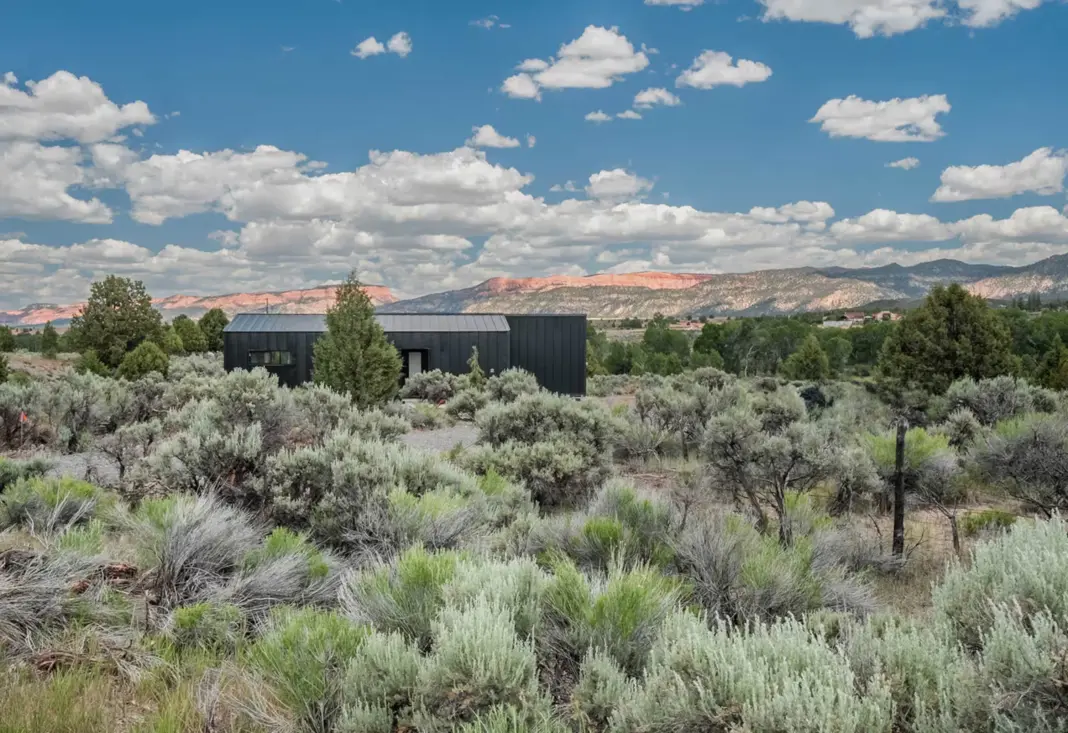

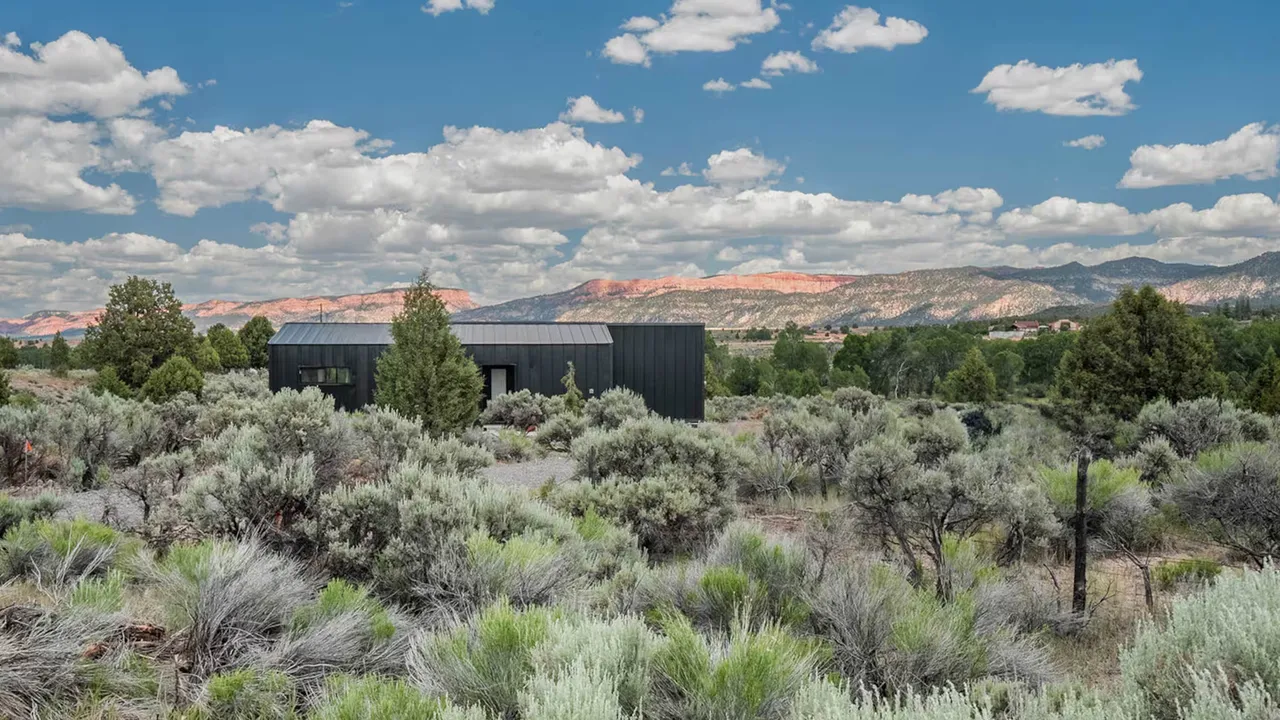
The main attraction at Bryce is hoodoo-viewing, so the decisions lie in exactly how you want to see these spires: by foot, by car, or on another sort of adventure.
The scenic drive
If you’re in it for the panoramas, do the whole 17-mile scenic drive, stopping at as many viewpoints as you have time for. Prioritize Sunrise or Sunset Point, Farview, nearby Piracy Point, and Rainbow/Yovimpa Points at the drive’s end. The prettiest times to make this drive are at dawn or golden hour, when the hoodoos glow.
Hoodoo hiking
The fastest and easiest paths into Bryce’s hoodoo-filled amphitheater are Queen’s Garden and Navajo Loop, which can each be hiked as out-and-backs, or connected for a 3-mile round-trip trek.
Another worthy short hike is the one-mile round-trip Bristlecone Loop Trail, which begins from Rainbow/Yovimpa Points and tours those namesake trees, some nearly 2,000 years old.
All of Bryce’s trails descend from the rim into the amphitheater except one: Tropic Trail. This lesser-known trek begins just outside Bryce in the town of Tropic and climbs up into the amphitheater, eventually connecting with Navajo Loop, which leads to the rim (a 3.4-mile round-trip journey).
More ambitious hikers might consider the aptly named Fairyland Loop (eight miles round-trip) or Under-the-Rim Trail, a 23-mile one-way backpacker’s favorite that can be done with a shuttle from end-to-end (note that a permit is required for an overnight backpacking trip in Bryce).
Read our full guide to Bryce Canyon hikes.
Horseback riding, snow sports, and stargazing
There is something to be said for experiencing the West’s wild terrain by horseback. Book with Canyon Trail Rides, which offers two- and three-hour tours April-October ($85 and $125 per person, respectively).
In winter, explore the park’s extensive network of cross-country ski and snowshoe trails alone or with a guide. The Bryce Snowshoe Program also provides full-moon night hikes.
Speaking of night, Bryce is a legendary spot to stargaze, with certifiably dark skies. About a 10-minute drive from the park, the Dark Ranger Observatory hosts nightly stargazing with telescopes and astronomical experts (May to October).