
UK bluefin tuna comeback shows nature can recover, says WWF
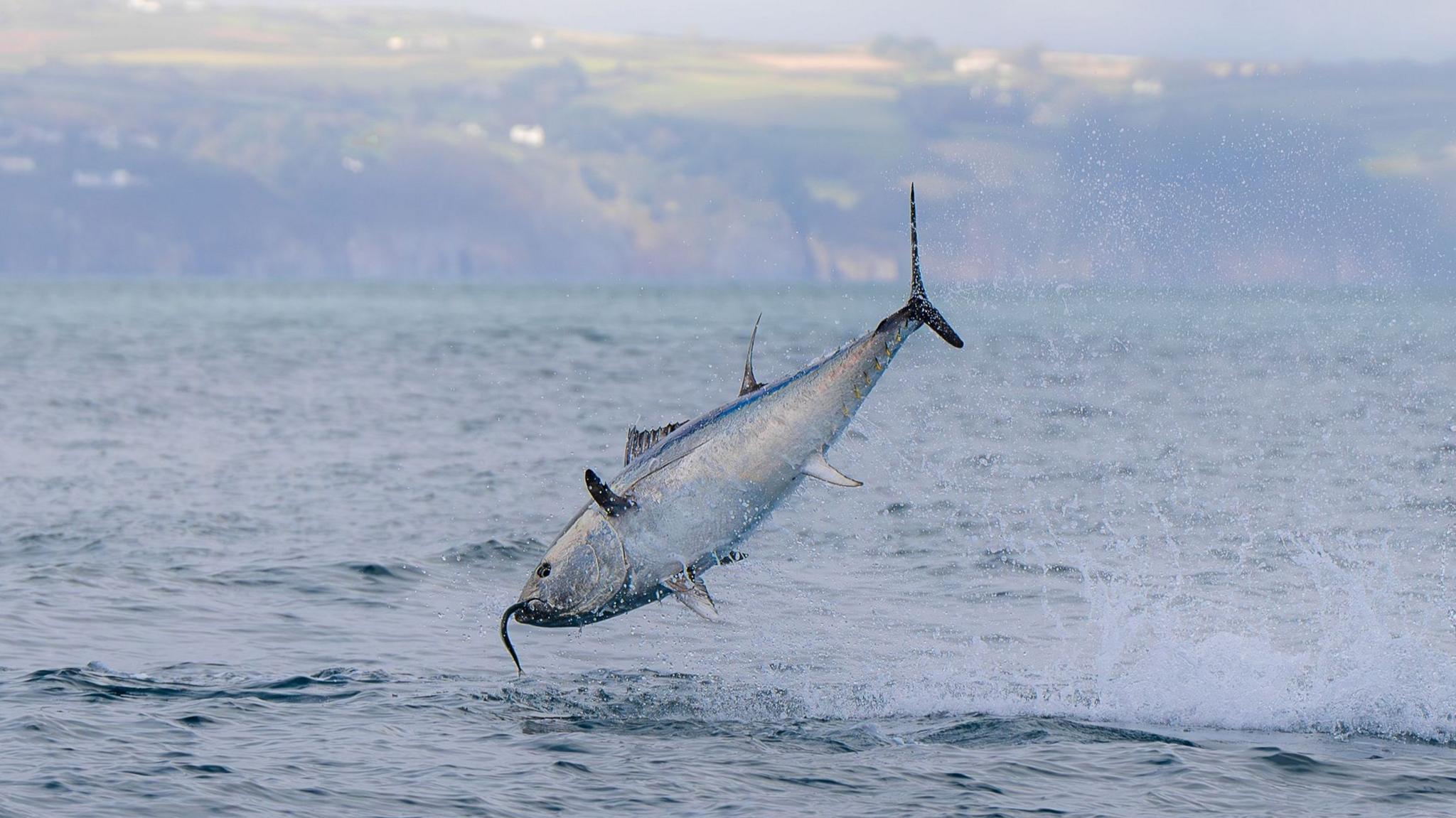 Image source, Henry Kirkwood/WWF-UK
-
Published
Bluefin tuna have returned in huge numbers off the British coast after almost disappearing from UK waters.
The return of the giant predatory fish is one of several wildlife recoveries highlighted in a major new report from WWF, which it says shows conservation can work.
However, the Living Planet Report 2026 also found that monitored wildlife populations around the world have fallen by an average of 73% since 1970.
The wildlife conservation charity said nature remains in “freefall” but it called the report one of hope.
“It’s not too late,” Mike Barrett, chief scientific adviser at WWF-UK, told the BBC.
-
Restored wetland becomes haven for rare birds
-
Published14 September
-
-
Five endangered African birds hatch at Chester Zoo
-
Published5 August
-
The UK was once home to large tuna fisheries, but overfishing of both the tuna and the smaller fish it preys on meant that by the 1960s it had largely disappeared.
The report credits its recent recovery to a concerted international effort that included reducing catch quotas, size limits and protection of spawning grounds, which was backed by campaigns from consumers, chefs and retailers.
Hannah Rudd, head of marine at the Angling Trust, said the result of this effort was close to an “explosion” in the population of the species.
“I think bluefin tuna is a golden case study that fisheries management works,” she said.
To play this video you need to enable JavaScript in your browser.
This video can not be played
The WWF report highlighted other species recoveries around the world, including an increase of more than 70% in the number of wild tigers – from around 3,200 in 2010 to about 5,700 in 2025.
Last year, the green sea turtle became the first marine turtle to have its protection status downgraded from “endangered” to “least concern”, after 50 years of conservation work in about 80 countries.
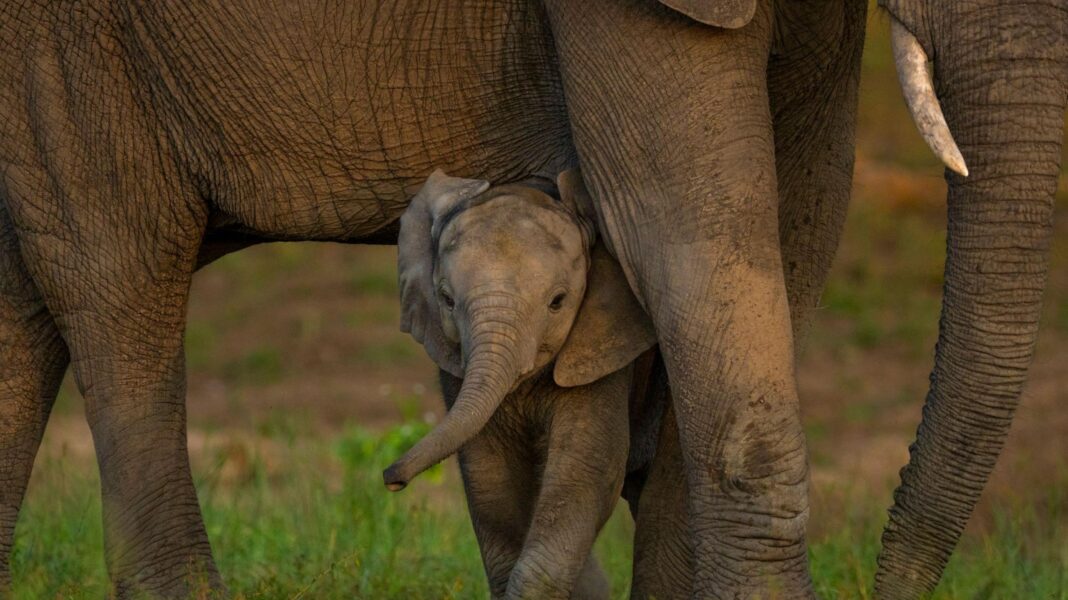
Elephant numbers are stable or growing in parts of southern Africa, thanks in part to new laws that give local people a share of the income elephants bring, including tourism.
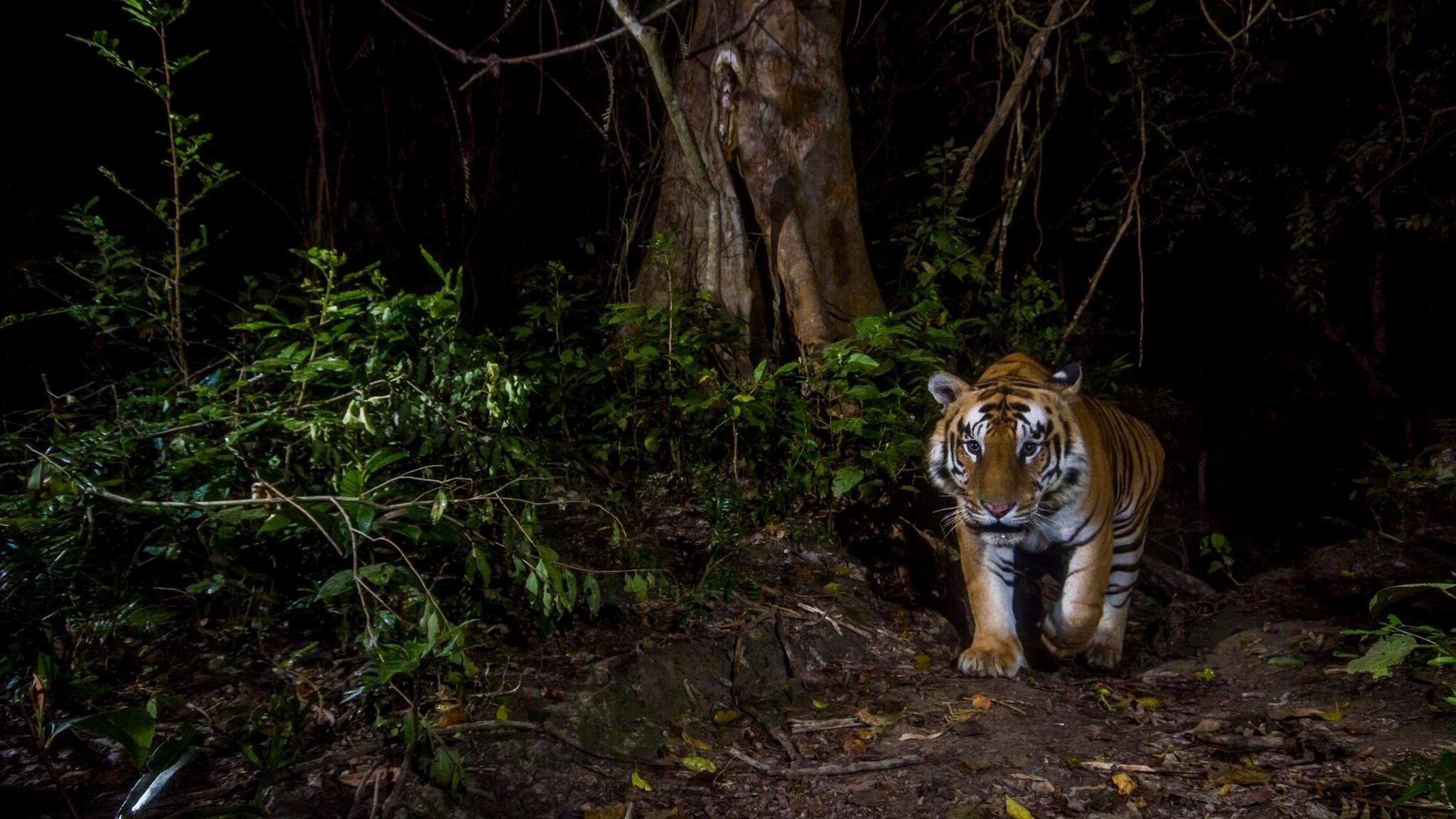 Image source, Emmanuel Rondeau/WWF-US
Barrett said these successes resulted from a clear goal with a credible plan and people who believed they could make a difference. The report calls it “the science of hope”.
“Hope is not the same thing as wishful thinking,” he said. “Hope is not passive. Hope’s about action.”
But despite the individual successes, the overall picture for nature remains stark.
Working with the Zoological Society of London, WWF tracks nearly 36,000 populations of almost 6,000 species of mammals, birds, fish, reptiles and amphibians.
It estimates global monitored wildlife populations have fallen by an average of 73% since 1970.
The figure measures the average change in the size of those populations, not the number of animals lost. About half of the populations are stable or growing, but their gains are outweighed by losses elsewhere.
Dr Katie Collins, a senior curator at the Natural History Museum in London, also said the index misses out vast numbers of important species because it covers only vertebrates, missing plants, insects and other creatures they depend on.
“If you lose garden snails, you lose the song thrush,” she warned.
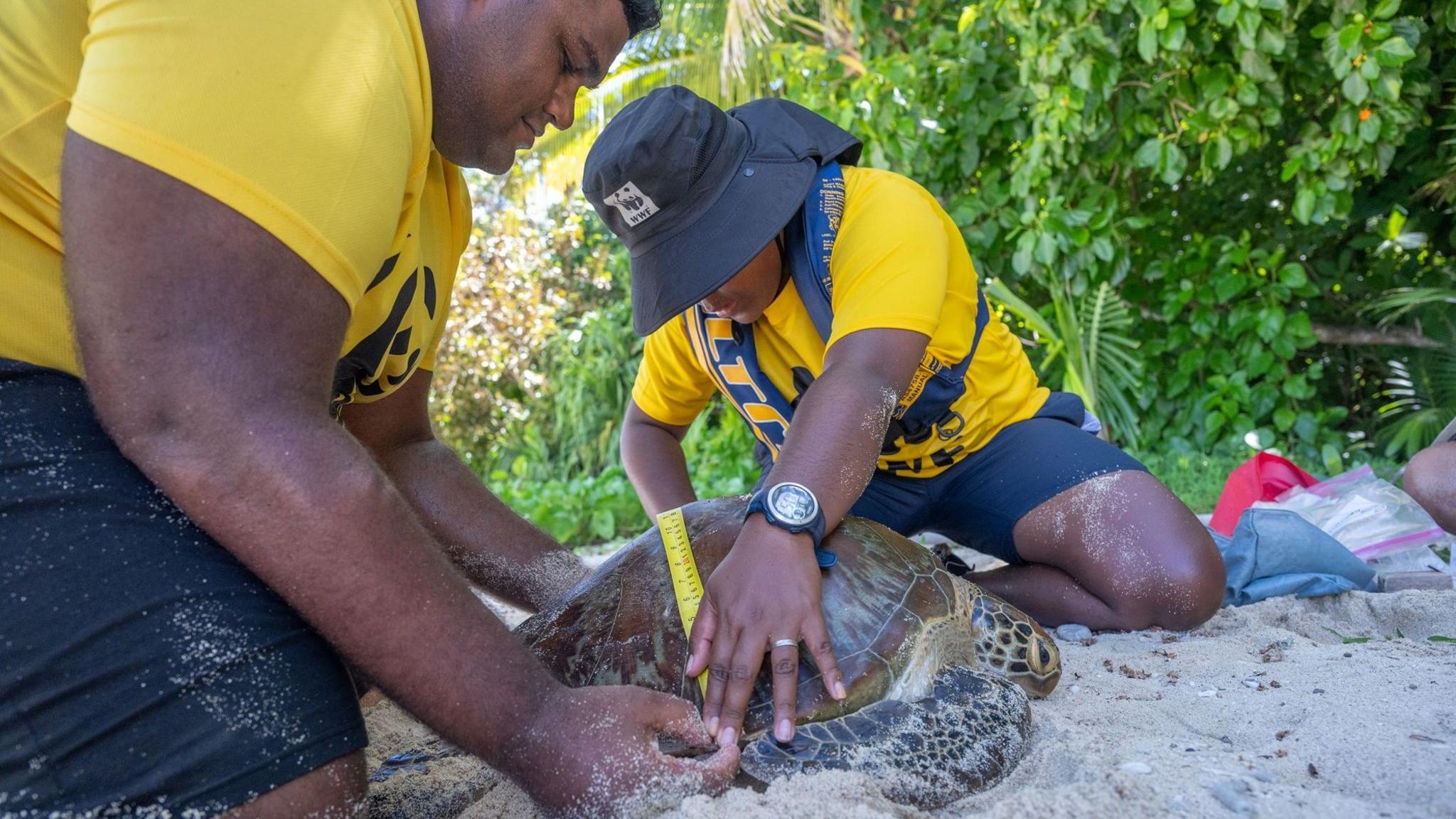 Image source, Tom Vierus/WWF-Pacific
WWF says conservation alone cannot reverse the decline but there must be efforts to tackle the causes.
The biggest pressures come from farming, which can destroy the habitats wildlife depends on, and burning fossil fuels for energy, which drives climate change.
The organisation says the money is flowing the wrong way. In 2023, about $7.3 trillion (£5.53tn) went into activities that harm nature, compared with $220bn spent protecting or restoring it, the report estimates – a ratio of roughly 33 to one.
Barrett has worked on seven Living Planet reports, but he said this was the first where the takeaway message was to focus on hope.
“The fact that the science is still telling us that we’ve got a way out is actually extraordinary,” he said.
“So it’s a closing window of opportunity, but it’s still open, just, if we act now.”
Additional reporting Kevin Church and Miho Tanaka