
UK reservists contacted as ‘threat environment’ rises, Streeting says
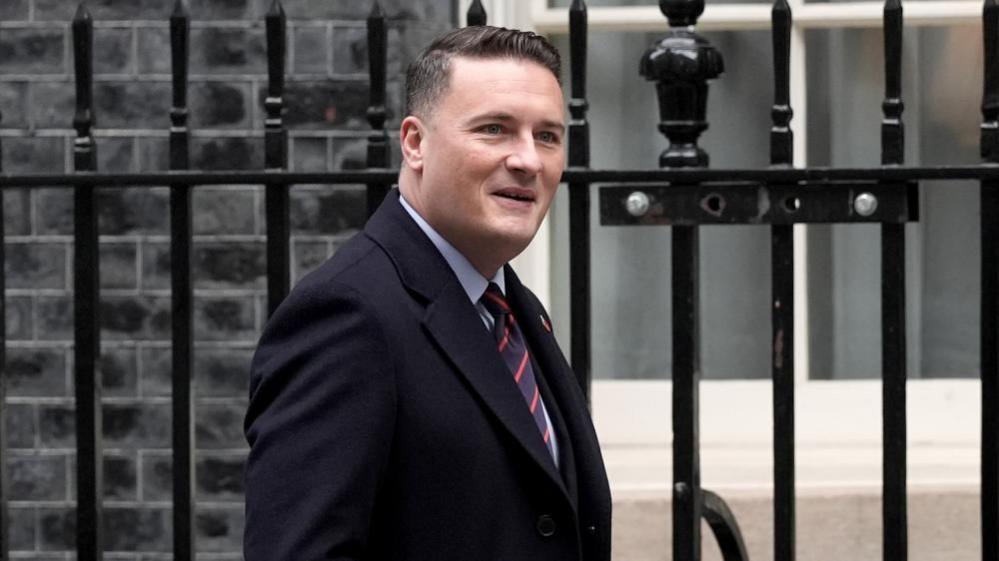 Image source, Press Association
-
Published
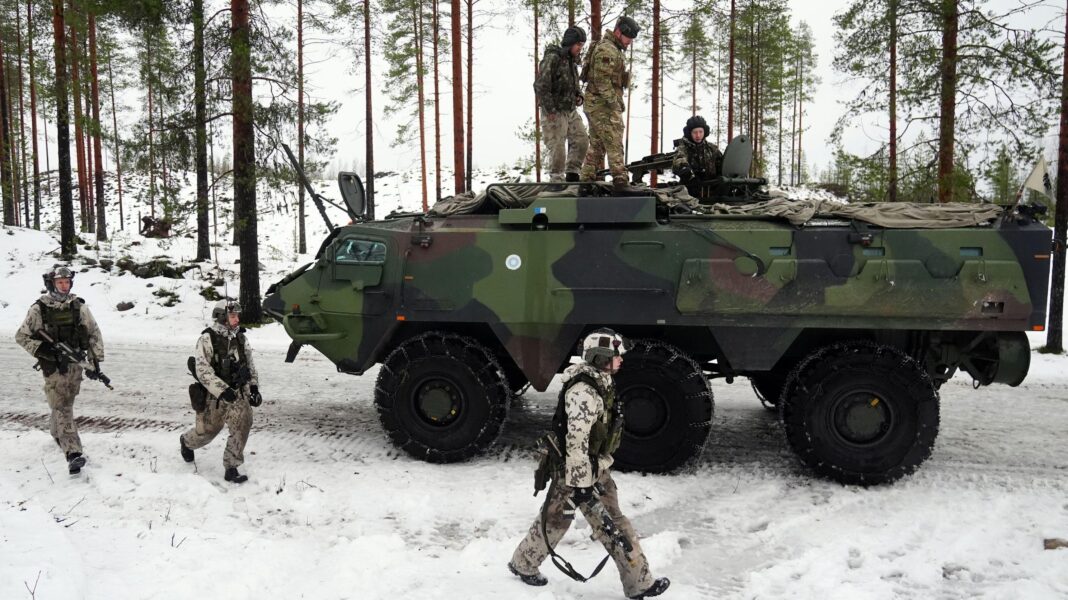
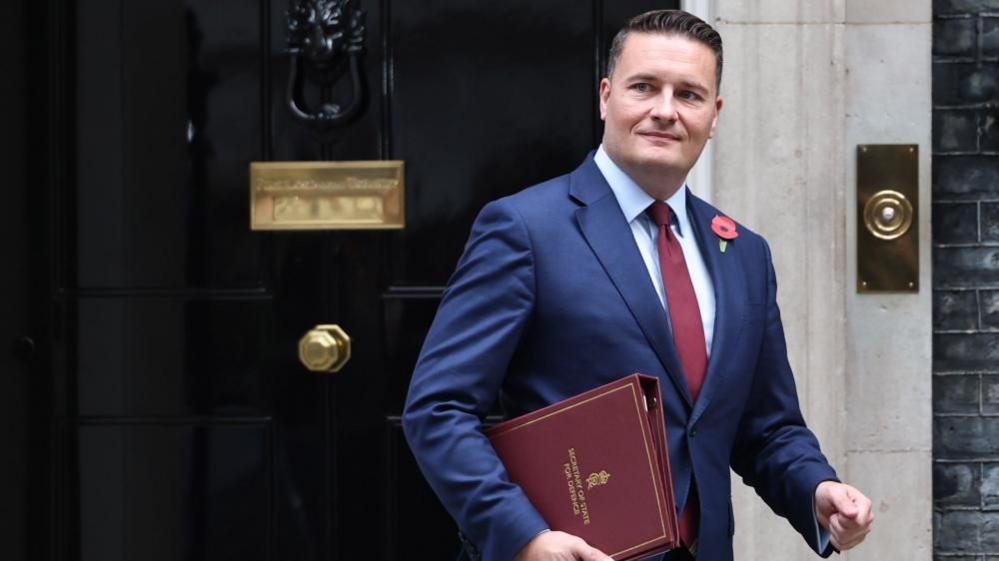
The Ministry of Defence has written to ex-military personnel to check their contact details and skills against the backdrop of a rising “threat environment”, Defence Secretary Wes Streeting has said.
It comes after The Times and the Telegraph reported that reservists who previously served in the Armed Forces have received letters telling them to prepare to be called up for war.
Streeting told BBC Radio 4’s Today programme that this meant should they ever be needed “either for a national disaster here at home or for a more serious threat or conflict elsewhere” then they would “know where our strategic reserve is” and what their skills were.
“I want the country to be alert, not alarmed,” he said.
“You can’t not look at what’s going on in Europe and not be concerned about a threat environment which has deteriorated in recent years and is sadly increasing,” Streeting told Today.
“We saw last Friday a very serious incident – the incursion into Polish airspace by Russian missiles, we’ve seen state-sponsored terrorism waged by Russia across Europe, we’ve obviously had incidents concerning Iran around RAF bases here in the UK.
“And so against that backdrop, against that threat environment, the government and the country has to be ready to face down those risks.”
He added: “Because the more ready we are the less likely we are to find ourselves in a conflict, in a war, that is my goal, that is the goal of this government.”
Streeting told BBC Breakfast that “if, God forbid, this country did find itself at war” and there was then an inquiry, the Ministry of Defence would be criticised if the government had not kept its records up-to-date.”
The Telegraph reported that the letters offered opportunities to volunteer, external for training and exercises.
This is not a case of pressing the panic button for imminent war, but more one of good housekeeping.
When Britain went to war in Iraq in 2003 the MoD had a poor grasp of who might be available to serve, what current skills they had and what their up-to-date contact details were. So they obviously don’t want to be in that situation if there is a national crisis in the future that triggers a mobilisation.
Twenty three years on, the Ukraine war has changed everything. It’s brought a hot war to the very borders of Nato, it’s exposed the dangers of having too few troops available, but most of all it has changed the nature of warfare.
People who have spent their adult lives never touching a weapon can turn out to be extraordinarily skilled drone operators, those with a talent for electronics, radio and signals work have a vital role to play in electronic warfare.
So this exercise by the government, probably long overdue, is about knowing who can do what and where they can be contacted.
Justin Crump, a former Army officer and now CEO of the business intelligence firm Sibylline, told the BBC: “Ukraine has shown us the importance of mobilising civilian skills and approaches in modern warfare. This is a first step, and an overdue one in many ways, with the effort likely to increase through early 2027. [It is] very much a part of deterrence and not an intention to use people”.
He said veterans – a sometimes misleading term for men and women who are often in peak physical shape and fitness – that he has contacted have generally responded positively to the move. “After all”, he said, “they signed up to help before, but want to make sure their enhanced skills and talents are valued”.
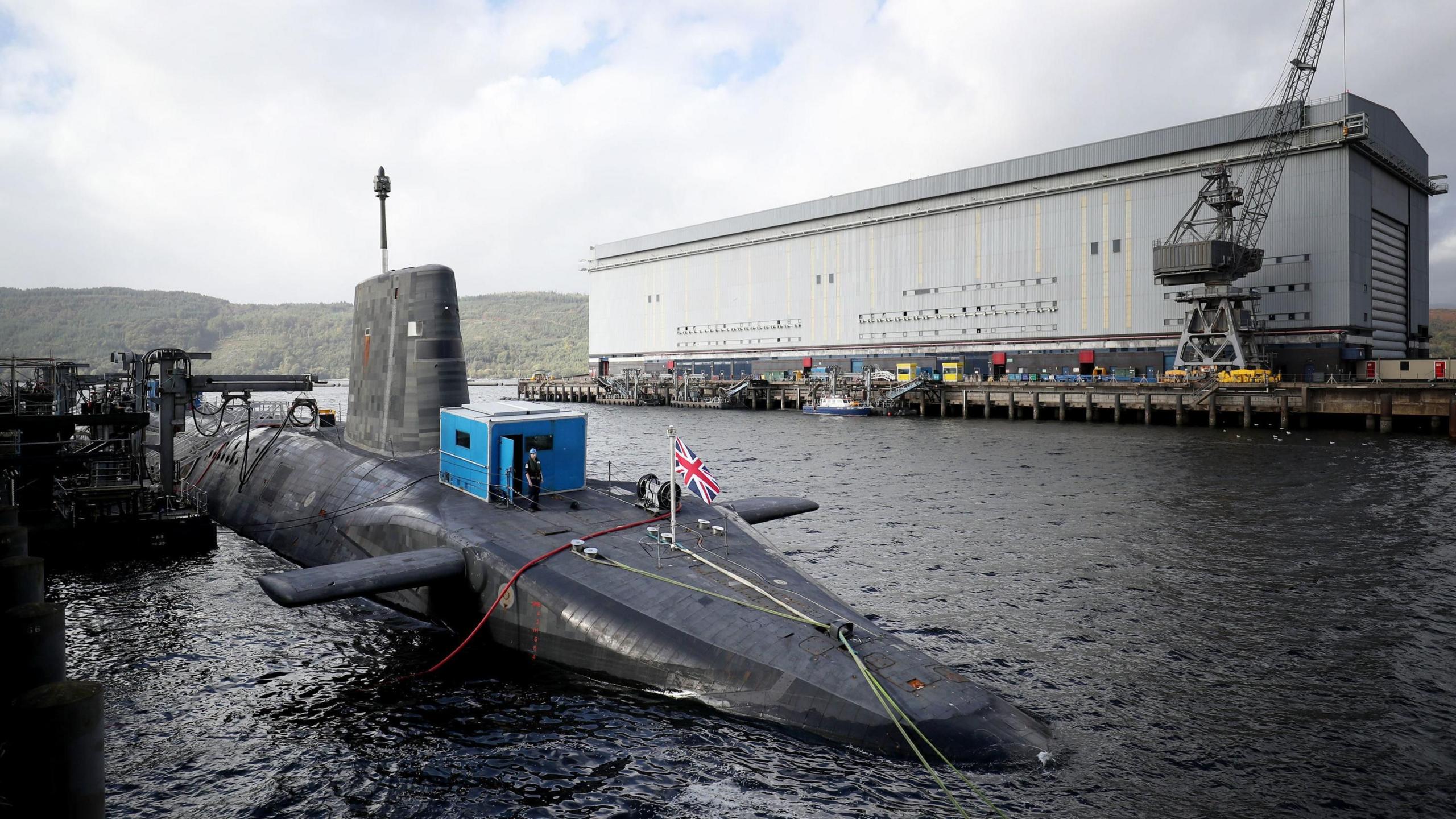
The MoD’s decision to contact ex-military personnel comes after news that the UK has signed an £8bn contract to upgrade its nuclear submarine fleet, which the defence secretary said would help get the country “warfighting ready”.
Meanwhile, Streeting also praised the Duke of Sussex’s “patriotic spirit” after the former Army officer said he would rejoin the armed forces again if needed.
Asked whether there could be a role for Harry, the defence secretary told Today: “I’m always happy to talk to him about how we can work together, whether that’s through his Invictus Games, which does a brilliant job supporting our veterans and giving them opportunities to take part in those amazing and inspiring competitive sporting events, but he does have experience to bring to bear.”
Streeting praised the “service he’s given to our country” and the fact he had spoken about his “willingness and readiness to serve”.
“I think that’s exactly the sort of patriotic spirit we’re looking for,” he said.
“I think it’s that sort of patriotic spirit we’ll find throughout our strategic reserve.”
Last week, Harry, who spent a decade in the forces and served on the front line in Afghanistan, said: “If asked to sign up again, if the need is there, then I will 100% be there to serve my country, alongside my fellow veterans and service personnel.”
-
-
Published8 hours ago
-
-
-
Published28 October
-
-
-
Published30 October
-