

This post was originally published on this site.
To boost your sales, you need to understand shopping consumer behavior. Start by identifying the stages consumers go through, from recognizing their needs to reflecting on their purchases. Analyze emotional triggers—most buying decisions are based on feelings. Pay attention to social influences, online reviews, and personalized marketing strategies. By doing so, you can tailor your approach and enhance engagement. Let’s explore how to implement these insights effectively to drive better results.
Key Takeaways
- Emotional triggers significantly influence 95% of purchases, highlighting the need for marketing that evokes positive feelings.
- Impulsive buying accounts for 70% of consumer purchases, underscoring the importance of effective product placement and promotions.
- Online reviews are as trusted as personal recommendations, making them crucial for influencing purchasing decisions.
- Economic conditions and social factors, like peer recommendations, greatly affect consumer spending habits and decision-making processes.
- Tailoring marketing strategies through data collection and personalization can enhance customer engagement and conversion rates by up to 50%.
Shopping consumer behavior is all about how you make decisions when buying products or services. Understanding this involves recognizing several key stages, like need recognition and information search. You might start by identifying what you need, then gather information about your options.
Evaluating alternatives helps you compare products, leading to a purchase decision. After buying, you often reflect on your choice, which can affect future shopping behavior.
Retail consumer behavior shows that external factors, like social influences and emotional appeal, greatly impact your decisions. For instance, research reveals that 70% of people make impulsive purchases, which underscores the importance of product placement and marketing strategies.
You’re likely to trust online reviews as much as a friend’s recommendation, so consider this when you shop. By understanding these elements, you can make more informed choices and enhance your overall shopping experience.
How Understanding Consumer Behavior Boosts Retail Sales

Understanding consumer behavior isn’t just an academic exercise; it’s a practical tool for boosting retail sales. By grasping how shoppers think and act, you can make strategic adjustments that enhance customer satisfaction and increase sales.
Here’s how you can leverage consumer insights effectively:
- Identify Key Motivations: Understand what drives your customers—are they looking for value or loyalty?
- Tailor Marketing Messages: Craft personalized marketing that resonates with your audience’s preferences.
- Utilize Data Analytics: Track shopping behavior to optimize store layouts and product placements, encouraging impulse buys.
- Monitor Social Media Trends: Stay updated on consumer feedback to adapt your offerings in real time.
What Psychological Factors Influence Purchase Decisions?

When considering what drives purchase decisions, it’s vital to recognize the psychological factors at play. Emotional triggers play a significant role in consumer behavior, as studies show that nearly 95% of purchases are influenced by feelings rather than logic.
To tap into this, create marketing messages that evoke positive emotions, like happiness or nostalgia.
Also, consider cognitive dissonance; after buying, shoppers may feel regret. Provide reassurance through reliable post-purchase support and customer testimonials to boost satisfaction.
Social proof is essential, too. Since 79% of people trust online reviews, make sure to showcase positive feedback prominently.
Use scarcity and urgency in your promotions, as 60% of consumers are more likely to buy when they perceive limited availability.
Finally, leverage the anchoring effect by displaying original prices to help consumers rationalize their purchases.
Key Types of Consumer Buying Behavior Explained

When you think about your shopping habits, you’ll notice two key types of consumer buying behavior: impulsive buying patterns and rational decision-making processes.
Impulsive buying often leads you to make quick, unplanned purchases, while rational decision-making involves careful consideration and comparison of options.
Understanding these behaviors can help you become more intentional in your shopping, allowing you to save money and make choices that truly meet your needs.
Impulsive Buying Patterns
Impulsive buying patterns can catch you off guard, especially when emotional triggers like bright displays or catchy sales promotions come into play.
[embedded content]
To navigate these impulsive buying behaviors effectively, consider the following:
- Emotional Triggers: Recognize when feelings of excitement lead you to unplanned purchases.
- Store Layout: Pay attention to how product placement influences your decisions.
- Sensory Experiences: Notice how music and lighting can create an inviting atmosphere that encourages spending.
- Marketing Strategies: Be wary of limited-time offers or social proof, like glowing reviews, that can pressure you into buying.
Rational Decision-Making Process
Understanding the rational decision-making process is essential for making informed purchases that meet your needs. This structured approach involves five key stages: recognizing a problem, searching for information, evaluating alternatives, making a purchase decision, and reflecting post-purchase.
During the information search, tap into online reviews and recommendations to gather valuable insights.
In the evaluation stage, compare products based on price, quality, and brand reputation; using a decision matrix can help you weigh options effectively.
When making your purchase decision, consider situational factors like promotions or peer suggestions, as these can influence your choice.
Finally, after your purchase, assess your satisfaction, as positive experiences enhance brand loyalty and increase the likelihood of recommendations.
How Do Economic Conditions Affect Consumer Choices?
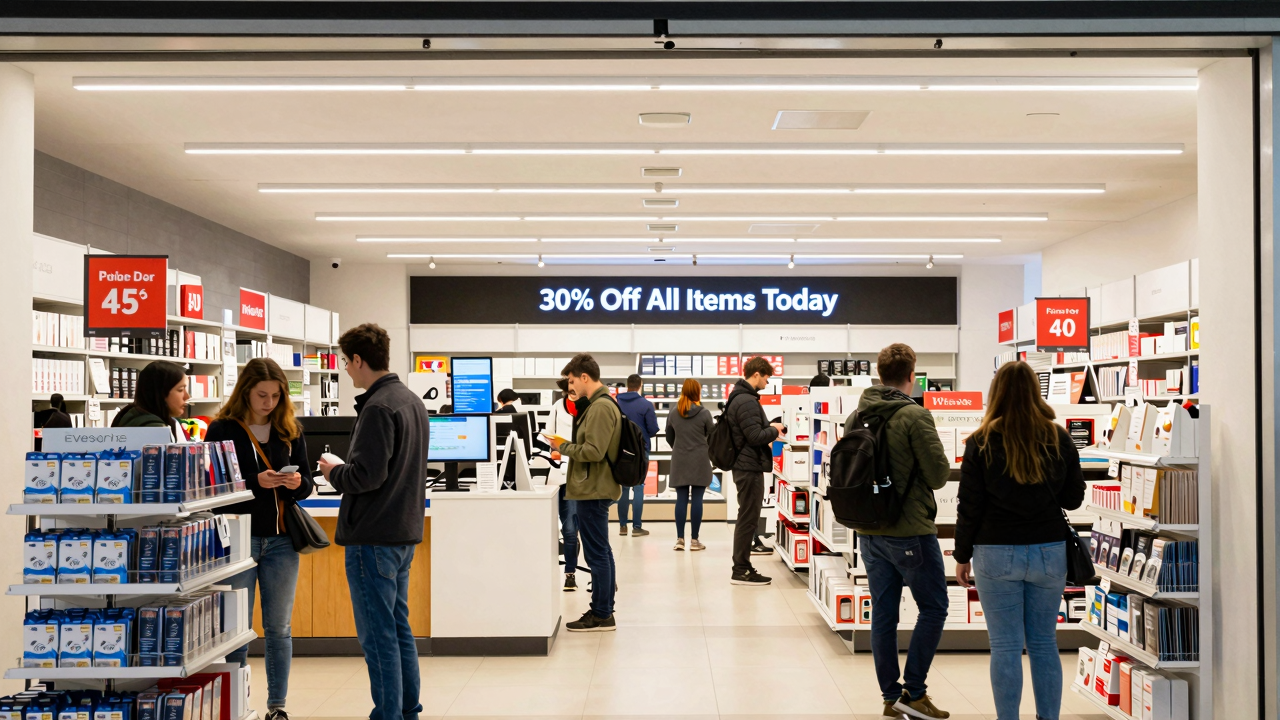
When economic conditions shift, like inflation or rising unemployment, your disposable income and spending habits can change dramatically.
You might find yourself prioritizing essential items over luxury goods, and actively seeking out discounts or comparing prices before you buy.
To adapt, consider adjusting your pricing strategies and exploring budget-friendly options, such as generic brands, to maintain your purchasing power.
Disposable Income Trends
Economic conditions directly shape how you spend your money, especially when it comes to disposable income. When the economy improves, you likely feel more comfortable spending on non-essentials.
Here are some key trends to contemplate:
- Prioritize Essentials: During downturns, focus on necessary goods and services.
- Impulse Buying: Households with higher disposable incomes often engage in unplanned purchases.
- Value-Seeking: Economic struggles make you more cautious, seeking value in every purchase.
- Premium Products: With more disposable income, you might be drawn to higher-quality, experience-driven shopping.
Understanding these disposable income trends can help you adjust your retail behavior, ensuring you meet the shifting demands of consumer behavior effectively.
Stay aware, adapt, and tailor your strategies accordingly.
Pricing Strategy Adjustments
As consumer behavior shifts during tough economic times, adjusting your pricing strategy becomes essential to maintaining sales.
[embedded content]
You’ll notice that economic conditions like inflation and recession make shoppers more price-sensitive and focused on essentials. To adapt, consider offering tiered pricing strategies, presenting varied price points to cater to different consumer segments.
Research shows that 63% of consumers cut back on non-essential items during uncertainty, so introducing attractive discounts or promotions can drive traffic.
Remember, small price changes can greatly impact demand, so monitor your pricing closely.
The Role of Marketing Campaigns in Shaping Behavior

Effective marketing campaigns play an essential role in shaping consumer behavior, so understanding how to leverage them can greatly boost your business.
To effectively influence retail behavior and shopper behavior, consider these strategies:
- Enhance Brand Awareness: Brands with strong visibility can achieve up to 20% higher sales. Use consistent messaging across all channels.
- Utilize Targeted Advertising: Leverage consumer behavior data to create personalized messages, increasing engagement rates by 50%.
- Incorporate Social Proof: Display customer reviews and testimonials. This can boost conversion rates by 34%, as consumers trust peer recommendations.
- Emotional Marketing: Connect with consumers’ psychological drivers, leading to a 23% increase in sales from emotionally engaged customers.
How Personal Preferences Shape Consumer Choices

Understanding how personal preferences shape consumer choices is essential for tailoring your marketing strategies effectively. Personal preferences, influenced by individual experiences, cultural backgrounds, and values, directly impact how you define consumer behavior.
When defining consumer behavior, consider how psychological factors like motivation and perception drive choices. For instance, consumers often develop brand loyalty based on emotional connections, preferring brands that align with their values, such as sustainability.
To effectively engage these consumers, adopt tailored marketing strategies that resonate with their preferences. Highlight your commitment to ethical practices or sustainability in your messaging.
Additionally, remember that social influences, like recommendations from friends or family, can sway decisions. Encourage satisfied customers to share their experiences, amplifying your reach.
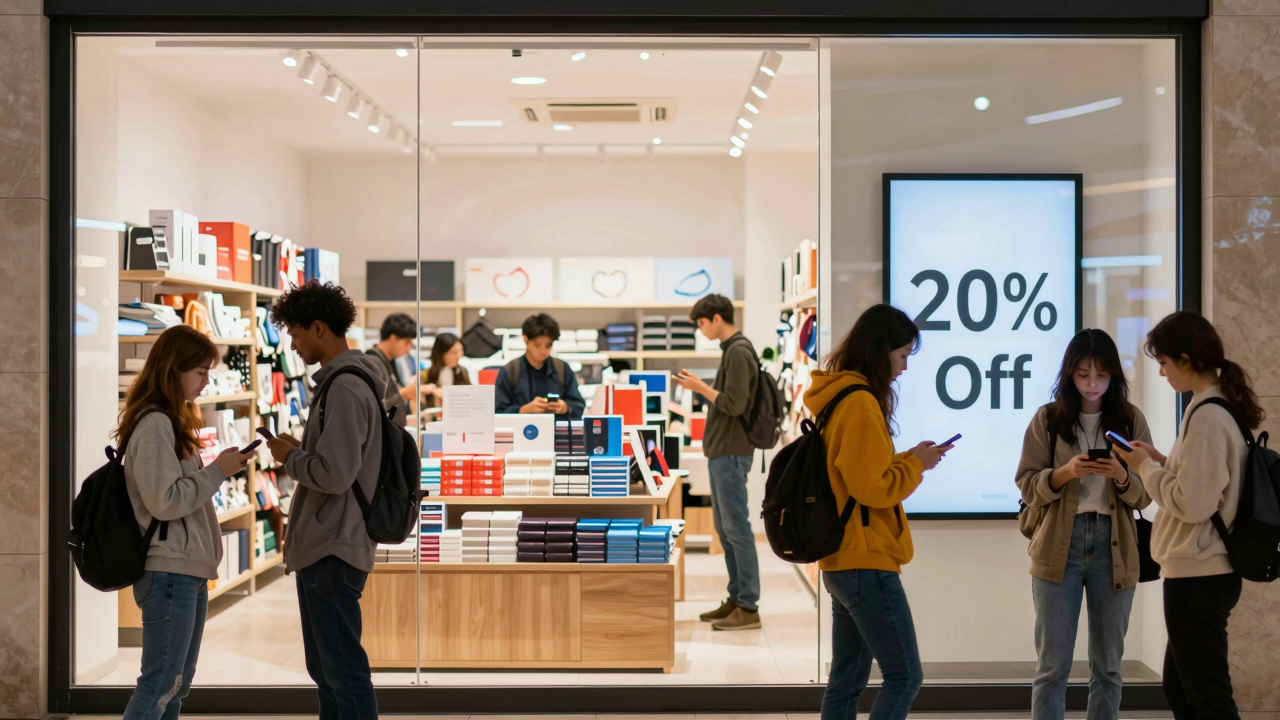
Social networks play an essential role in your shopping decisions, as many consumers rely on recommendations and reviews from friends and influencers.
To maximize your purchasing power, engage with your social circles and pay attention to their opinions, since peer influence can greatly sway your choices.
Social Networks’ Role
The influence of social networks on shopping behavior is undeniable, shaping how consumers make decisions. Understanding what’s consumer behavior involves recognizing the role of social media.
Here are four ways social networks impact your shopping:
User-generated content on platforms like Instagram builds trust; 79% of you rely on it before buying. Social proof, such as likes and shares, creates urgency, making you 63% more likely to purchase. Influencer marketing delivers an impressive ROI of $5.78 for every dollar spent, guiding your choices. Real-time reviews shape your perception; 91% of you read them before making purchases.
2. Peer Influence Dynamics
When you shop, your friends and family often have a bigger impact on your choices than you may realize. Peer influence plays a key role in your purchasing decisions, as 72% of consumers trust recommendations from friends over traditional ads. Social networks amplify this; 78% of you are swayed by social media posts. Group dynamics create “social proof,” making you more likely to buy endorsed products. Additionally, 49% trust influencers for guidance. When shopping with friends, nearly 60% of you admit to making impulse buys.
| Factor | Influence Level |
|---|---|
| Peer Recommendations | 72% |
| Social Media Posts | 78% |
| Social Proof | High |
| Influencer Trust | 49% |
| Impulse Buying | 60% |
3. Word-of-Mouth Impact
Word-of-mouth can greatly shape your shopping decisions, often more than you realize. It’s essential to understand how social networks influence your choices. Here are some key points to reflect on:
[embedded content]
- Trust: You’re 90% more likely to trust recommendations from friends and family over ads.
- Social Media: 71% of consumers say social media referrals increase their likelihood to buy.
- Negative Feedback: Be aware that 60% of consumers will avoid a brand after hearing negative comments.
- Engagement: Brands that engage advocates see a 37% higher retention rate among referred customers.
To leverage word-of-mouth, share your positive experiences, seek recommendations, and engage with Word of Mouth brands that encourage feedback.
This proactive approach can greatly influence your shopping success.
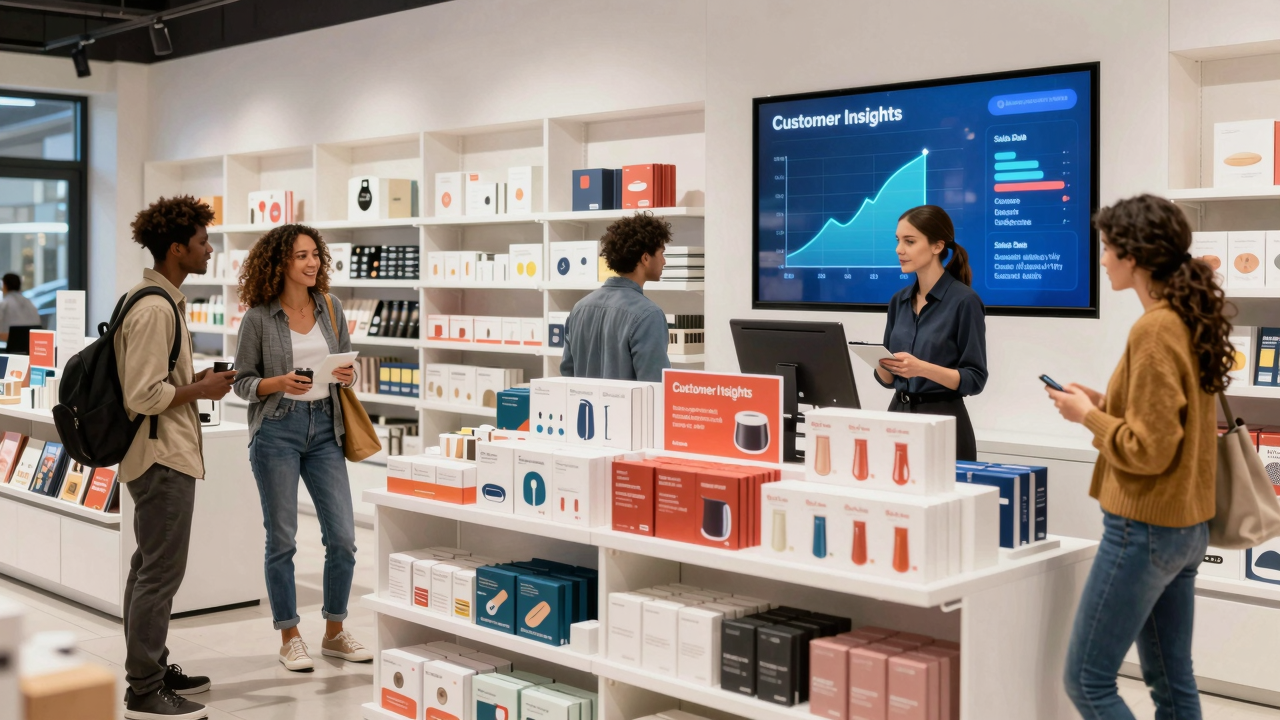
Understanding shopping consumer behavior requires effective data collection methods that provide clear insights into how people shop. Start by using surveys to gather structured data directly from consumers about their preferences and experiences. This can help you understand what drives their choices.
Next, consider implementing consumer panels for ongoing feedback, allowing you to track shifts in shopping habits over time. Observational methods are also valuable; watch how consumers interact in your store to uncover unconscious behaviors that surveys might overlook.
Additionally, focus groups can facilitate in-depth discussions among diverse consumers, giving you qualitative insights into their motivations and attitudes. Finally, run experiments by manipulating factors like pricing or product placement to see how these changes affect shopping behavior.
How to Spot Consumer Trends for a Competitive Edge
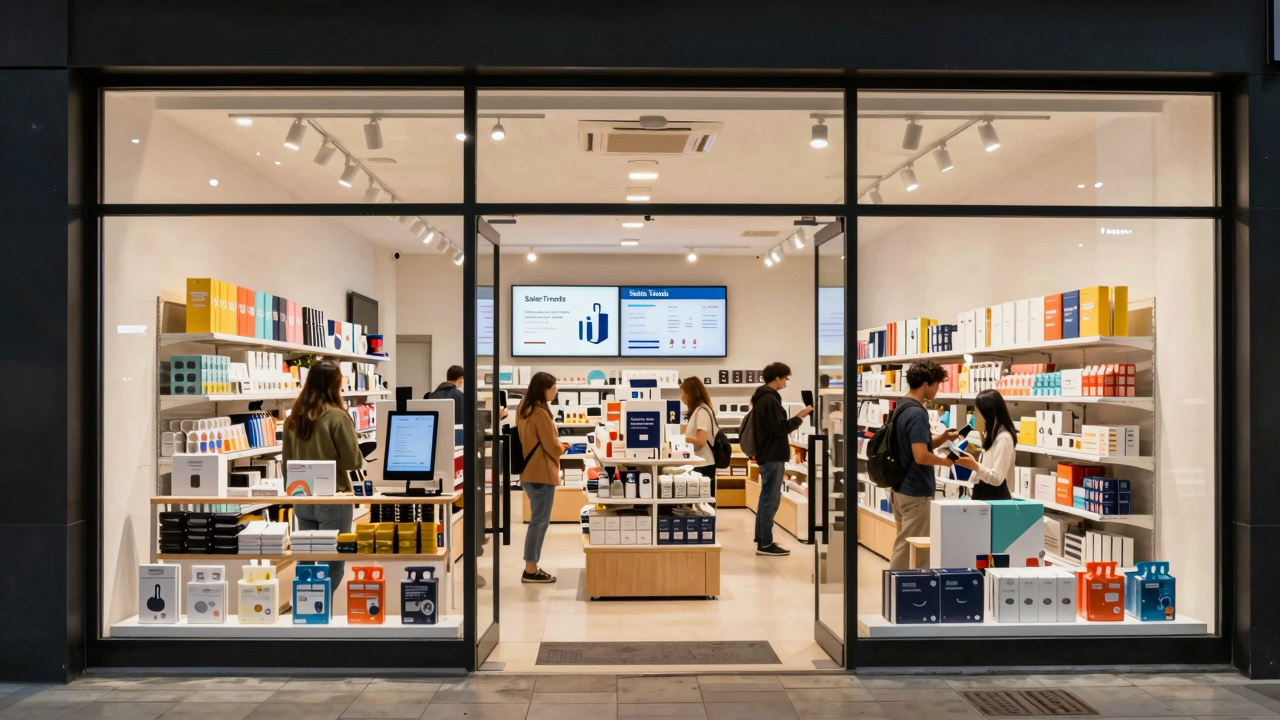
Spotting consumer trends can give you a significant advantage in today’s competitive market. To stay ahead, focus on these key strategies:
- Monitor Social Media Conversations: Keep an eye on trending topics and user-generated content on platforms like Instagram and Twitter. This helps you identify emerging preferences.
- Leverage Data Analytics: Use tools like Google Analytics to track website traffic and purchasing trends. This data reveals insights into what consumers are interested in.
- Conduct Regular Surveys: Implement customer feedback surveys to gauge satisfaction and preferences. This keeps you in tune with changing consumer needs.
- Observe In-Store Behavior: Use observational research in retail spaces to capture real-time consumer interactions.
Understanding their decision-making processes can inform your merchandising strategies.
Tailoring Marketing Strategies Using Consumer Insights
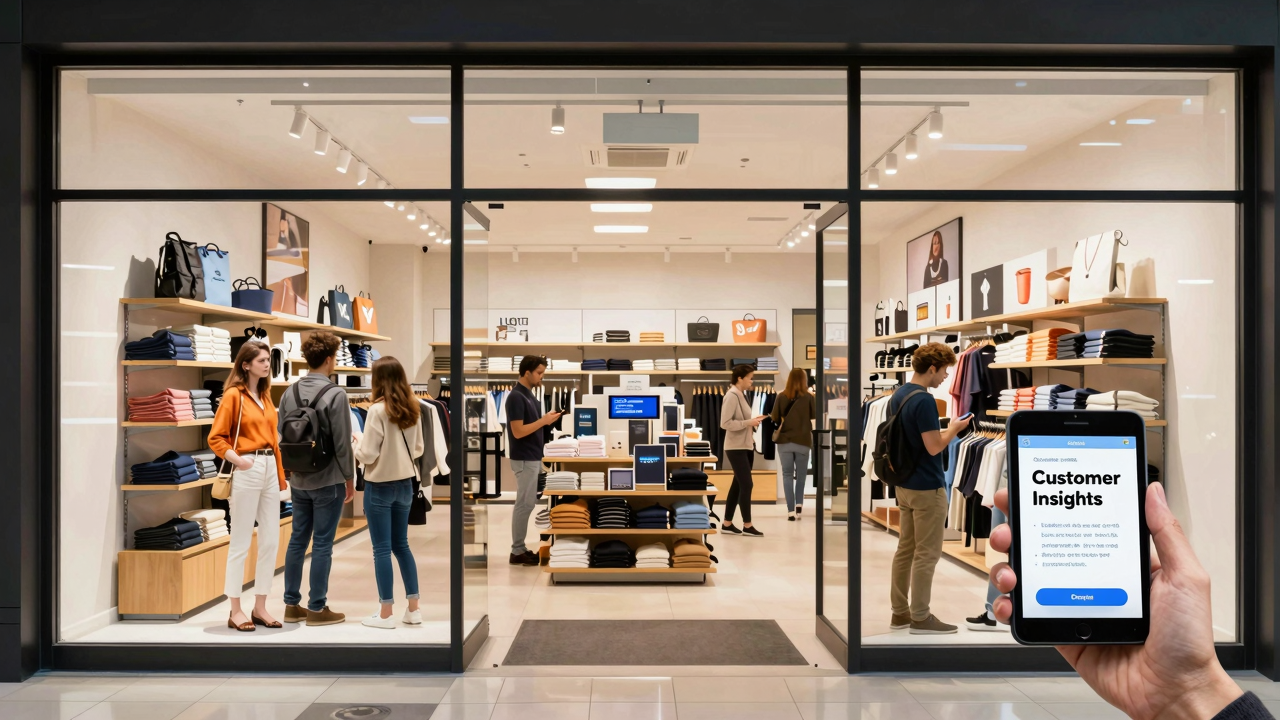
To effectively tailor your marketing strategies using consumer insights, start by gathering and analyzing relevant data. Look at purchasing patterns to identify how customers interact with your products. This can help you optimize product placements and promotions, potentially boosting your revenue by 10-20%.
Next, consider implementing personalization strategies. By recommending products based on previous purchases, you can increase customer engagement, making them 50% more likely to buy again.
Don’t forget to create feedback loops through surveys or social media. This real-time insight lets you adjust your tactics quickly, improving overall satisfaction.
Lastly, segment your customers based on behavior, such as value seekers or impulse buyers, to craft more effective campaigns. This targeted approach can enhance conversion rates by up to 25%.
Building Long-Term Relationships Through Consumer Understanding

Building long-term relationships with your consumers starts with a deep understanding of their preferences and behaviors.
To foster loyalty and satisfaction, focus on these key strategies:
- Personalize Engagement: Use insights from consumer behavior to create tailored marketing messages that resonate with individual customers.
- Ensure Consistency: Align your brand experiences with customer motivations, providing a cohesive journey that builds trust and encourages repeat purchases.
- Leverage Data: Regularly utilize data-driven insights to refine your product offerings and anticipate consumer needs, keeping them engaged and satisfied.
- Gather Feedback: Actively seek customer feedback and make necessary improvements. This shows you value their opinions and are committed to enhancing their experience.
Frequently Asked Questions
What Are the 4 P’s of Consumer Behavior?
The 4 P’s of consumer behavior are Product, Price, Place, and Promotion.
First, focus on your Product—ensure it meets consumer needs and preferences.
Next, set a competitive Price that reflects its value.
Then, choose the right Place to make your product easily accessible, enhancing convenience.
Finally, craft effective Promotion strategies that inform and engage consumers, using clear messaging.
What Are the 5 Pillars of Consumer Behavior?
The five pillars of consumer behavior are psychological factors, social influences, cultural factors, economic conditions, and personal factors.
To understand your audience better, analyze their motivations and perceptions.
Consider how friends and family shape their choices, and recognize cultural backgrounds that affect preferences.
Stay aware of economic conditions that impact spending power, and tailor your marketing strategies based on individual characteristics like age or lifestyle.
This approach will enhance your engagement and effectiveness.
What Are the 4 Types of Consumer Behavior?
The four types of consumer behavior are complex buying, dissonance-reducing, habitual, and variety-seeking.
For complex buying, research thoroughly before purchasing high-cost items.
In dissonance-reducing behavior, focus on reliability to minimize regret.
Habitual buying requires maintaining quality and visibility for low-cost items.
Finally, for variety-seeking, innovate your offerings to keep consumers engaged.
What Is Understanding Shopping Behavior?
Understanding shopping behavior means recognizing how you make decisions when buying products.
Start by identifying what you need and researching options. Compare different choices and consider factors like price and quality before making a purchase.
After you buy, evaluate your satisfaction with the product. Pay attention to what influences your decisions, like personal preferences or social trends, so you can improve future shopping experiences and make better choices.
Conclusion
To boost your sales, focus on understanding your consumers’ behaviors. Start by recognizing their needs and emotions during the buying process. Use online reviews and social proof to build trust. Tailor your marketing strategies based on insights from data collection, and keep an eye on economic trends that may influence choices. Finally, build long-term relationships by engaging with customers after the sale. By implementing these strategies, you’ll enhance consumer satisfaction and drive loyalty.
Image via Google Gemini and Small Business Trends