
This post was originally published on this site.
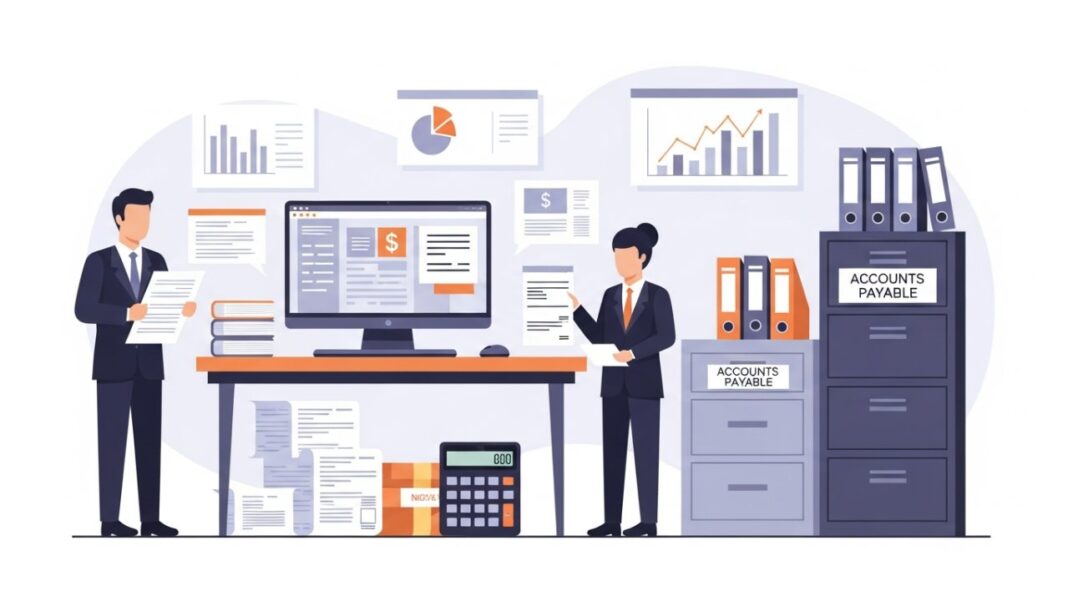
Accounts payable accounts represent a company’s short-term financial obligations for goods and services acquired on credit, usually due within 30 to 90 days. They appear as current liabilities on the balance sheet, indicating future cash outflows rather than immediate expenses. When you purchase on credit, you debit the relevant asset account and credit accounts payable, showing your obligation to the vendor. Comprehending how these accounts function is crucial for effective financial management and maintaining cash flow. What are the specific benefits of managing accounts payable efficiently?
Key Takeaways
- Accounts payable (AP) represents a company’s financial obligations for goods and services acquired on credit, typically due within 30 to 90 days.
- AP is classified as a current liability on the balance sheet, indicating future cash outflows rather than immediate expenses.
- The recording of accounts payable involves double-entry bookkeeping, debiting relevant asset accounts and crediting accounts payable.
- Efficient management of AP affects cash flow and vendor relationships, emphasizing the importance of timely payments.
- Key metrics like AP Turnover Ratio and Days Payable Outstanding (DPO) help assess the efficiency of settling liabilities.
Definition and Characteristics of Accounts Payable
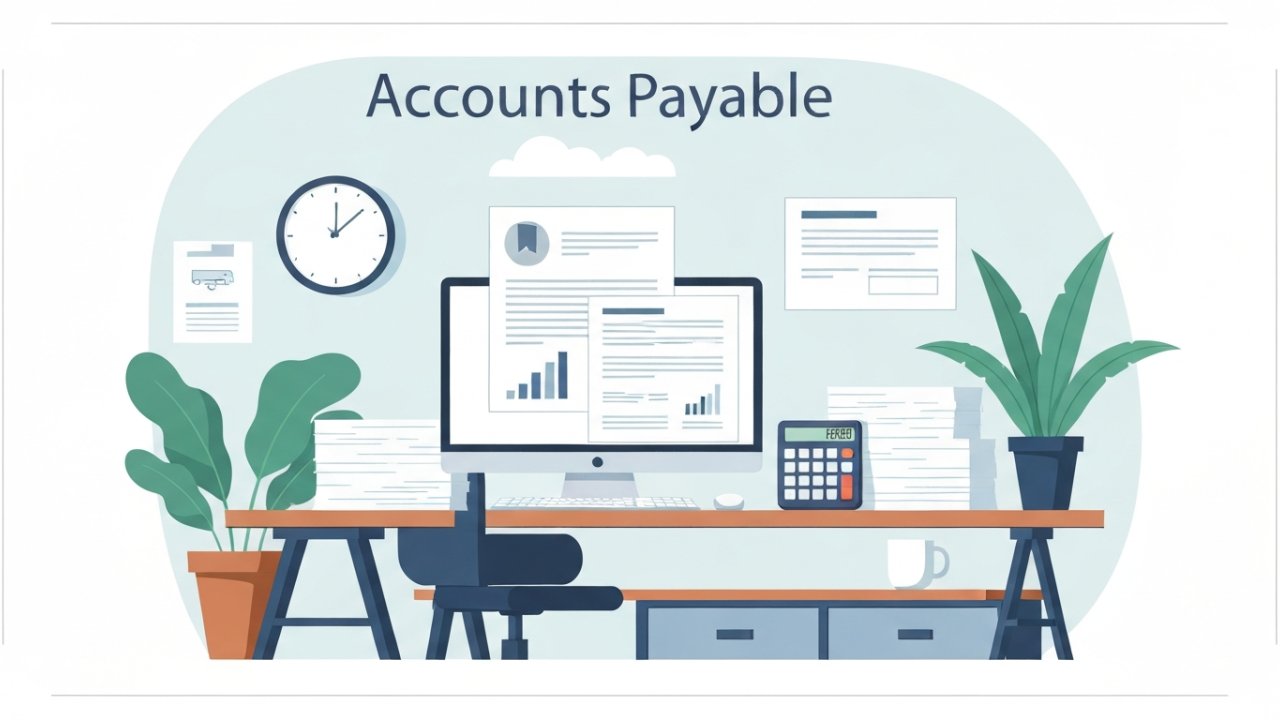
Accounts Payable (AP) represents a vital component of a company’s financial obligations, particularly the amounts owed for goods and services acquired on credit. Typically due within 30 to 90 days, these obligations are classified as current liabilities on the balance sheet, reflecting short-term debts owed to creditors or suppliers.
Comprehending accounts payable categories is significant, as they help you manage these credits effectively. It’s noteworthy that although AP is related to expenses, is accounts payable an expense? The answer is no; accounts payable isn’t classified as an expense on the income statement. Instead, it indicates future cash outflows.
Furthermore, knowing that payables aren’t considered expenses means you can track cash flow better. Accurate recording and management of AP require a solid grasp of double-entry bookkeeping, ensuring precise financial reporting and enhancing your company’s cash flow stability.
Examples of Accounts Payable
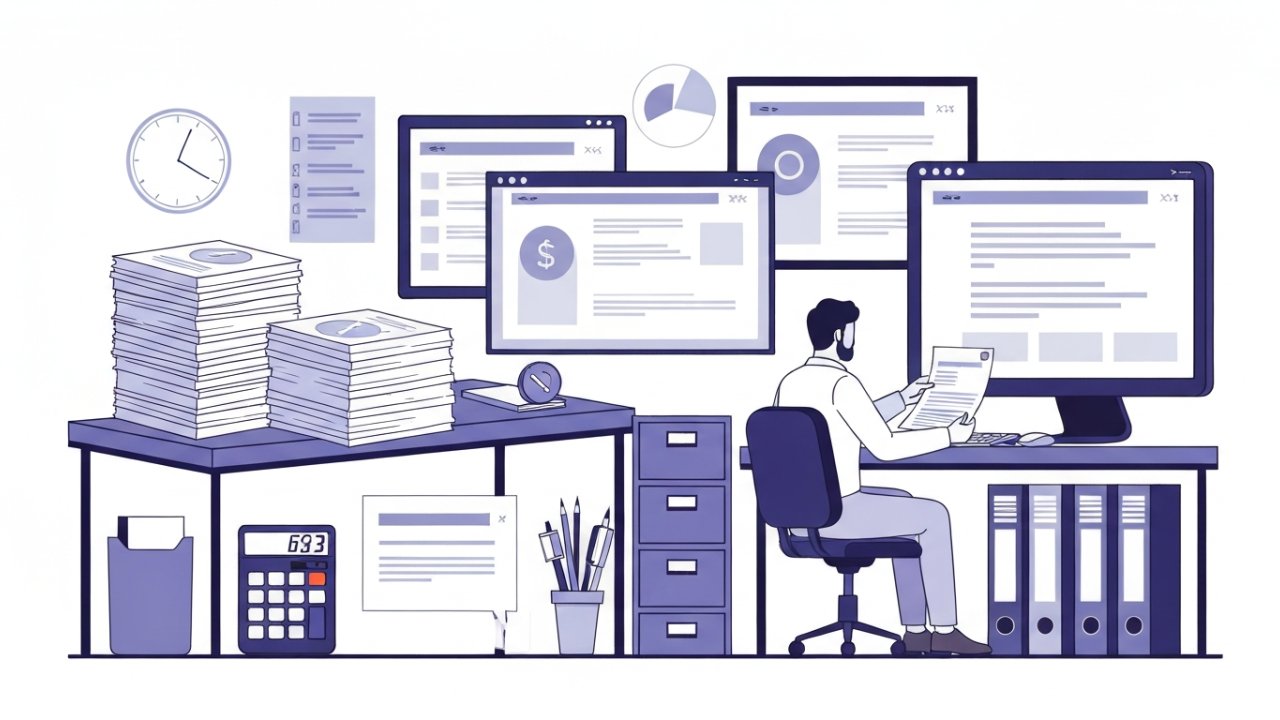
When managing a business’s finances, recognizing various examples of accounts payable is essential for effective cash flow management. Accounts payable accounts encompass obligations to suppliers for goods and services received on credit.
For instance, invoices for raw materials and utility bills reflect these liabilities. You might encounter payments for contractor services, such as repairs or renovations, which fall under accounts payable.
In addition, expenses like electricity and water bills, due monthly, are likewise included. Professional service fees for legal or consulting work typically appear as accounts payable accounts and are paid periodically.
[embedded content]
Moreover, transportation and logistics costs incurred for goods delivery remain as accounts payable until settled. Finally, equipment purchases made on credit, such as office furniture or machinery, contribute to your accounts payable, indicating liabilities on your balance sheet.
Comprehending these examples can help you manage your business’s financial obligations more efficiently.
Financial Statement Role of Accounts Payable
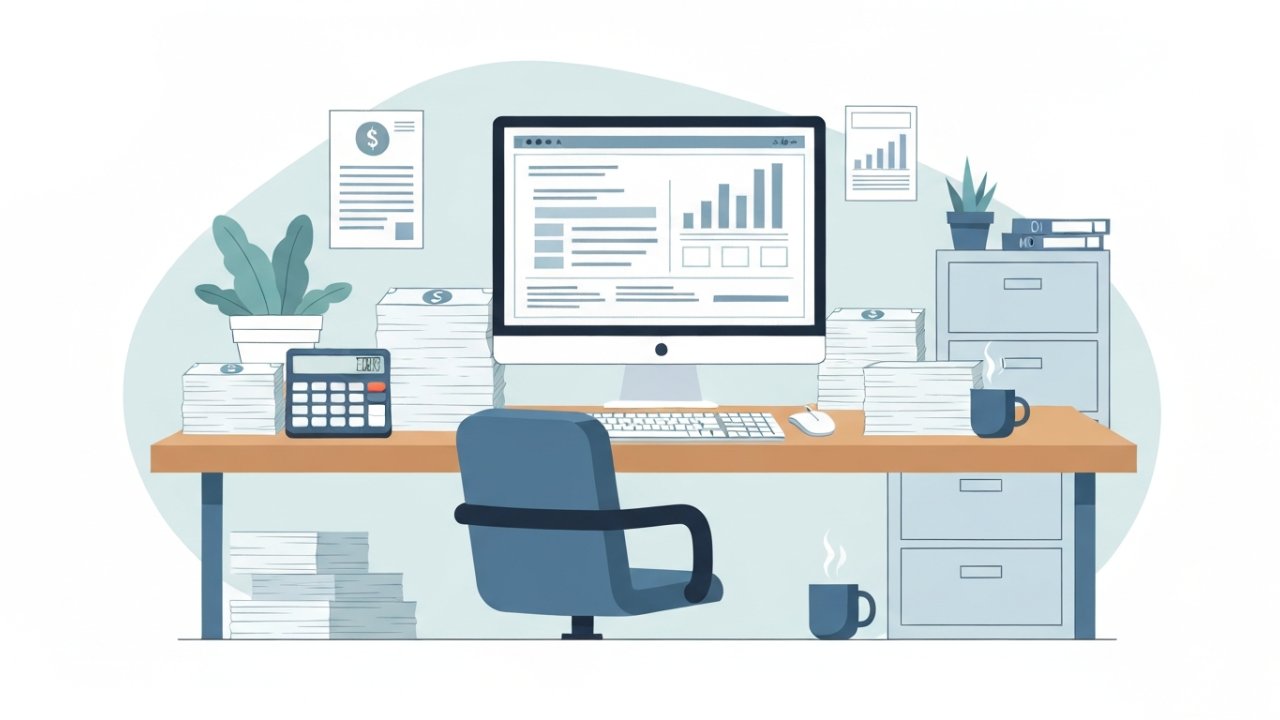
The role of accounts payable in financial statements is crucial for comprehending a company’s short-term financial health. Accounts payable (AP) appears under current liabilities on the balance sheet, reflecting obligations to suppliers for goods and services received on credit. Properly managed AP is critical, as a growing balance could signal cash flow issues.
Here are key aspects to reflect upon:
- AP Turnover Ratio: This ratio measures how efficiently you settle your liabilities by dividing total net credit purchases by the average accounts payable balance.
- Days Payable Outstanding (DPO): DPO measures the average number of days it takes to pay your accounts payable, offering insights into financial stability.
- Impact on Liquidity Ratios: Inaccuracies in recording AP can misrepresent financial statements and affect liquidity.
- Monitoring Metrics: Regularly tracking AP metrics helps maintain effective financial management and operational effectiveness.
Recording Accounts Payable

Recording accounts payable accurately is essential for maintaining a clear view of a company’s financial obligations. This process involves double-entry bookkeeping, where an increase in liabilities is matched with an equal increase in assets or expenses. When you purchase goods or services on credit, you’ll typically debit the relevant asset account, like inventory, and credit accounts payable to reflect your obligation to the vendor.
When you pay the liability, you debit accounts payable to decrease the liability and credit the cash account to show the cash outflow. Regularly reconciling your accounts payable records with vendor statements helps you detect discrepancies and guarantees effective financial management.
Here’s a simple table to illustrate these transactions:
| Transaction Type | Debit Account | Credit Account |
|---|---|---|
| Purchase | Inventory | Accounts Payable |
| Payment | Accounts Payable | Cash |
Accounts Payable Management and Comparison With Accounts Receivable
Managing accounts payable (AP) effectively is crucial for maintaining a business’s financial health, as it directly impacts cash flow and vendor relationships.
During AP represents short-term liabilities to suppliers, accounts receivable (AR) indicates amounts owed to your business by customers.
Here are some key differences and management strategies:
- Timely Payments: Efficient AP management involves processing invoices quickly to maintain good vendor relationships.
- Cash Flow Impact: AP directly influences cash flow, whereas AR focuses on collecting payments, affecting liquidity differently.
- Performance Metrics: The AP turnover ratio measures how quickly you settle liabilities, contrasting with AR’s Days Sales Outstanding (DSO).
- Operational Efficiency: Good AP practices improve cash flow and operational efficiency, whereas poor AR management can lead to cash shortages.
Frequently Asked Questions

What Is Accounts Payable and How Does It Work?
Accounts payable refers to the short-term liabilities your business has to suppliers for goods and services received on credit.
When you receive an invoice, you verify it against purchase orders before authorizing payment. Typically due within 30 to 90 days, these obligations appear as current liabilities on your balance sheet.
Efficient management of accounts payable can improve your cash flow and strengthen vendor relationships, potentially leading to favorable credit terms and discounts.
What Are the Main Functions of Accounts Payable?
The main functions of accounts payable include tracking outstanding invoices, ensuring timely vendor payments, and maintaining accurate financial records.
You verify vendor invoices against purchase orders to prevent errors before payment processing. Managing cash flow is essential, so you strategically time payments to benefit from discounts or avoid penalties.
[embedded content]
Regularly reconciling the accounts payable ledger with the general ledger helps identify discrepancies, ensuring an accurate reflection of your liabilities and improving financial health.
What Is the Golden Rule of Account Payable?
The Golden Rule of Accounts Payable emphasizes paying your suppliers on time. By doing this, you maintain strong relationships with vendors, which can lead to better credit terms and discounts.
Timely payments improve your credit rating, vital for future financial support. Managing your cash flow effectively means scheduling payments strategically to avoid late fees and service disruptions, ensuring your operations remain smooth and your reputation as a reliable partner stays intact.
[embedded content]
How to Explain Accounts Payable in an Interview?
When you explain accounts payable in an interview, focus on its role as a current liability representing amounts owed to suppliers.
Highlight the importance of timely invoice processing and accurate record-keeping, which guarantees financial health.
Mention the need to maintain strong vendor relationships and how effective AP management impacts cash flow.
Furthermore, discuss familiarity with accounts payable software, as automation can improve efficiency and reduce errors in financial reporting.
Conclusion
In conclusion, accounts payable are fundamental for managing a company’s short-term liabilities, reflecting obligations for goods and services purchased on credit. They play a vital role in financial statements and require careful recording and management to guarantee healthy cash flow. By efficiently handling accounts payable, businesses can maintain strong vendor relationships and support overall financial stability. Comprehending this aspect of finance is important for anyone involved in business operations, as it directly impacts a company’s liquidity and operational efficiency.
Image via Google Gemini