

When you’re considering investing in a restaurant franchise, it’s essential to understand the key factors that impact pricing. Start by evaluating the initial franchise fee, which usually hovers around $35,000. Next, look into total investment costs, ongoing royalty fees, and marketing contributions. Don’t underestimate the importance of location, as urban areas can drive up costs considerably. Finally, consider brand strength, as it plays a major role in customer loyalty. These elements are just the beginning; let’s explore them further.
Key Takeaways
- Initial Franchise Fee: Established brands typically charge higher initial fees, influencing overall franchise costs and perceived value for potential franchisees.
- Ongoing Royalty Fees: These fees, usually around 4.75% of net sales, impact profitability and the financial structure of the franchise.
- Advertising Contributions: Additional advertising fees, including national and local marketing funds, can significantly affect total investment and operational costs.
- Real Estate and Build-out Costs: Location determines these expenses, with urban areas often incurring higher costs that influence total franchise pricing.
- Brand Recognition: Strong market presence enhances customer loyalty, driving sales and affecting the franchise’s overall valuation and pricing.
Understanding Restaurant Franchise Pricing

When you’re considering a restaurant franchise, understanding the pricing structure is essential to making an informed decision. The total initial investment usually ranges from $555,375 to $1,715,275, depending on factors like location and construction type.
To get started, you’ll need to know how much to buy a restaurant franchise, which typically includes an initial franchise fee averaging around $35,000. This fee grants you access to brand resources and operational rights.
However, don’t overlook ongoing costs, such as a royalty fee of 4.75% of net sales, plus additional advertising fees.
Consider how your market type—urban or rural—affects lease and construction expenses, which can notably influence fast food franchise costs.
Finally, be mindful of hidden costs like equipment and legal fees for reviewing the Franchise Disclosure Document, as these can add up and impact overall restaurant franchise prices.
Initial Franchise Fees: What to Expect
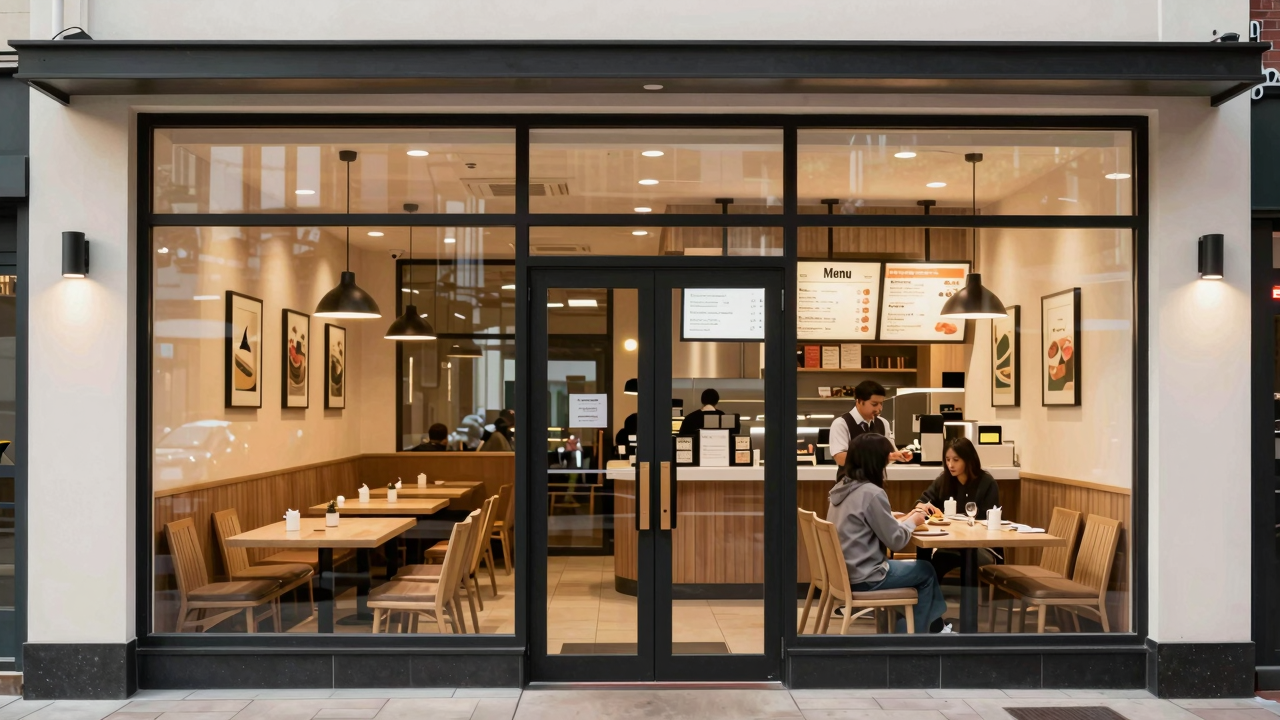
Understanding initial franchise fees is essential for anyone looking to invest in a restaurant franchise. These fees generally range from $5,000 to $75,000, averaging around $25,000. Established brands, like Taco Bell, often charge higher fees due to their market position and support systems. Here’s a quick breakdown:
| Franchise Type | Average Initial Fee | Additional Costs |
|---|---|---|
| Established Brand | $50,000 | Training & Support Fees |
| Emerging Brand | $15,000 | Minimal Additional Costs |
| Fast Food Franchise | $30,000 | Varies by Location |
When considering fast food franchise prices, remember that initial franchise fees grant you access to valuable brand resources and a proven business model. Make certain to evaluate all costs associated with your chosen franchise to guarantee a wise investment.
Breaking Down Total Initial Investment Costs: What’s Included?
After you’ve grasped the initial franchise fees, it’s time to look at the total initial investment costs involved in starting a restaurant franchise. Understanding these costs helps you plan effectively.
Typically, the total investment ranges from $555,375 to $1,715,275, depending on factors like location and complexity.
Here’s what you need to reflect on:
- Real estate and build-out: These costs can vary widely based on where you’re opening.
- Equipment and fixtures: Essential kitchen gear and furniture are significant expenses.
- Working capital: This covers payroll, utilities, and initial inventory, ensuring you’re financially ready.
When you’re evaluating the food franchise cost, keep in mind how much to buy a fast food franchise or how much does it cost to start a Taco Bell. Knowing these elements will help you make informed decisions as you commence your franchise journey.
How Ongoing Royalties and Marketing Contributions Work

When you invest in a restaurant franchise, you’ll face ongoing royalty fees that typically range from 4% to 10% of your gross sales, with many brands around 4.75%.
You’ll also contribute to a national marketing fund, usually about 3.5% of your net sales, plus local advertising fees of around 0.5%.
Understanding how these costs impact your profit margins is essential, as they can greatly affect your cash flow and overall financial success.
Ongoing Royalty Structures
Ongoing royalty structures in restaurant franchises can greatly impact your bottom line, so it’s essential to grasp how they work. Typically, ongoing royalty fees range from 4% to 10% of gross sales, with most systems averaging around 4.75%.
Additionally, you might face national advertising fund contributions of about 3.5% of net sales, plus local fees that can add another 0.5%.
[embedded content]
To manage these costs effectively, consider the following:
- Budget for ongoing fees: These can notably affect your cash flow.
- Understand the purpose: Royalties support brand marketing and essential resources.
- Ensure transparency: Know all the fees involved before committing.
Being aware of these factors can help you make informed financial decisions as a franchisee.
Marketing Fund Contributions
Marketing fund contributions play an essential role in the success of your restaurant franchise. Understanding how these fees work can help you maximize your investment. Typically, ongoing royalty fees range from 4% to 10% of gross sales, with many franchises averaging around 4.75%. Additionally, national advertising fund contributions usually account for 1% to 5% of gross sales, often set at 3.5%. You might also see local advertising fees of around 0.5% of net sales.
| Contribution Type | Typical Percentage |
|---|---|
| Ongoing Royalties | 4% – 10% |
| National Fund | 1% – 5% (3.5% avg) |
| Local Fees | 0.5% |
These contributions enhance brand visibility and customer engagement, ultimately boosting your sales performance.
Impact on Profit Margins
Understanding how ongoing royalties and marketing contributions affect your profit margins is key to managing your restaurant franchise effectively. These costs can greatly reduce your net revenue, so it’s essential to grasp their impact.
- Ongoing royalty fees usually range from 4% to 10% of gross sales.
- National advertising contributions often account for about 3.5% of net sales, enhancing brand visibility but adding to expenses.
- Local advertising fees, around 0.5% of net sales, are vital for staying competitive in your market.
To maintain profitability, regularly review these fees and adjust your pricing strategy. Track your sales and expenses diligently, and look for ways to optimize operational efficiency.
This proactive approach helps you manage costs and protect your profit margins.
The Impact of Real Estate and Location on Pricing

When choosing a location for your restaurant franchise, remember that real estate and site selection can greatly affect your investment. Prime locations often come with higher lease rates, but they also attract more foot traffic and visibility, which can boost sales. Urban areas typically have higher costs than suburban or rural settings, impacting your overall budget.
Consider the size and layout of the property as well, since larger spaces require more extensive build-outs, increasing initial investment. Access to amenities like parking and public transport enhances desirability, further driving up market value.
Here’s a quick comparison:
[embedded content]
| Location Type | Average Lease Cost | Foot Traffic Level |
|---|---|---|
| Urban | High | High |
| Suburban | Moderate | Moderate |
| Rural | Low | Low |
Choosing wisely can position your franchise for success, so evaluate all these factors before making decisions.
Key Location Factors That Affect Franchise Pricing
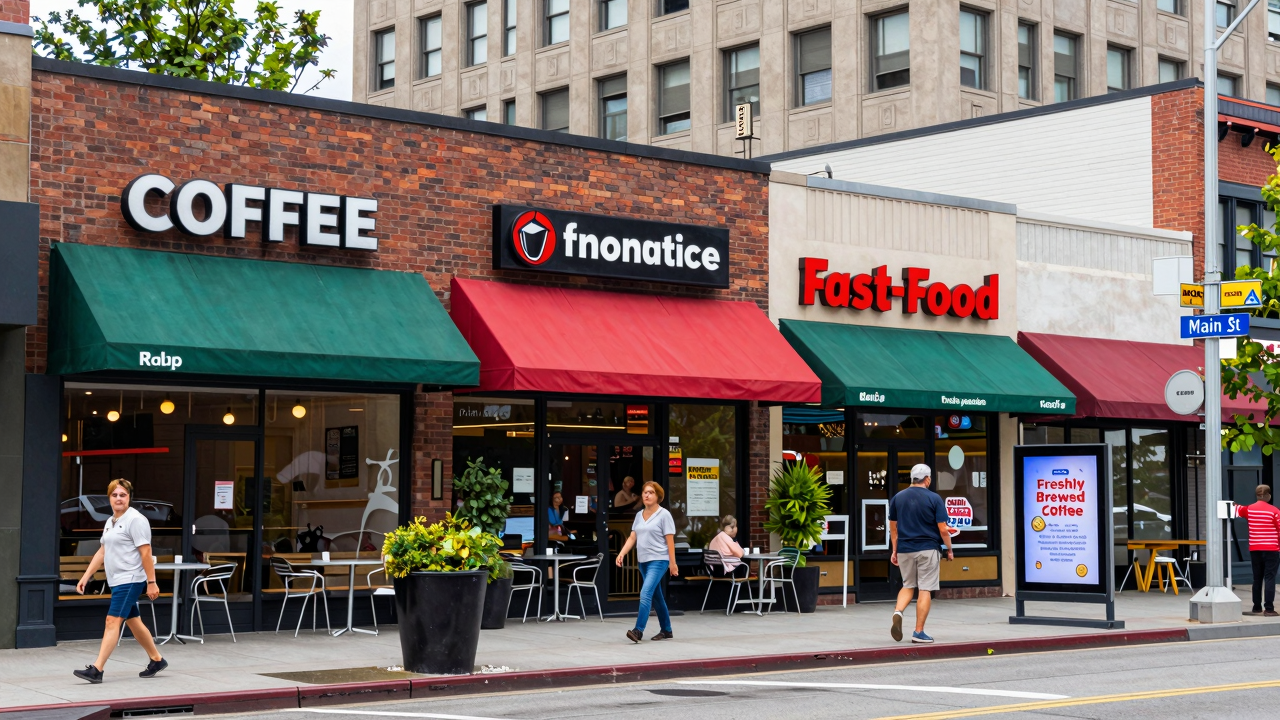
Choosing the right location for your restaurant franchise is crucial, as several key factors can notably influence pricing. First, consider market demand—high population density and strong consumer interest can boost your sales potential, which often raises franchise prices.
Next, evaluate competition levels; areas with many similar franchises can lead to higher costs due to established consumer familiarity. Additionally, real estate costs in prime locations, like busy shopping districts, can considerably impact your investment.
Here are some key location factors to keep in mind:
- Market Demand: Look for areas with a high population and strong consumer spending.
- Competition Levels: Assess how many other franchises are nearby.
- Local Economic Conditions: Research income levels and unemployment rates in the area.
Brand Recognition: How It Influences Franchise Value
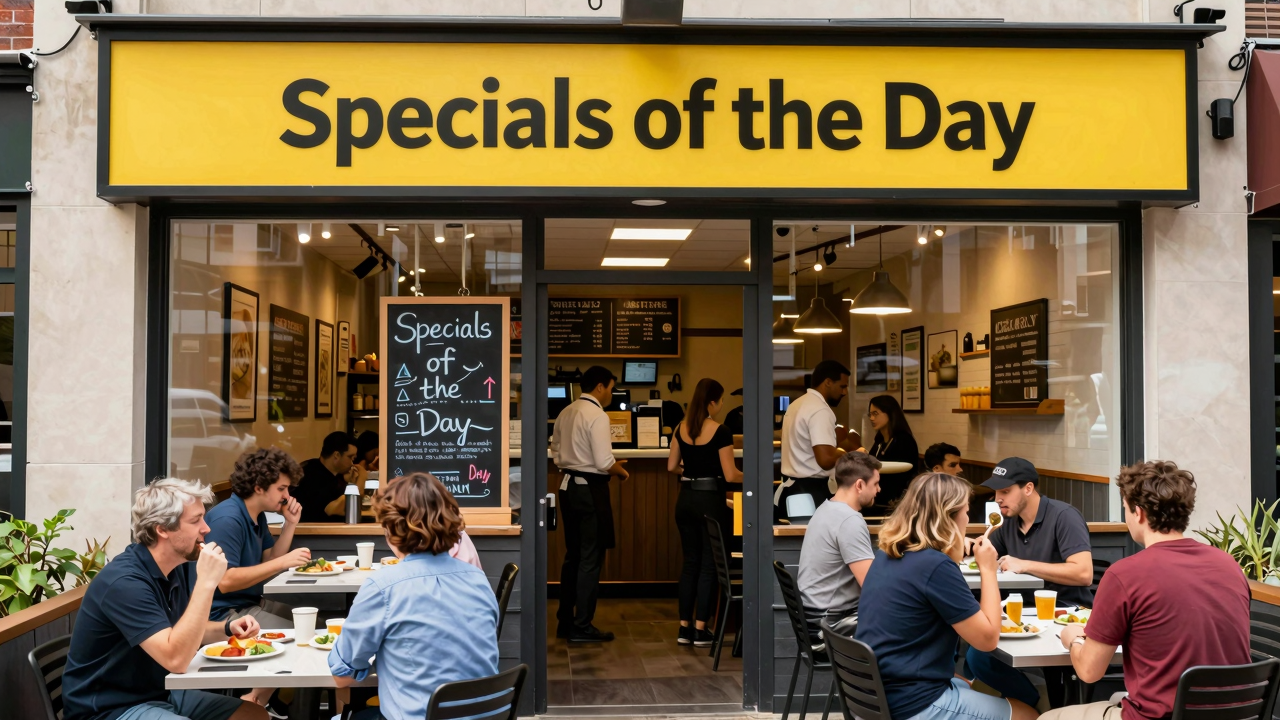
Brand recognition plays a vital role in determining a franchise’s value, so it’s important to take into account how it impacts your investment.
Established brands attract more customers, especially during busy times, which can lead to higher sales and quicker profits.
Market Presence Impact
A strong market presence can greatly boost your franchise value, so understanding how brand recognition works is essential. Established brands often command higher fees, and their reputation drives customer loyalty.
Here are some key points to evaluate:
- Higher Sales Volumes: Familiar brands attract more customers, especially during busy times like lunch.
- Profitability: Franchises with strong recognition often see annual sales above the industry average, making them more appealing to potential franchisees.
- Easier Financing: Lenders prefer established names, which can help you secure funding more easily.
Trust and Loyalty Building
When customers trust a franchise, they’re more likely to return, which builds loyalty over time.
To enhance brand recognition, focus on delivering consistent quality and positive customer experiences. Make sure your marketing highlights what makes your franchise unique, as familiarity can lower costs associated with attracting new customers.
Strong brand loyalty not only boosts sales but also allows you to command higher franchise fees; potential franchisees see this as a safer investment.
Additionally, a recognized brand improves your negotiating power with suppliers, helping you secure better inventory prices.
All these factors contribute to a more valuable franchise.
Frequently Asked Questions

What Is the 30/30/30 Rule for Restaurants?
The 30/30/30 rule for restaurants suggests you allocate 30% of your budget to food costs, 30% to labor, and the remaining 30% to other expenses.
This balance helps you maintain profitability and manage cash flow effectively.
To apply it, track your spending in each category, adjust percentages based on your restaurant’s needs, and regularly review your financials.
This approach can streamline operations and support long-term success in a competitive market.
What Are the 4 P’s of Franchising?
The 4 P’s of franchising are Product, Price, Place, and Promotion.
First, define your product clearly to meet market demand.
Next, set competitive pricing, considering initial fees and royalties.
Then, choose a strategic location with good foot traffic and suitable demographics.
Finally, implement effective promotion using advertising and marketing strategies to build brand awareness.
[embedded content]
What Are the Three C’s in a Restaurant?
The three C’s in a restaurant are Concept, Cost, and Customer.
First, define your Concept, focusing on the theme, menu, and target audience.
Next, calculate your Costs, including initial fees and ongoing expenses like royalties.
Finally, understand your Customer by researching their preferences and needs. This way, you can tailor your offerings to attract repeat business.
Aligning these three elements can greatly enhance your restaurant’s success and sustainability in a competitive market.
Why Is It Only $10,000 to Open a Chick-Fil-A?
It’s only $10,000 to open a Chick-fil-A because the company owns the restaurant properties, allowing them to keep initial costs low.
However, you’ll need to invest between $200,000 and $2 million for building and equipment.
Expect to commit significant time and effort, as hands-on management is essential.
Focus on high volume and efficiency, which can help you generate substantial profits, making the initial fee a smart investment in the long run.
Conclusion

To summarize, understanding the factors that influence restaurant franchise prices is essential for making informed decisions. Start by reviewing the initial franchise fee and total investment costs, then consider ongoing royalties and marketing contributions. Evaluate location and brand strength, as these greatly impact profitability. Finally, explore financing options to secure the best terms. By focusing on these areas, you can effectively navigate the franchise landscape and position yourself for success in the restaurant industry.
Image via Google Gemini and Small Business Trends