
Collecting customer feedback is essential for improving your business. Start by defining clear goals that align with your objectives. Identify your target audience to get varied insights. Choose the right channels, like online surveys or social media, to gather feedback effectively. Craft engaging surveys with different question types to keep participants interested. Once you collect the data, categorize it for clarity. Next, you’ll need to create an action plan based on these insights, which can remarkably enhance customer satisfaction.
Key Takeaways
- Define clear objectives for feedback collection to align with business goals and improve customer experience.
- Choose appropriate channels, such as online surveys, social media, and in-app tools, for diverse insights.
- Craft effective surveys using simple language and a mix of question types, keeping them concise.
- Implement real-time feedback strategies and social listening to capture immediate customer sentiments.
- Analyze feedback regularly, prioritize actionable insights, and communicate changes to foster customer trust and engagement.
What Is Customer Feedback and Why Is It Important?
Customer feedback is an important resource that captures insights about users’ experiences with your product or service. It includes information on customer satisfaction, preferences, and pain points, making it vital for understanding what your audience truly wants.
The importance of feedback from customers can’t be overstated; studies show that 93% of customers are likely to repurchase when they feel valued. To collect customer feedback effectively, start by using surveys, interviews, and social media monitoring. Make sure your surveys are concise and straightforward to encourage participation.
Additionally, listen carefully to social media comments for informal insights. Once you’ve gathered feedback, categorize it to identify recurring issues and strengths. This structured approach not only helps improve your product but also fosters loyalty, as addressing customer concerns can greatly increase retention rates.
Understanding Different Types of Customer Feedback
When you think about customer feedback, it’s essential to recognize the different types you might encounter.
Direct insights come from structured methods like surveys, while indirect insights emerge from social media comments and reviews.
Direct and Indirect Insights
Understanding the different types of feedback can greatly enhance your service strategy. Direct feedback, like surveys and interviews, gives you immediate insights into customer experiences. In contrast, indirect feedback, such as clickstream analysis and social media comments, reveals behaviors and sentiments without prompting. By combining these methods, you can develop a thorough understanding of customer needs.
| Type | Definition | Examples |
|---|---|---|
| Direct Feedback | Actively solicited opinions | Surveys, interviews |
| Indirect Feedback | Observed customer behaviors | Clickstream analysis, reviews |
| Solicited Feedback | Gathered intentionally through feedback tools | NPS, CSAT surveys |
Utilizing these customer feedback techniques will help you refine your methods of collecting customer feedback and improve overall customer experience feedback.
Behavioral and Emotional Signals
Behavioral and emotional signals provide valuable insights into customer experiences. To enhance your customer feedback strategy, observe behavioral signals like purchase patterns and website navigation. These actions reveal preferences and potential friction points in the customer journey.
Pair this with understanding emotional signals, which express feelings such as satisfaction or frustration. You can gather this feedback effectively through surveys, social media, and customer service feedback methods. Tools like sentiment analysis can help quantify emotional reactions from unsolicited feedback.
Combining these insights allows you to create a thorough view of customer preferences, enabling targeted improvements. Ultimately, recognizing the interplay between these signals is essential for crafting effective strategies that foster engagement and loyalty.
How to Set Effective Goals for Collecting Customer Feedback?
To set effective goals for collecting customer feedback, you need to start by defining clear objectives that align with your business needs.
Focus on identifying your target audience, ensuring you gather diverse insights that cover different perspectives.
Once you’ve established these points, you can create a structured plan that guides your feedback collection efforts and maximizes their impact.
Define Clear Objectives
Setting clear objectives for collecting customer feedback is essential for guiding your efforts and ensuring they yield valuable insights. Start by defining the purpose of your feedback collection—whether it’s to improve products, enhance service, or gauge satisfaction levels.
Next, set measurable goals, like achieving a 10% increase in your Net Promoter Score (NPS) over the next quarter. Identify specific customer segments to target, aligning your feedback collection with demographics relevant to your objectives.
Use a mix of qualitative and quantitative methods for the best results; surveys paired with interviews can provide diverse perspectives.
Regularly review and adjust your objectives based on feedback trends to stay flexible and responsive throughout the customer feedback process.
Identify Target Audience
Identifying your target audience is essential for setting effective goals when collecting customer feedback. Start by clearly defining what you want to achieve, whether it’s improving product features, enhancing customer service, or understanding market trends.
Segment your audience based on demographics, behaviors, and preferences to tailor your feedback requests. Utilize existing customer data to pinpoint key user groups that can provide valuable insights.
Set measurable goals, like a specific response rate or feedback from a percentage of your customer base, to assess your efforts. Regularly review and adjust these goals based on insights from previous feedback cycles, ensuring your methods of obtaining customer feedback remain relevant and effective.
Choosing the Right Channels for Feedback Collection
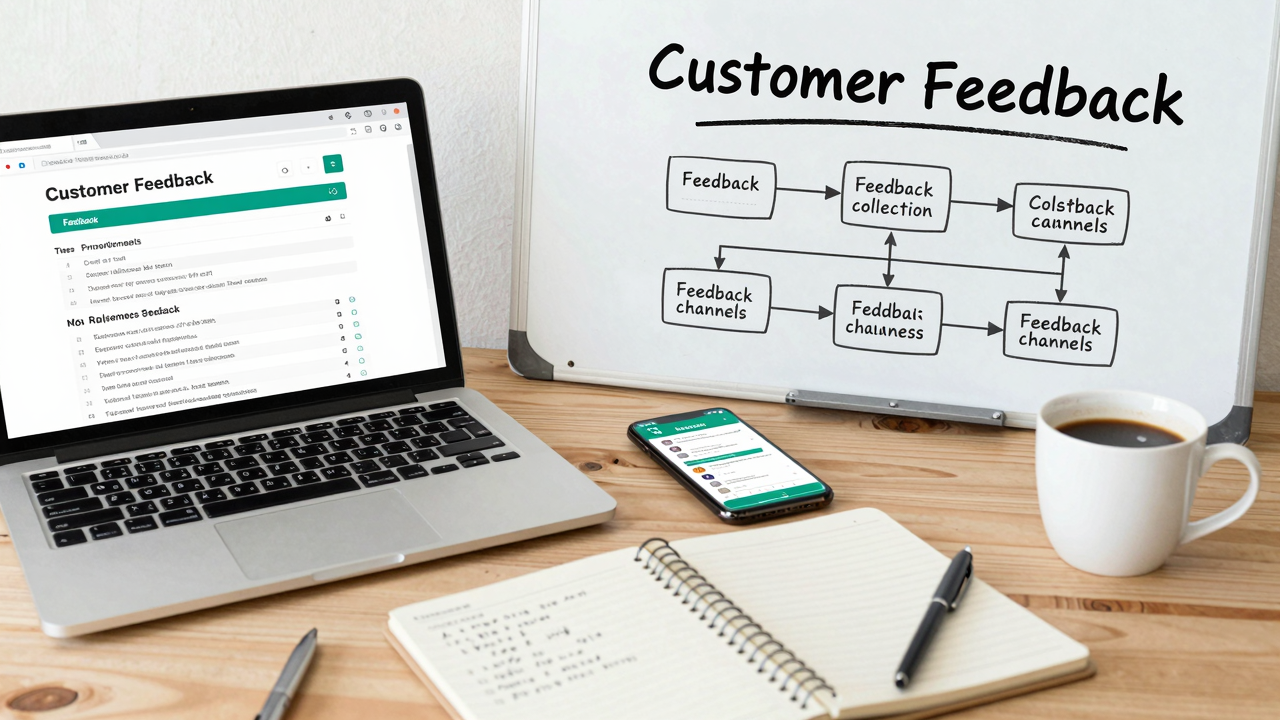
Choosing the right channels for feedback collection is essential for capturing meaningful insights from your customers. Start by utilizing online surveys, especially after purchases, as they’re cost-effective and yield high response rates.
Don’t overlook social media; it allows you to gather unsolicited feedback, providing real-time insights into customer satisfaction and sentiment.
In-app feedback tools are also valuable, as they collect immediate insights during the customer journey, making the feedback more relevant. Additionally, consider customer support interactions—they’re excellent touchpoints to assess satisfaction and identify pain points.
Lastly, engage customers through focus groups. These can uncover in-depth insights into preferences and behaviors that surveys might miss.
Crafting Effective Surveys and Polls

When you craft surveys and polls, it’s crucial to have clear objectives in mind to guarantee you gather meaningful insights. Start by defining specific goals, like measuring customer satisfaction or identifying pain points, which helps focus your questions.
Use simple language to create clear, concise questions that avoid jargon, making it easier for respondents to understand. Incorporate a mix of question types, such as multiple-choice, rating scales like CSAT or NPS, and open-ended questions to gather both quantitative and qualitative insights.
Limit your survey length to 5-10 questions to keep participants engaged and reduce fatigue. Finally, test and iterate your surveys by conducting pilot runs; this helps identify confusing questions or technical issues.
Conducting Customer Interviews and Focus Groups
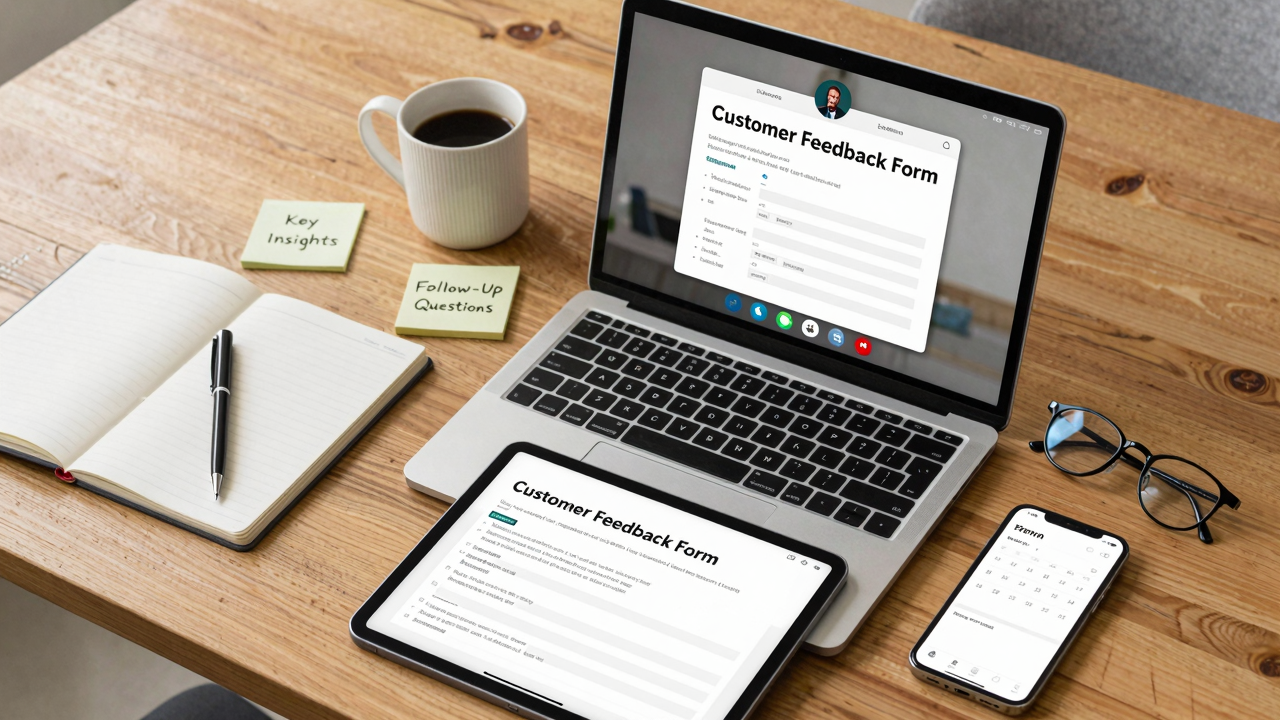
Conducting customer interviews and focus groups can greatly enhance your understanding of client needs and experiences. These methods allow you to gather qualitative insights, diving deep into customer emotions and motivations that surveys often miss. Aim for focus groups of 6 to 10 participants to guarantee diverse perspectives while keeping discussions manageable.
Here’s a quick guide to help you:
| Step | Action | Purpose |
|---|---|---|
| Prepare Questions | Craft a clear set of questions | Guides the discussion and keeps it on track |
| Create a Comfortable Space | Guarantee an inviting environment | Encourages honest and candid feedback |
| Follow-Up Questions | Be ready to ask additional questions | Deepens understanding based on responses |
How to Use Session Recordings to Understand User Behavior?
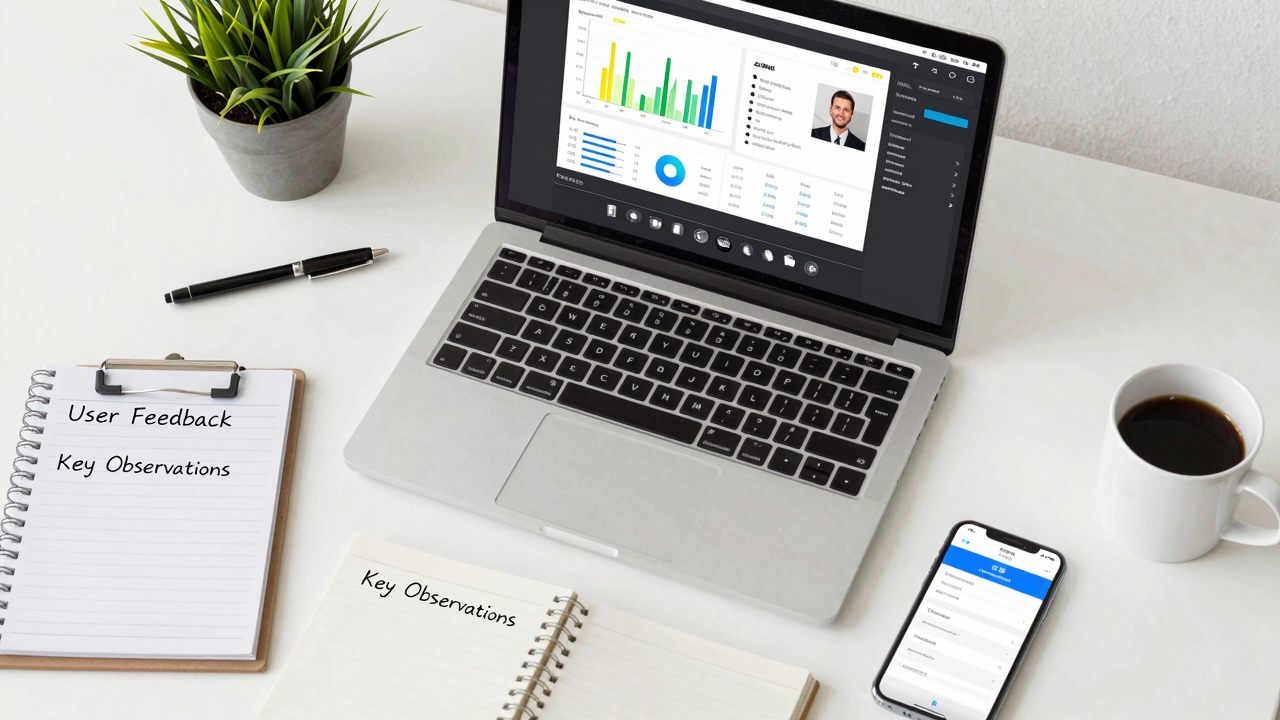
Session recordings offer a powerful way to understand user behavior by visually capturing how customers interact with your site or application.
Start by analyzing these recordings to identify common navigation paths and friction points. Look for areas where users drop off or seem confused; this can reveal obstacles in their journey.
Next, integrate session recordings with your analytics data. This combination helps correlate user behavior with specific metrics, providing deeper insights into customer satisfaction.
For example, if many users struggle at a checkout page, it might indicate a need for design improvements.
Finally, review session recordings alongside customer feedback. This context will help you understand user frustrations better and guide targeted improvements.
Collecting In-App Feedback From Users
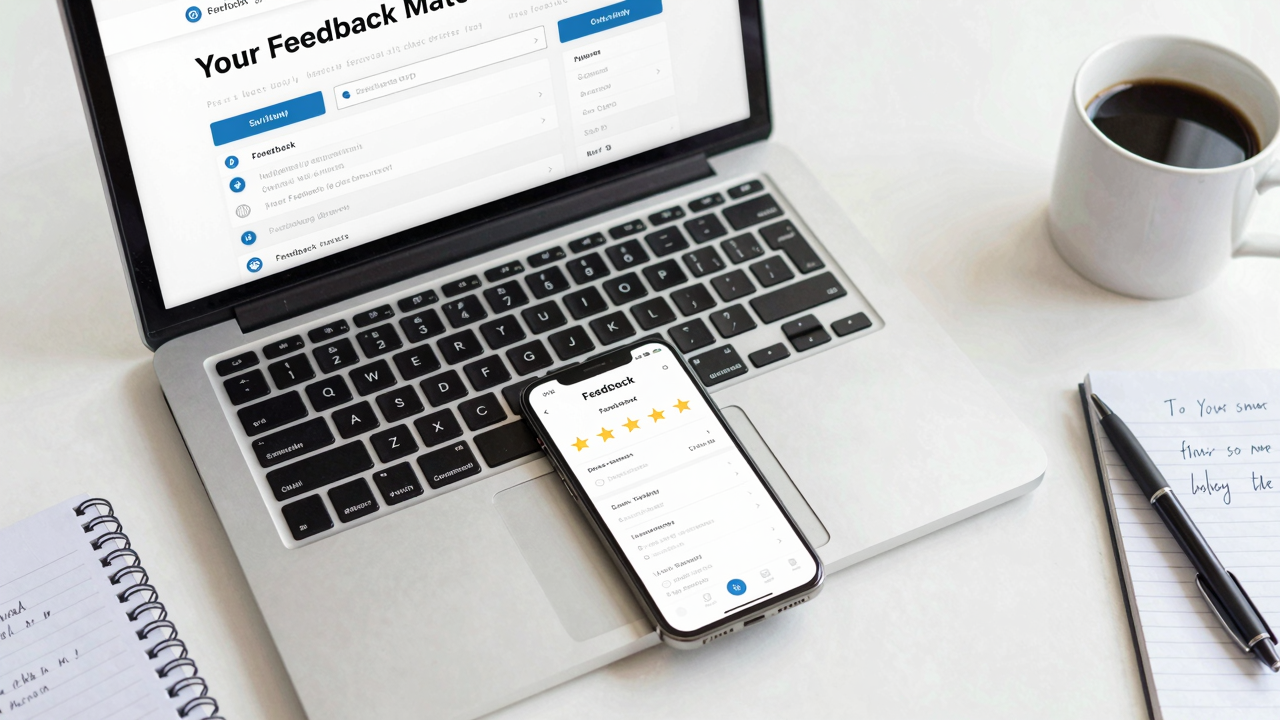
When you’re collecting in-app feedback from users, using the right survey tools can make all the difference.
Integrate prompts into the user experience at key moments, like after they use a new feature, to gather real-time insights without interrupting their flow.
In-App Survey Tools
Incorporating in-app survey tools can greatly enhance your ability to gather real-time feedback from users while they interact with your app. These tools let you collect valuable insights using rating scales, open-ended questions, and quick polls, all without disrupting the user experience.
Start by integrating surveys at key moments, like after a feature is used or upon app exit, to capture immediate thoughts. A/B test different prompts to see which ones yield higher response rates.
2. User Experience Integration
Collecting in-app feedback from users can greatly enhance your understanding of their experiences and needs. Integrate mechanisms like pop-up surveys or feedback widgets that allow users to share insights effortlessly while using your product.
Use tools like Net Promoter Score (NPS) to gauge customer loyalty right after key interactions. Make sure your in-app feedback is contextually relevant, triggered by specific actions, so you capture immediate sentiments about features.
Gather feedback during user sessions to pinpoint friction points and usability issues, enabling timely improvements.
Finally, create an effective feedback loop by not only collecting insights but also communicating changes made in response to user suggestions. This fosters trust and keeps users engaged with your product.
3. Real-Time Data Collection
Integrating real-time data collection into your user experience can greatly enhance your understanding of customer needs. By capturing feedback as users interact with your product, you can identify issues and preferences instantly.
Here are three effective ways to collect in-app feedback:
- Use Widgets and Prompts: Implement simple feedback tools that allow users to share thoughts without leaving their tasks.
- In-App Surveys: Integrate Gain or CSAT surveys at key moments, ensuring higher response rates by engaging users during their experience.
- Analyze Feedback with Context: Pair real-time feedback with session replay data to understand user behavior patterns and sentiments.
How to Use Social Listening and Online Reviews to Gather Feedback?
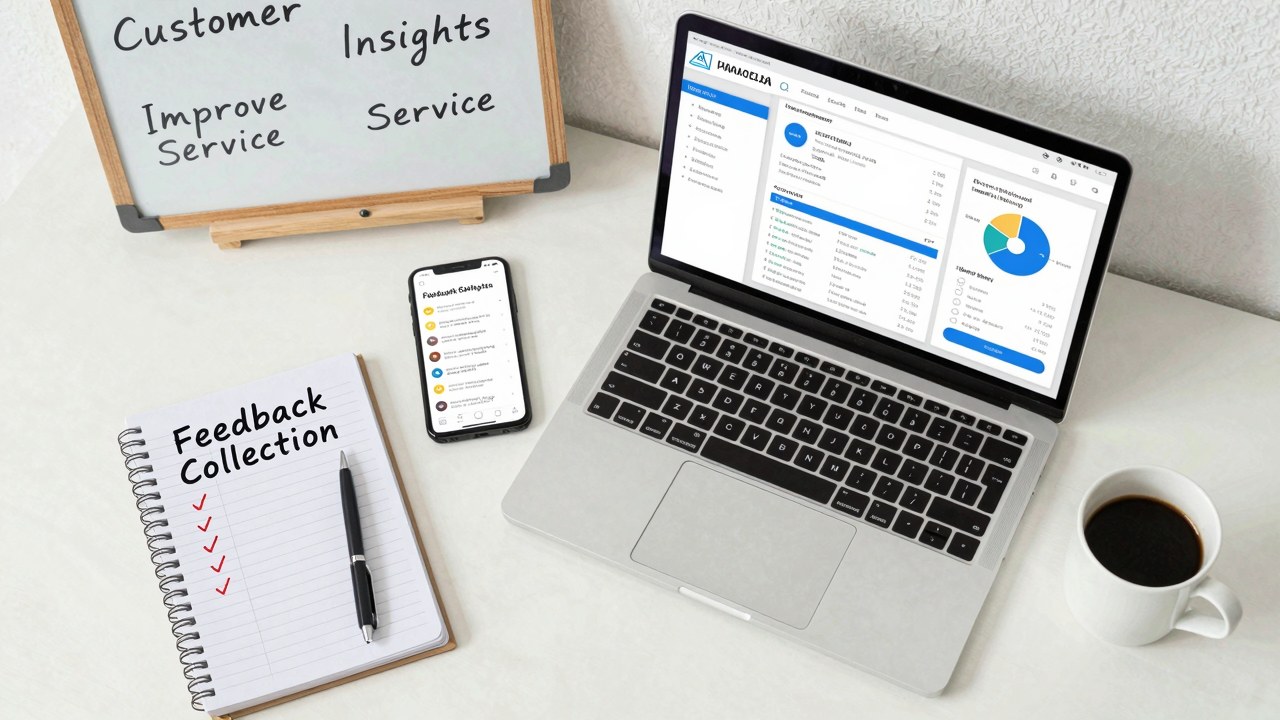
Social listening and online reviews can be powerful tools for gathering customer feedback. Start by monitoring social media platforms like Twitter and Facebook to capture real-time conversations about your brand. Tools like Hootsuite or Brandwatch can help you track mentions and analyze sentiment effectively.
Look for common themes or pain points that customers discuss to identify areas needing improvement.
Next, focus on online reviews from sites like Yelp, Google, and Trustpilot. These reviews provide insights into customer experiences, highlighting both strengths and weaknesses.
Respond to reviews, showing you value customer feedback; this builds trust and loyalty.
Finally, compile the data from social listening and online reviews. Analyze the feedback to inform your product and service strategies, ensuring you address customer concerns directly.
Analyzing Feedback for Actionable Insights
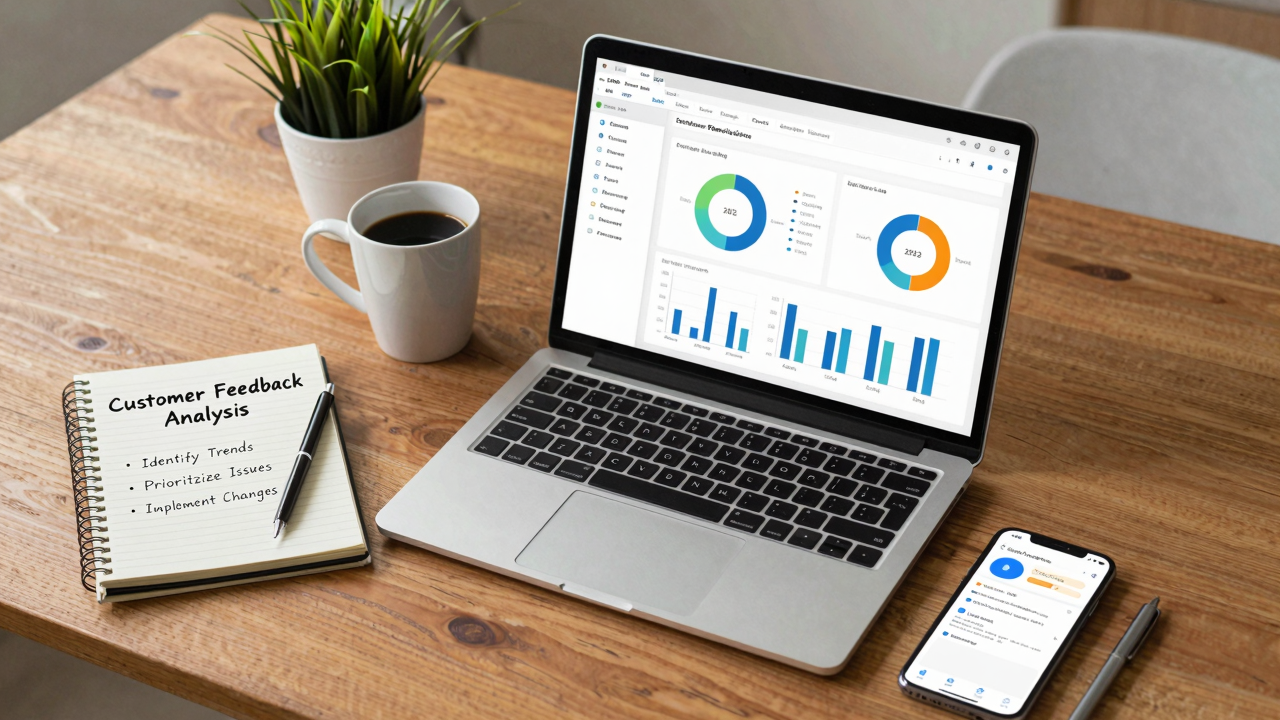
Analyzing feedback effectively helps you turn customer insights into actionable improvements. Start by organizing feedback into specific categories like product, customer service, and marketing. This approach helps you pinpoint areas that need attention.
Next, utilize analytics tools to segment the data by customer type, journey stage, or sentiment. This segmentation gives you a clearer understanding of distinct experiences.
Finally, focus on identifying recurring patterns in the feedback. This can help you spot common pain points, allowing you to implement targeted interventions.
Prioritize the feedback based on its frequency and impact; addressing the most critical insights first maximizes the effectiveness of your changes.
- Organize feedback into categories.
- Segment data using analytics tools.
- Identify and prioritize recurring patterns.
Categorizing Feedback for Improved Clarity
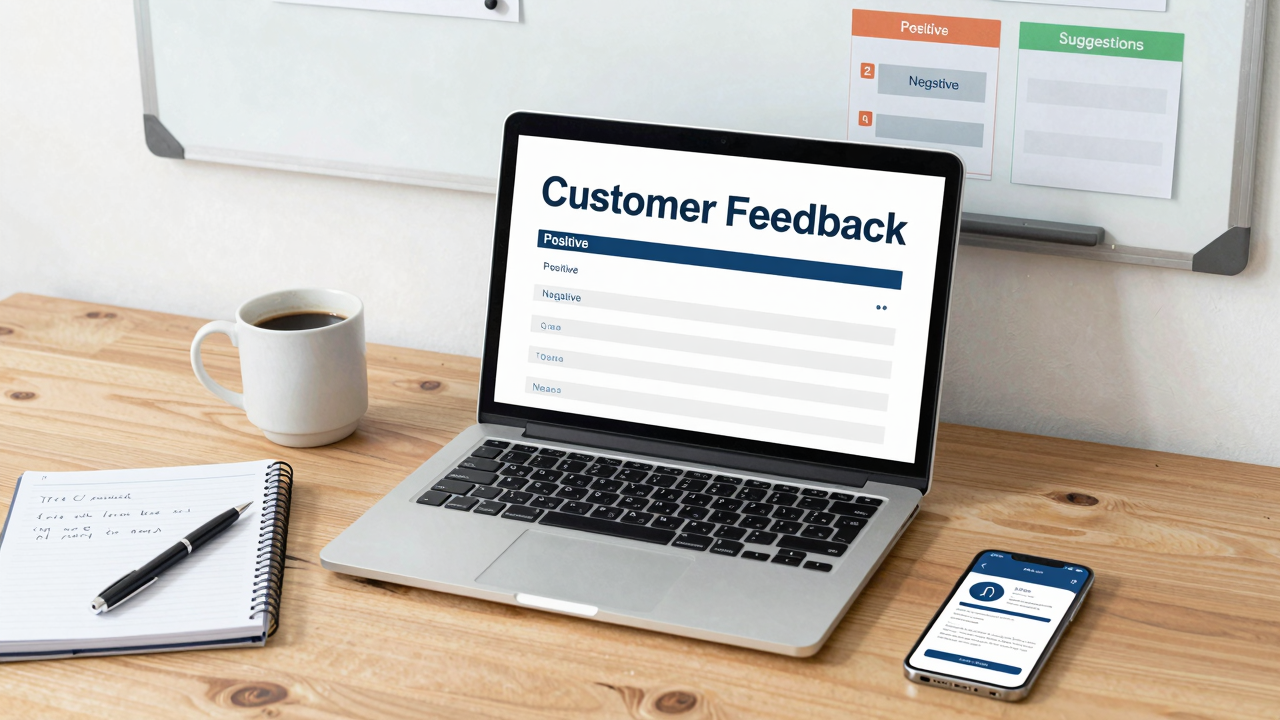
To improve clarity in categorizing customer feedback, start by organizing it into distinct themes like product, customer service, and marketing. This helps streamline your analysis process, making it easier to identify actionable insights.
Use smart tags to categorize responses effectively, reducing clutter in your spreadsheets. Organizing feedback by urgency and type—such as bug reports or feature requests—ensures you prioritize issues that need immediate attention.
Implement a consistent framework for categorization; this enhances your ability to spot recurring patterns in customer sentiments. Regularly review and adjust your methods to keep them aligned with evolving customer needs and business goals.
Creating an Action Plan Based on Feedback
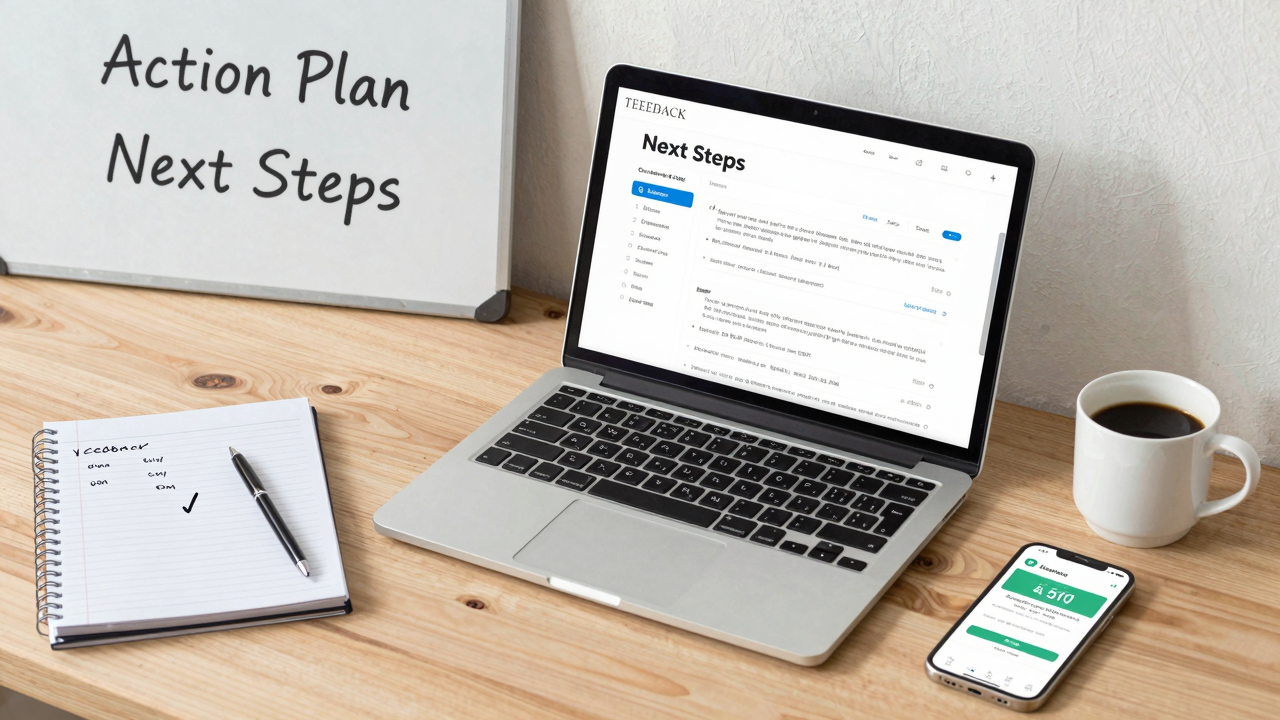
Organizing customer feedback lays the groundwork for creating a practical action plan that addresses key issues.
Start by categorizing feedback into themes, focusing on:
- Prioritization: Identify the most urgent issues, like critical bugs or major service gaps. Address these first to maximize impact.
- Implementation Timelines: Set clear deadlines for tackling critical bugs and schedule regular updates for minor enhancements. This shows you’re responsive and committed to improvement.
- Monitoring and Refinement: Use follow-up surveys or feedback sessions to gauge customer satisfaction after changes are made.
This helps you assess the effectiveness of your actions and identify additional areas for improvement.
How to Communicate Changes to Your Customers?
When you make changes based on customer feedback, it’s crucial to communicate these updates clearly and effectively. Start by articulating the specific changes made, using simple language to guarantee everyone understands.
Utilize multiple channels—like email newsletters, social media, and in-app notifications—to reach a wider audience.
Highlight the particular feedback that prompted these changes, creating a sense of involvement among your customers. This not only validates their opinions but also fosters a stronger connection.
Keep your customers informed about the timeline for implementing these changes, as transparency builds trust.
Finally, measure the impact of your communications by sending follow-up surveys or feedback forms. This will help you assess customer satisfaction and willingness to engage further.
Creating a Continuous Customer Feedback Loop
Creating a continuous customer feedback loop is essential for staying connected with your audience and improving your services.
Start by regularly engaging customers through various channels like surveys and social media, so you gather diverse insights about their experiences.
Then, measure the impact of your changes using tools like NPS and CSAT, ensuring you keep the conversation going and adapt based on what you learn.
Importance of Ongoing Engagement
Ongoing engagement through a continuous customer feedback loop is essential for building strong relationships with your customers. When you actively seek feedback, you’re showing that you value their opinions, which boosts loyalty.
Here’s how to enhance this process:
- Regularly Collect Feedback: Use surveys and direct conversations to gather insights frequently. This keeps you in tune with customer needs.
- Act on the Feedback: Analyze what you receive, prioritize actionable items, and implement changes based on their input. Customers appreciate seeing their suggestions taken seriously.
- Communicate Changes: Let customers know how their feedback has influenced your decisions. This transparency builds trust and encourages future engagement.
2. Utilizing Diverse Channels
How can you effectively gather customer feedback from multiple channels? Start by using a mix of surveys, social media, and direct interactions. This approach guarantees you capture diverse sentiments and pain points. Implement feedback widgets on your website for real-time insights, making it easy for users to share their thoughts passively. Engage customers through email and mobile apps to boost response rates. Also, regularly monitor social media for unsolicited feedback, giving you a transparent view of opinions.
| Channel | Benefits |
|---|---|
| Surveys | Structured insights |
| Social Media | Unfiltered, genuine customer opinions |
| Direct Interactions | Deep understanding of needs and concerns |
Creating this continuous feedback loop fosters trust and loyalty among your customers.
3. Measuring Impact Effectively
To guarantee your customer feedback loop is effective, start by integrating the A.C.A.F. method: Ask, Categorize, Act, and Follow-up. This structured approach helps facilitate continuous improvement in customer experiences.
Here are three key actions to take:
- Measure Impact: Regularly track metrics like Net Promoter Score (NPS) and Customer Satisfaction Score (CSAT) to gauge how changes affect customer satisfaction over time.
- Utilize Analytics: Use analytics tools to assess the effectiveness of adjustments, identifying patterns that reveal positive or negative impacts.
- Communicate: Clearly inform customers about changes made from their feedback, fostering trust and encouraging ongoing engagement in the feedback process.
Frequently Asked Questions
How Do You Collect Customer Feedback?
To collect customer feedback, start by using online surveys like NPS or CSAT to gauge satisfaction.
Consider adding website feedback widgets for real-time insights.
Conduct interviews for deeper understanding, and keep an eye on online reviews and social media to capture unsolicited opinions.
Additionally, use customer support interactions to gather immediate feedback.
This approach helps you identify pain points and areas for improvement, allowing for actionable changes based on real customer experiences.
What Is the 10/5/3 Rule in Customer Service?
The 10/5/3 Rule in customer service helps you engage with customers effectively.
When a customer is within 10 feet, make eye contact; within 5 feet, greet them verbally; and within 3 feet, start a conversation. This approach shows that you value their presence, enhancing their experience.
Implementing the rule encourages your team to be attentive, fostering a welcoming atmosphere that can lead to increased satisfaction and loyalty.
What Are the 3 C’s of Customer Satisfaction?
The three C’s of customer satisfaction are consistency, clarity, and communication.
Guarantee consistency by providing the same quality of service and products every time customers interact with your brand.
Offer clarity by giving clear, concise information about your offerings, helping customers make informed decisions.
Finally, prioritize communication by engaging with customers through various channels, addressing their concerns promptly, and actively seeking their feedback to enhance their experience.
Implement these C’s to boost satisfaction effectively.
What Are 5 Methods of Obtaining Feedback From Customers?
You can obtain feedback from customers using these five methods:
First, conduct online surveys like NPS or CSAT to gauge satisfaction.
Second, hold one-on-one interviews for deeper insights.
Third, implement website feedback widgets to gather real-time input.
Fourth, use churn surveys to understand why customers leave.
Finally, monitor social media for unsolicited feedback, capturing authentic sentiments.
Each method provides valuable insights to enhance your products and services effectively.
Conclusion
By following these steps, you can effectively collect and utilize customer feedback to drive improvements in your business. Start by setting clear goals and choosing the right channels for gathering insights. Craft engaging surveys that encourage participation, then categorize the feedback for better understanding. Create an action plan based on the data collected, and keep customers informed about any changes made. This ongoing process not only enhances your offerings but also builds trust with your customers.
Image via Google Gemini and Small Business Trends