
Weight-loss jab boom brings needles warning for recyclers
-
Published
The boom in injectable weight-loss drugs, such as Mounjaro and Wegovy, is leading to more used needles turning up at recycling centres, putting workers at risk of serious injury and infection, bosses say.
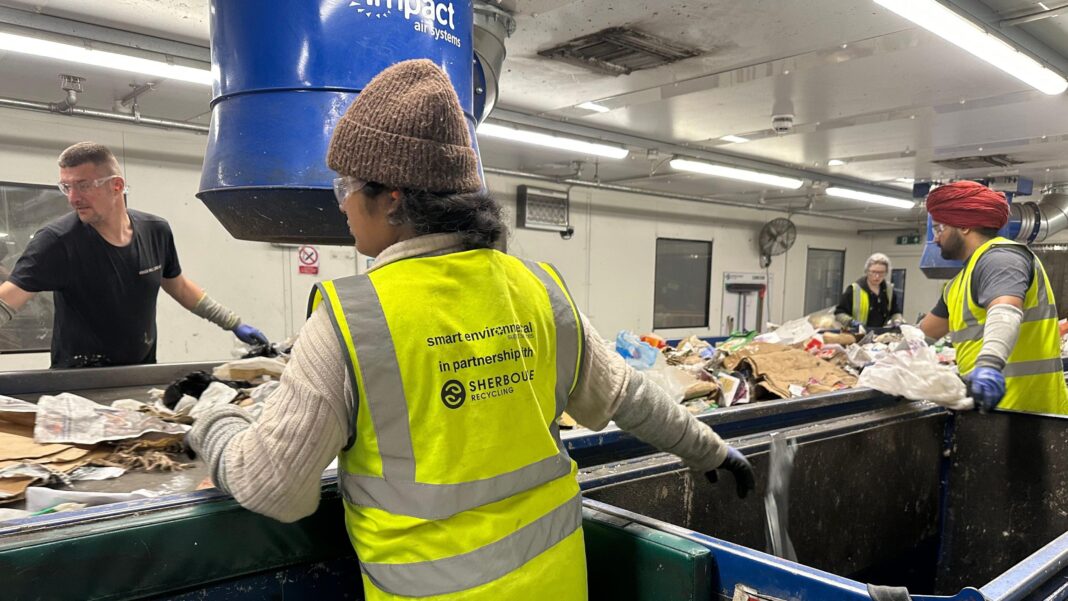
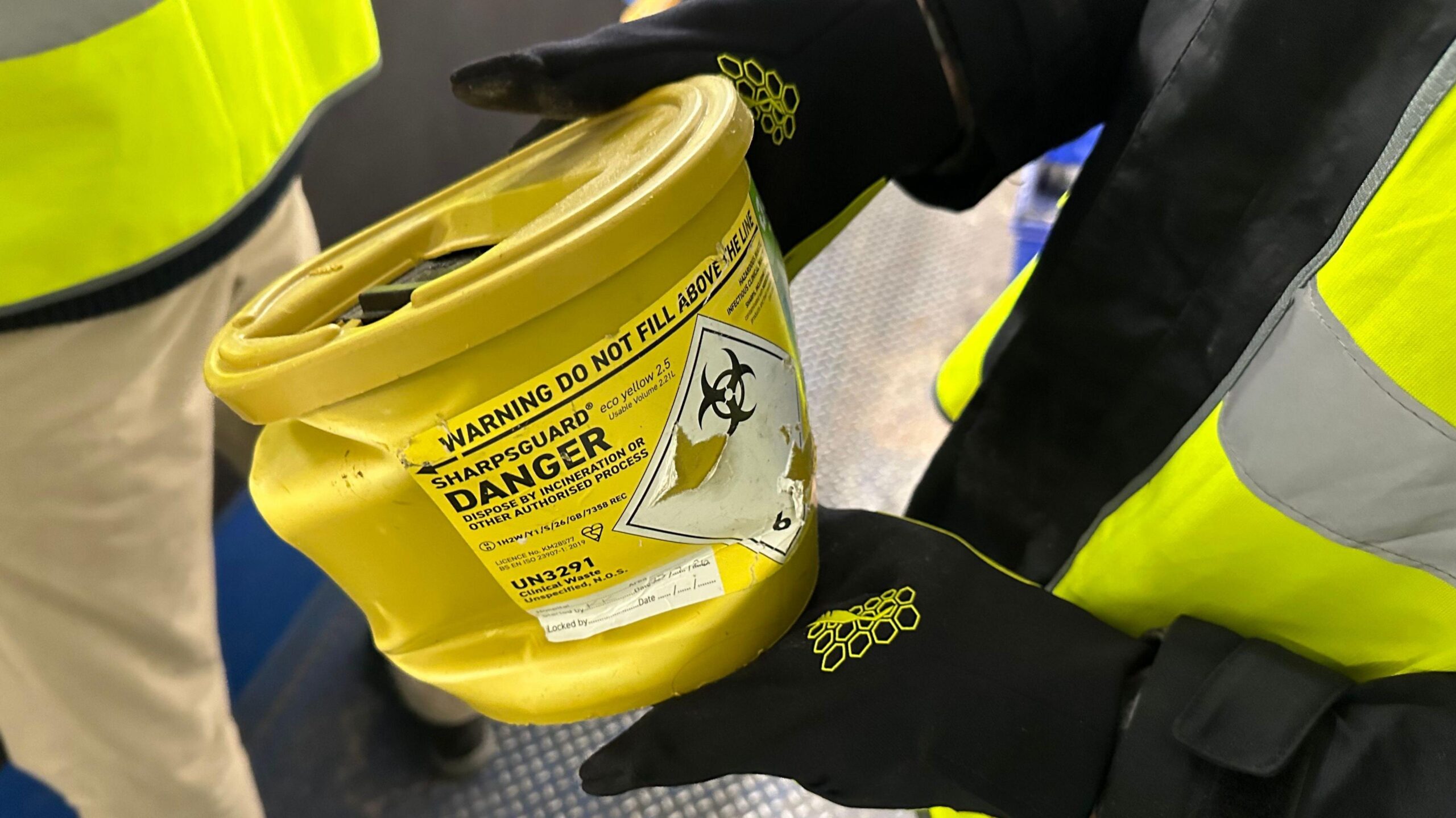
At a recycling plant in Coventry, I watched staff sorting rubbish on a fast-moving conveyor belt when a crushed yellow sharps container suddenly appeared among the waste.
“A resident has put this in a wheelie bin,” explained supervisor Paul Pagett.
“It then gets crushed by the recycling vehicle and then it comes to us open and obviously we’ve got needles then falling out onto the line putting my guys at risk.”
The sharps box should never have been there.
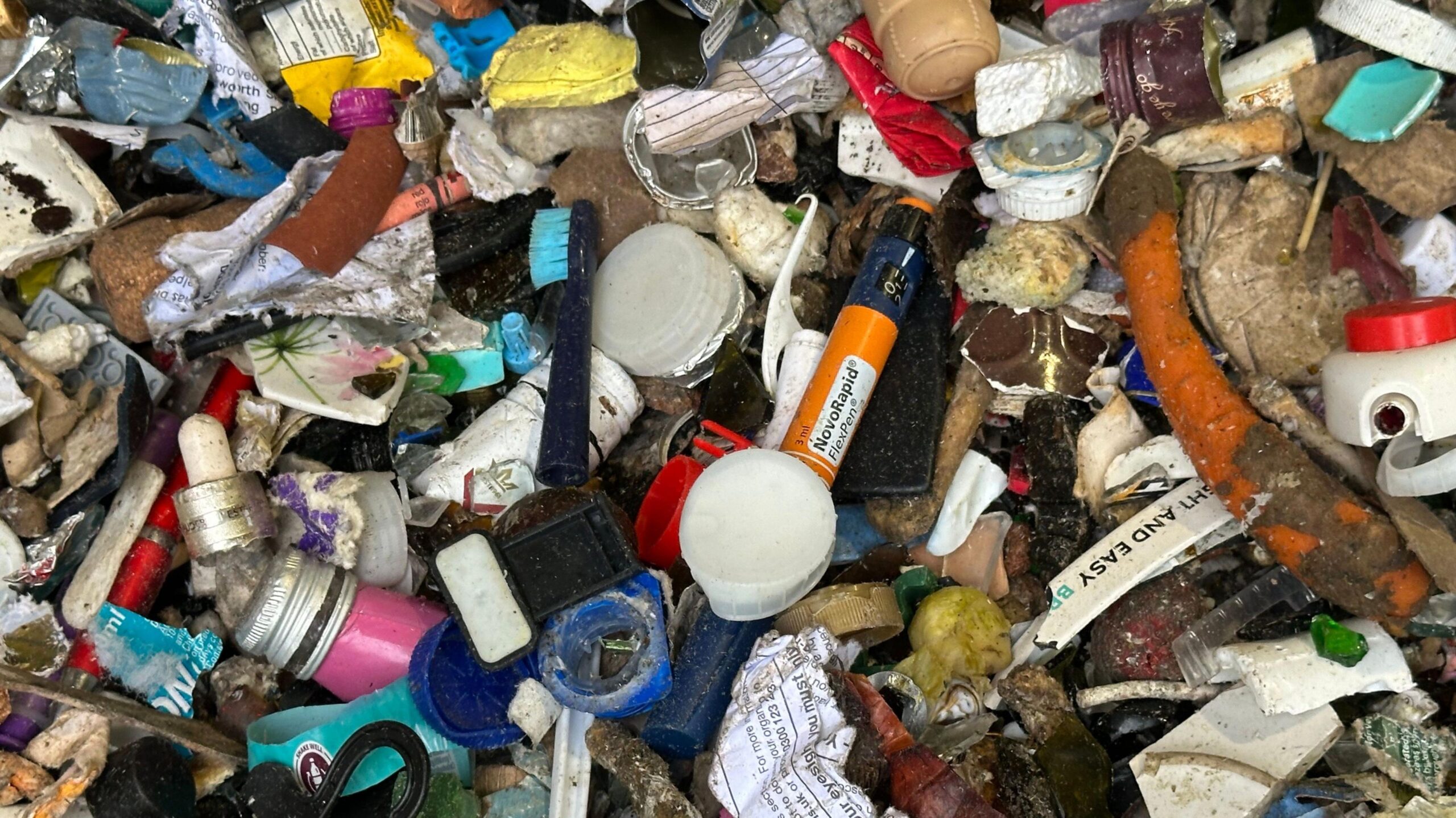
Used needles should be disposed of separately through dedicated clinical waste services. Instead, recycling bosses say they are increasingly finding them mixed in with household waste.
“There are safe disposal routes for needles but the worst place to put them is in your recycling,” said Richard Dobbs, managing director of Sherborne Recycling.
“It ends up in facilities like ours where it will be touched by people and that’s inherently unsafe.”
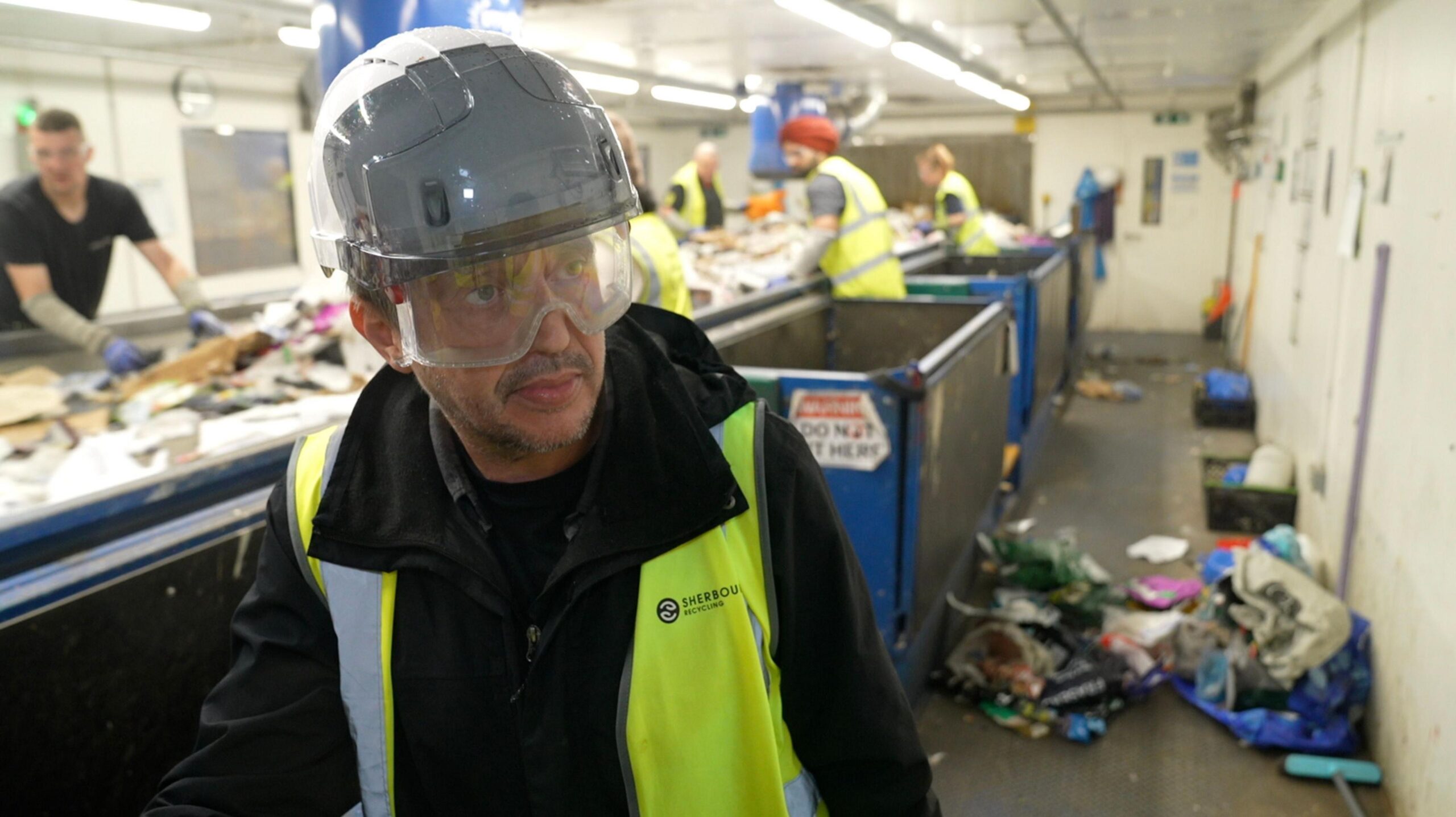
Sherborne Recycling handles waste from several local authorities and serves about 1.5 million residents.
The plant is highly automated, but workers still have to remove items that cannot be processed and regularly inspect waste to check what is being sent for recycling.
That means employees can potentially come into direct contact with discarded needles.
Paul Pagett showed me a cupboard stacked with yellow sharps containers that have all been recovered from the recycling stream since the start of the year.
Some are likely to have come from people using medicines such as insulin, where patients are often given sharps bins and advice on disposal.
But recycling bosses say the growing popularity of privately prescribed weight-loss injections has created a new challenge.
Many people buy the drugs privately and may not automatically receive a sharps box or guidance on how to dispose of used needles safely.
The result is that large numbers are ending up in household bins and, in some cases, recycling collections.
For workers, the consequences can be serious.
Dobbs described what happens when someone accidentally sticks themselves with a used needle.
“It’s a worrying time. You have to be tested and wait for results. It can take months,” he said.
“Most of the time they’re clear but on occasion there will be times when people have picked up serious infections and illnesses and that’s obviously devastating for them.”
At Sherborne, only a handful of staff come into direct contact with waste.
In other recycling plants, dozens of workers might be exposed.
The advice is simple: Speak to your GP or pharmacy about obtaining a sharps bin and how to dispose of it safely.
Whatever you do, never put a sharps container or loose needles in your recycling bin.
Get in touch
Tell us which stories we should cover in Coventry & Warwickshire
Follow BBC Coventry & Warwickshire on BBC Sounds, Facebook, external, X, external and Instagram, external.
More stories like this
-
-
Published2 days ago
-
-
-
Published3 October
-
-
-
Published20 August
-