
This post was originally published on this site.
Equipment financing is a strategic option for businesses looking to acquire necessary machinery without the strain of upfront costs. This method allows you to secure loans or leases particularly for equipment purchases, with the equipment serving as collateral. Typically, you’ll make fixed payments over one to five years, easing cash flow concerns. Comprehending how this financing works and the various options available can greatly impact your business operations. Let’s explore the details further.
Key Takeaways
- Equipment financing allows businesses to acquire tools and machinery without upfront payment, preserving cash flow for other operational needs.
- It involves loans or leases with fixed payments, typically lasting one to five years, using the equipment as collateral.
- Eligible equipment includes computers, vehicles, machinery, and specialized tools, with financing covering up to 100% of the asset’s value.
- The application process requires a credit package submission, and eligibility often depends on credit scores and business revenue.
- Repayment terms are structured to ease cash flow strain, featuring monthly payments that include principal and interest, with potential collateral seizure upon default.
What Is Equipment Financing?
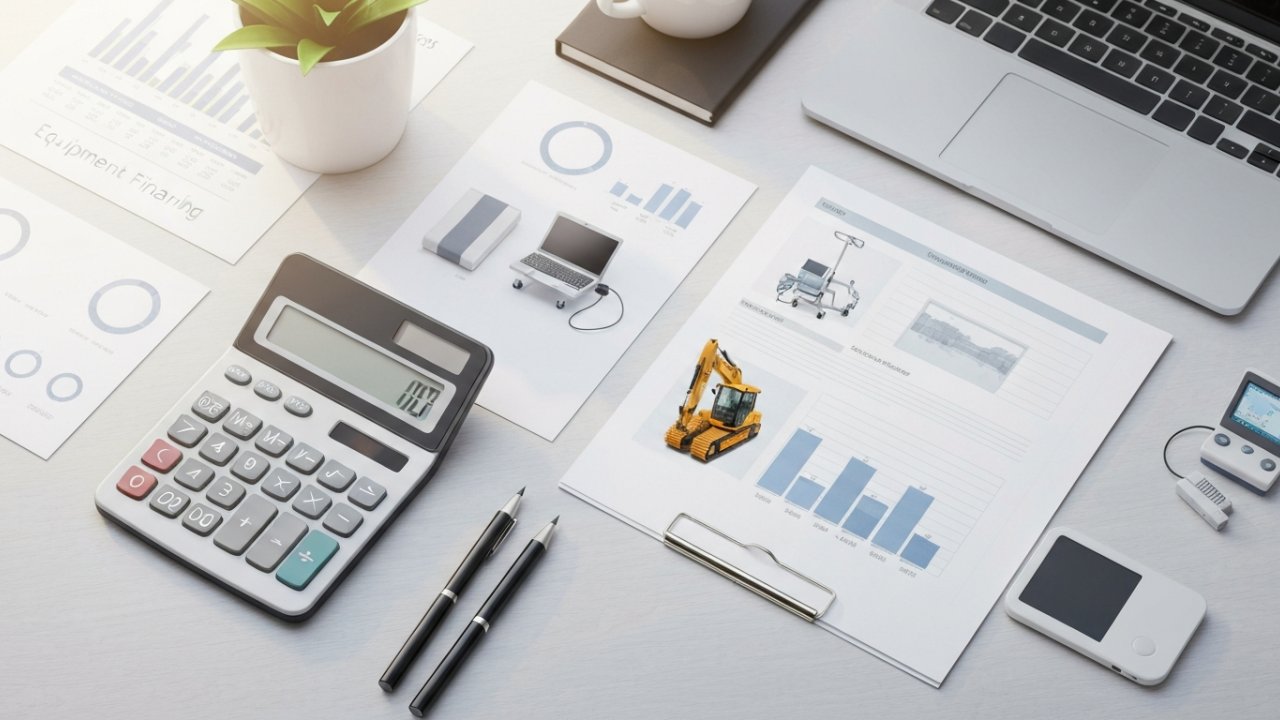
Equipment financing is a fundamental resource for businesses looking to acquire necessary tools and machinery without straining their finances. Essentially, it refers to loans or leases particularly designed to help you purchase required equipment, like vehicles, machinery, and office furniture.
This financing option allows you to preserve cash flow by funding equipment purchases without needing full upfront payment. For instance, heavy equipment financing or construction equipment financing can provide significant support for capital-intensive operations.
Typically, equipment loans come with fixed payments over one to five years, with the equipment itself serving as collateral. Lenders evaluate the equipment’s value and condition before approval, ensuring it meets their criteria.
Moreover, equipment financing for startups can be particularly beneficial, as timely payments can help build your business credit, making it easier to secure future financing options.
Comprehending equipment loan rates is also fundamental for effective planning.
Types of Equipment Eligible for Financing
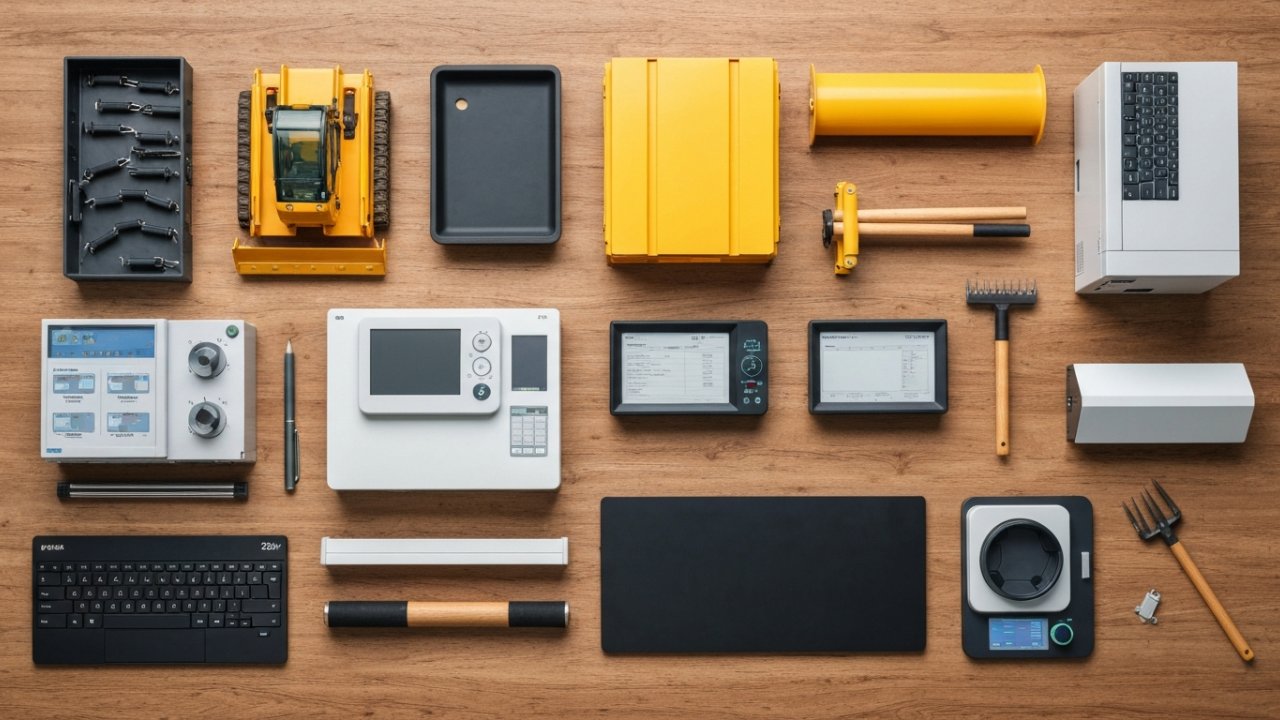
When considering equipment financing, it’s crucial to understand the types of equipment that qualify for funding.
You’ll find that a variety of assets, from computers and office furniture to commercial vehicles and industrial machinery, are often eligible.
Lenders evaluate these items based on their market value, condition, and useful life, which can greatly influence the financing terms and rates you receive.
Eligible Equipment Categories
Various categories of equipment are eligible for financing, offering businesses a chance to acquire essential assets without significant upfront costs. You can obtain funding for Apple, office furniture, commercial vehicles, industrial machinery, and specialized tools.
Both new and used equipment financing options are available, making it easier for you to secure necessary assets affordably. Remember, lenders typically assess the fair market value, condition, depreciation, and useful life of the equipment when determining eligibility.
Equipment financing focuses on tangible, movable assets, excluding real estate. For larger or more expensive items, you might need a third-party appraisal to establish value.
Comprehending equipment financing rates and equipment loan interest rates can help you make informed decisions as you navigate your financing options.
Valuation Criteria Overview
Grasping the valuation criteria for equipment financing is crucial for making informed decisions about your business investments. Lenders assess various factors to determine eligibility, including fair market value, depreciation, future worth, useful life, and the equipment’s condition.
Eligible equipment ranges from computers and office furniture to heavy machinery and specialized tools. For larger assets, some equipment financing companies may require a third-party appraisal to guarantee accurate valuation.
Financing options often cover up to 100% of the equipment’s value, though 80% is more common. These criteria greatly influence equipment financing rates and equipment loan terms, so comprehending them can help you secure favorable financing arrangements customized to your business needs.
Equipment Types Examples
Equipment financing can encompass a wide array of tangible assets vital for various business operations. You can finance important equipment like computers, office furniture, commercial vehicles, industrial machinery, and specialized tools.
Heavy equipment financing companies often cater to industries requiring construction machinery, manufacturing tools, medical devices, and agricultural equipment.
When exploring equipment financing for startup businesses, it’s important to understand the different equipment financing rates available. These rates can vary based on the asset’s value, condition, and market demand. Typically, lenders may finance up to 80% of the equipment’s value, with some offering up to 100%.
The benefits of equipment financing include preserving cash flow and allowing you to access the necessary tools to grow your business effectively.
How Does Equipment Financing Work?
Comprehending how equipment financing works is essential for making informed decisions.
You’ll start by applying for a loan, where you’ll provide details about the equipment and your financial history to the lender.
After evaluating your application and the equipment’s value, the lender will outline repayment structures, including payment terms and interest rates, customized to your specific situation.
Loan Application Process
When you’re ready to acquire new equipment for your business, the loan application process is a crucial step that can determine how smoothly the purchase goes.
First, identify the specific equipment you need and negotiate terms with the seller. Next, submit a thorough credit package, including a credit application and financial records, to your chosen equipment financing companies.
Heavy equipment lenders will assess your creditworthiness and the equipment’s value to provide loan terms, including down payment, interest rate, and term length.
Once you accept the terms, you’ll sign the necessary paperwork, and funds will be released either to you or directly to the vendor.
The process can differ in duration and complexity, with non-bank lenders often offering more flexible commercial equipment financing options.
Equipment Valuation Criteria
Before securing financing for your new equipment, it’s important to understand the criteria lenders use to evaluate its value.
These equipment valuation criteria can impact your equipment finance interest rates and heavy equipment financing rates greatly. Here are key factors that lenders consider:
- Fair market value of the equipment
- Depreciation affecting current worth and lifespan
- Future worth based on expected usage
- Useful life to determine financing terms
- Condition of the equipment, with well-maintained gear receiving better terms
For larger purchases, lenders might require a third-party appraisal to guarantee accurate valuation.
This evaluation can influence how much you can finance, sometimes up to 100%, even when considering equipment financing with no money down.
Repayment Structures Explained
Equipment financing operates through structured repayment plans that allow businesses to acquire necessary machinery without straining their cash flow.
Typically, you’ll face fixed loan payments over a term of one to five years, though some loans can extend beyond ten years, depending on the equipment’s lifespan. Monthly payments usually consist of both principal and interest, with rates varying from five percent to potentially triple digits based on your creditworthiness.
Your equipment often serves as collateral, which means if you default, the lender can seize it. Furthermore, equipment financing companies for startups may require a down payment between 0% and 20%.
Making regular payments can likewise help build your business credit, improving future equipment lending opportunities.
How Lenders Determine the Value of Equipment
To determine the value of equipment for financing, lenders take several essential factors into account. These aspects help construction equipment finance companies and equipment finance companies assess whether to approve your financing request.
Key factors include:
- Fair market value based on current market conditions and demand
- Depreciation, considering the equipment’s age and expected useful life
- Condition of the equipment, including wear and tear or necessary repairs
- Potential need for a third-party appraisal for larger equipment
- Future worth, evaluating the equipment’s ability to generate revenue or savings
These elements play a significant role in equipment valuation.
For those seeking financing through used equipment finance companies, comprehending how these factors influence equipment leasing interest rates can help you better prepare your financing application.
Lenders want to guarantee the equipment’s value aligns with their investment, which is vital for a successful financing outcome.
Terms and Rates for Equipment Financing
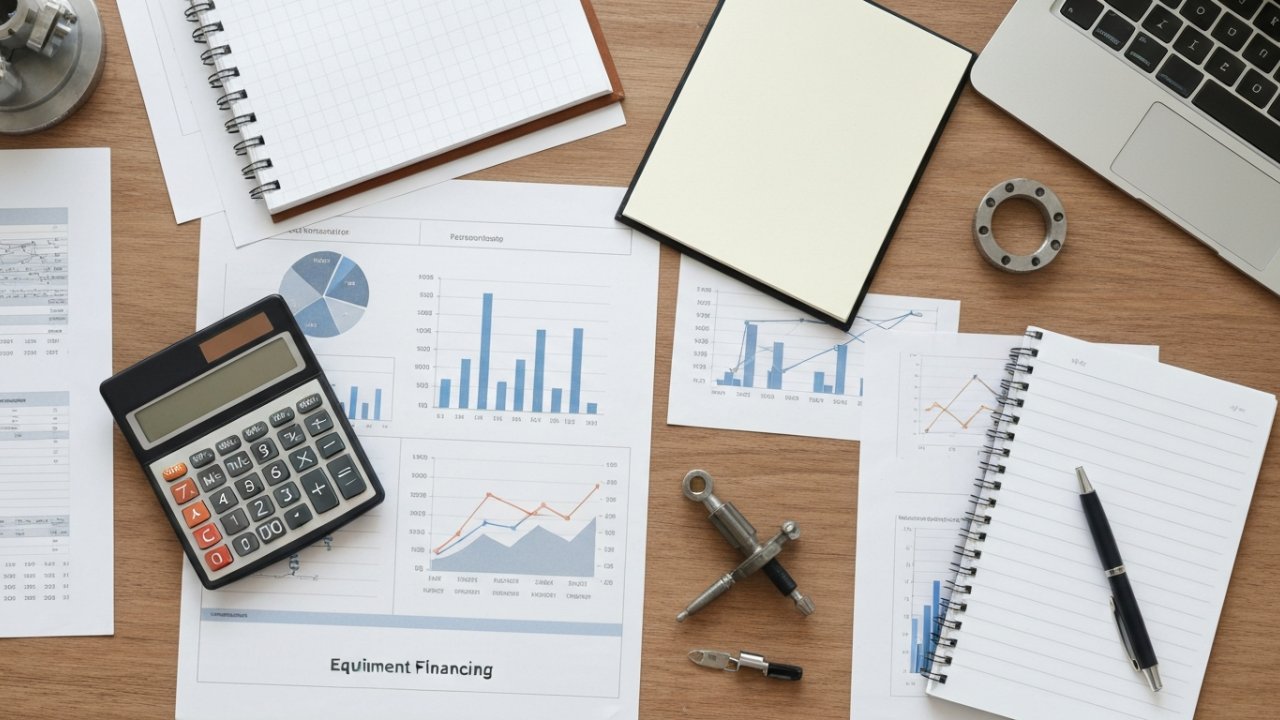
When considering equipment financing, you’ll notice that terms and rates can markedly vary based on several factors, including your credit profile and the specific type of equipment.
Equipment loan rates today can range from as low as 5% to triple digits, heavily influenced by your business credit score, which typically needs to be at least 600.
Most lenders offer loan terms from one to five years, but some extend up to 25 years for certain equipment. You can typically finance between 80% to 100% of the equipment’s value, though a down payment might still be required.
It’s essential to understand how does equipment financing work, especially if you’re exploring options like small business equipment financing or equipment financing for personal use.
Evaluating various lenders carefully will help you find the best financing terms, making sure you’re making an informed decision.
Business Equipment Loans vs. Equipment Leasing
Grasping the differences between business equipment loans and equipment leasing is crucial for making informed financial decisions.
Here are some key distinctions:
- Business Equipment Loans let you purchase equipment outright, secured against the asset.
- Equipment Leasing involves renting equipment for a set period, often with lower upfront costs.
- Small business equipment loans may require a down payment, whereas leasing typically doesn’t, preserving cash flow.
- Equipment loans build equity in owned assets, whereas leasing offers flexibility and possible purchase options at the end.
- Interest rates for commercial equipment loans vary based on creditworthiness, whereas leasing arrangements usually provide predictable monthly payments.
Choosing between these options hinges on your business’s specific needs, cash flow situation, and how you plan to use the equipment.
Comprehending these differences will enable you to select the best financing route for your business goals.
Eligibility Requirements for Equipment Loans
Grasping the eligibility requirements for equipment loans is vital for businesses looking to secure financing for their operational needs.
Usually, you’ll need a business credit score of 600 or higher, and some lenders may likewise consider your personal credit score. Most lenders prefer businesses to have been operational for at least one to two years, but some might accept those running for as little as six months.
In addition, annual revenue should typically be at least $100,000 to qualify for equipment financing solutions. When applying, be prepared to provide various financial documents, such as balance sheets, tax returns, and proof of the equipment’s value.
The secured nature of these loans, especially for heavy machinery loans or commercial equipment leasing, offers more flexibility in eligibility compared to traditional loans, since the equipment itself acts as collateral.
Recognizing these factors can help you navigate equipment leaseback financing options effectively.
Choosing an Equipment Financing Partner
How do you choose the right equipment financing partner for your business? Selecting a knowledgeable lender can greatly streamline your financing process and lead to better outcomes.
When evaluating potential partners, consider the following:
- Their expertise in equipment financing solutions relevant to your industry.
- Experience with personal equipment loans and used equipment leasing.
- Comprehension of your business’s unique cash flow and operational needs.
- Transparency regarding financing terms, interest rates, and hidden costs.
- Ability to guide you in leveraging equipment value for future working capital.
The best equipment financing companies won’t only provide competitive rates but also offer customized solutions like equipment dealer financing that align with your business goals.
A partner with industry knowledge can assess fair pricing, especially for used equipment, ensuring you make informed purchasing decisions.
Frequently Asked Questions
How Does Equipment Financing Work?
In equipment financing, you secure a loan to purchase necessary equipment, using that equipment as collateral.
First, identify what you need and negotiate with the seller. Then, prepare a credit package for lenders, including your financial records and equipment details.
Lenders evaluate this package to establish loan terms like down payment and interest rate. Once you accept these terms, you sign the paperwork, and funds are released to you or the vendor.
Repayment typically spans one to five years.
[embedded content]
How Hard Is It to Get Equipment Financing?
Obtaining equipment financing can be challenging, particularly if your business lacks a strong credit profile.
Lenders usually require a credit score of at least 600 and may furthermore consider personal credit scores.
Moreover, your business should typically be operational for one to two years and generate annual revenue of at least $100,000.
Providing an extensive credit package, including financial documents and equipment valuations, can greatly improve your chances of approval.
What Is an Example of Equipment Financing?
An example of equipment financing is when a bakery secures a loan to buy a commercial oven, using the oven as collateral. This allows the bakery to boost production without draining cash reserves.
Typically, businesses can finance up to 100% of the equipment’s value, often around 80%. Repayment terms usually last one to five years, with fixed payments aiding cash flow management, making it a practical solution for acquiring vital equipment.
What Credit Score Do You Need for Equipment Financing?
You typically need a business credit score of at least 600 for equipment financing.
Some lenders may be flexible because of the secured nature of the loan, but higher scores often lead to better terms.
Personal credit scores might likewise be evaluated, especially if your business score falls short.
Furthermore, lenders usually look for at least $100,000 in annual revenue and one to two years of operation for approval.
Conclusion
In conclusion, equipment financing offers businesses a practical way to acquire necessary machinery without upfront costs, allowing for better cash flow management. By comprehending the various options, eligibility requirements, and how lenders evaluate equipment, you can make informed decisions that support your operational needs. Whether you choose a loan or lease, partnering with the right financing provider is essential for maximizing the benefits of this financial solution. Consider your specific requirements to find the best fit for your business.
Image via Google Gemini