
Why smoky bacon crisps threaten to reignite rows over EU rules
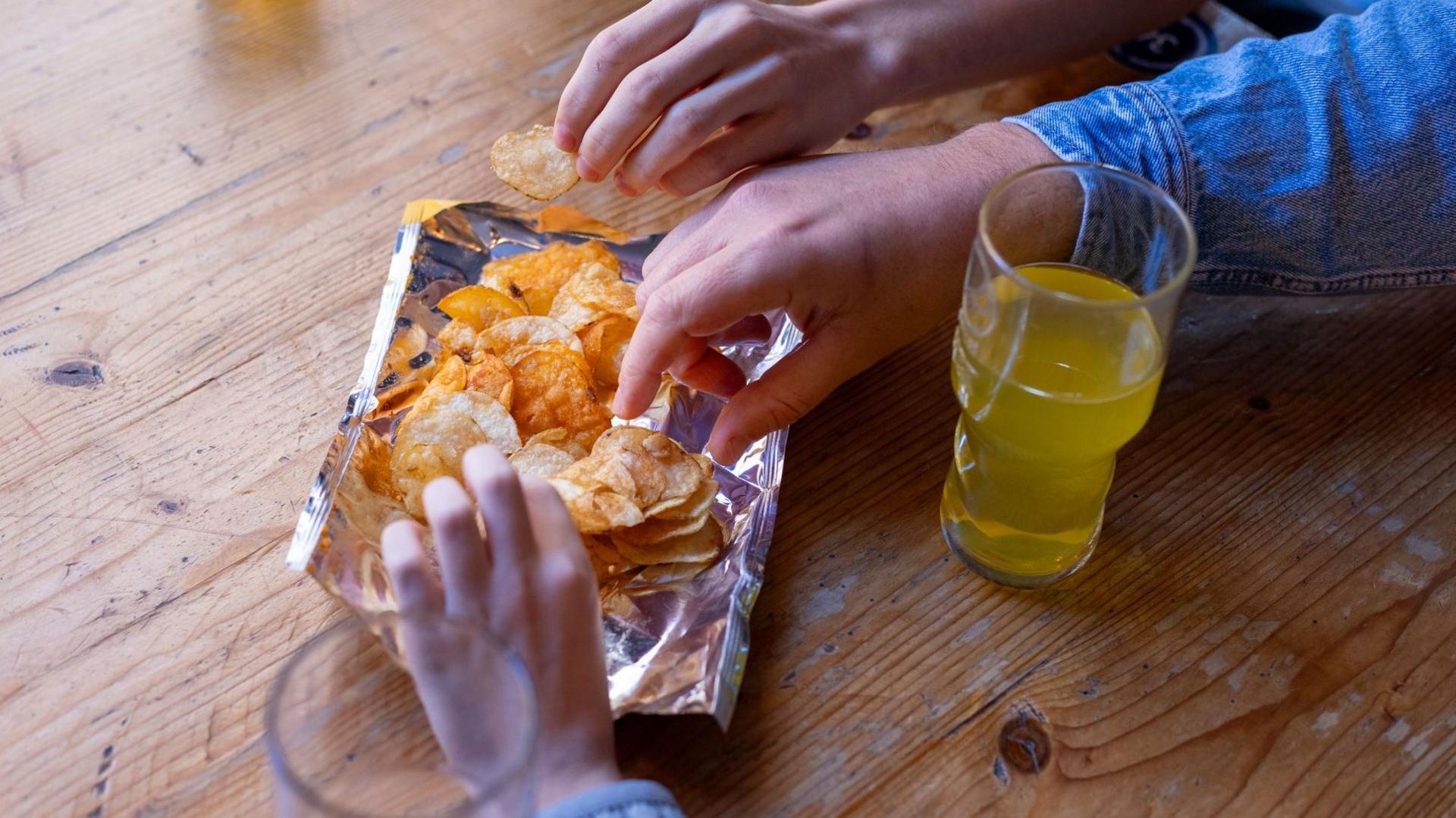 Image source, Getty Images
-
Published
The naming of smoky bacon-flavoured crisps has become the latest political headache to emerge from the government’s bid for closer ties with the EU.
The government is negotiating a deal on food standards in a bid to cut costs for British companies trading with Europe.
Labour ministers have been keen to talk up the potential economic benefits of the agreement, which could be announced at a summit later this month.
But the deal’s requirement for Britain to adopt EU food rules in a wide range of areas has threatened to reignite sovereignty debates from the Brexit era.
Labour ministers have been keen to sidestep talking about the impact of alignment in particular sectors, instead stressing the overall economic boost it expects the food deal to bring.
On Thursday, Environment Secretary Angela Eagle told a radio presenter he should “get a life” when he asked about the potential impact of the new rules on snacks, such as smoky bacon crisps.
But it highlights the political dangers for the government of realigning with regulations that British politicians have not been able to shape, with the Conservatives and Reform UK keen to pounce on cases showing Britain to be a “rule taker” from Brussels.
It is not the first regulatory skirmish over smoky bacon crisps – following previous headlines over how the well-loved British flavour could be affected by an EU decision in 2024 to phase out a number of artificial smoke flavourings.
Now, the flavour name itself has been called into question by a separate EU attempt to restrict how descriptions of meat are used to market food.
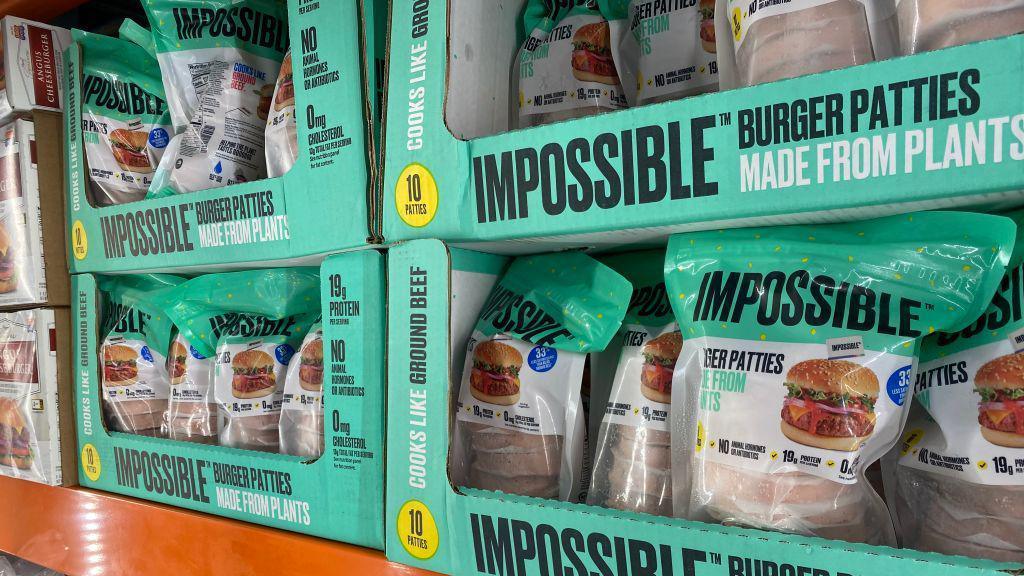
Under rules adopted this summer, the EU plans to restrict the use of 31 terms, including bacon, drumstick and steak, to products that contain meat, claiming consumers could be confused by plant-based alternatives using the same names.
The European snack industry is seeking clarity on how the rules, which will also cover terms such as pork, chicken and beef, would apply to meat-flavoured crisps, including those flavoured without the use of any meat extracts.
The UK government has said it expects the new regulations to be in scope of its proposed food standards deal.
This means they would also apply to companies marketing their products in Britain, which is among the biggest consumers of crisps in Europe, according to analysts Euromonitor., external
Uncertainty over rules
It has raised the prospect that crisps with names such as smoky bacon and roast chicken could have to be relabelled to be sold in British shops, although much remains unclear about how the rules will apply in practice.
The new EU rules, which will not come into force until after August 2029, will allow the European Commission to create exemptions for meaty names with an established long-term use to describe other types of food product.
The Brussels-based body is yet to set out how it plans to use this power, or what it means for snacks.
A group of conservative German MEPs are also seeking a specific carve-out for meat names in snacks and sauces in separate legislation, external currently making its way through the European Parliament.
The Food and Drink Federation, which represents British crispmakers including Walkers and KP Snacks, has been supportive of the government’s bid to reach a food deal due to its potential to reduce trade barriers with Europe.
But it has highlighted the new rules as an example of where it wants the government to work with industry to ensure UK interests are reflected in EU decision making.
“Meat protections are an example of a new EU rule that UK businesses will need to comply with, but which the UK was not involved in developing,” added the body’s chief scientific officer Kate Halliwell.
‘Unintended consequences’
The Potato Processors’ Association, which also represents a number of major snackmakers, said it was monitoring the situation closely and wanted to see clarification of how the rules could affect its members.
Vanessa Richardson, its deputy director general, said her association supported moves to reduce “unnecessary barriers” in the trade of food products.
But she added it was important that the government’s deal is implemented in a way that “avoids unintended consequences for established product descriptions which consumers clearly understand as referring to a flavour”.
The Department for Environment, Food & Rural Affairs (Defra) says it stands ready to help British snack businesses prepare for the impact of the new EU rules.
It is not yet clear what a British version of the rules would look like, or whether they would need to apply from 2029 alongside the new European regulations.
-
-
Published2 days ago
-
-
-
Published8 October 2025
-