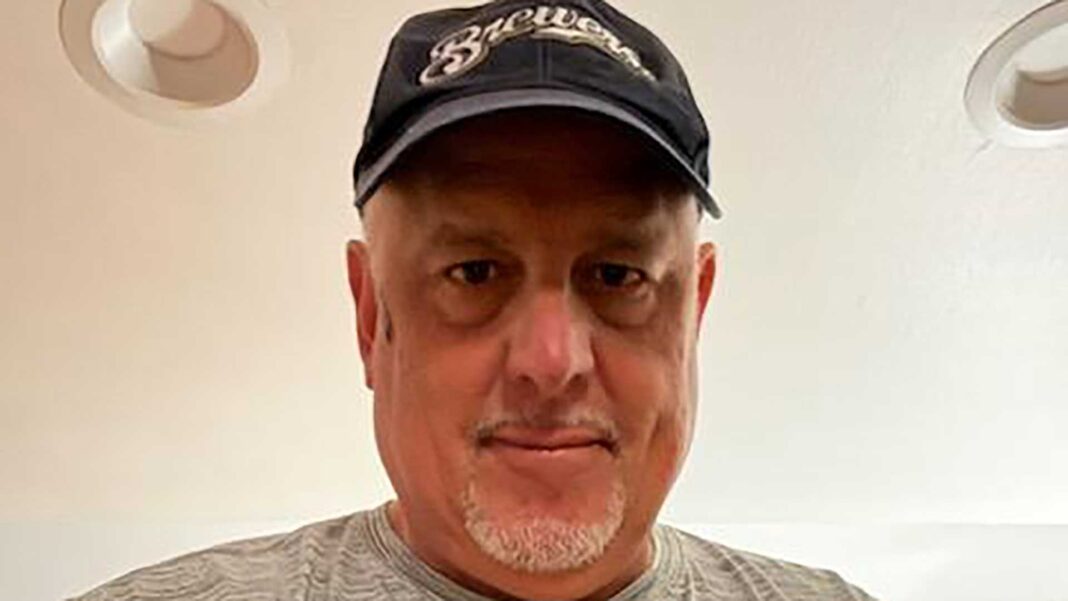

Now a Senior Consultant at Bower Group in Chicago, he draws on that background in his work with commercial properties, restoration projects, and industrial facilities.
In this interview, Mark Siegwald discusses his early career, the transition from insurance to restoration, and how his approach to project oversight has evolved.
Q: Before entering the property damage industry, you studied at Northern Illinois University and played soccer. How did those experiences influence your career?
I attended Northern Illinois University on a soccer scholarship and earned my bachelor’s degree in General Studies. I also played club soccer in England and Mexico.
Playing soccer taught me a lot about working with different personalities and adapting to situations that don’t always go according to plan. When you play with different teams, you have to understand how others approach the game.
I think those experiences helped me become comfortable working with people from different backgrounds. I’ve carried that into my professional life.
Q: You began your career with Kemper Insurance before spending more than a decade at Liberty Mutual. What did those early years teach you?
Insurance gave me a strong foundation in understanding property damage and how losses are evaluated.
When you’re reviewing a claim, you have to understand what happened, what was damaged, and what information supports the assessment. You also learn that the people involved may have very different perspectives.
An owner wants their property back. A contractor is thinking about how the repairs will be completed. The insurance professional must evaluate the loss based on the available information.
Those years taught me to pay attention to the details and ask questions before reaching conclusions.
Q: What prompted your move from insurance into property restoration?
After spending years on the insurance side, I wanted to broaden my understanding of what happens after a loss is assessed.
Working with companies such as Munters, Belfor USA, and Response Team 1 gave me a different perspective. I became more involved with the practical challenges of restoring damaged properties.
There is a difference between reviewing an estimate and understanding what it takes to complete the work. You have to consider access, labour, materials, equipment, and the conditions that crews encounter on site.
Having experience on both sides helped me appreciate why people sometimes disagree about the same project.
Q: How did your experience with restoration estimates and commercial property losses shape your approach to consulting?
One of the biggest lessons was that an estimate is only as useful as the information behind it.
I’ve spent a lot of time reviewing restoration estimates, and I’ve learned that you cannot evaluate everything simply by looking at numbers on a page.
You need to understand the building, the extent of the damage, and the proposed work. Sometimes an item that initially looks unusual makes sense once you understand the site conditions. Other times, additional information raises questions that need resolving.
My experience with Young & Associates and other organisations helped reinforce the importance of connecting documentation with what is actually happening in the field.
Q: You now work as a Senior Consultant at Bower Group. How has your role evolved?
My work today draws on much of what I’ve learned throughout my career.
One area I’m involved in is Clerk of the Works assignments, including restoration and industrial projects. That involves observing construction activity, reviewing conditions, documenting progress, and communicating relevant information to the people responsible for the project.
It’s important to understand the role’s boundaries. I’m not there to run the contractor’s operation or tell individual trades how to perform their work.
The value comes from being present, understanding what should be happening and recognising when something deserves further discussion.
Q: What makes working on existing buildings particularly challenging?
Existing buildings have histories that aren’t always reflected in the available drawings.
You may discover previous repairs, undocumented changes or unexpected conditions once work begins. On restoration projects, there is also the added complication of understanding what damage is related to the recent loss and what may have existed beforehand.
I like speaking with maintenance personnel and facility managers because they often know things about a building that nobody else on the project team knows.
Their experience doesn’t replace proper investigation, but it can help you understand where to look and what questions to ask.
Q: How does project oversight change when construction takes place inside an operating industrial facility?
Remember that construction isn’t the only thing happening in the building.
Employees may still be working, equipment may need to remain operational, and certain areas may only be available at specific times.
A construction sequence that makes sense on paper might create problems for the people operating the facility.
That means communication becomes especially important. You have to understand the project’s needs while respecting the operations that have to continue around it.
Q: After more than two decades in the industry, what has changed most about your professional judgement?
I’m probably less inclined to assume I know the answer immediately.
When you’re younger, recognising a familiar situation can make you feel confident that you understand what’s happening. Experience teaches you that two situations can look very similar and still have important differences.
I’ve learned to listen more carefully, verify what I can, and remain open to changing my mind when new information becomes available.
I still rely on my experience every day, but I think its greatest value is helping me recognise which questions need to be asked.
Q: What advice would you give someone beginning a career in insurance, restoration or construction consulting?
I would encourage them to learn as much as possible about the different parts of the industry.
If you work in insurance, take time to understand how restoration work is performed. If you work in construction, try to understand the owner’s perspective and the financial and operational pressures surrounding a project.
Spend time onsite, listen to experienced people, and don’t be afraid to admit when you need more information.
You can learn a lot from reports and training, but there is no substitute for seeing how the work happens in practice.